

This post contains affiliate links. If you make a purchase through one of these links, Heritage Mode Maison may earn a small commission at no extra cost to you.
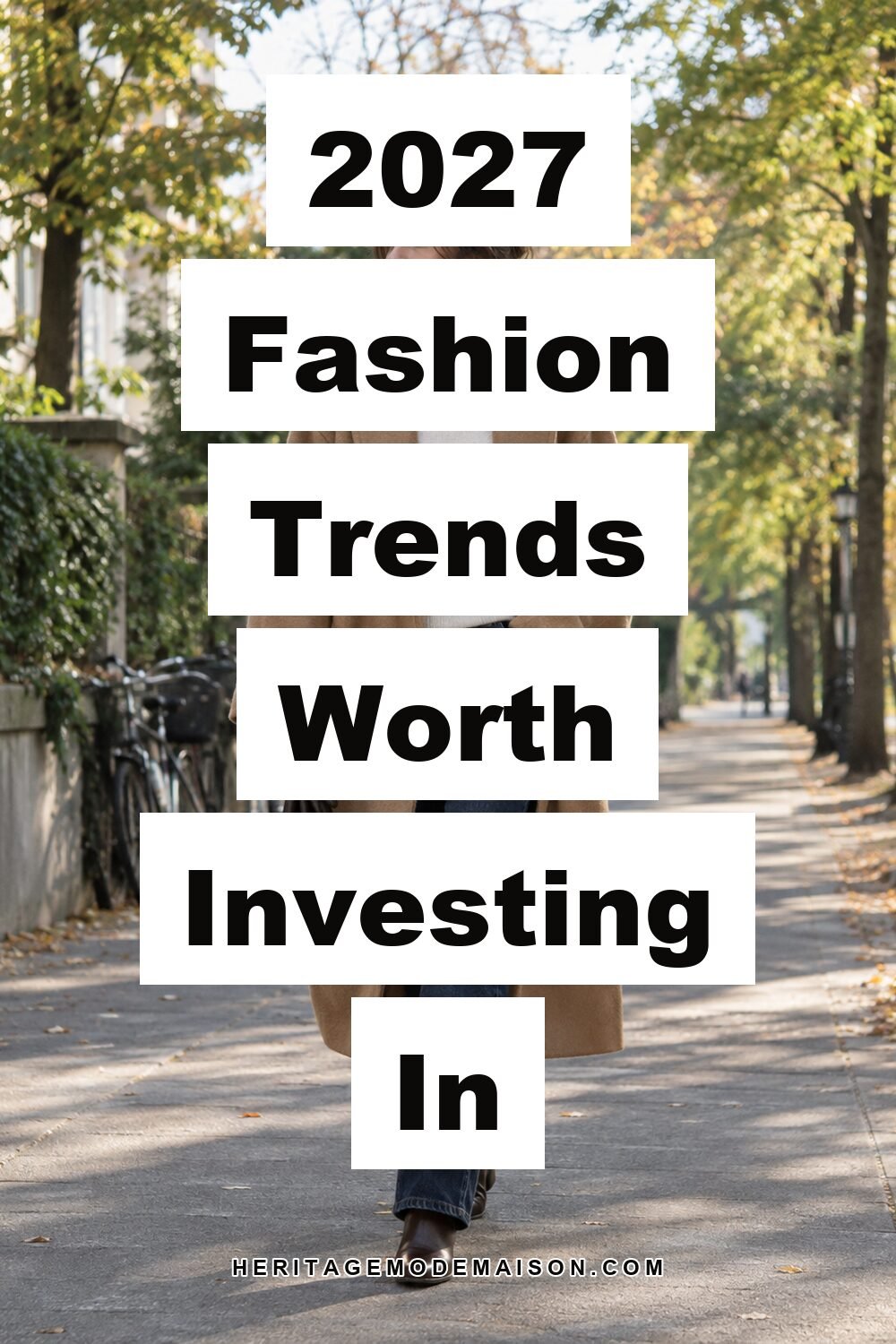
Not every trend deserves a spot in your closet, but a handful of the 2027 fashion trends worth investing in are actually just classics finally getting their moment back.
I’ve built this whole list around pieces that survive past one season: real fabric, a cut that holds up, a color story you won’t tire of by March.
Think of these as classic fashion trends for 2027, not fast-fashion flashes you’ll donate by summer.
Twenty full outfits follow, each one built from pieces I’d actually buy and actually rewear, styled the way I’d wear them myself.
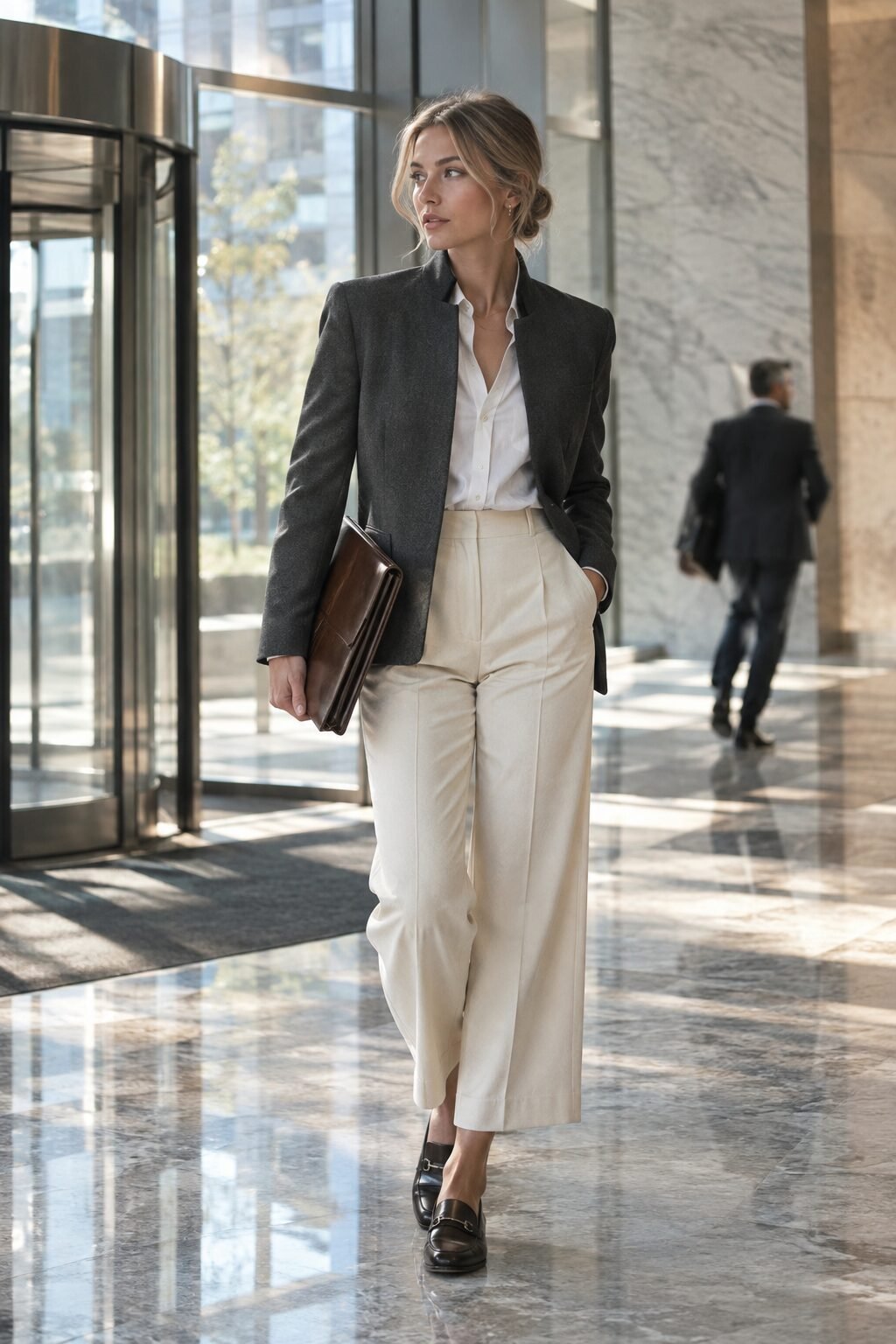
1. Sculpted Blazer, Wide-Leg Trouser, and Crisp Oxford Shirt
Shop the Look
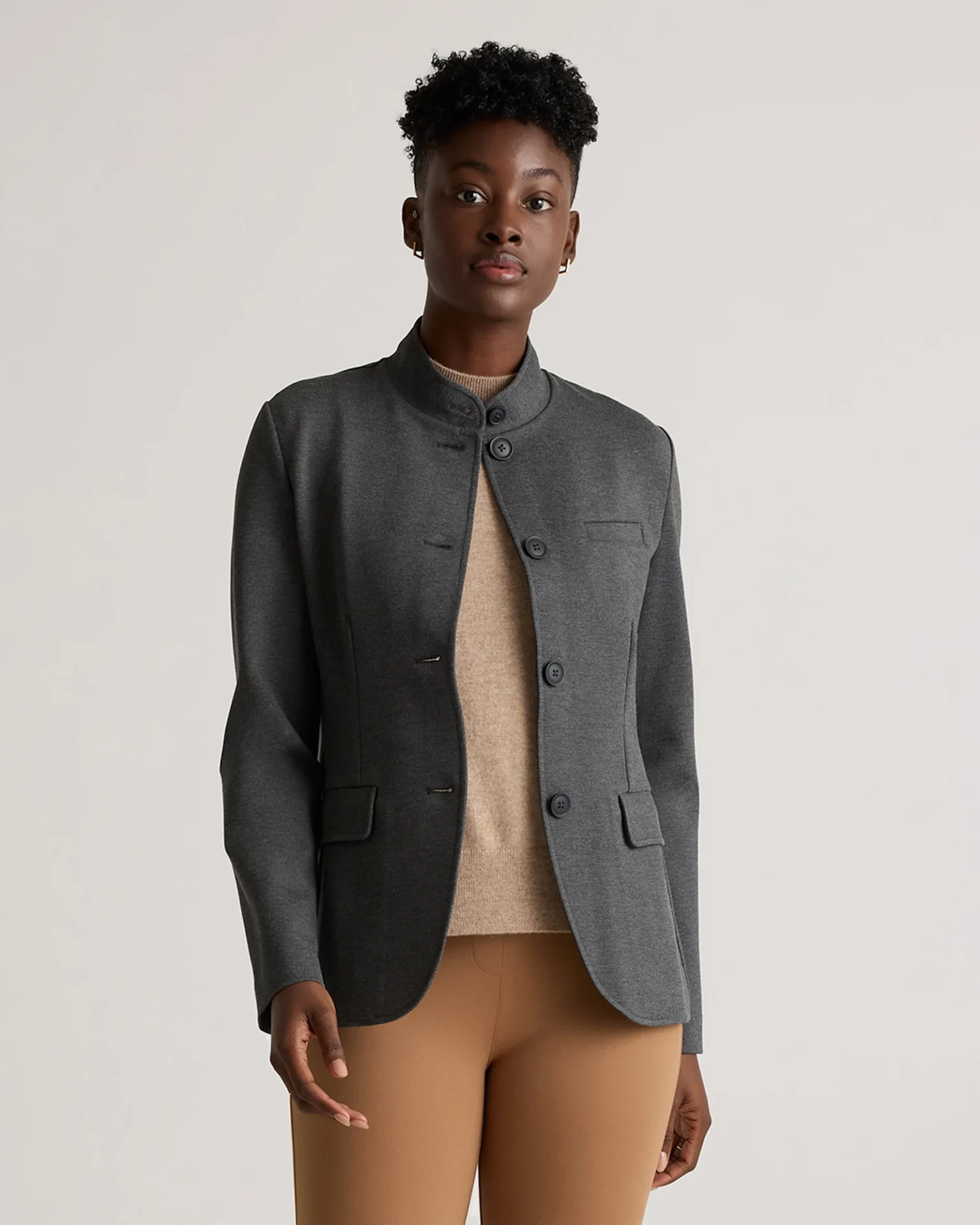
Ultra-Stretch Ponte Stand Collar Blazer (Charcoal)
$72.00 | Ponte knit does the structural work of a much pricier wool blazer here, holding a sharp line all day for under $75.
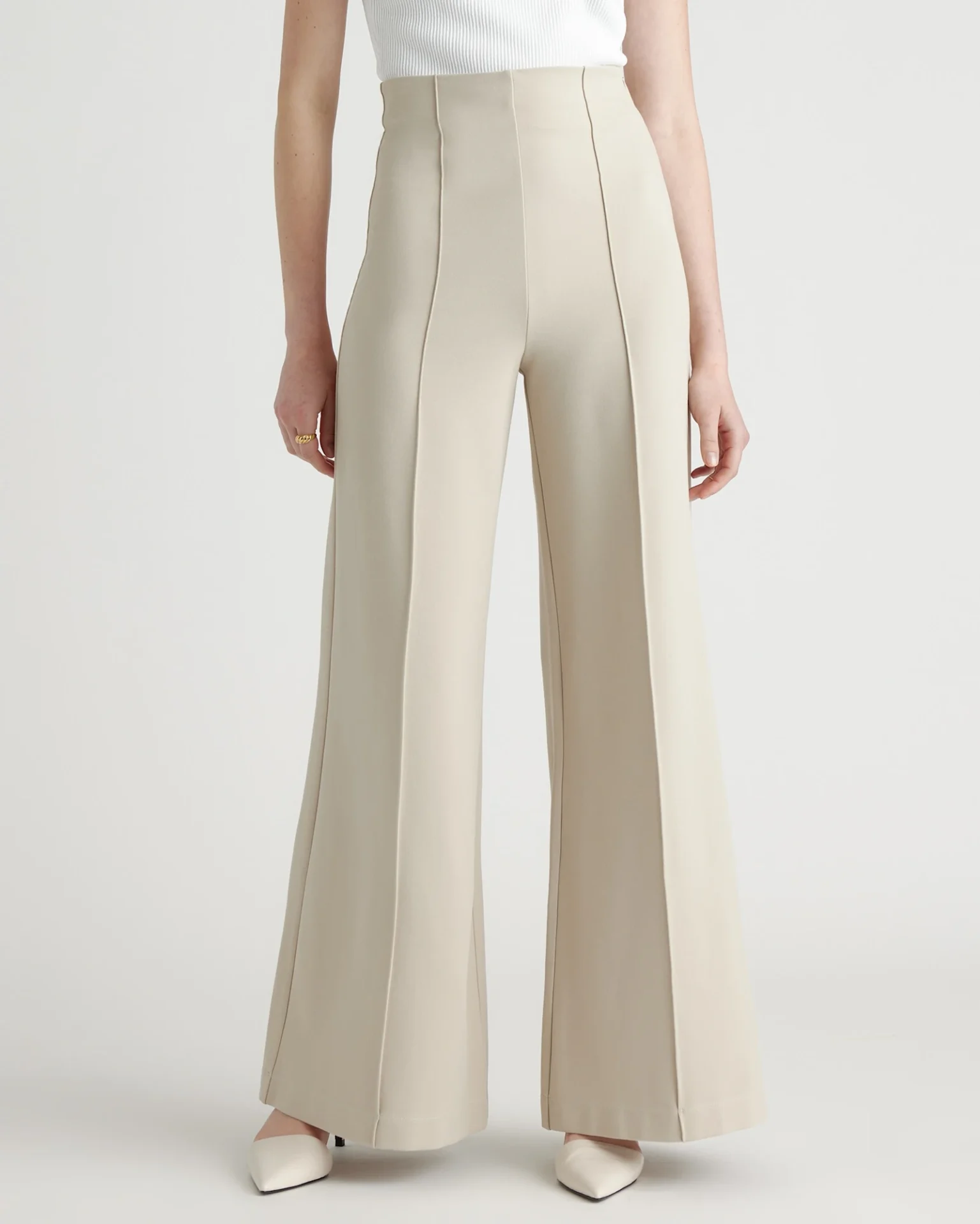
Ultra-Stretch Ponte Super Wide Leg Pants (Ecru)
$44.90 | The ecru colorway keeps this pair from disappearing into the blazer, and the ponte fabric won’t crease on a commute.
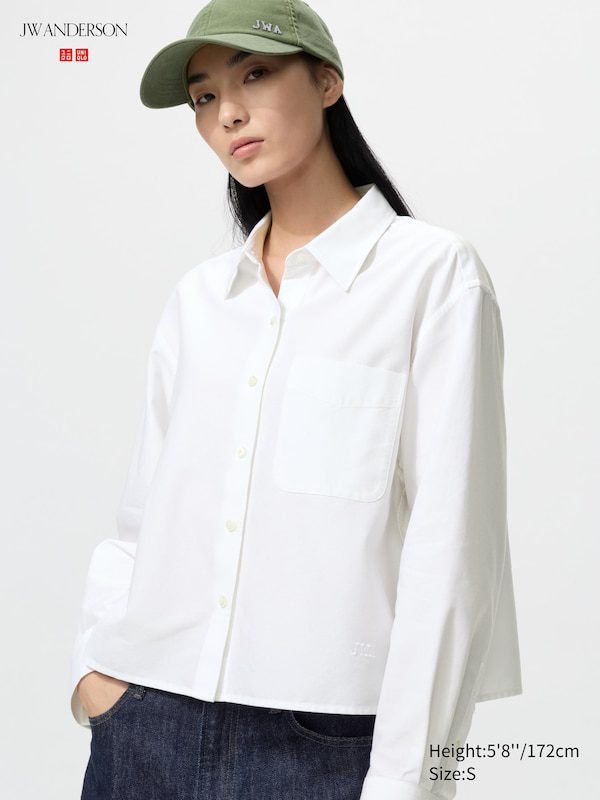
Oxford Boxy Cropped Shirt (White)
$39.90 | Cotton-rayon Oxford weave gives this base layer real shirting structure instead of a flimsy tee hand.
A structured shoulder is what separates power dressing from just wearing a blazer, and this ponte version holds its shape through a full office day without a single wrinkle.
Wide-leg trousers in ecru keep the whole look from reading corporate-stiff, and the cropped Oxford shirt underneath adds the one crisp detail that makes tailoring look intentional.
Charcoal and ivory together is the easiest power palette to get right on the first try.
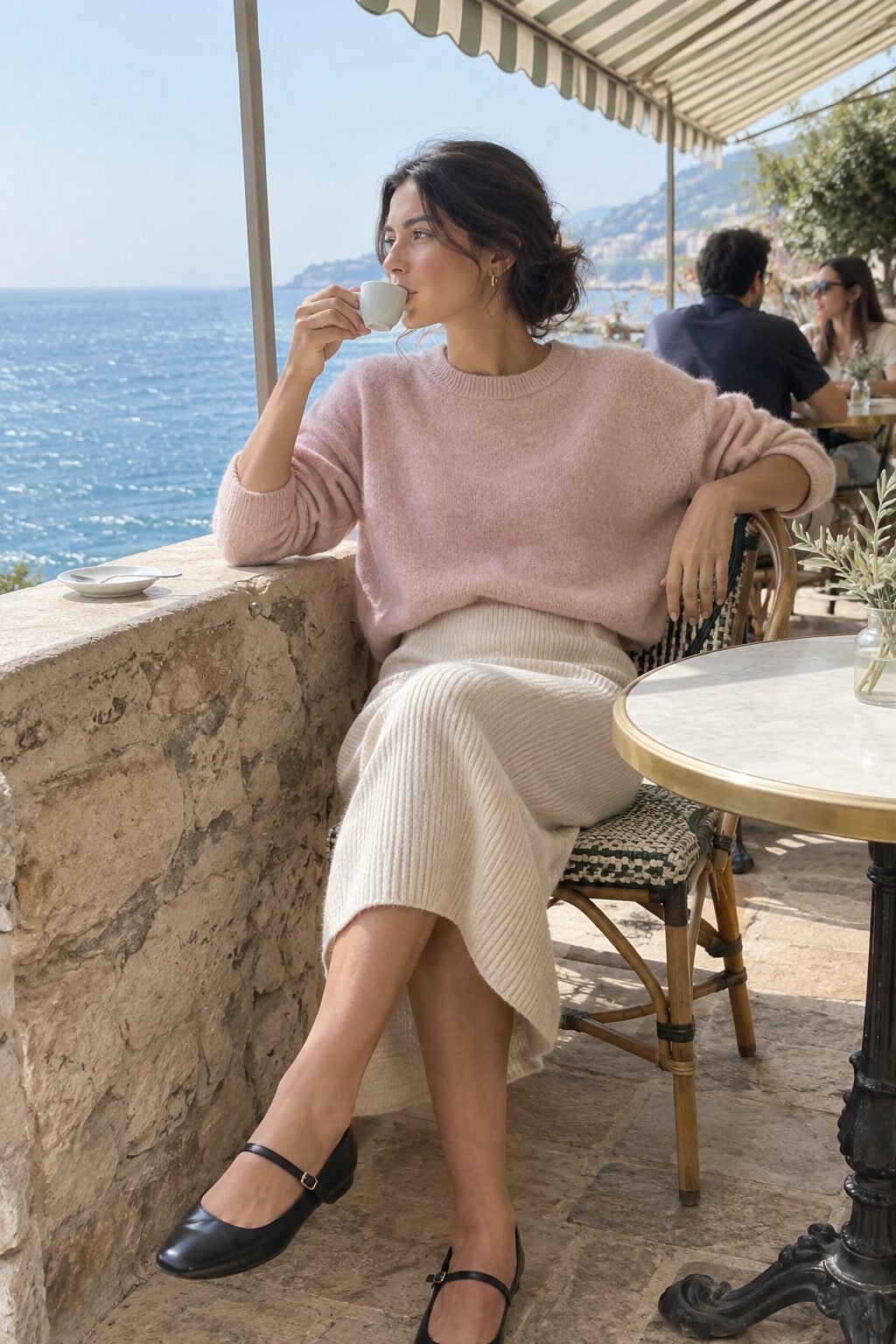
2. Ballet Skirt, Cashmere Crewneck, and Leather Ballet Flats
Shop the Look
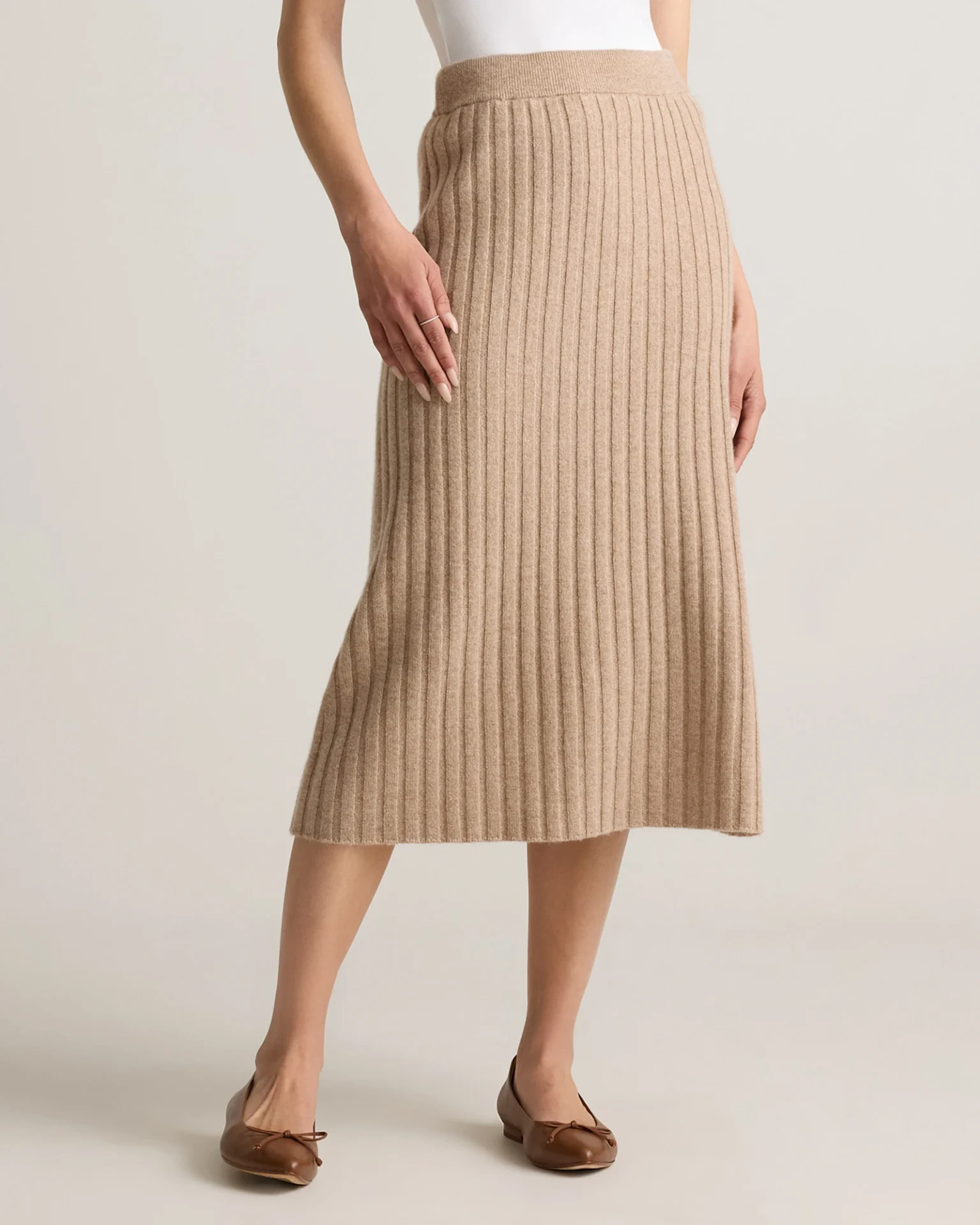
Mongolian Cashmere Midi Skirt (Oatmeal)
$99.90 | Grade-A cashmere in a ribbed knit gives this skirt real weight and movement, not the flat hang of a synthetic blend.
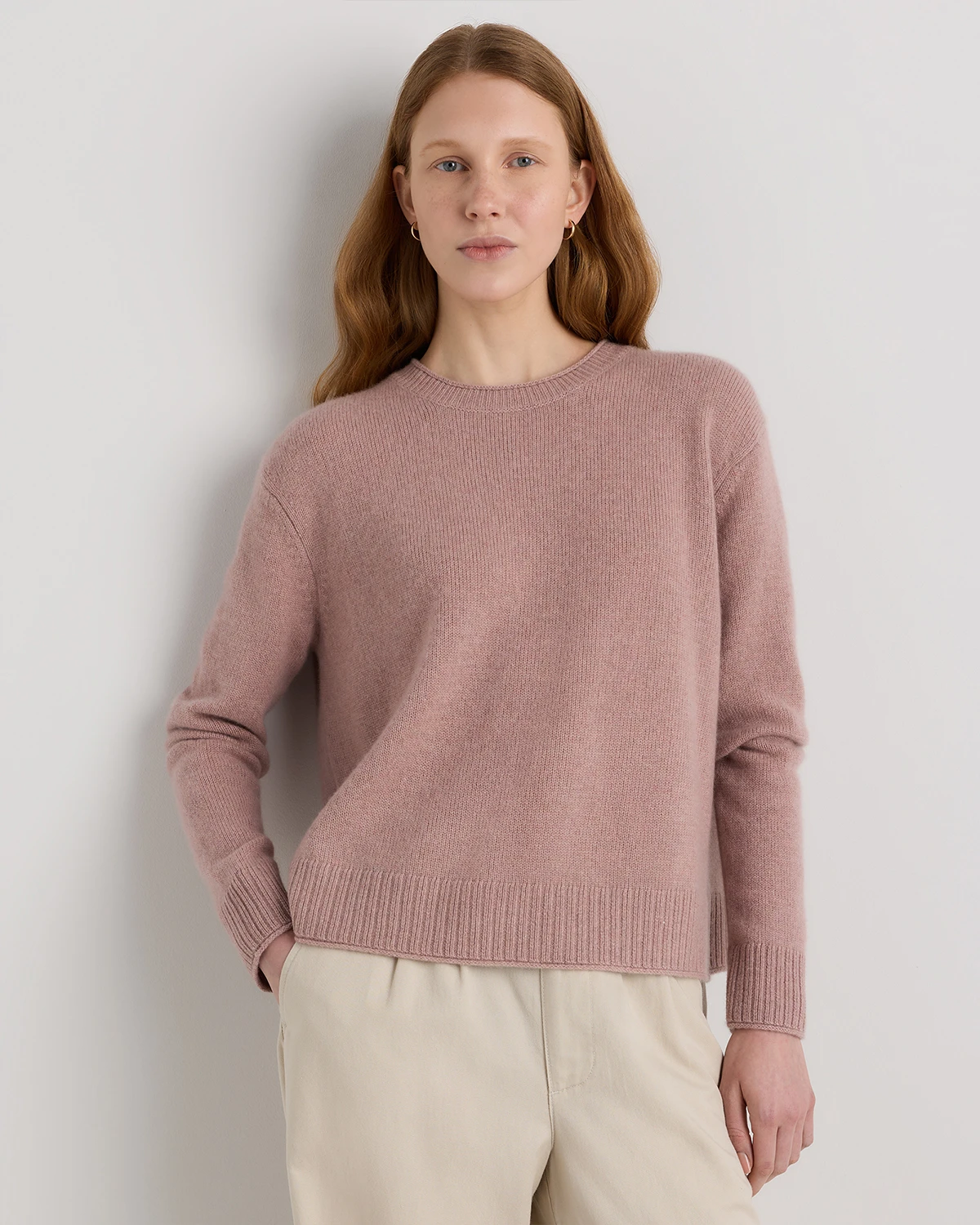
Mongolian Cashmere Boxy Crewneck Sweater (Heather Vintage Pink)
$87.00 | Soft blush cashmere under $90 makes the fine-gauge half of this pairing genuinely investment-grade.
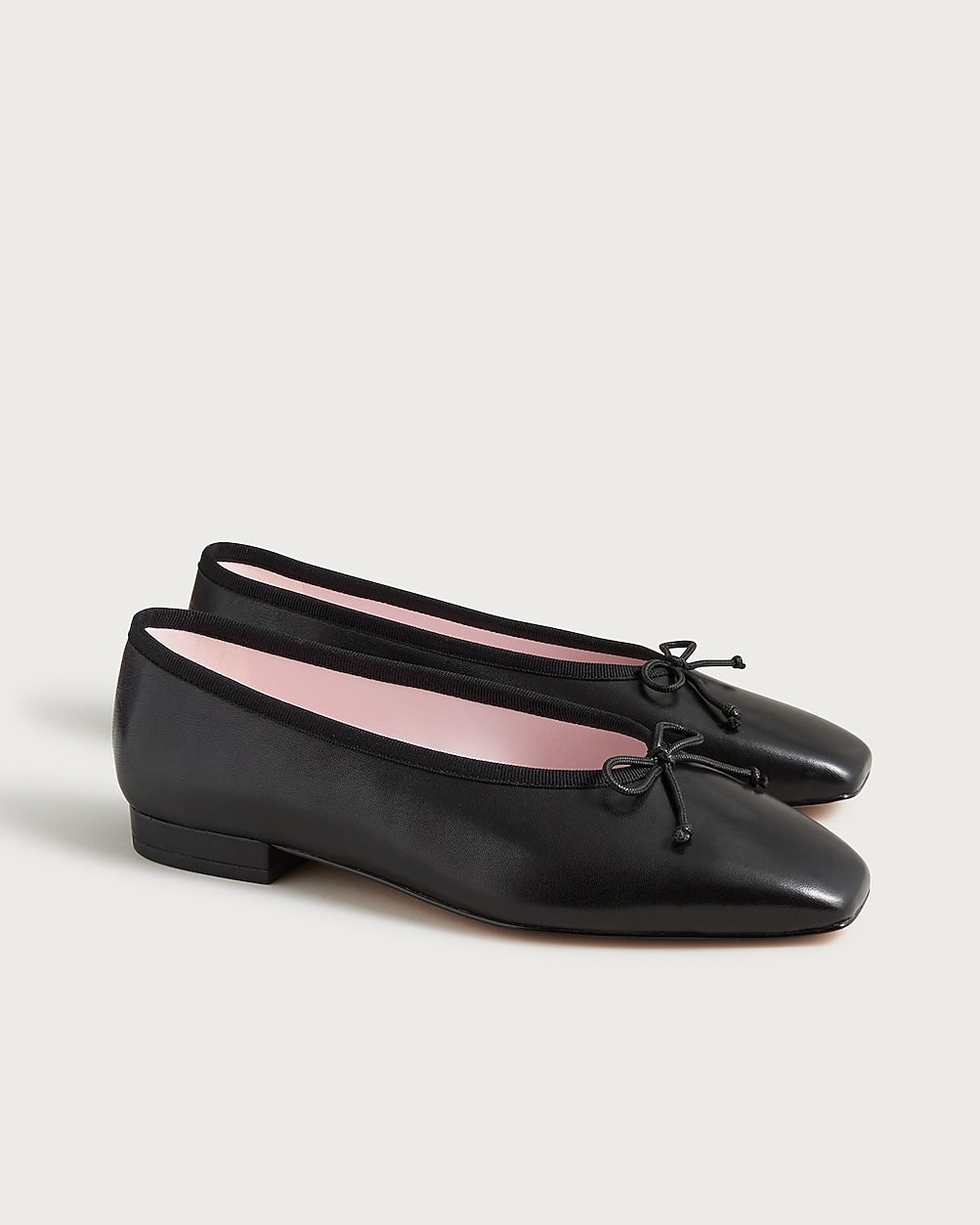
Sophie Ballet Flats in Leather (Black)
$148.00 | Full size run, real leather construction: these ballet flats earn the splurge over a fast-fashion copy.
Below-knee is the length that makes a ballet skirt look considered instead of costume-y, especially in a ribbed cashmere knit with real drape.
Tucking a boxy cashmere sweater loosely instead of cinching it lets the proportions stay soft, and blush against cream is the gentlest color pairing on this whole list.
This is the outfit I’d wear to brunch when I want to look put together without trying.
3. Cropped Bouclé Jacket, Fluid Trouser, and Block-Heel Mule
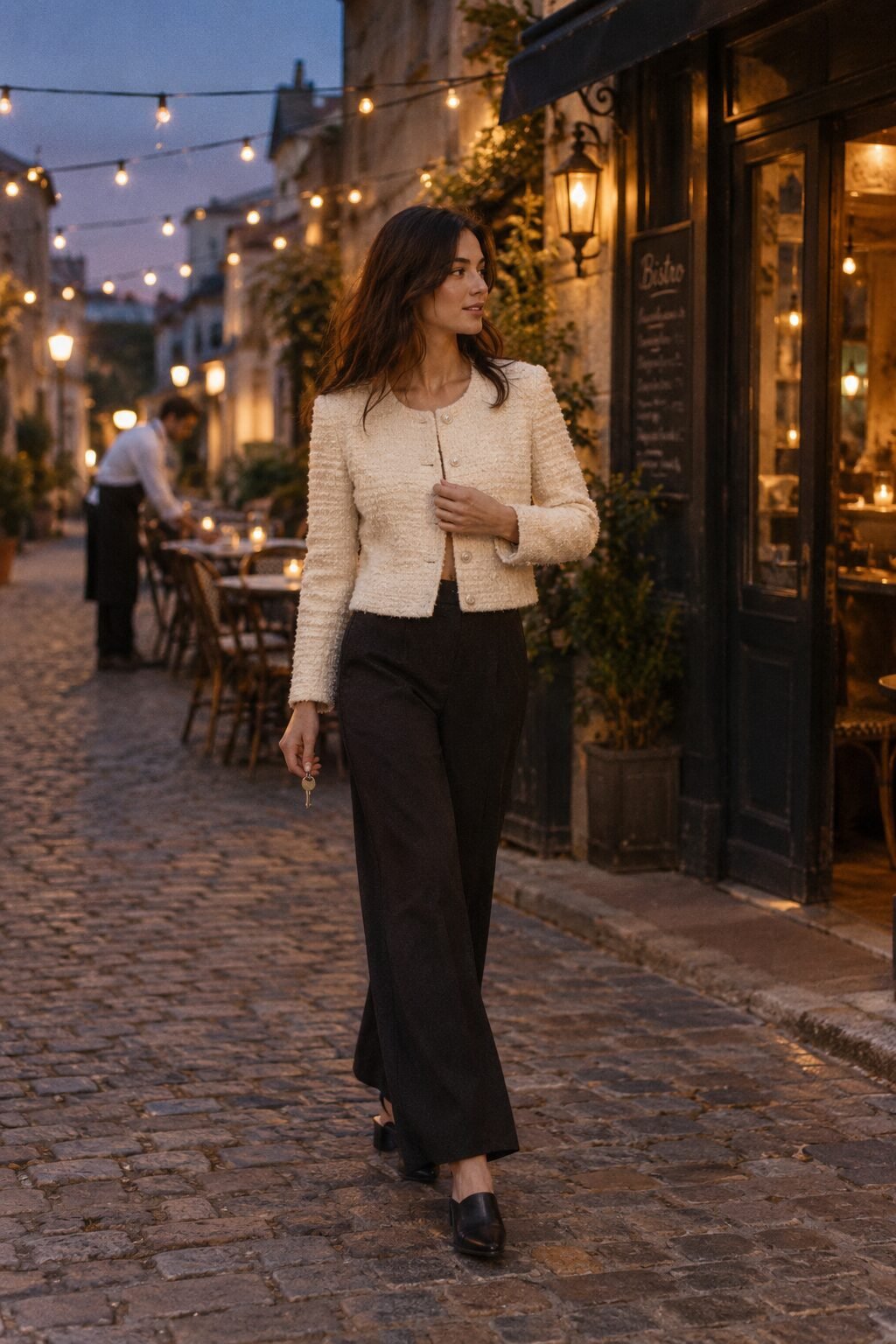
Shop the Look
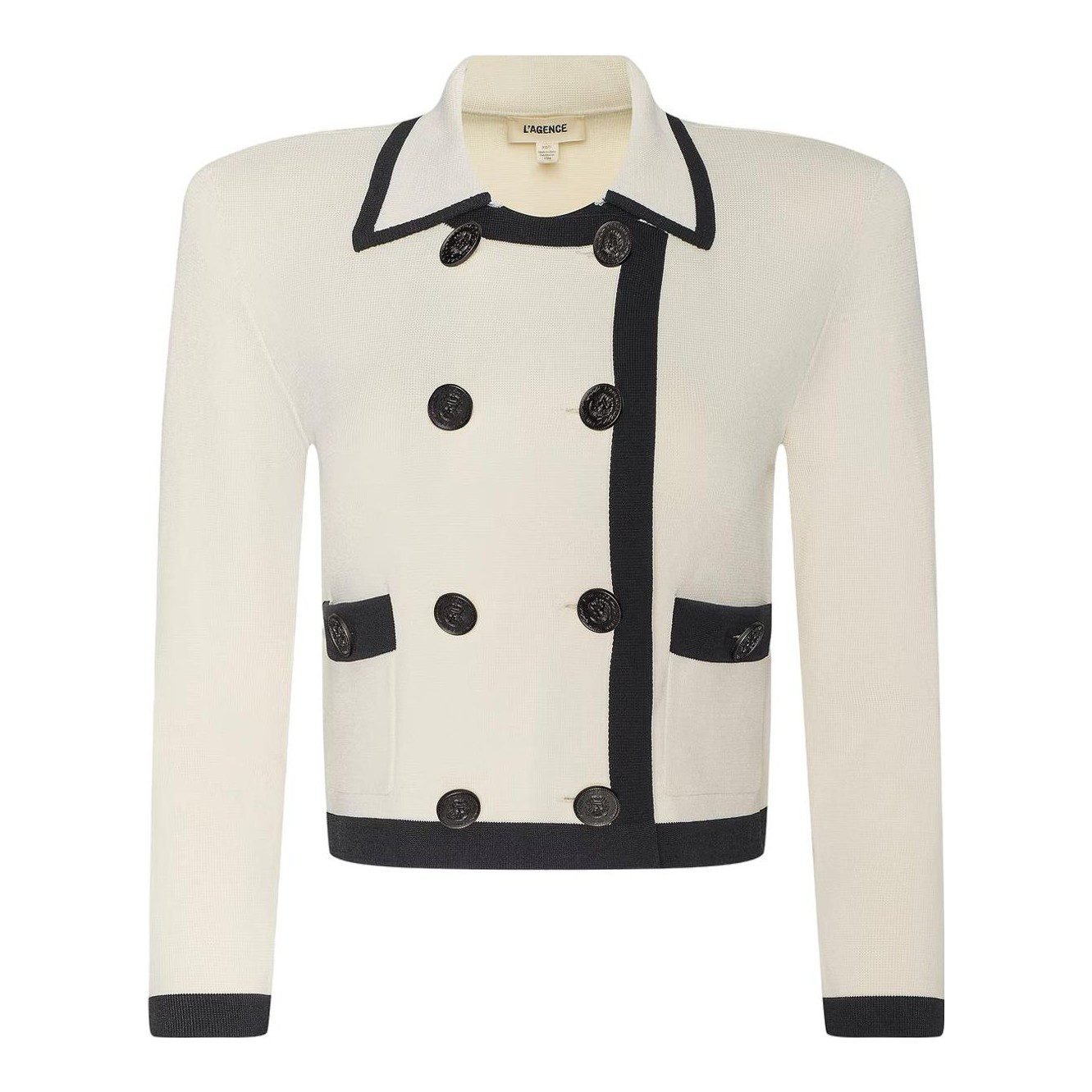
Janu Cropped Knit Jacket (Vintage White/Black)
$297.50 | Vintage-white bouclé here has real texture depth a printed knit copy never quite manages.
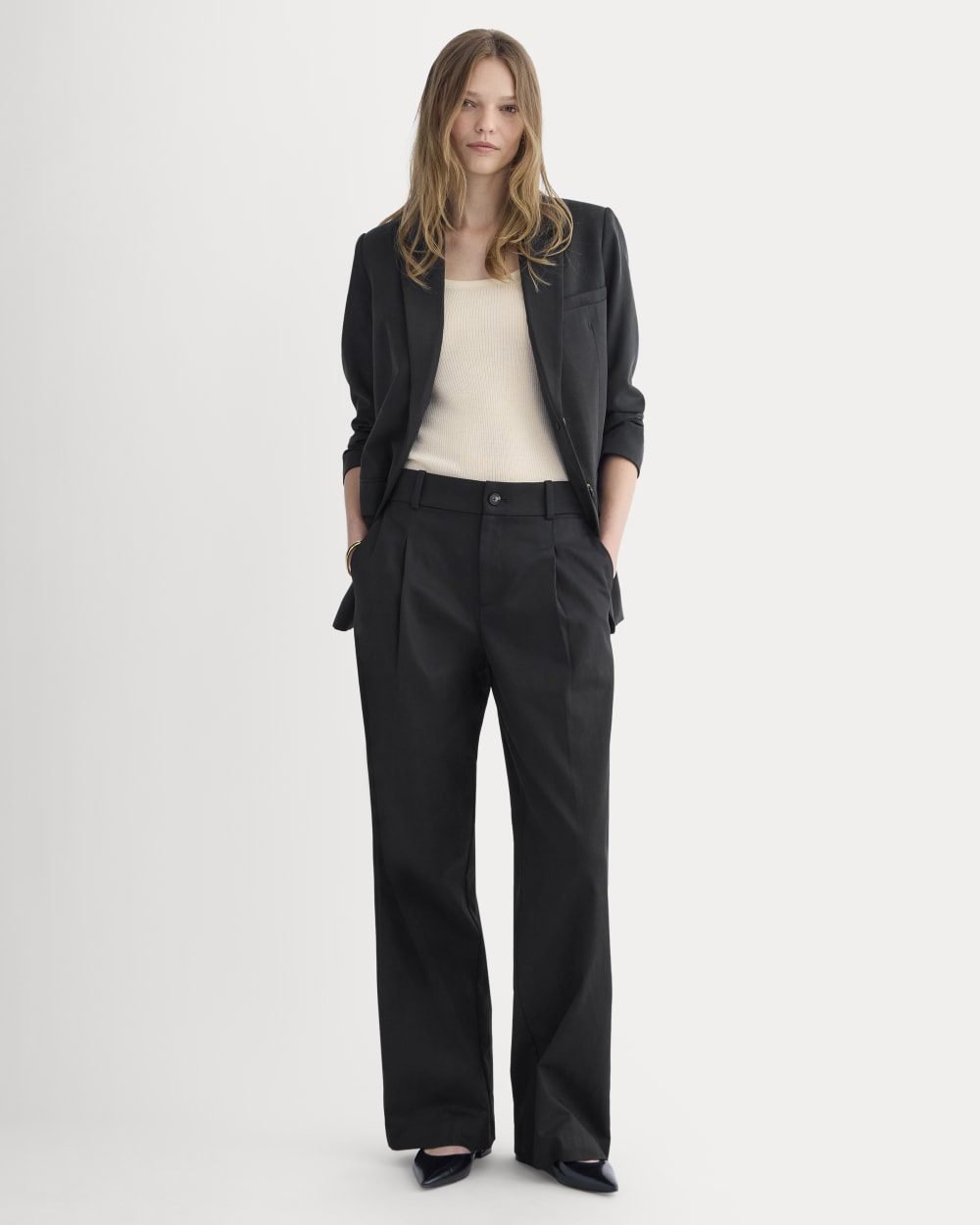
Wide-Leg Trouser in Buttersmooth (Black)
$168.00 | Buttersmooth fabric drapes like silk and skips the dry-cleaning bill entirely.
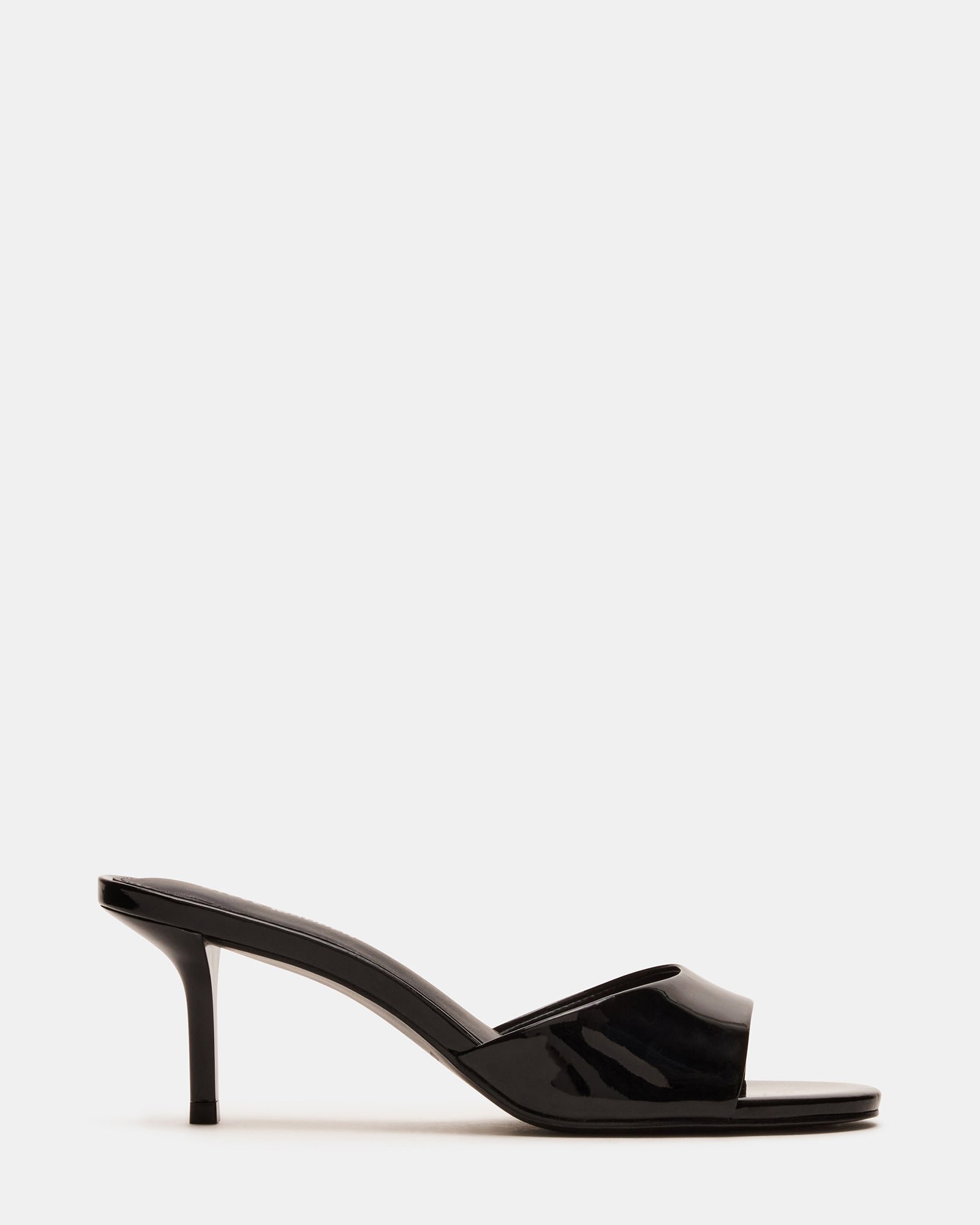
Kendrix Leather Heels (Black Leather Mule)
$109.95 | Under $110, this leather block-heel mule finishes the look without a designer heel’s price tag.
Texture is doing the heavy lifting in this one, and a cropped bouclé jacket reads expensive the second it catches the light.
Buttersmooth fabric trousers stand in for silk with a fluid drape but skip the dry-cleaning bill, which matters when you’re wearing this to dinner more than once a month.
Cream against black is a pairing I’ll defend as more elegant than any all-black outfit.
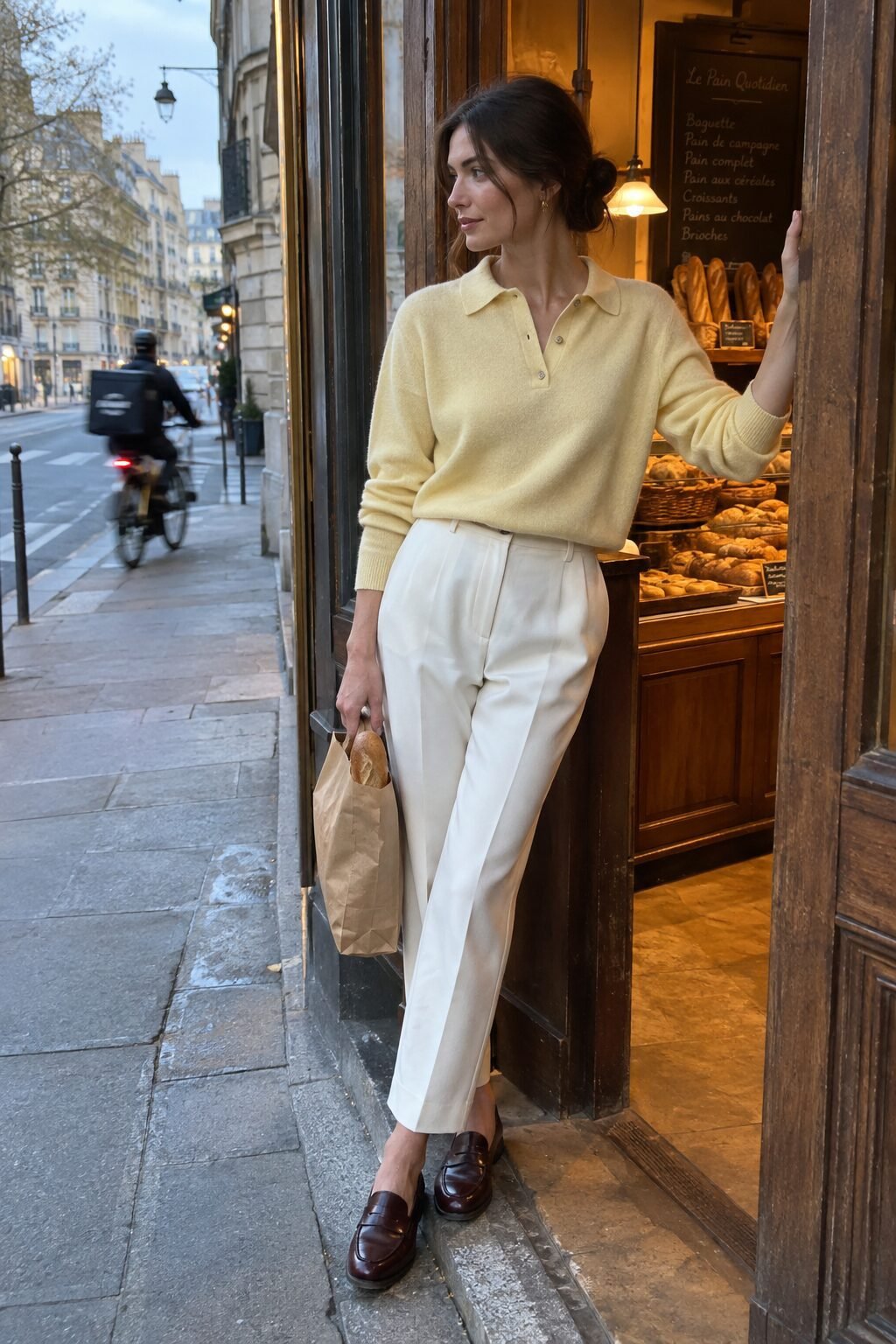
4. Butter-Yellow Cashmere, Ivory Trouser, and Spazzolato Loafer
Shop the Look
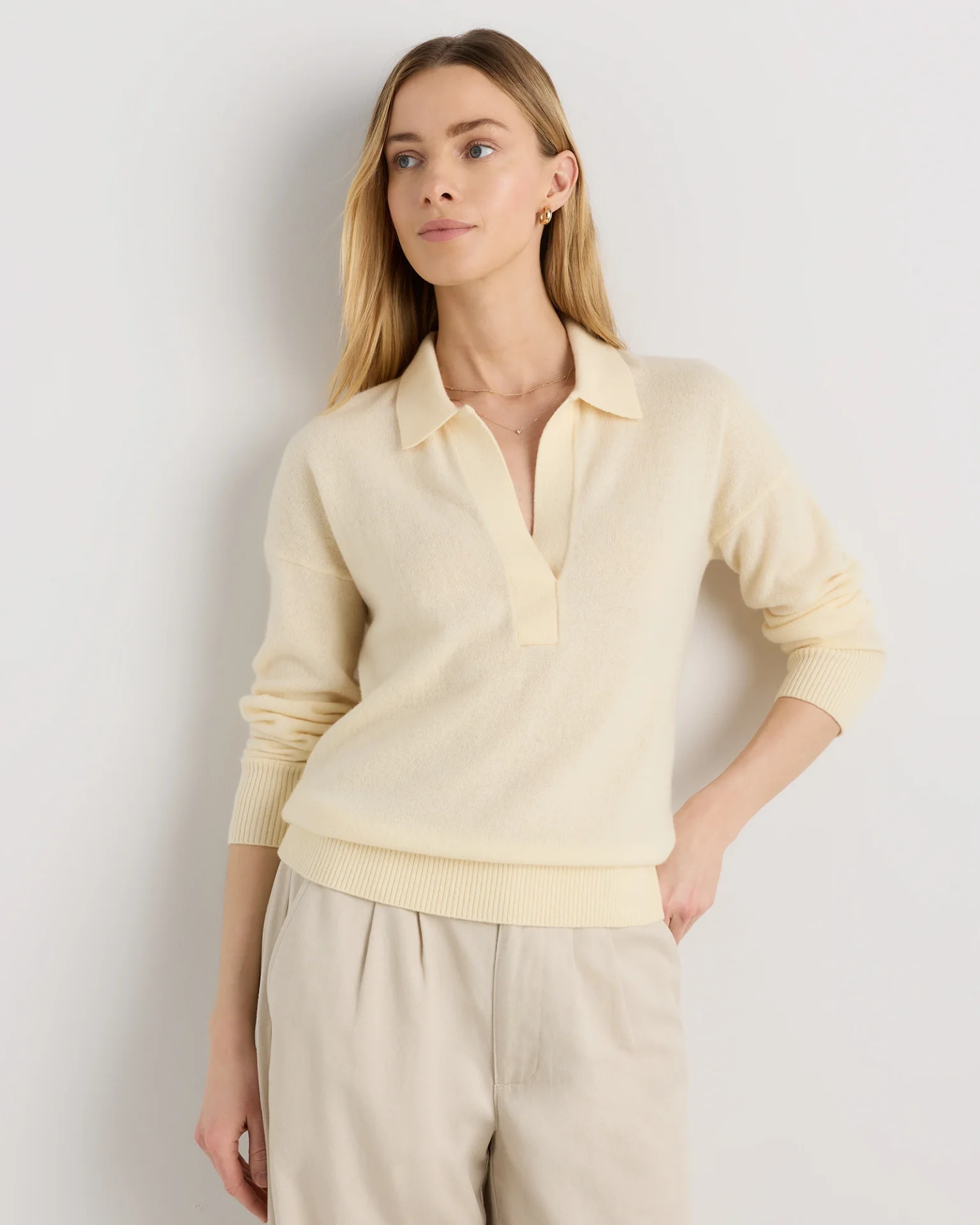
Mongolian Cashmere Polo Sweater (Pale Custard Yellow)
$79.90 | A genuine butter-yellow in 100% cashmere for under $80 is rare; most trend-color knits this season are synthetic.
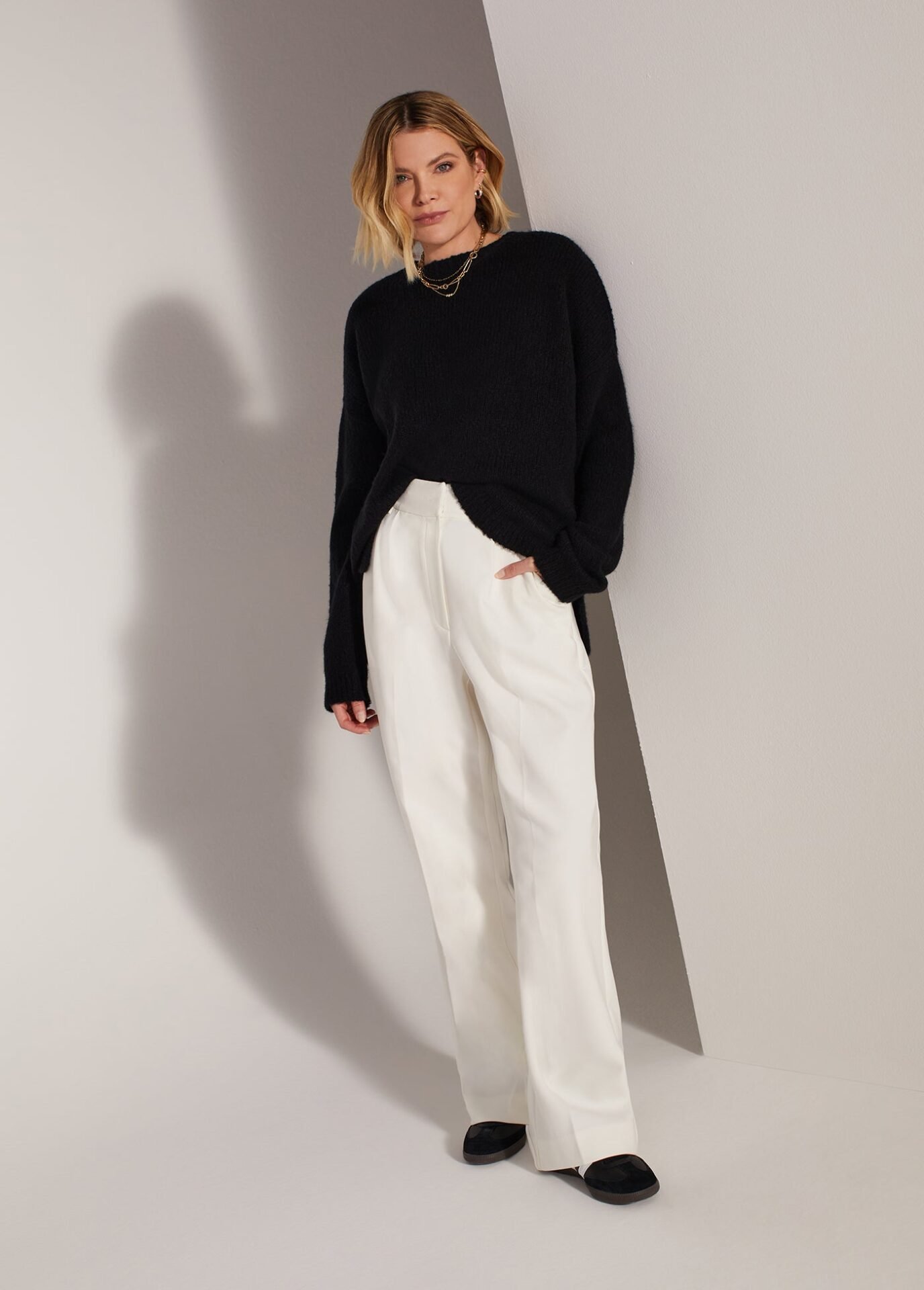
The Petite Favorite Pant (Ivory)
$218.00 | Ivory here stays soft against the yellow instead of competing with it.
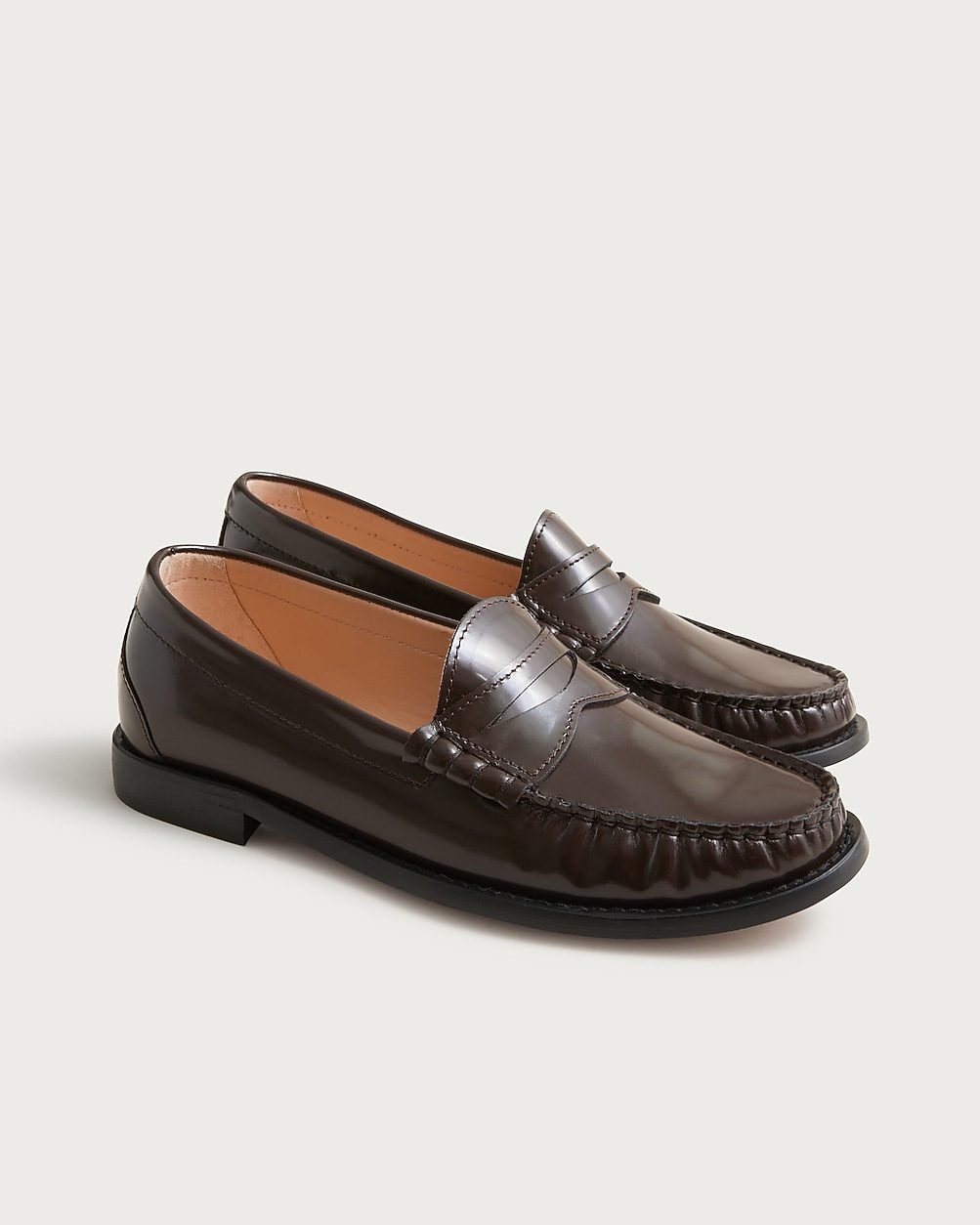
New Winona Penny Loafers in Italian Spazzolato Leather (Cocoa Berry)
$118.80 | Italian spazzolato leather gives these loafers a real leather-goods finish most fast-fashion versions can’t touch.
Butter yellow is the one 2027 color I’d actually commit to in real cashmere, not a cheap acrylic knit that pills within a month.
Ivory trousers keep the whole outfit soft rather than punchy, and a cocoa-berry loafer grounds it in something you’d actually wear to run errands.
This is proof a trend color can still be a genuine fiber investment.
5. Sweater Vest, Poplin Shirt, and Wide-Leg Trouser

Shop the Look
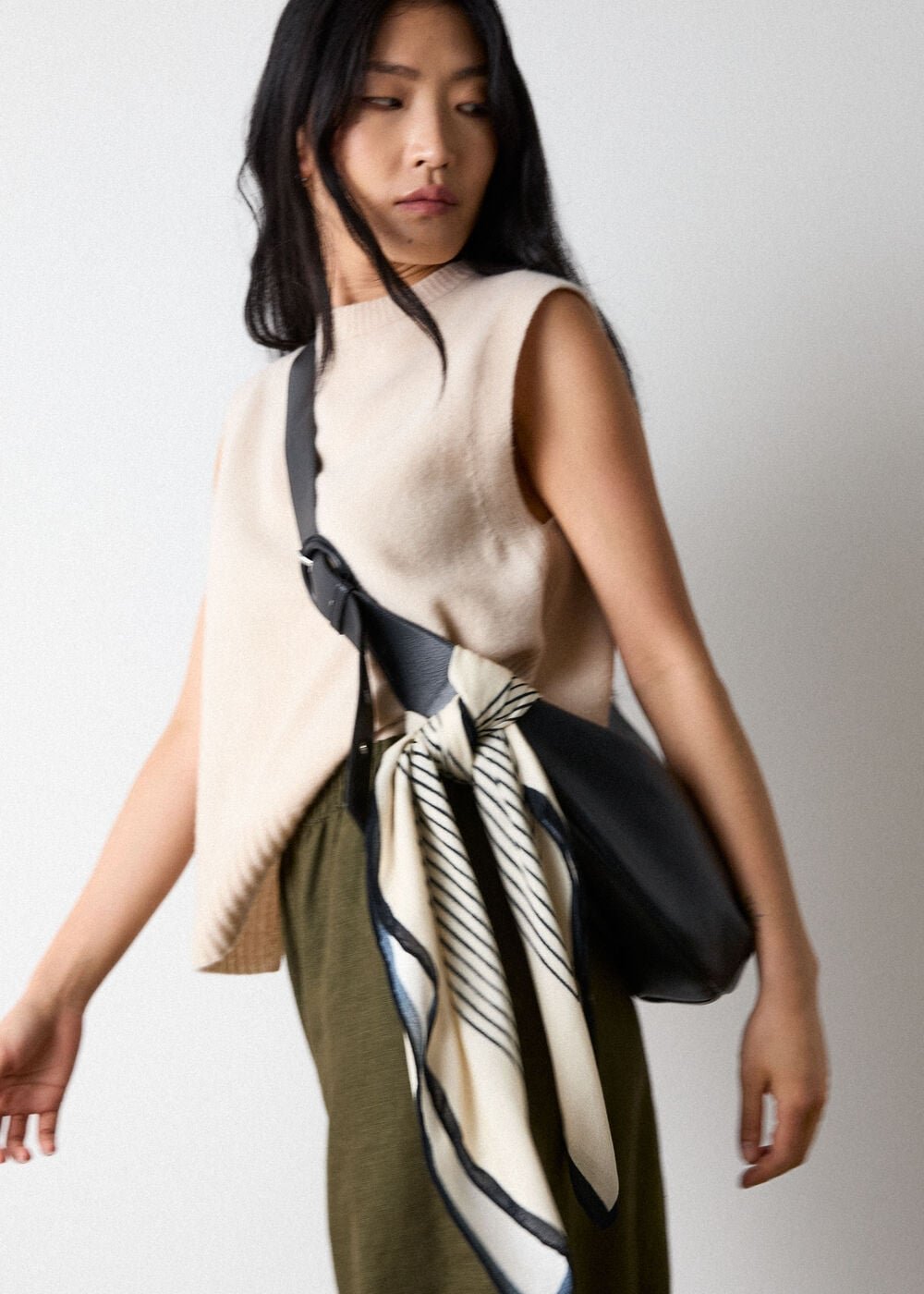
Wool Sleeveless Sweater Vest (Ivory)
$134.25 | Wool sleeveless construction gives this vest real texture instead of a flat knit look.
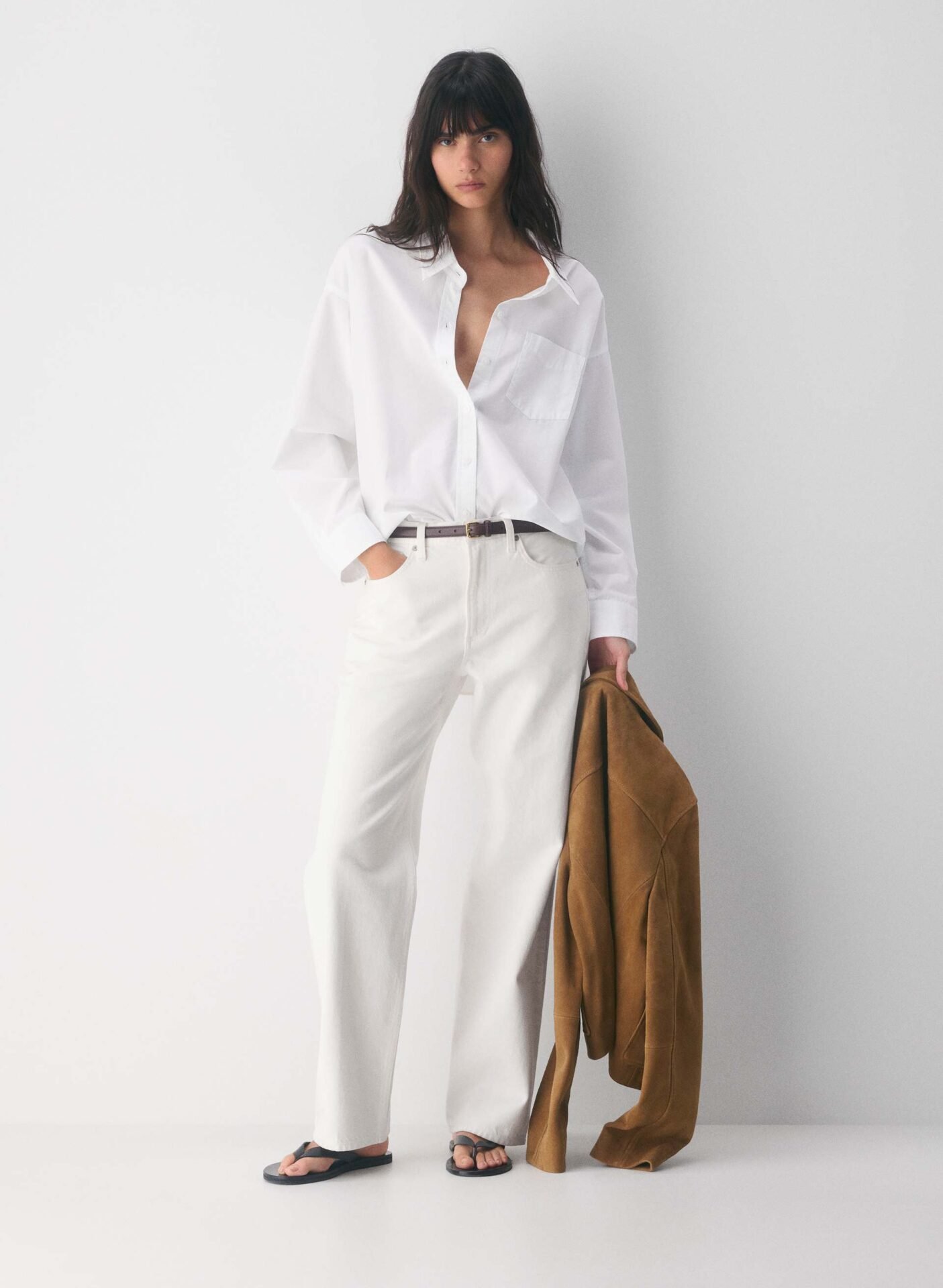
Wilfred Reminisce Relaxed Poplin Shirt (Bright White)
$98.00 | Genuine cotton poplin under the vest brings real structured-shirting hand for well under $100.
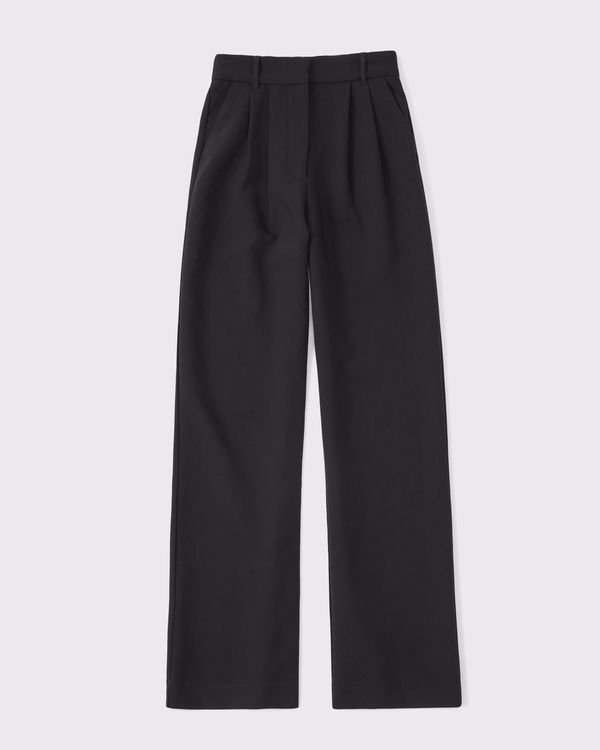
A&F Sloane Tailored Wide Leg Pant (Black)
$90.00 | Tailored wide-leg cut, full size range: this trouser anchors the look at a fraction of core-tier pricing.
Layering a chunky vest over a crisp collared shirt is the easiest way to make office-casual look deliberate instead of thrown-on.
Oatmeal and white keep the palette quiet, and a wide-leg black trouser underneath adds the one sharp line the whole outfit needs.
I’d wear this on the days I have back-to-back meetings and zero time to overthink getting dressed.
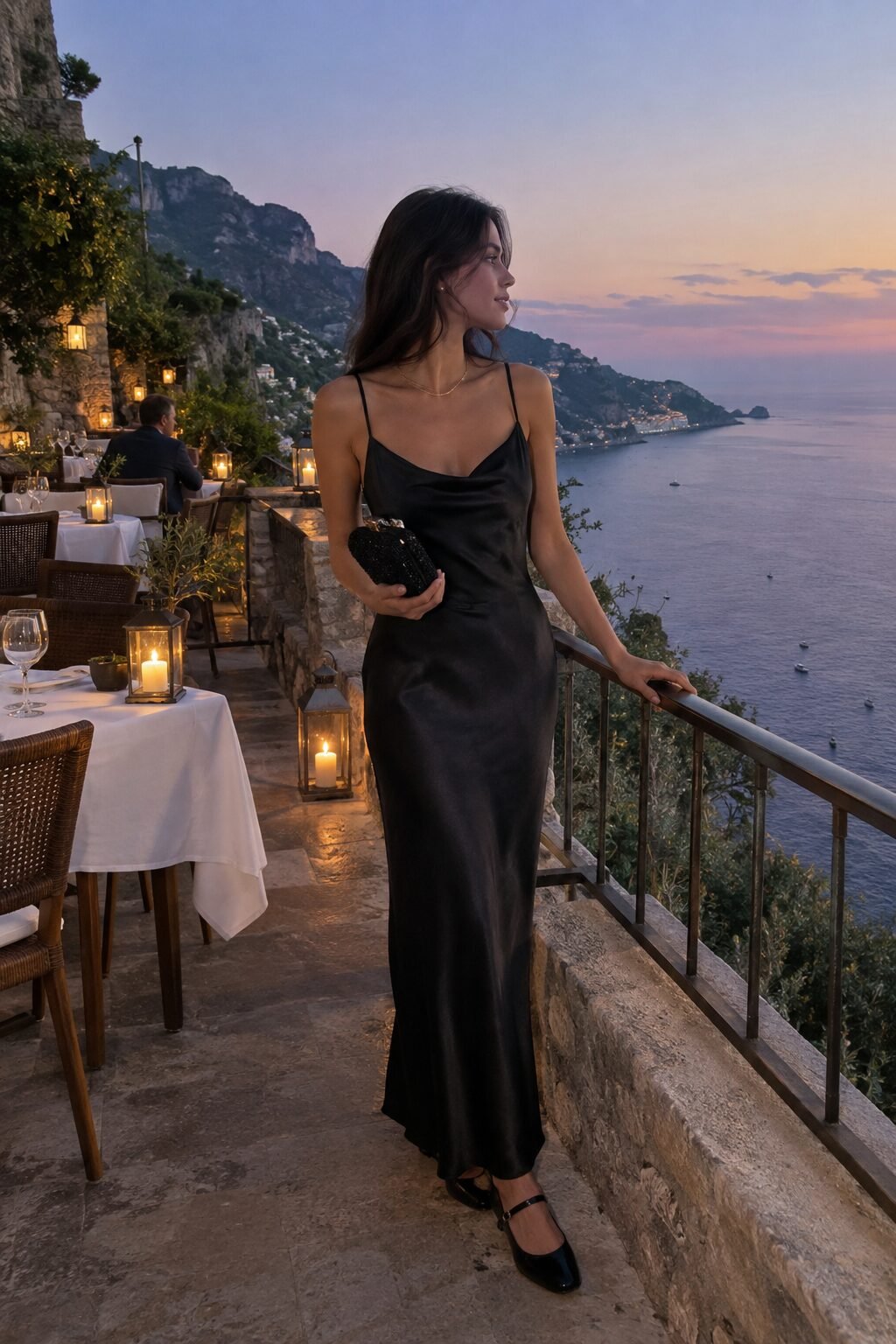
6. Silk Column Dress, Mary Janes, and a Gold Chain Necklace
Shop the Look
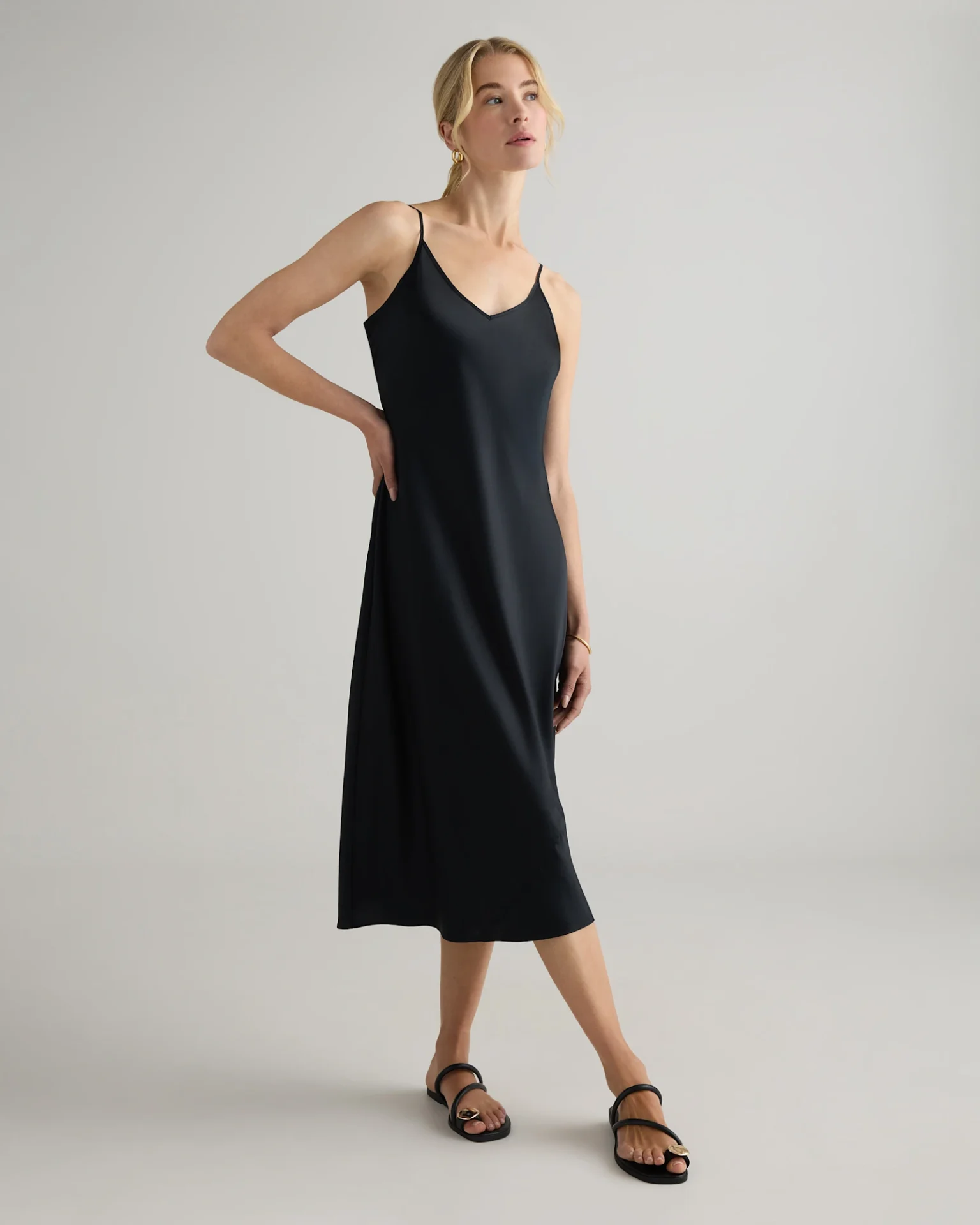
100% Washable Silk Slip Dress (Black)
$89.90 | Mulberry silk in a column silhouette for under $90 is a real silk investment at a fast-fashion price.
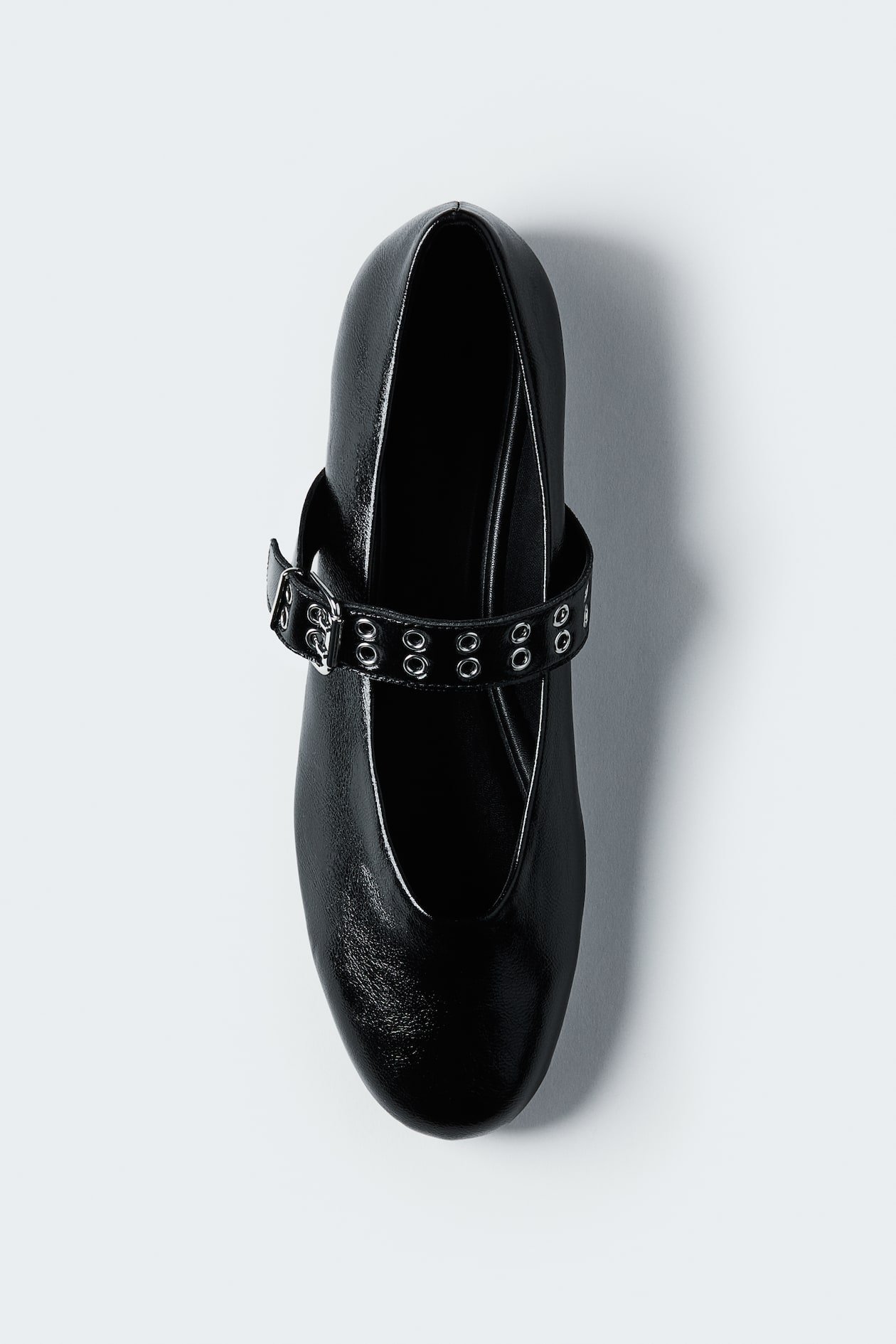
Mary Jane Flats (Black)
$39.99 | Under $40, a classic black Mary Jane finishes the dress without a designer shoe budget.
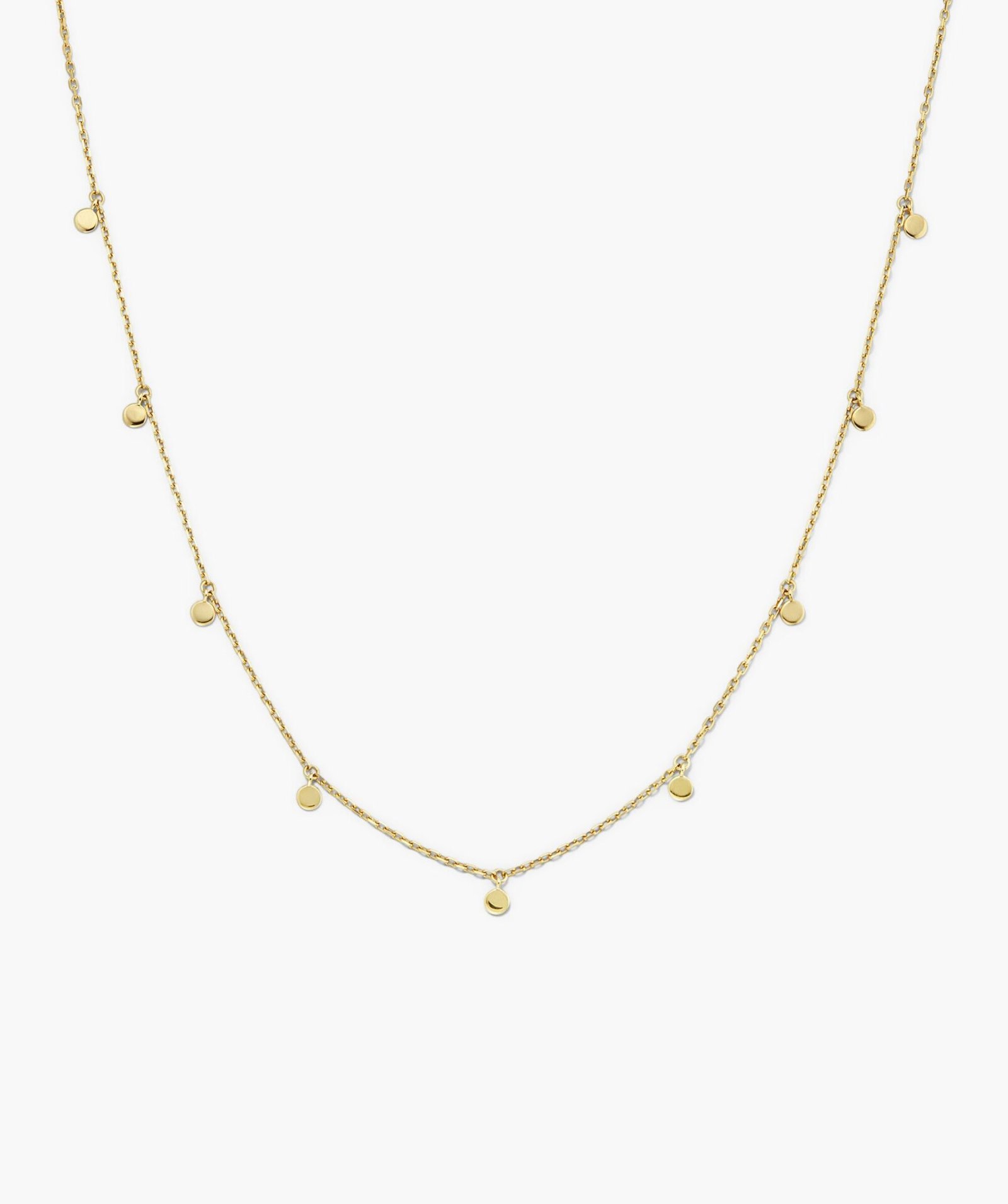
Dot Chain Necklace (18k Gold Vermeil)
$178.00 | 18k gold vermeil adds just enough shine without competing with the dress.
Nothing on this list does more for an evening look than a bias-cut silk slip in black, and it costs less than most cocktail dresses at the mall.
Mary Janes keep the shoe choice classic instead of trendy, and a simple gold chain is the only accessory this dress actually needs.
Sometimes the most expensive-looking outfit is also the simplest one.
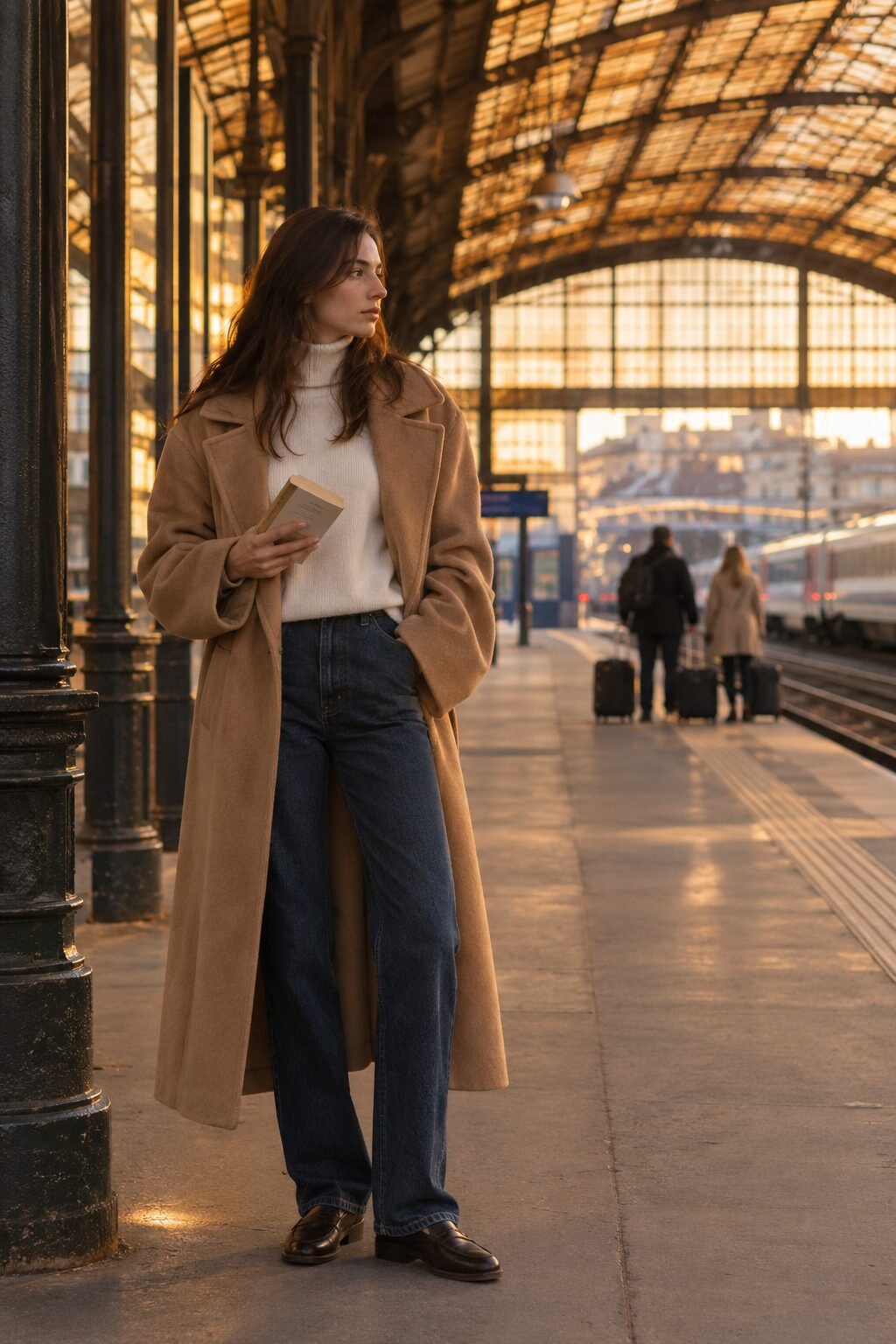
7. Oversized Camel Coat, Cashmere Turtleneck, and Straight Denim
Shop the Look
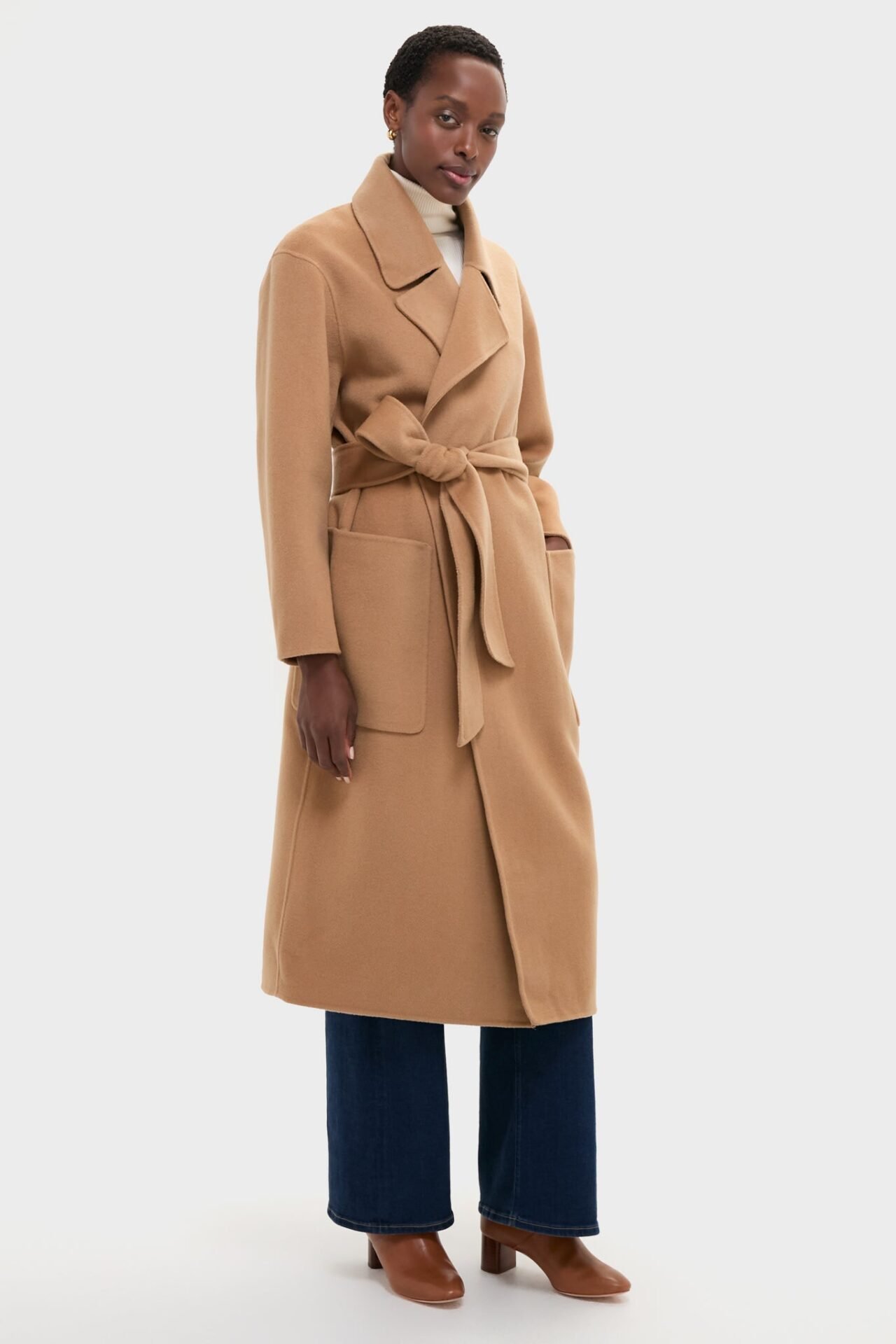
Camel Wool Trinity Coat (Tan)
$269.00 | Full size range in stock and a genuine wool blend make this coat worth the splurge over a synthetic knockoff.
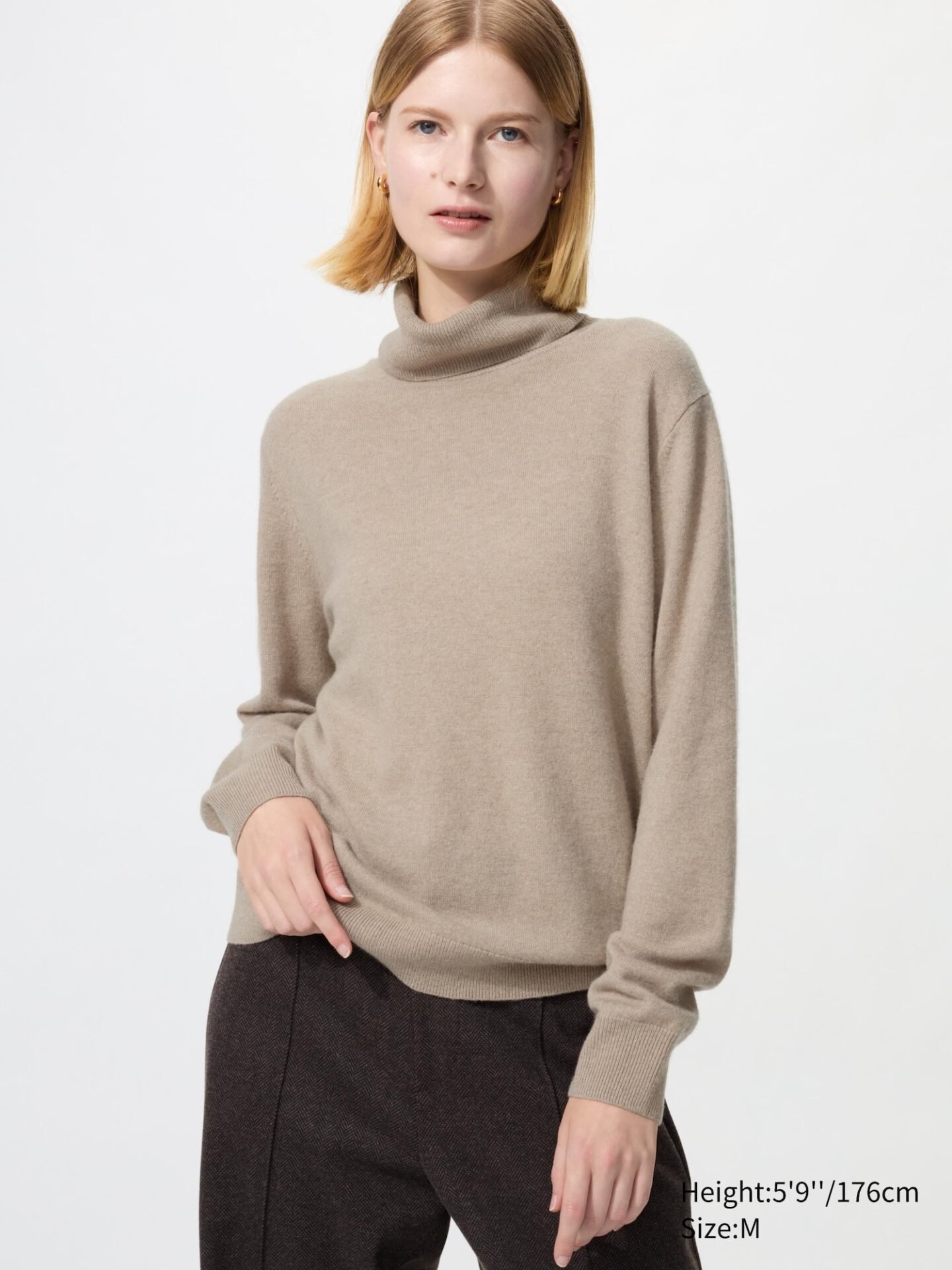
Cashmere Sweater | Turtleneck (Off White)
$99.90 | 100% cashmere under $100 is genuinely rare, and this one holds up to daily wear.
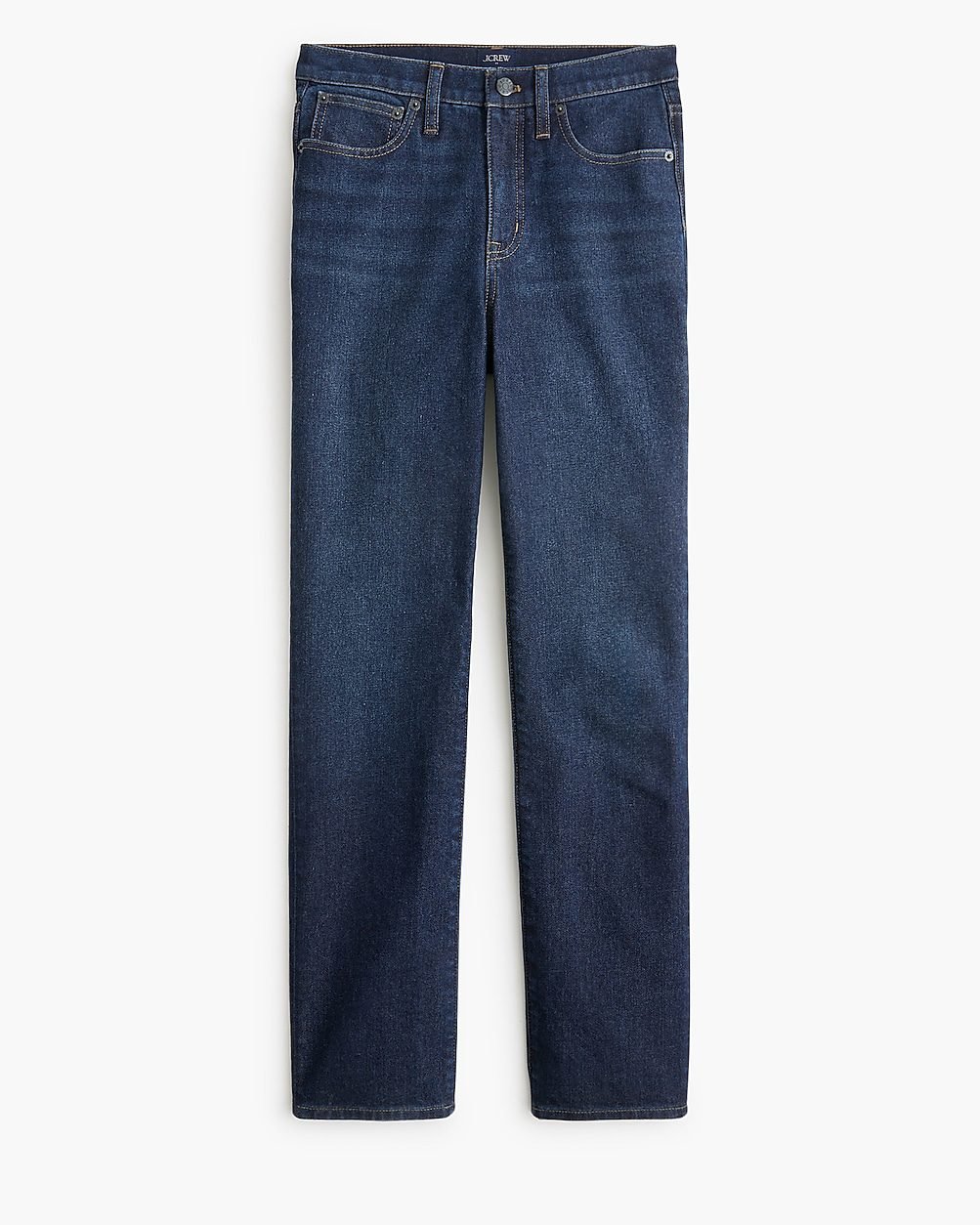
Essential Straight Jean in All-Day Stretch (Dark Indigo Wash)
$64.00 | Dark-indigo straight denim with real stretch anchors the coat without competing for attention.
An exaggerated, oversized coat is the trend I’d actually spend real money on, since a coat this size gets worn through five months of the year.
Camel over indigo denim is a pairing that never looks dated, and a cashmere turtleneck underneath keeps the whole thing from reading sloppy.
This coat alone is worth building the rest of a fall wardrobe around.
Want the formula behind outfits like these?
The Timeless Wardrobe Blueprint: a 28-page workbook for women. $19.00
See the Blueprint8. Silk Slip Dress Layered Under an Oversized Blazer
Shop the Look
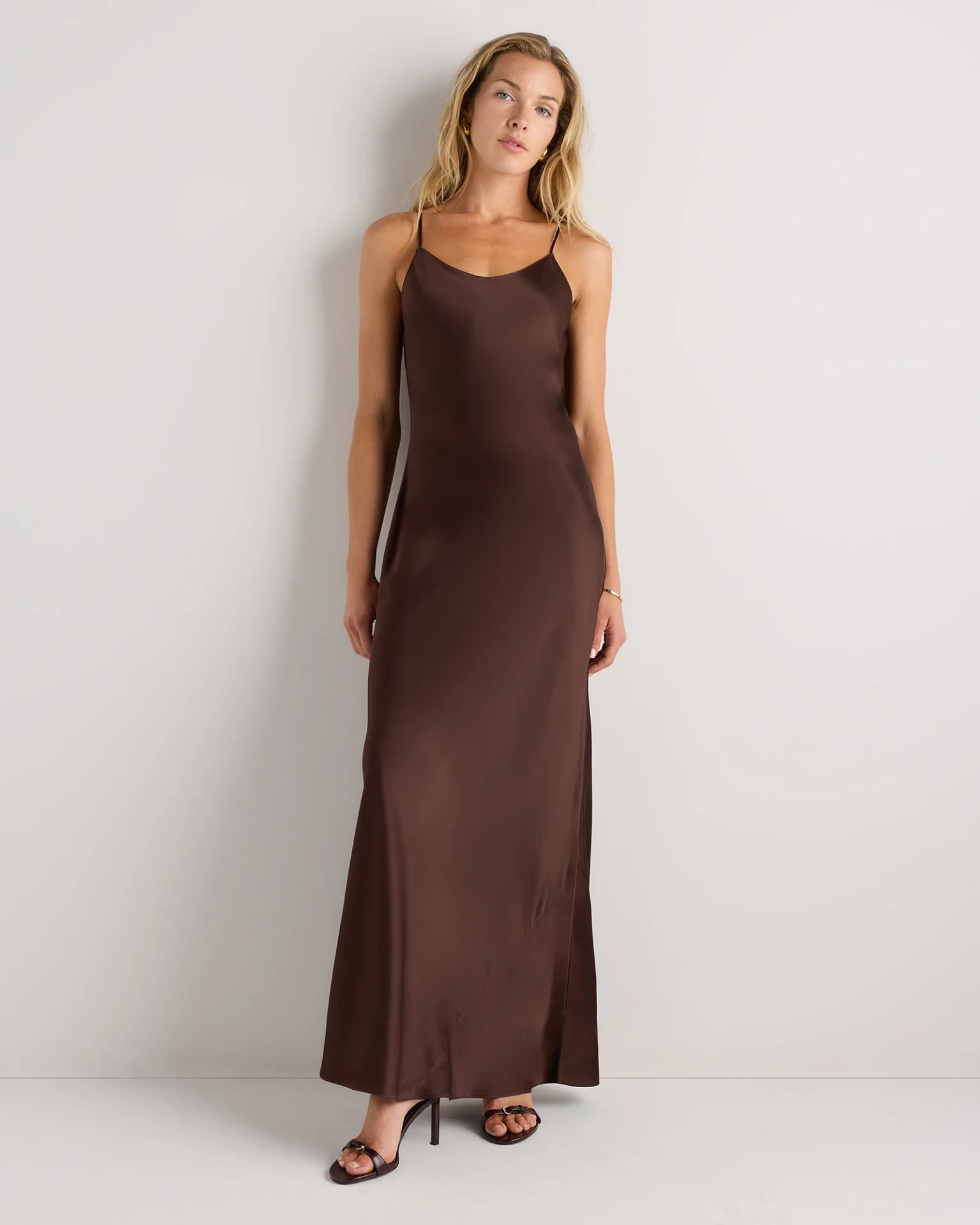
100% Washable Silk Maxi Slip Dress (Hot Fudge)
$109.90 | Deep espresso mulberry silk under $110 is a genuine silk investment at a fraction of designer pricing.
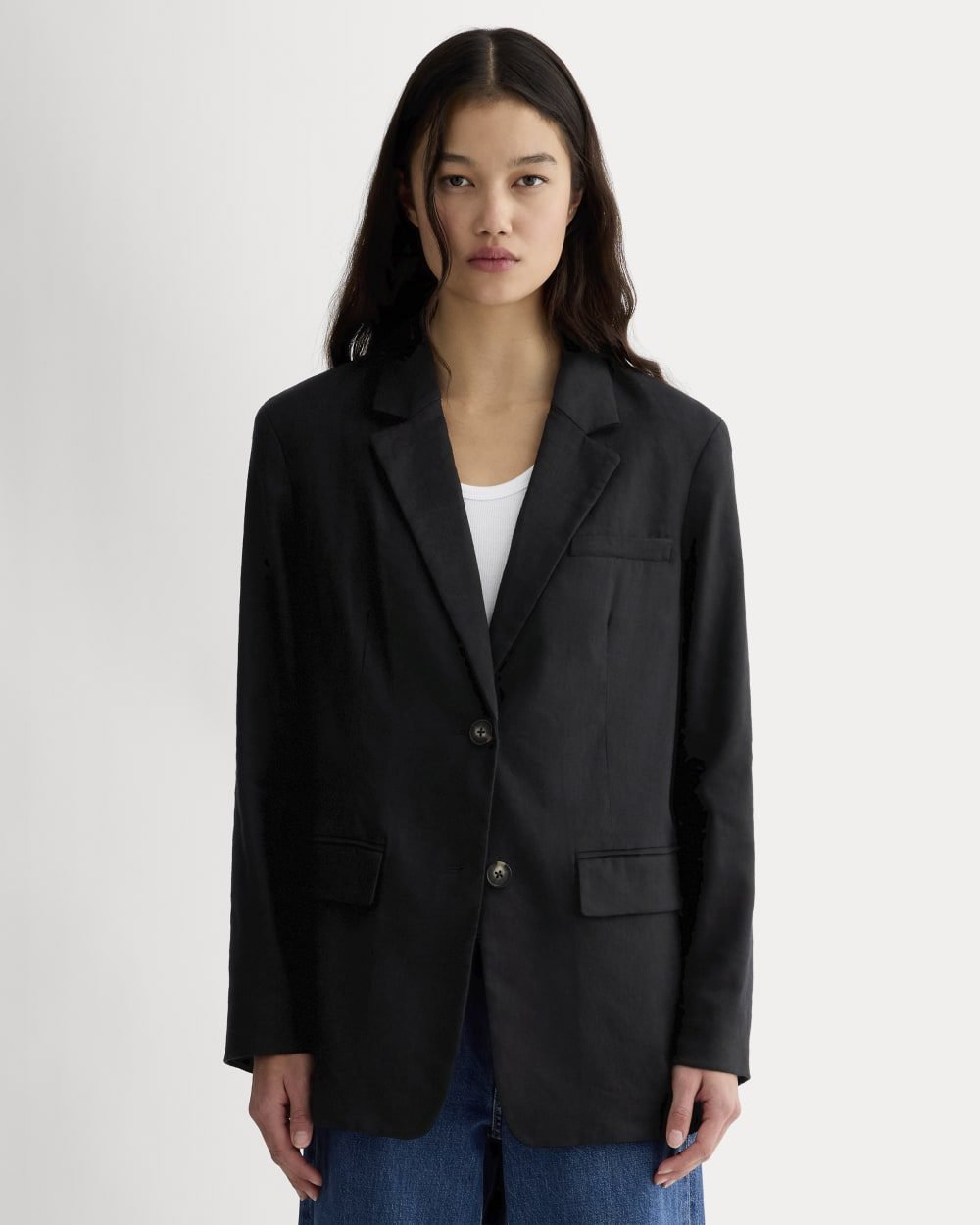
The Oversized Blazer in Buttersmooth (Black)
$235.00 | The oversized Buttersmooth cut layers cleanly over the slip dress without adding bulk.
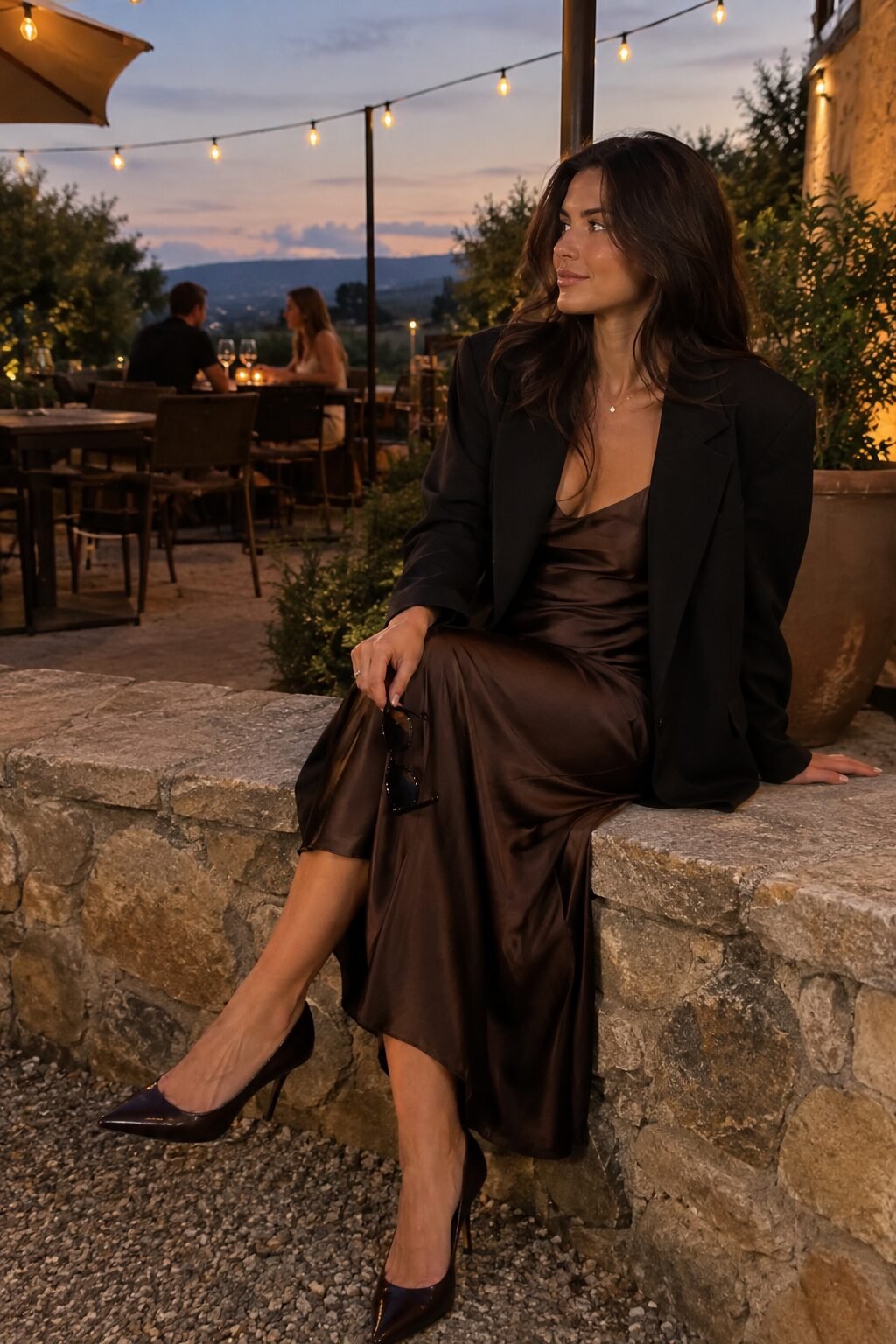
A sharply oversized blazer over a slip dress is the fastest way to turn loungewear-adjacent silk into a real going-out look.
Espresso brown keeps both pieces feeling cohesive instead of clashing, and the oversized cut on the blazer is doing most of the elevated work here.
Two pieces, one silhouette shift, and the whole outfit reads finished.
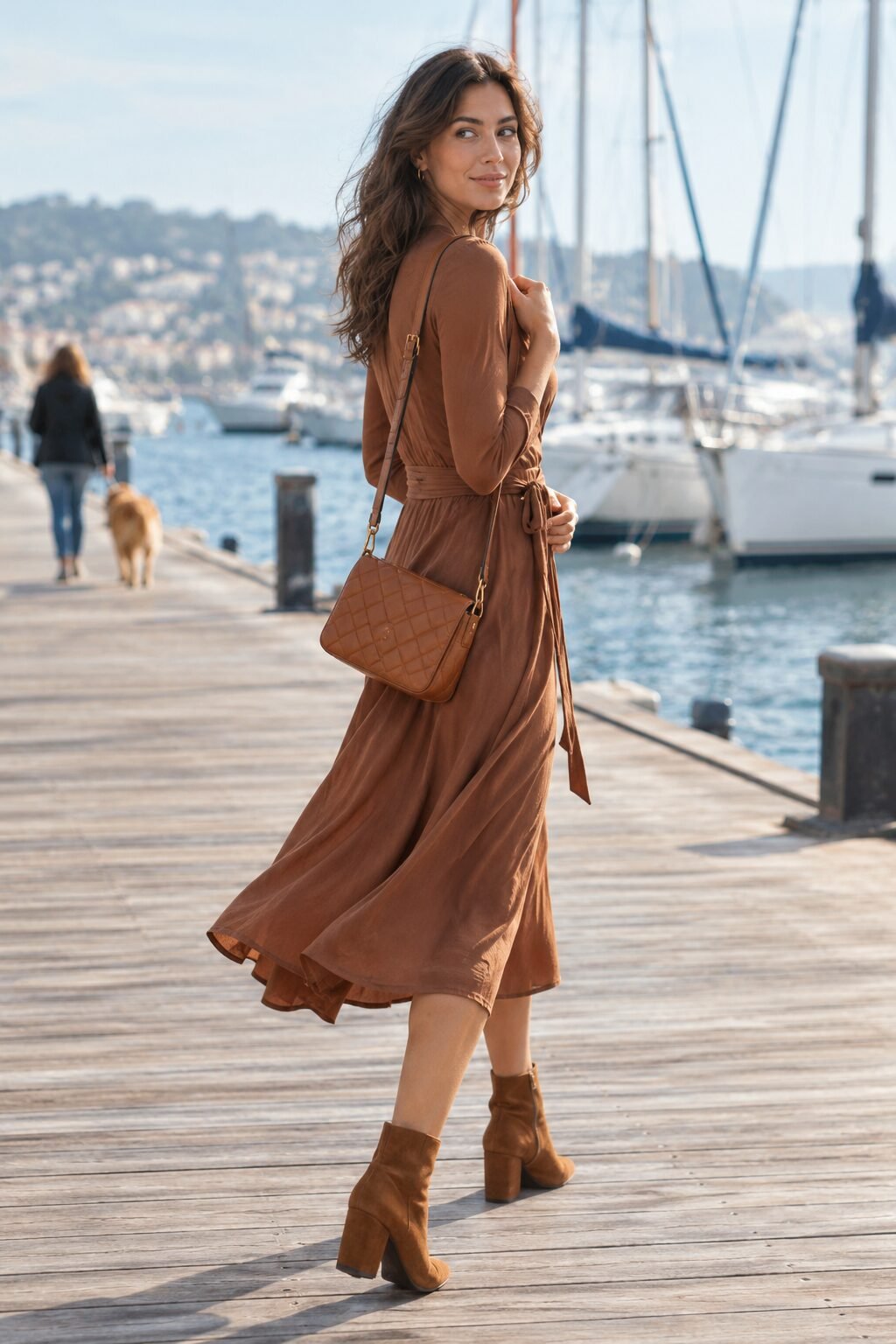
9. Wrap Dress, Suede Ankle Boots, and a Cognac Crossbody
Shop the Look
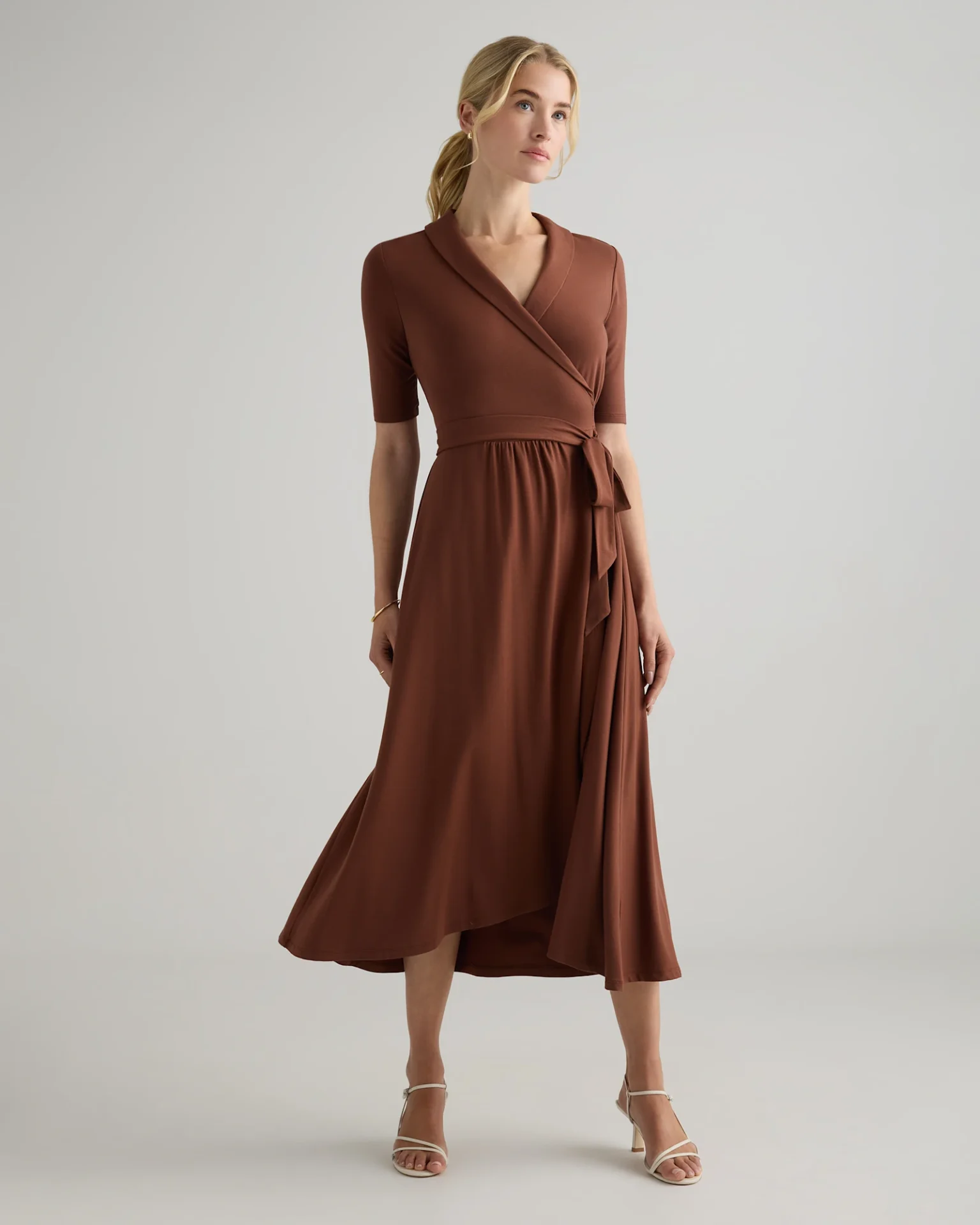
Tencel Jersey Midi Wrap Dress (Brown)
$59.90 | Warm cognac tone gives this wrap dress real wear-everywhere versatility for under $60.
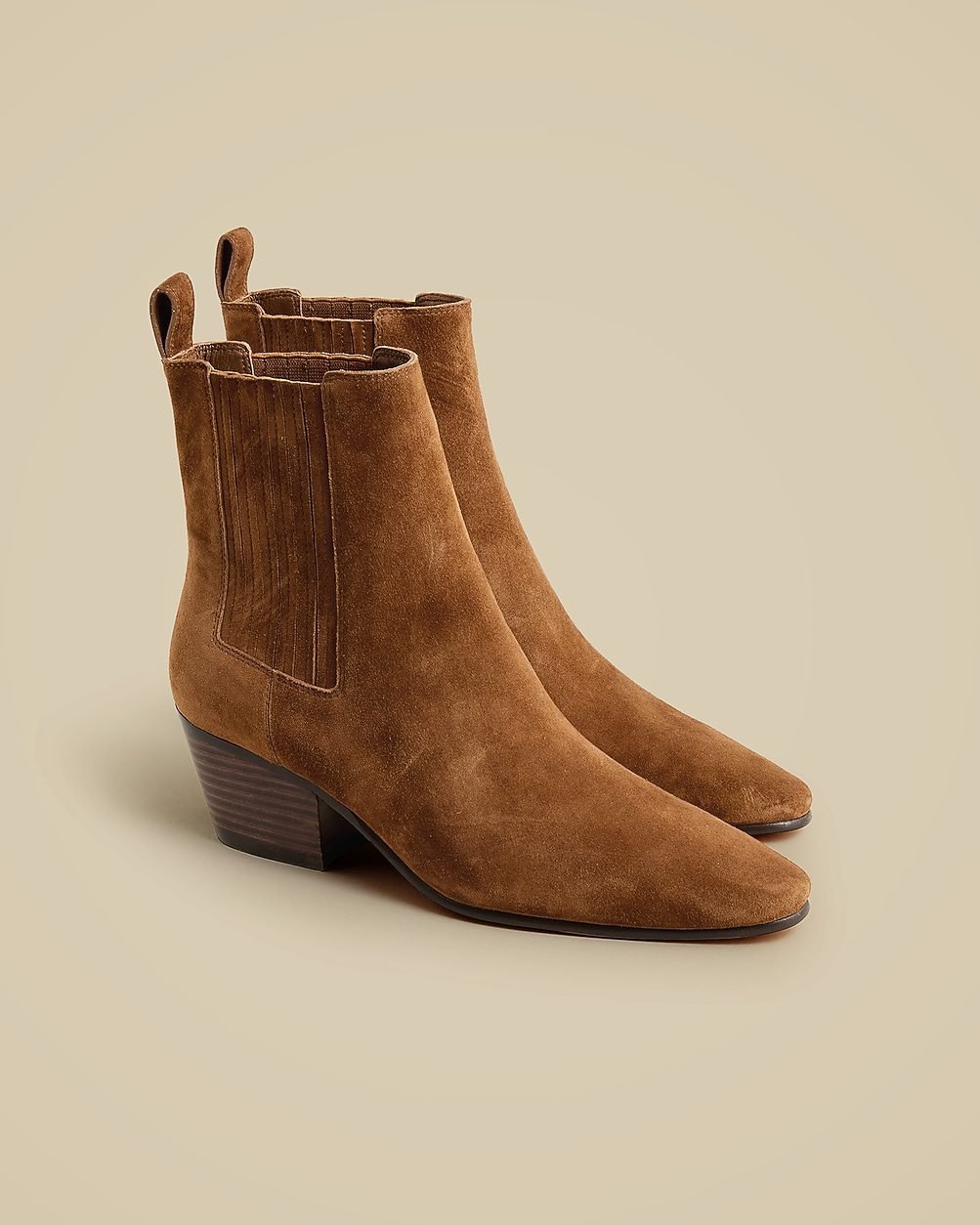
Piper Ankle Boots in Suede (Rich Toffee)
$282.00 | Rich toffee suede gives the transitional-weather half of this look its texture.
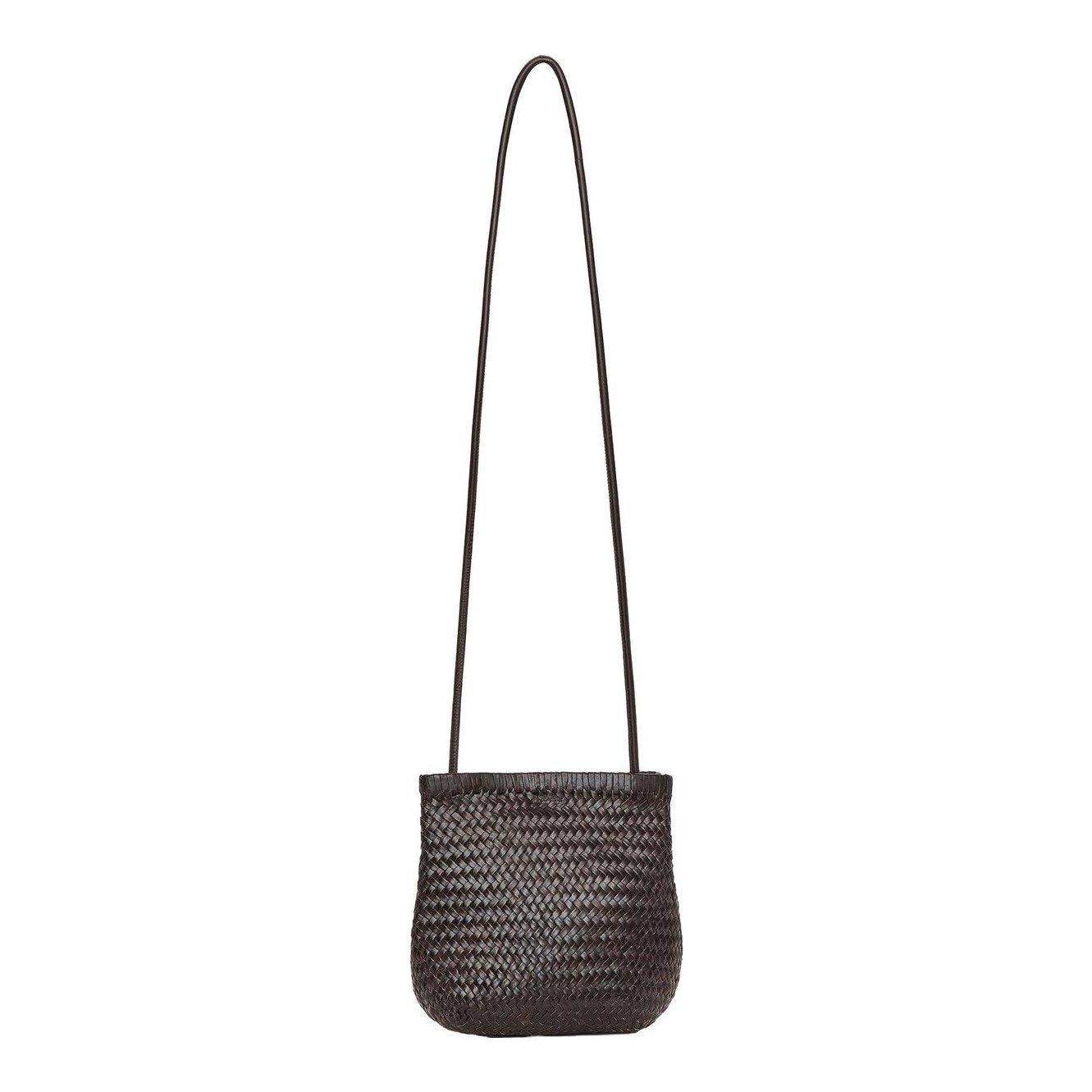
Gemma Quilted Crossbody (Cognac)
$134.00 | Quilted Italian leather in cognac ties the whole rust palette together for under $135.
Cognac is the color that makes a wrap dress read expensive here, and the tie waist adjusts to however you’re actually sitting that day.
Suede ankle boots in rich toffee keep the fall palette warm, and a quilted cognac bag pulls the rust-and-cognac color story together without needing a statement belt at all.
Sometimes the accessory you can’t find is the accessory you don’t actually need.
10. Cropped Cardigan and Linen Midi Skirt, Styled as a Set
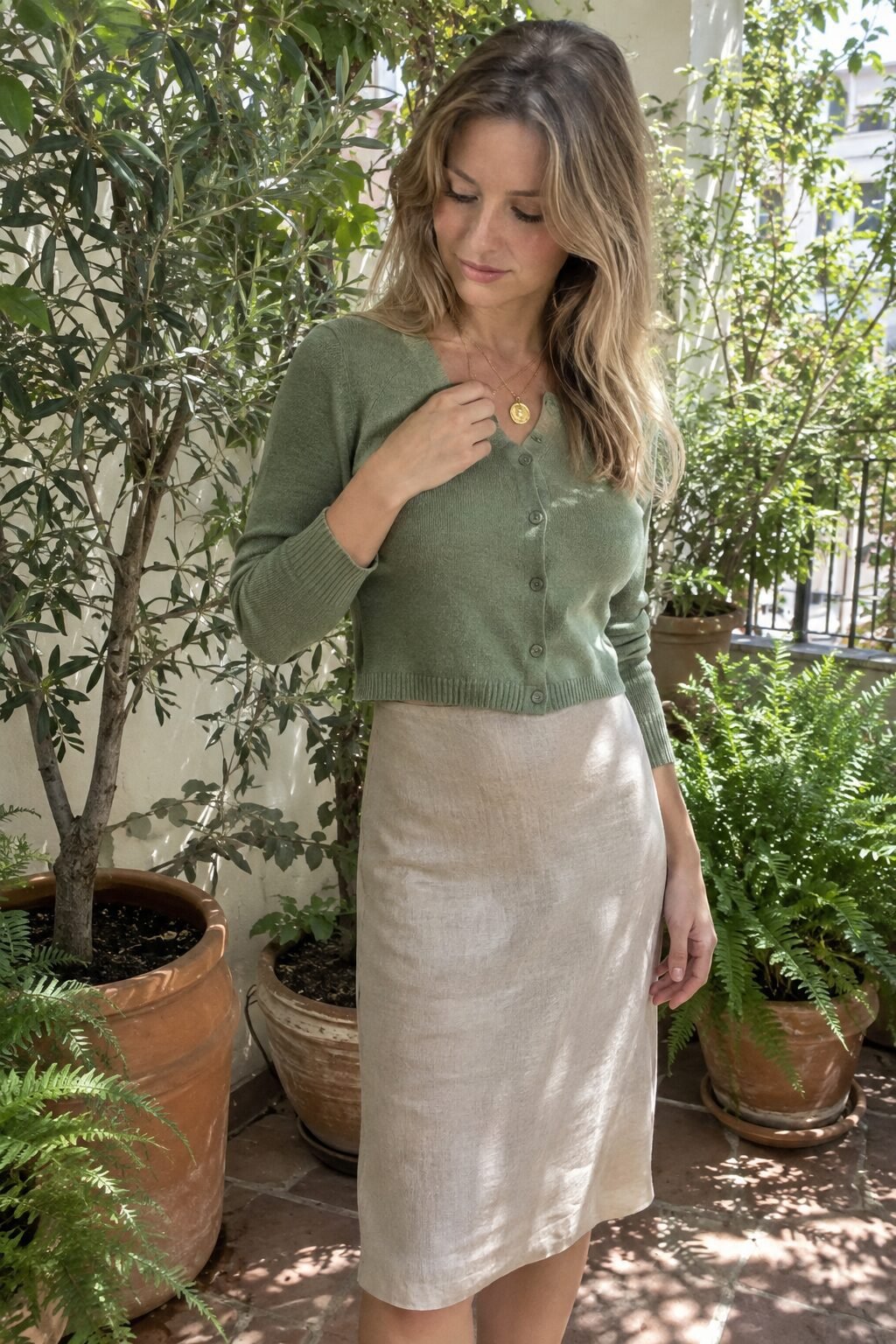
Shop the Look
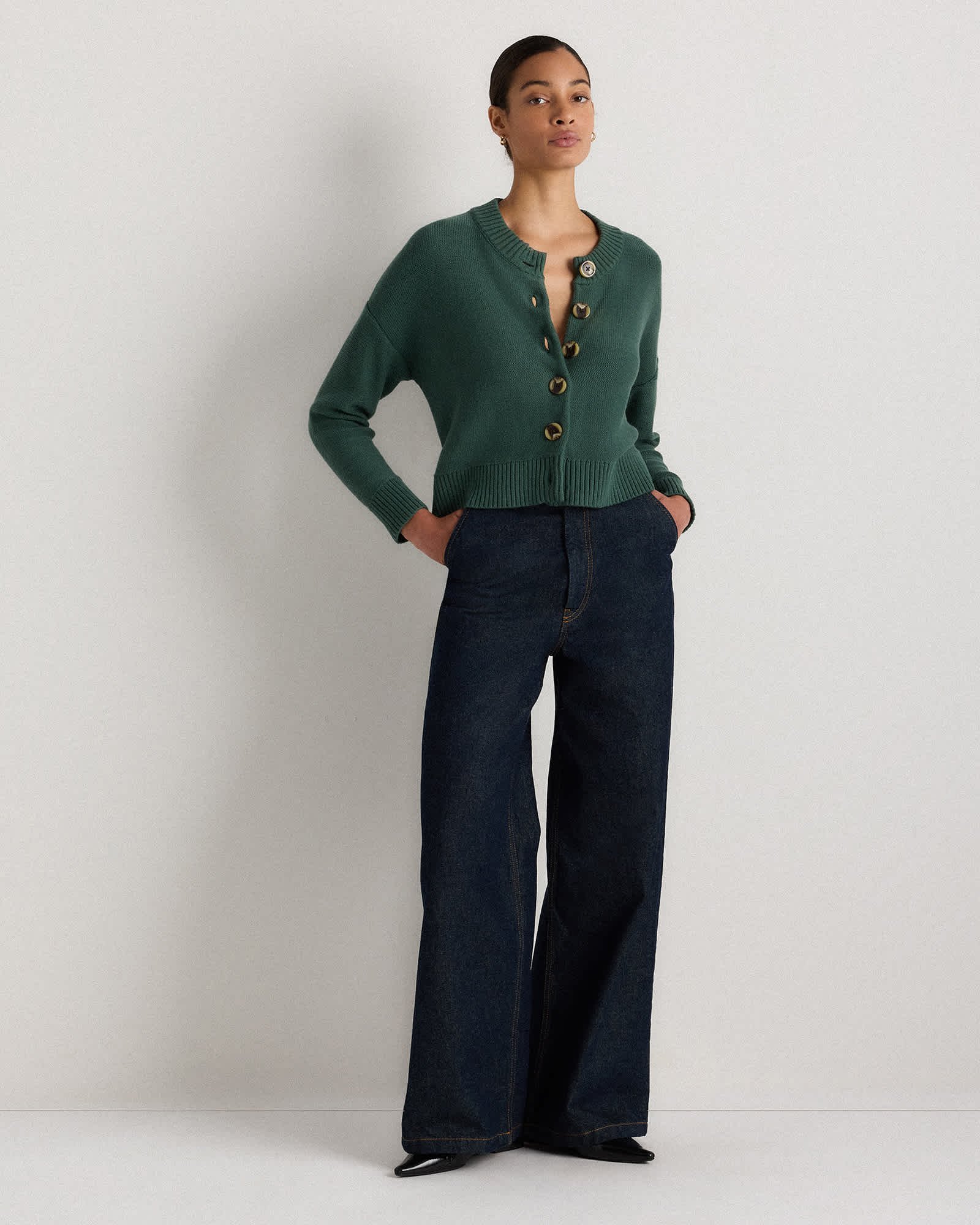
100% Organic Cotton Cropped Cardigan (Big Sur Green)
$55.00 | A true sage-adjacent green in cotton under $55 anchors the tonal set effect.
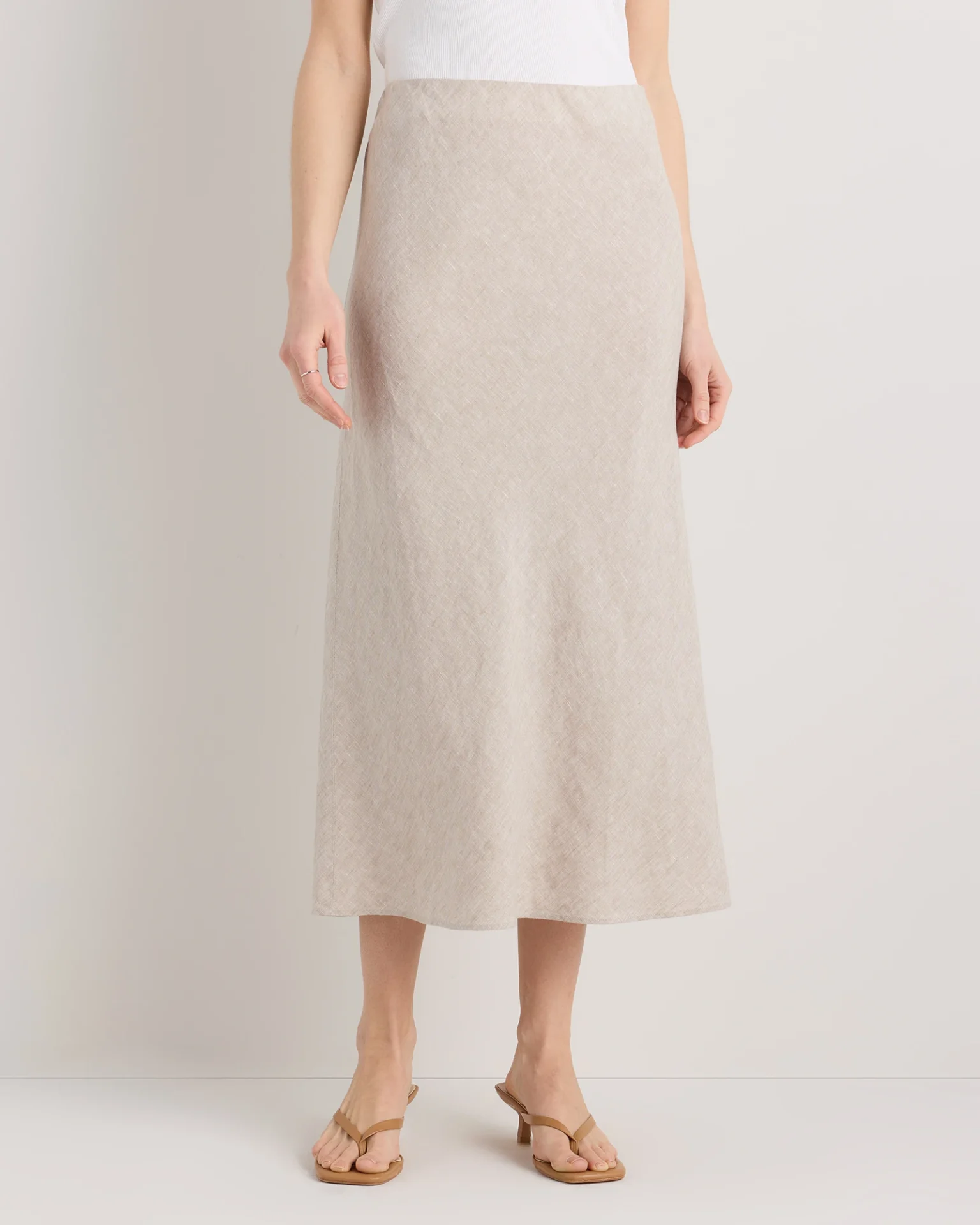
100% European Linen Midi Slip Skirt (Flax)
$50.00 | European linen in a warm neutral coordinates with the cardigan for a genuine set look at $50.
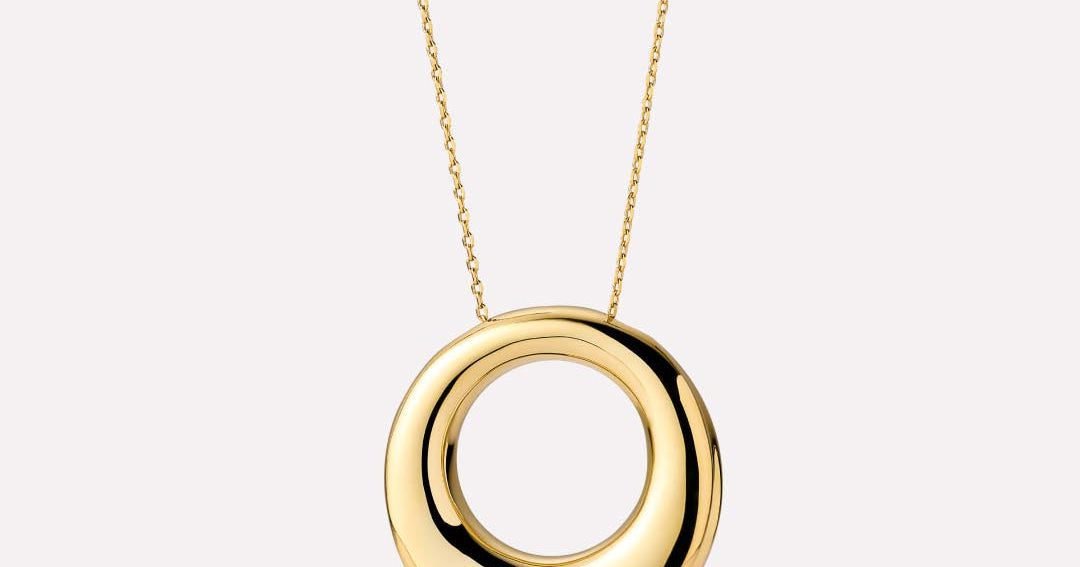
Gold Pendant Necklace (Waverly)
$95.00 | 14k-gold-plated and under $100, this pendant finishes the everyday set with real polish.
A matching set doesn’t have to actually match to read as one, and a sage-adjacent cardigan over a warm-toned linen skirt proves it.
This is the uniform-dressing outfit I’d reach for on the days I want to look put together without making a single decision.
A gold pendant is the only extra thing this outfit needs.
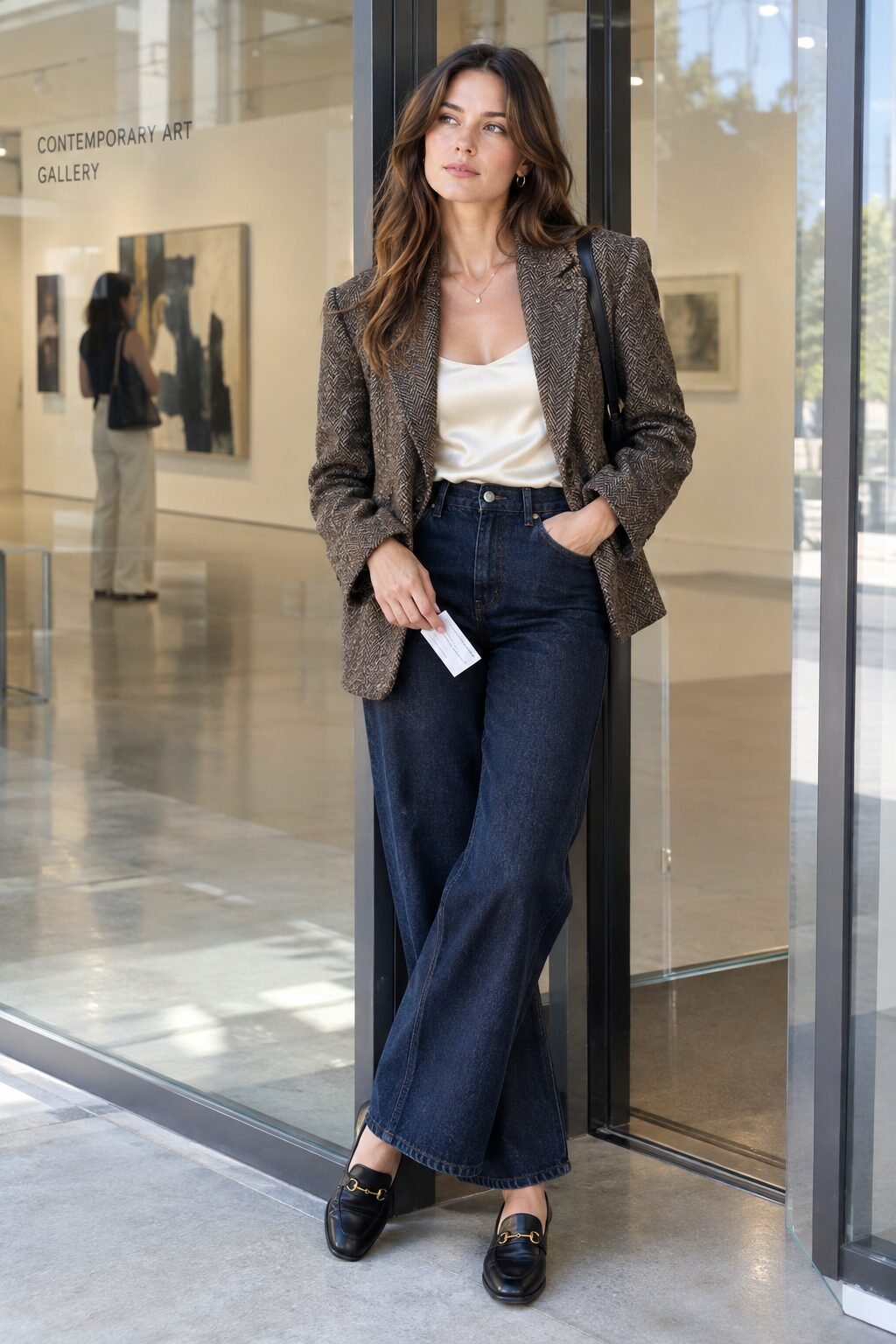
11. Wide-Leg Denim, Silk Camisole, and Herringbone Blazer
Shop the Look
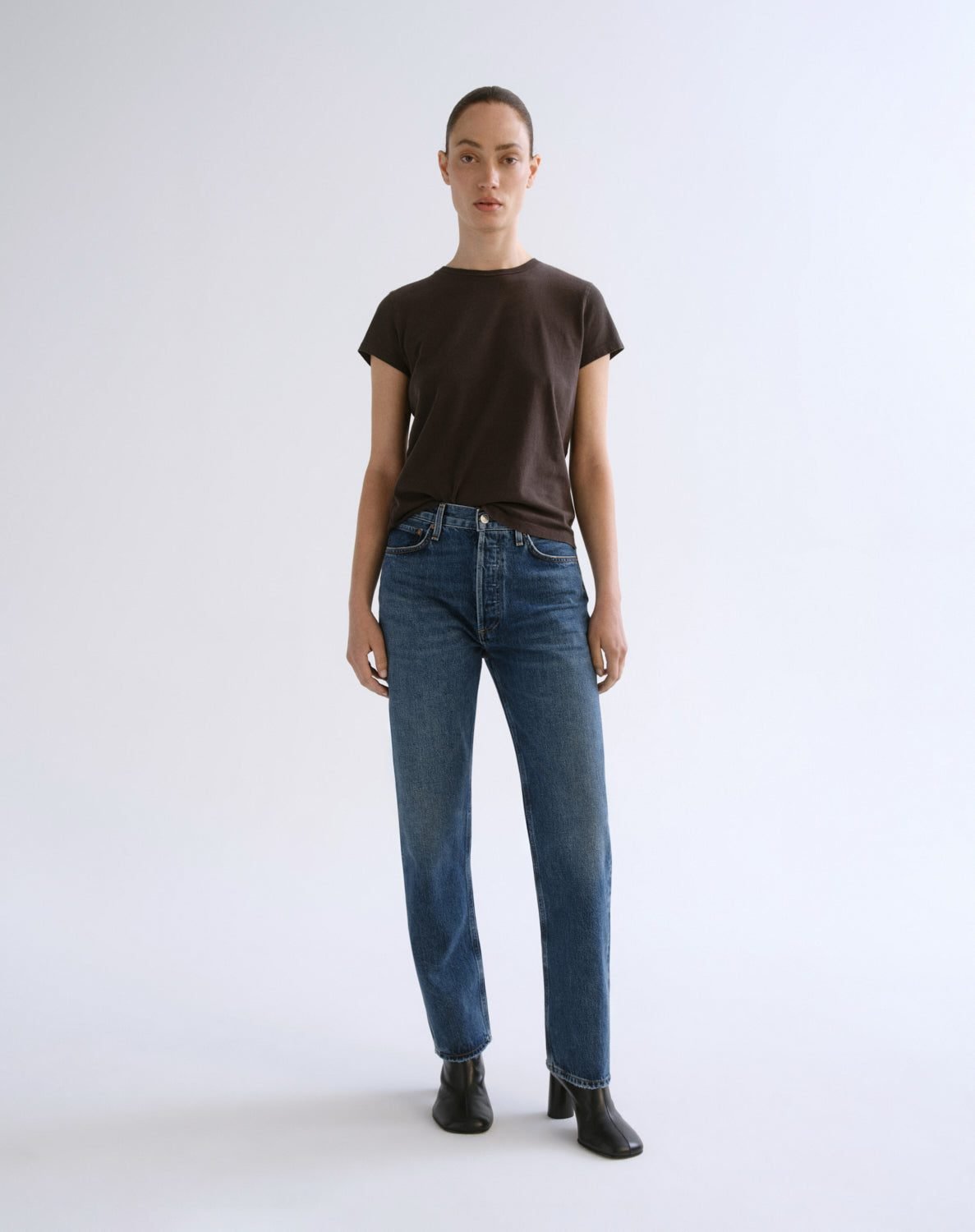
90’s Pinch Waist High Rise Straight (Range – dark indigo)
$208.00 | A 90’s-inspired dark indigo straight cut has the pinch-waist detail that makes wide-leg denim actually fit.
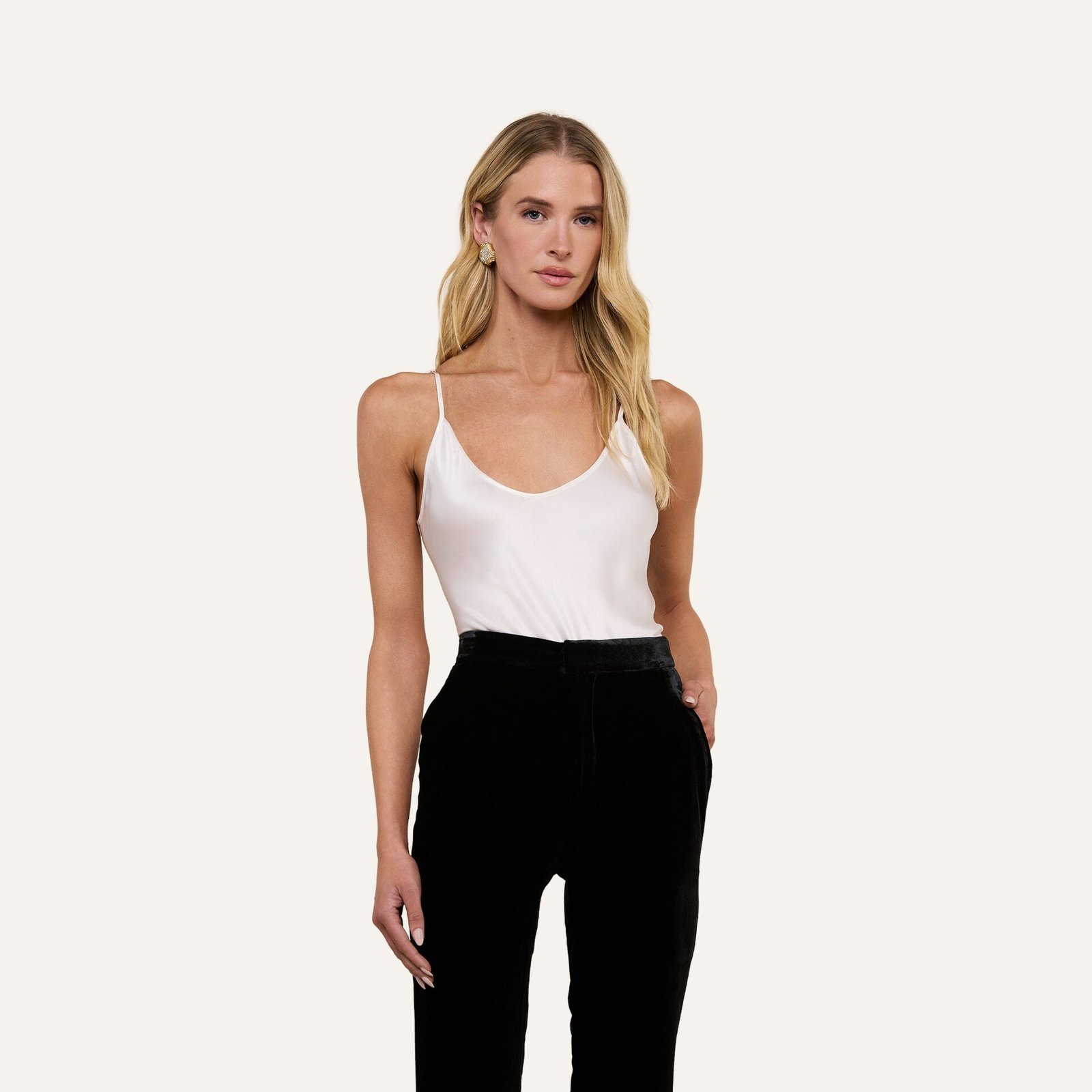
Lexi Silk Camisole (White)
$195.00 | 100% silk in cream layers cleanly under the blazer without any bulk.
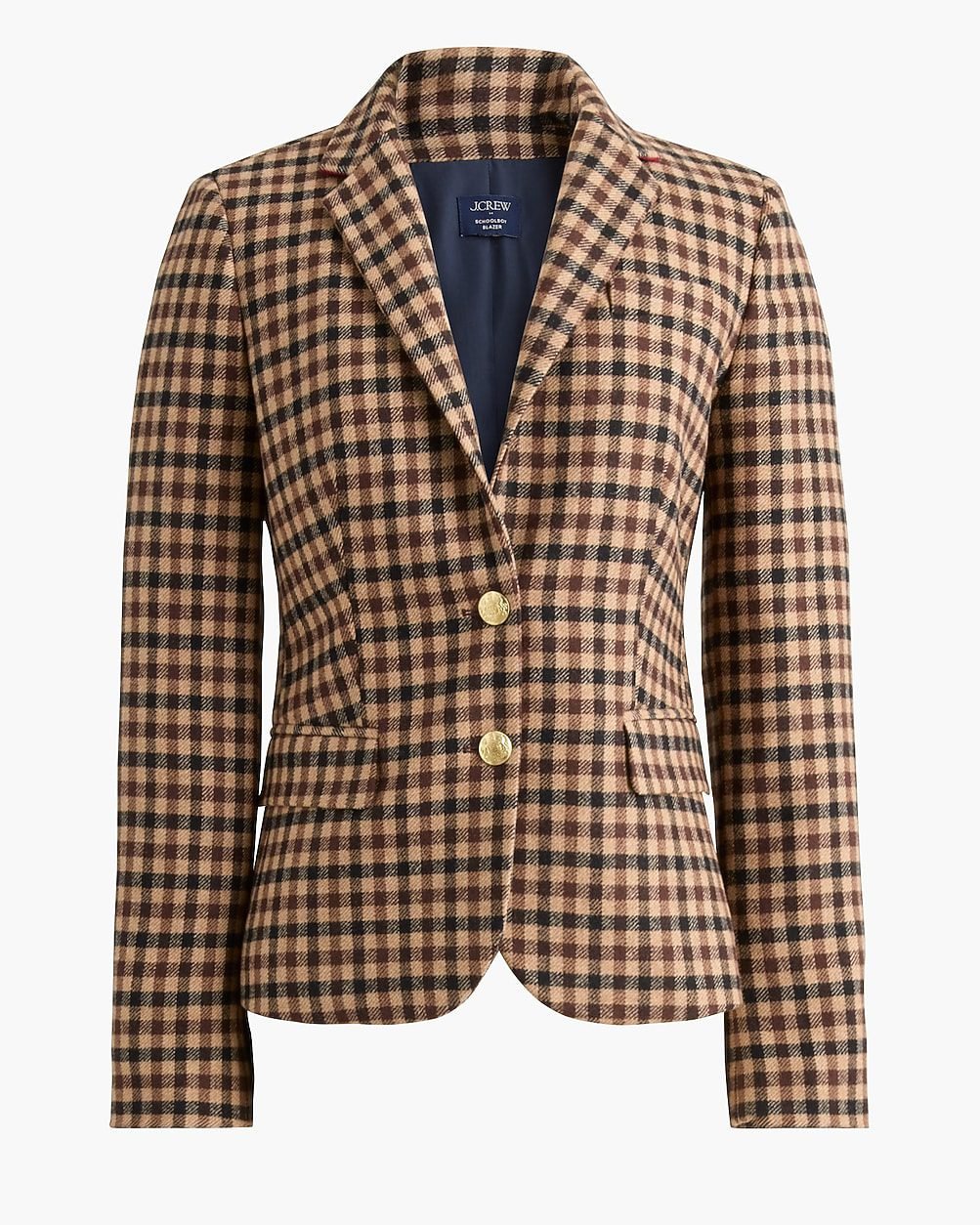
Herringbone Wool-Blend Schoolboy Blazer (Brown/Black Multi Gingham)
$119.00 | Wool-blend herringbone under $120 gives real tailored structure to the denim-and-silk combo.
Dark, wide-leg denim is the one denim trend I’d call a genuine investment, since the cut stays flattering long after skinny jeans have cycled back out.
A silk camisole underneath keeps things elevated, and the herringbone blazer on top is what turns jeans into a smart-casual outfit that works past 5 p.m.
This is denim dressed for a dinner reservation, not a weekend errand.
12. Silk Camisole and Wool Ankle Trouser, Kept Deliberately Simple

Shop the Look
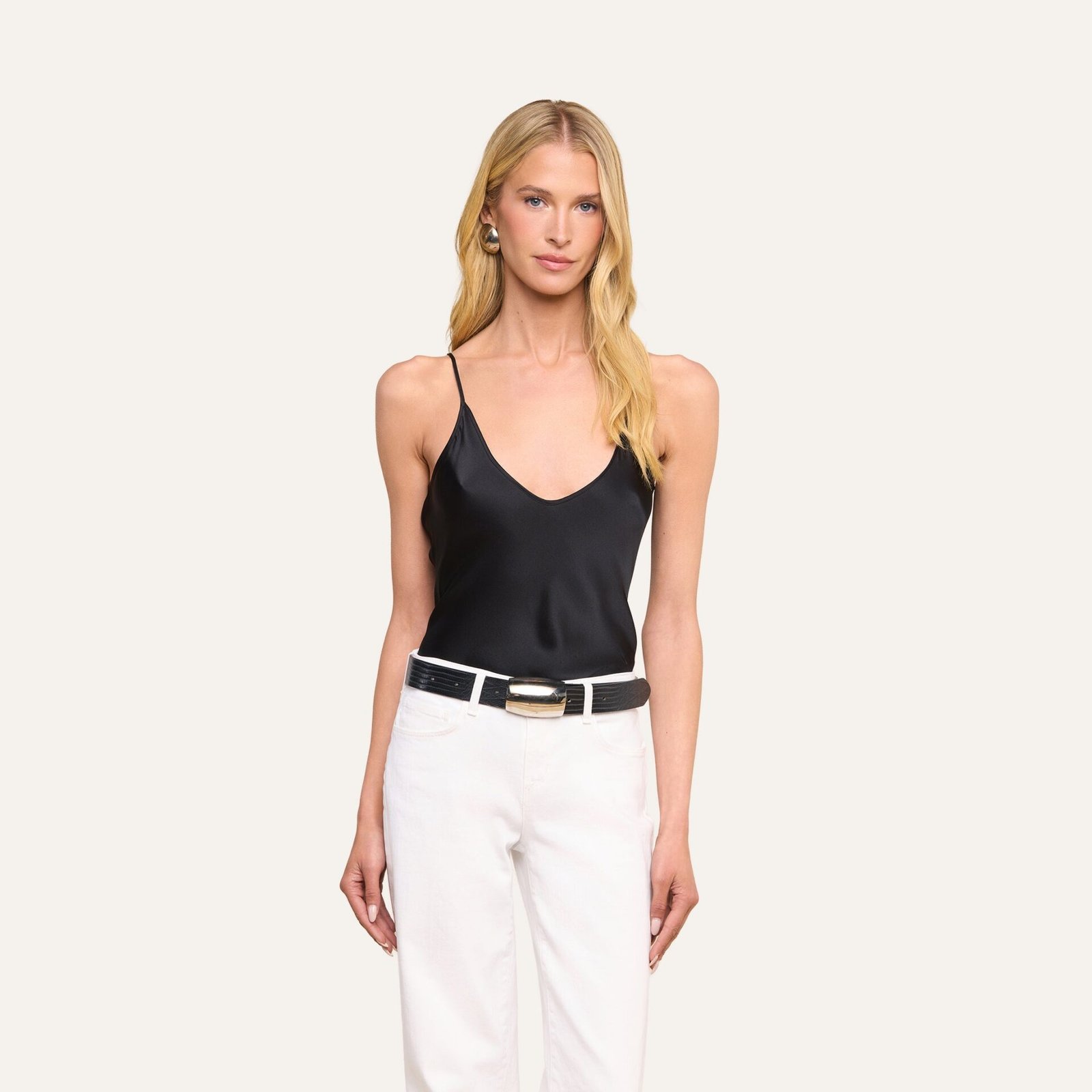
Lexi Silk Camisole (Black)
$195.00 | Black silk here gives this simple pairing real shine without any extra layers.
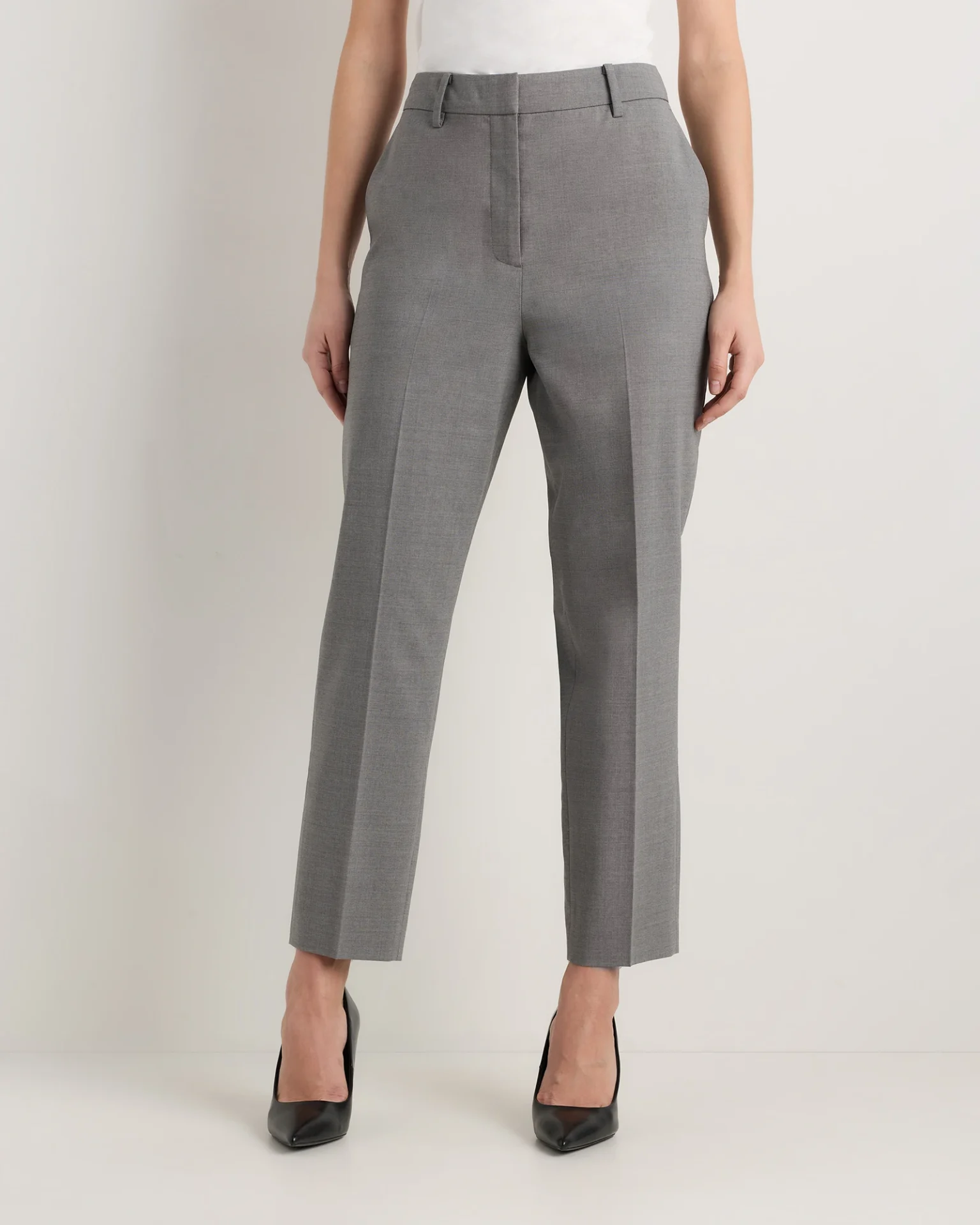
Italian Wool Slim Leg Ankle Pants (Grey Melange)
$89.90 | Italian wool in a dove-grey melange brings real tailoring to this ankle pant for under $90.
Two pieces is sometimes the stronger choice, and a silk camisole with a sharp dove-grey trouser proves a look doesn’t need a third layer to feel finished.
The wool ankle length on the trouser is what keeps this from reading like loungewear, and dove grey is quietly one of the most flattering neutrals on this whole list.
Simple, in this case, is the actual styling decision.
13. Bouclé Skirt and Houndstooth Blazer, Not Matched but Coordinated
Shop the Look
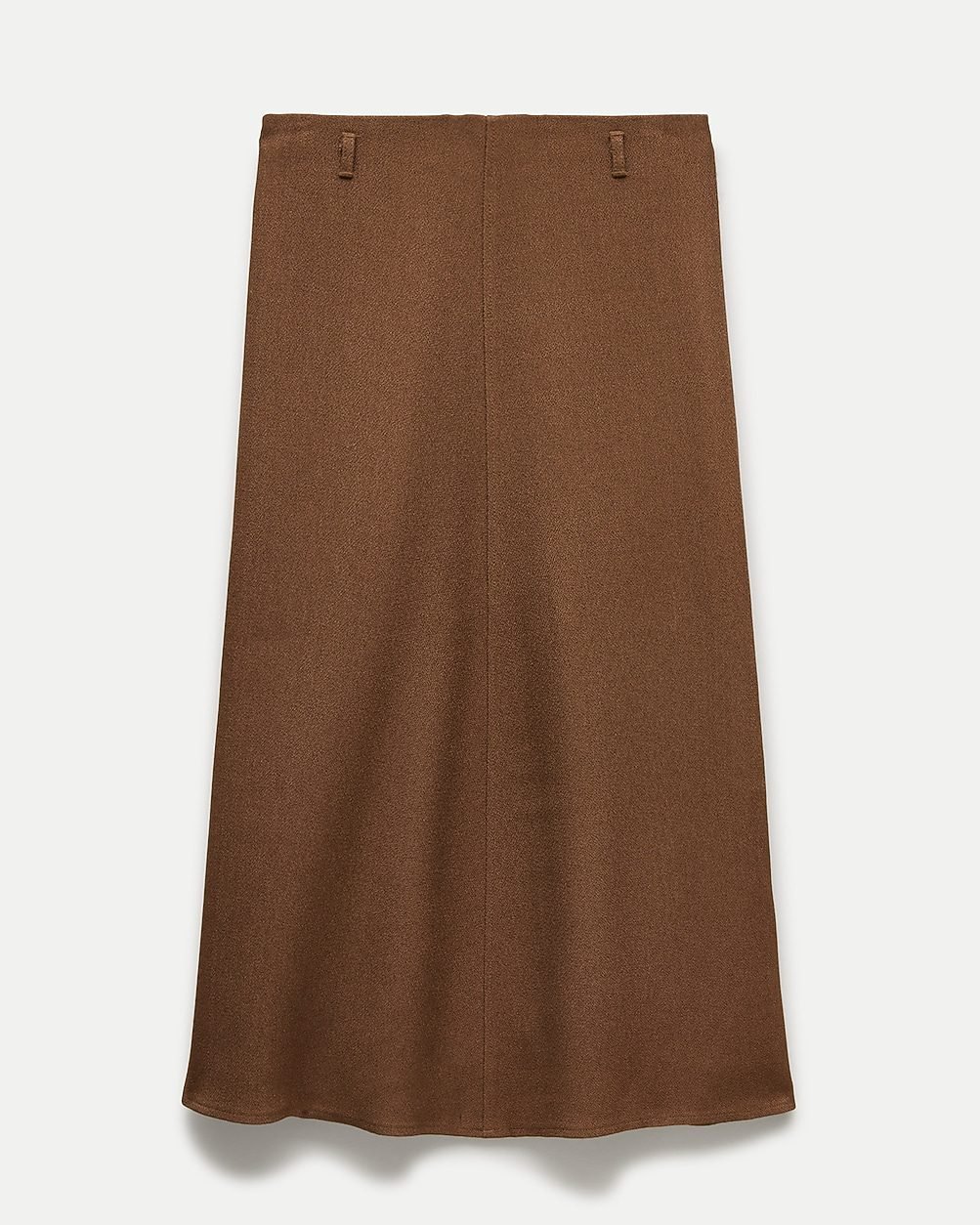
A-Line Skirt in Bouclé (Peppercorn)
$210.00 | A genuine bouclé A-line skirt with a black-fleck pattern stands in for full tweed suiting at a fraction of the price.
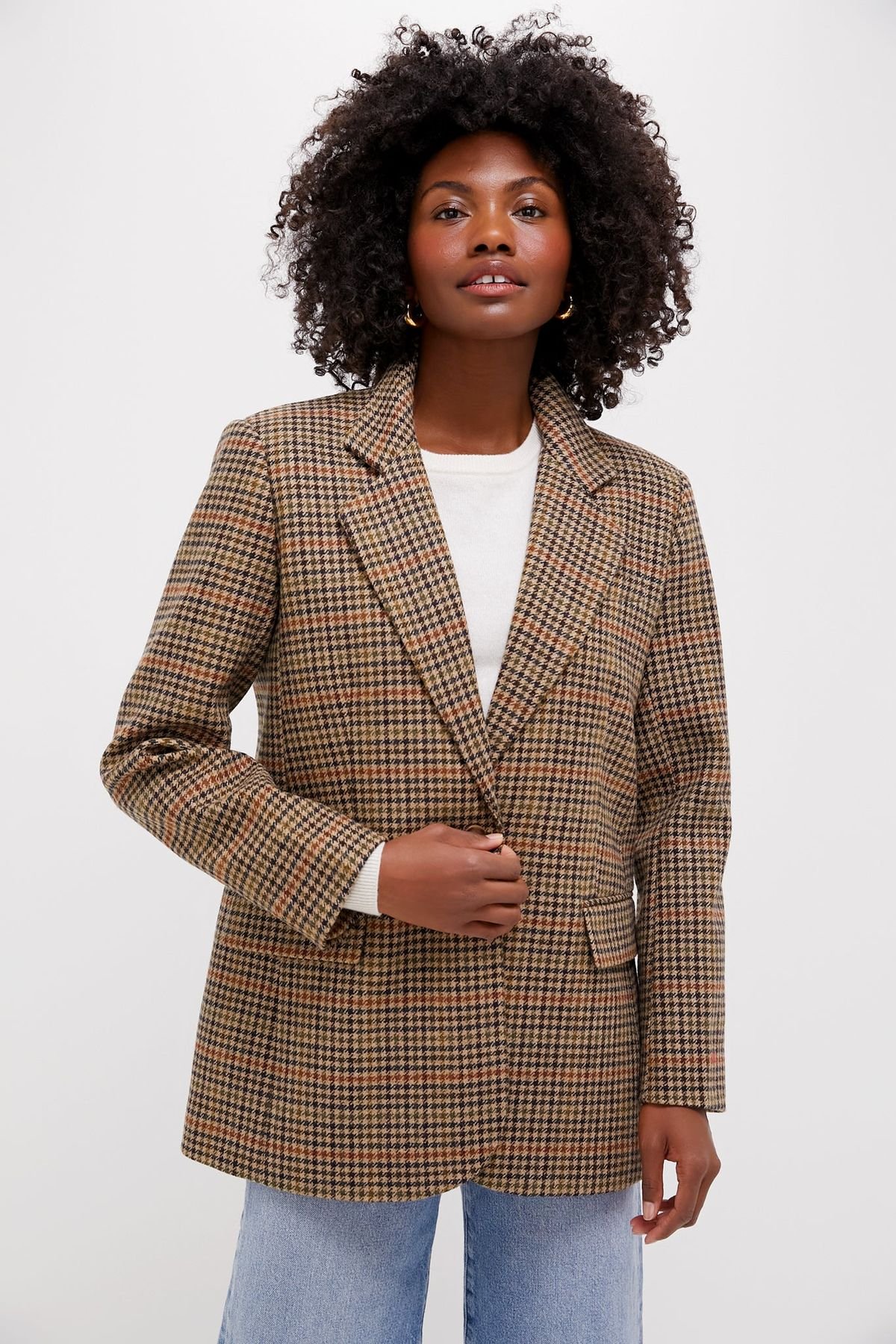
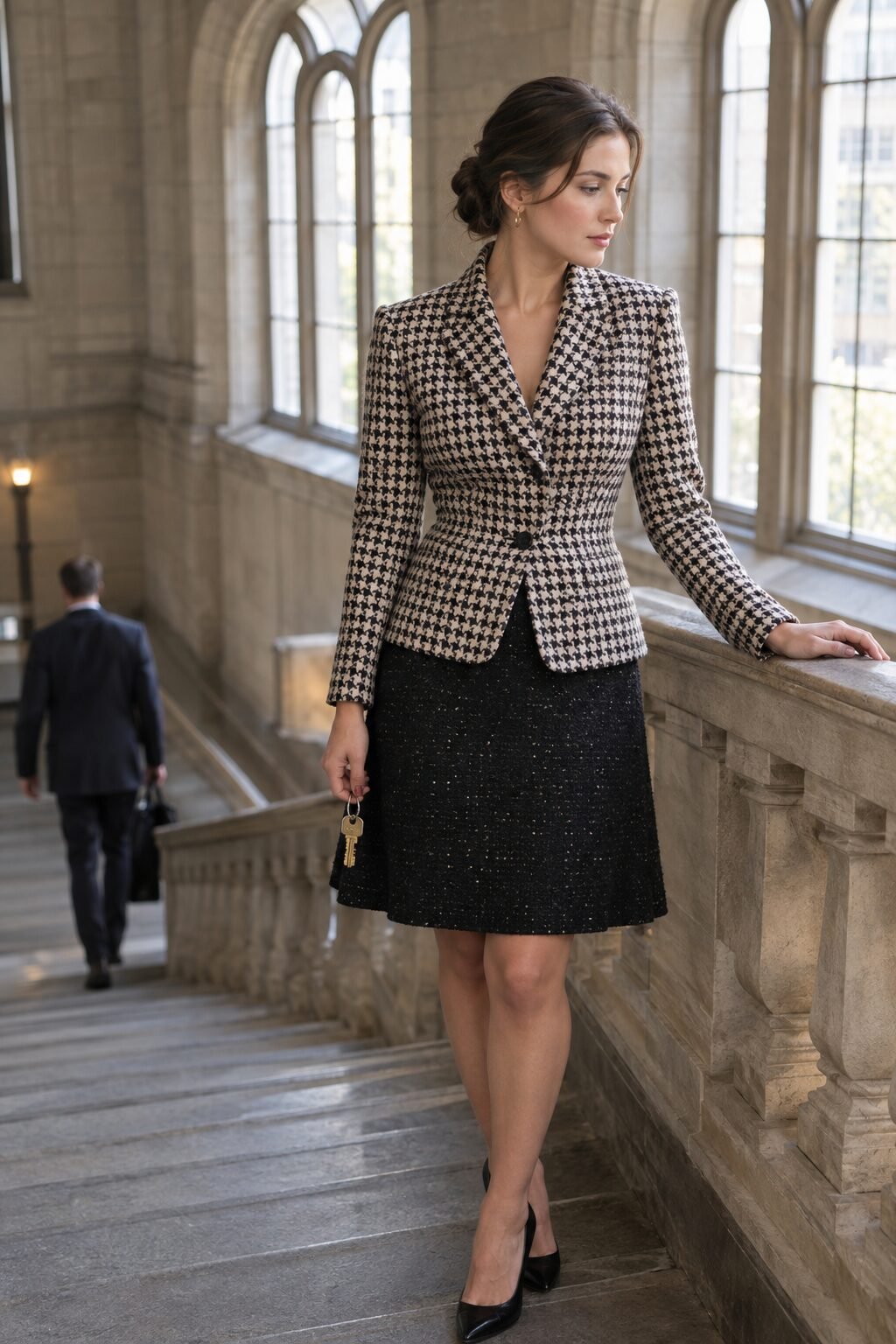
Houndstooth Leo Blazer
$328.00 | True houndstooth brings the pattern the skirt is missing, so the pairing still reads as a suit.
Coordinating beats matching here: a black-fleck bouclé skirt and a true houndstooth blazer share enough texture to read as a suit without being a literal set.
Both pieces lean on the same tweed-adjacent hand, which is what actually sells the suiting effect more than an exact print match would.
This is the closest thing to old-school tailoring on this whole list.
14. Camel Coat, Cashmere Crewneck, and Wide-Leg Trouser, All in One Tone
Shop the Look
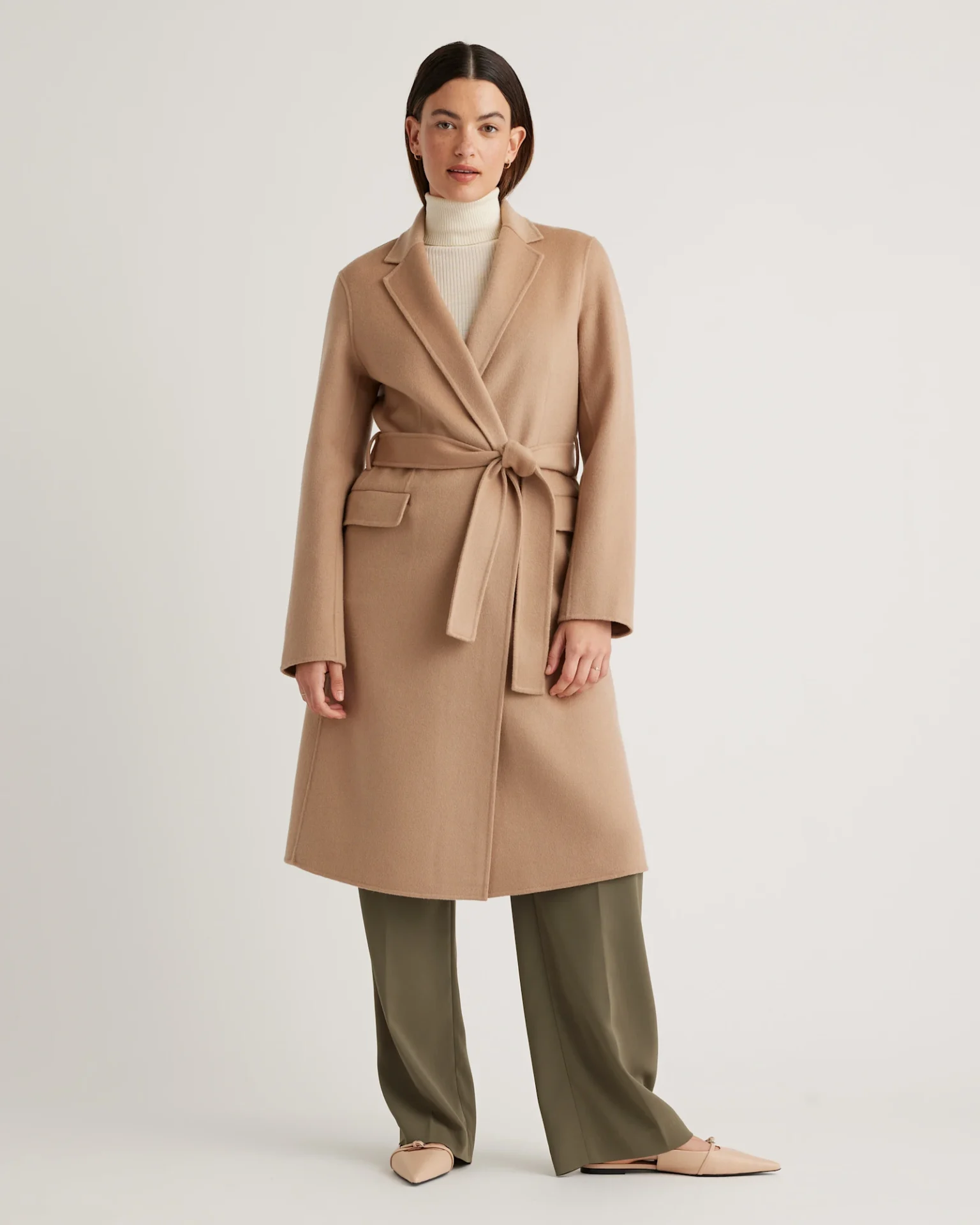
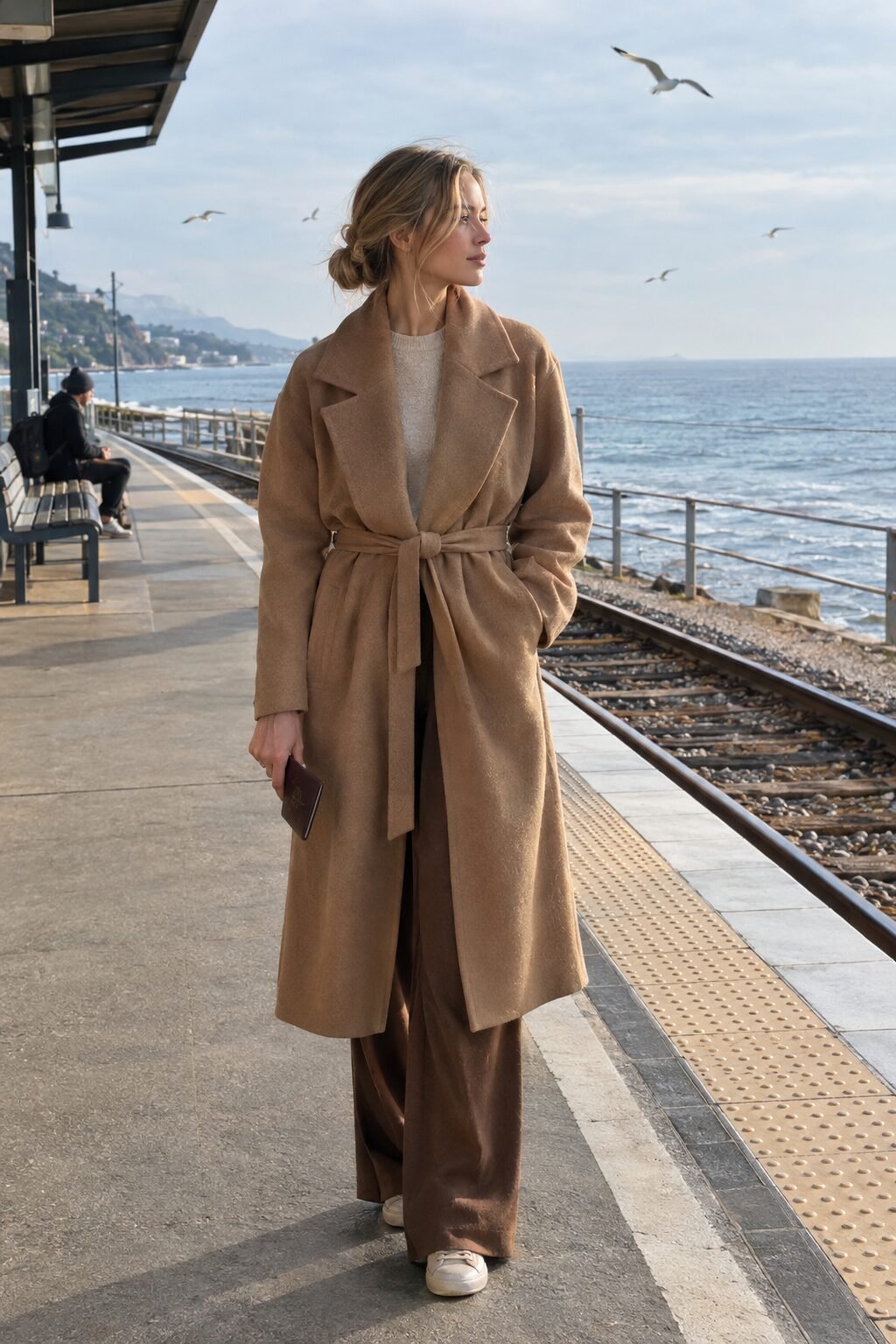
100% Mongolian Cashmere Double-Faced Wrap Coat (Camel)
$500.00 | Double-faced Mongolian cashmere makes this the one true splurge on the list, and it earns the price.
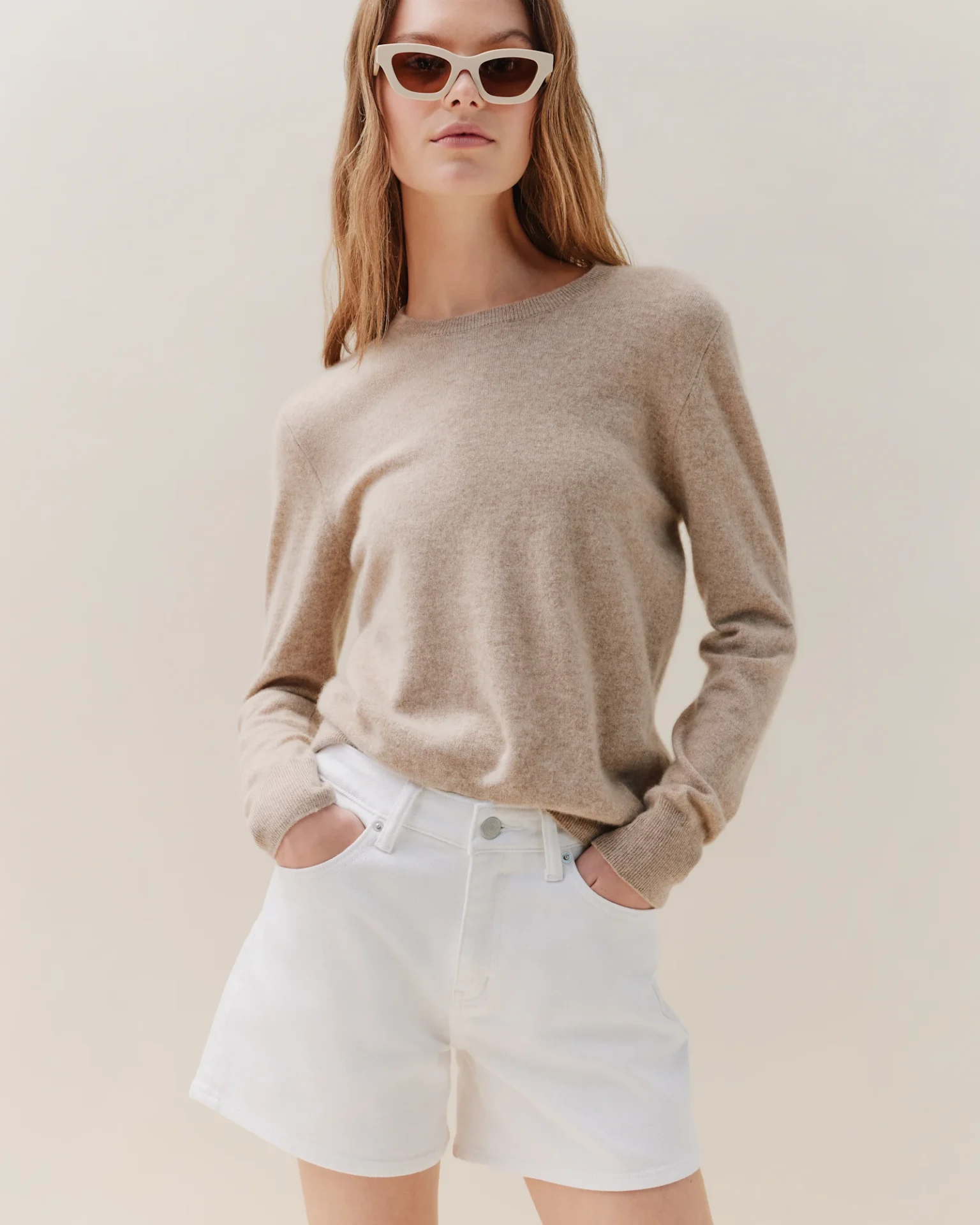
Mongolian Cashmere Crewneck Sweater (Oatmeal)
$50.00 | Just $50 for a best-selling cashmere crewneck that reads tonal against the camel coat.
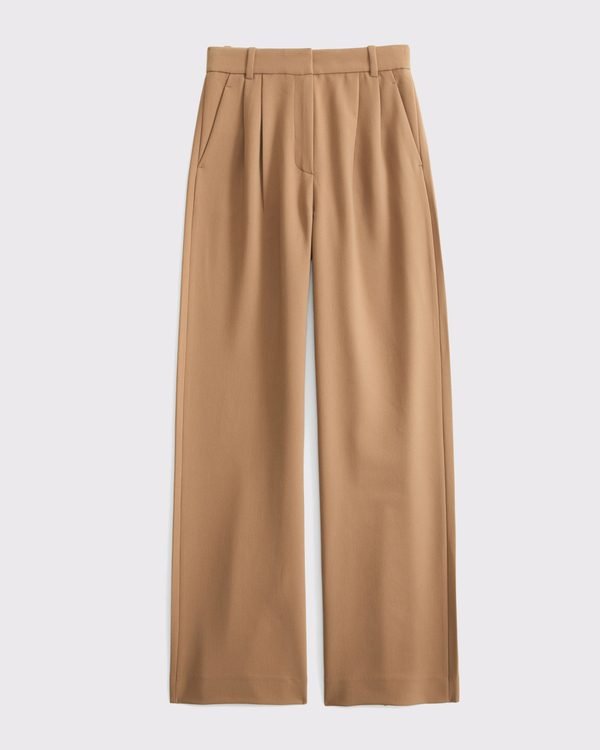
A&F Sloane Tailored Wide Leg Pant (Brown)
$28.99 | Under $30, this camel-adjacent brown trouser completes the tonal effect without three expensive pieces.
Tonal dressing is the cheapest trick for looking expensive, and a camel coat over an oatmeal sweater and brown trouser proves you don’t need three different colors to look put together.
This is the one outfit on the list I’d genuinely call a splurge, since the coat is doing real investment-piece work here.
Head-to-toe camel photographs better than almost anything else in this whole roundup.
15. Belted Trench, Tall Boots, and an Italian Leather Tote
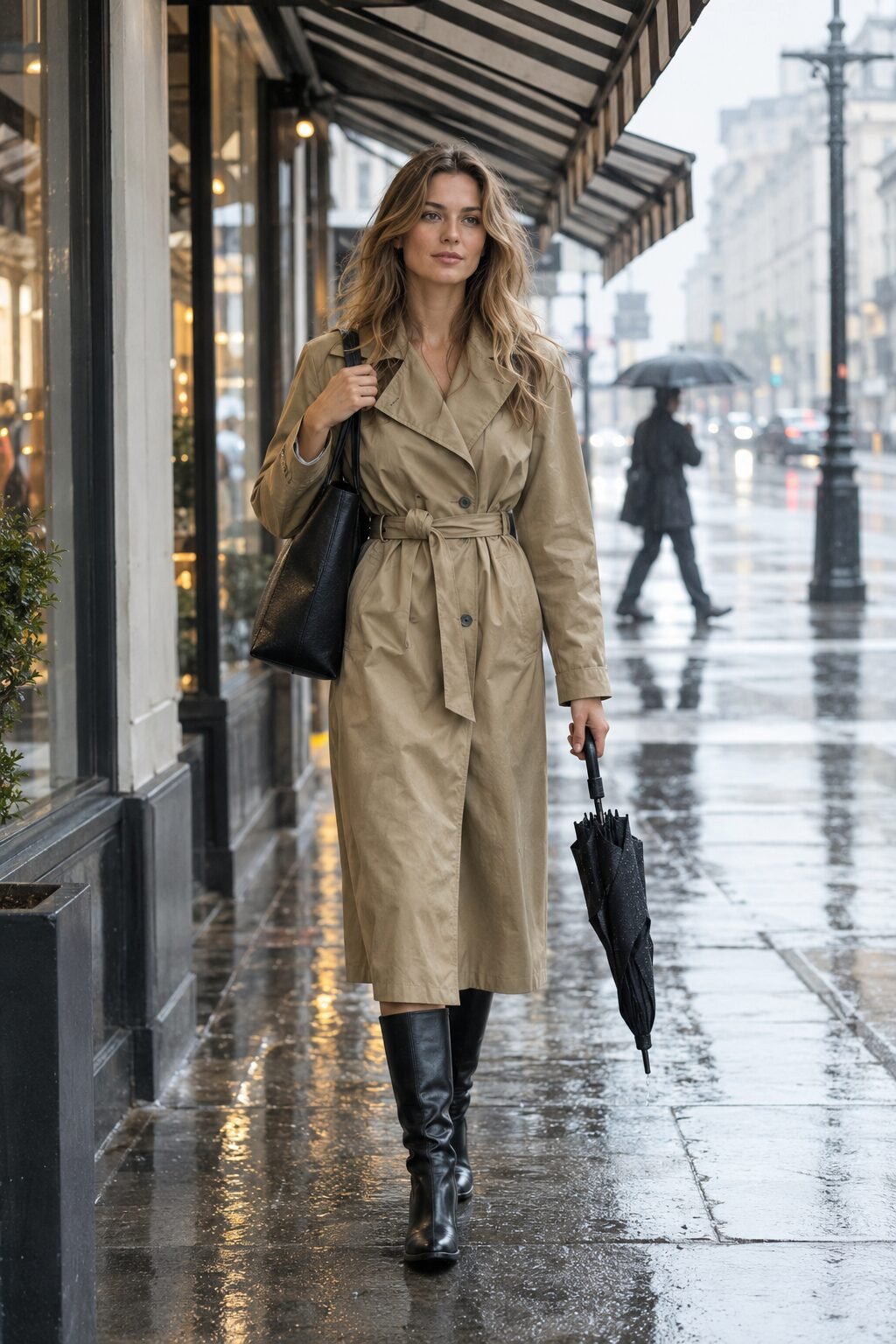
Shop the Look
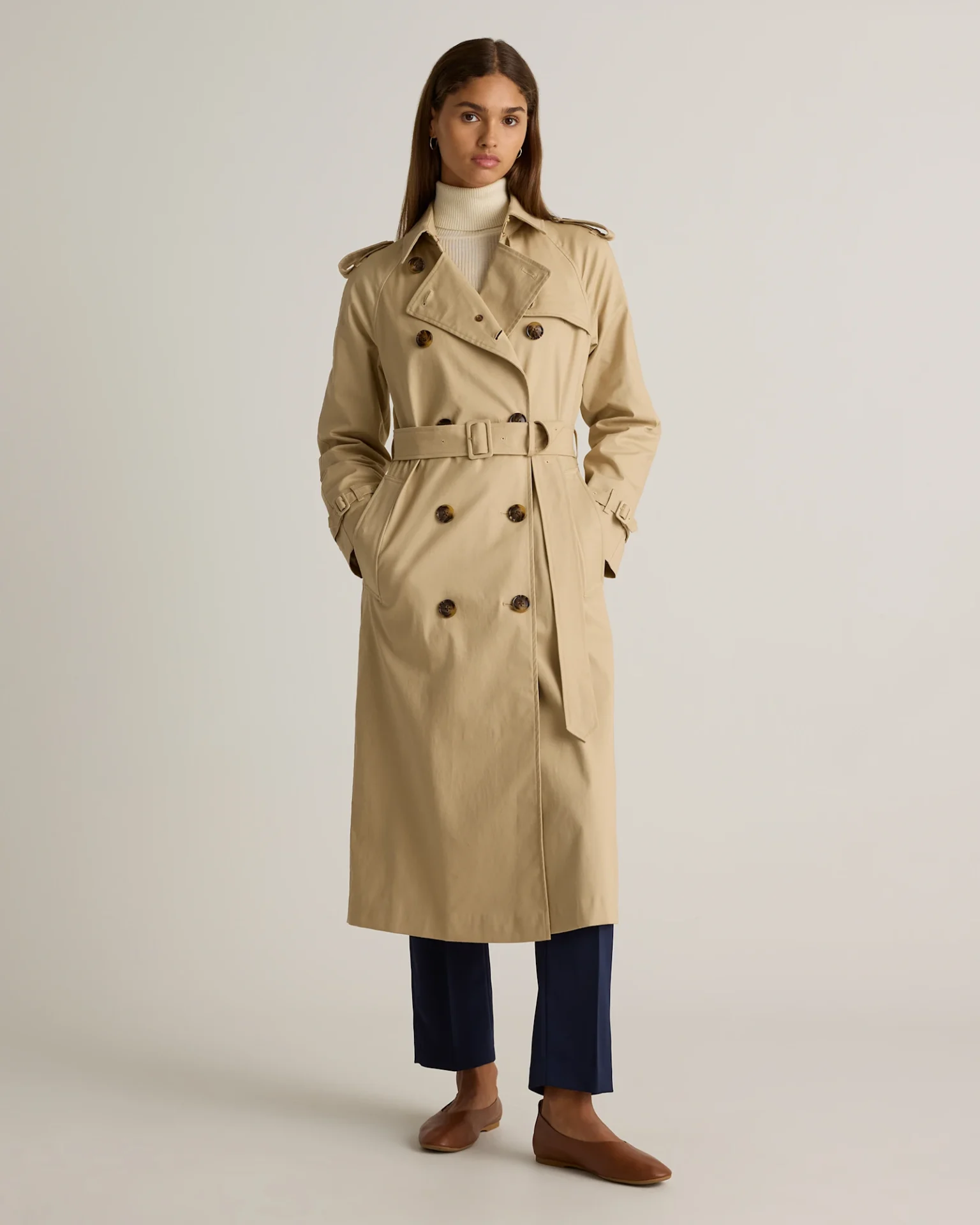
Comfort Stretch Long Trench Coat (Light Khaki)
$130.00 | Water-resistant and machine-washable, this trench under $130 is built to actually survive rain, not just look like it can.
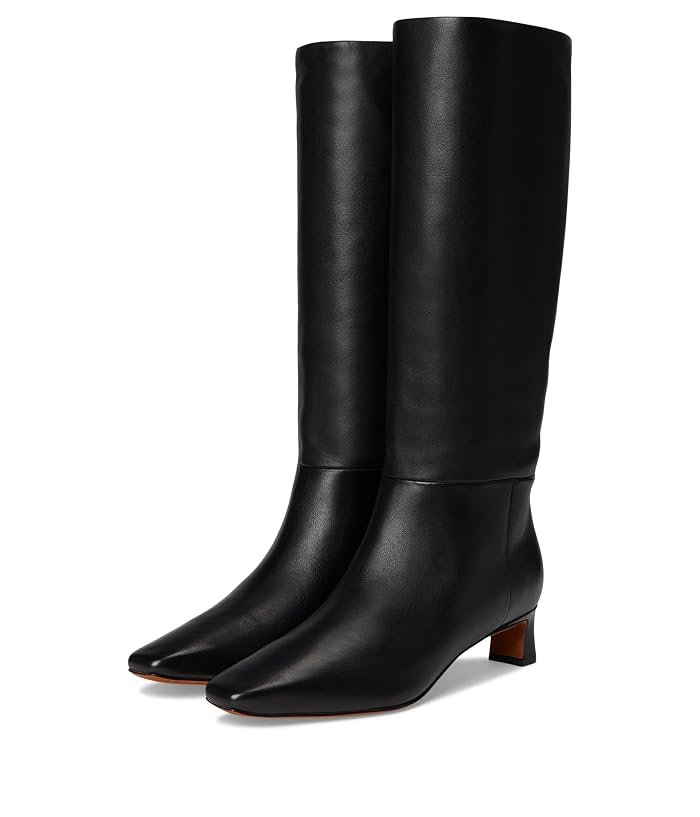
Harlan Tall Pull-On Tall Boots (Black)
$444.99 | Tall pull-on construction keeps this practical without sacrificing the sleek line the outfit needs.
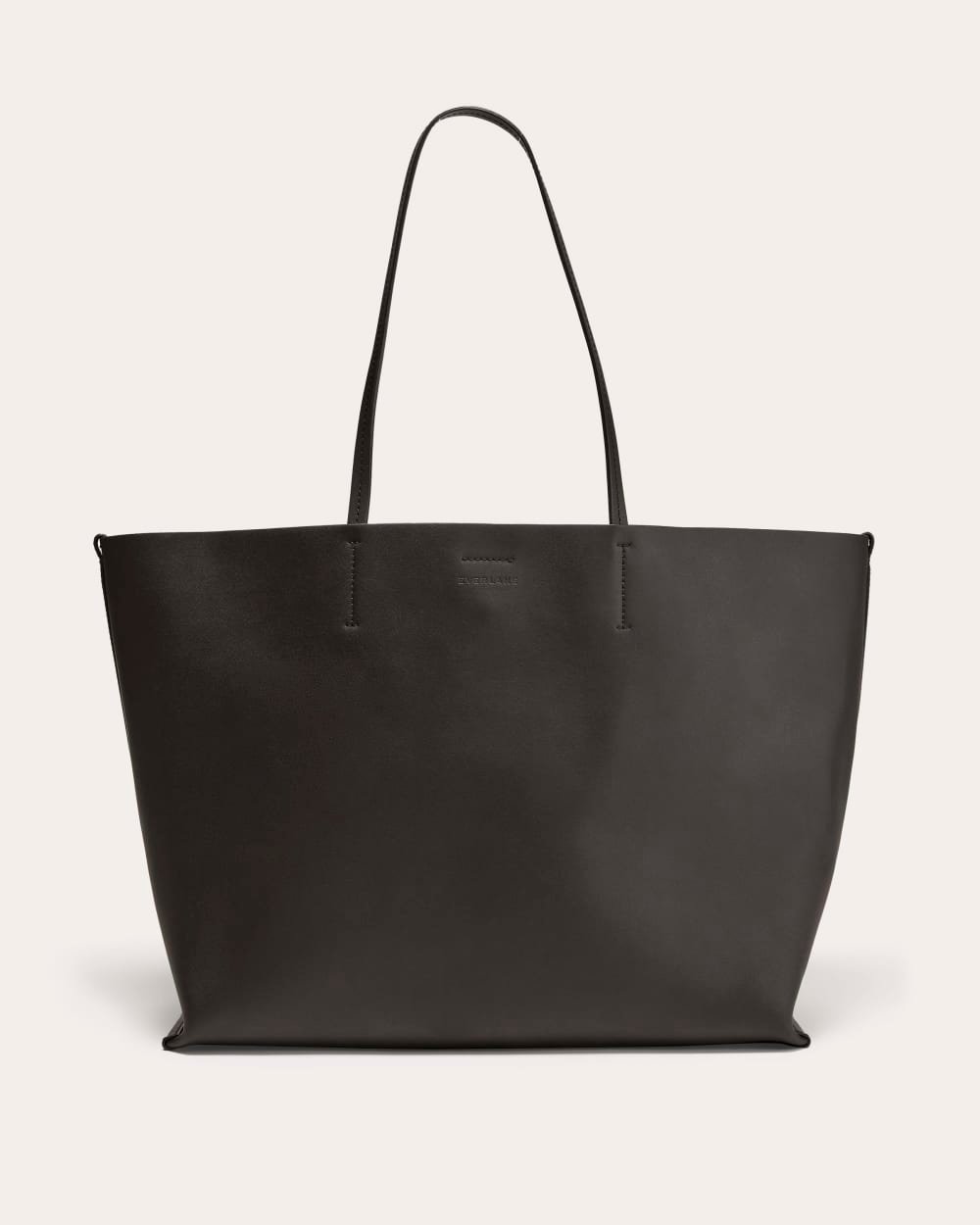
The Luxe Italian Leather Tote (Black)
$298.00 | Structured Italian leather holds its shape through a genuinely wet commute.
Skip the dress underneath entirely: a trench worn belted and alone is a genuinely underrated way to wear one, and khaki is the color this coat was built for.
Tall black boots keep the rainy-day practicality intact, and a structured leather tote is the one bag that survives being set down on a wet sidewalk.
A trench this practical earns its keep on the one day it actually pours.
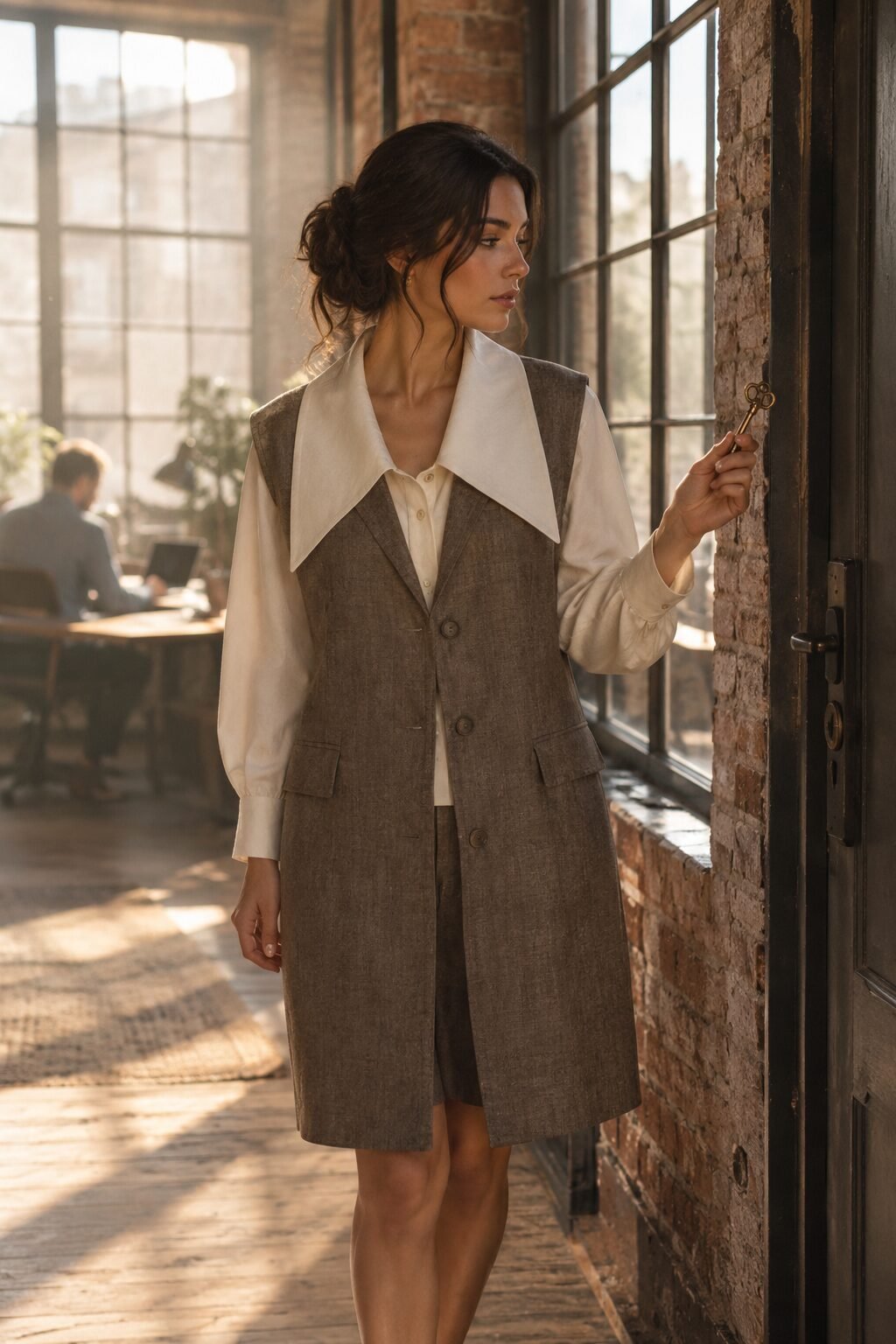
16. Statement-Collar Blouse Layered Under a Longline Linen Vest
Shop the Look
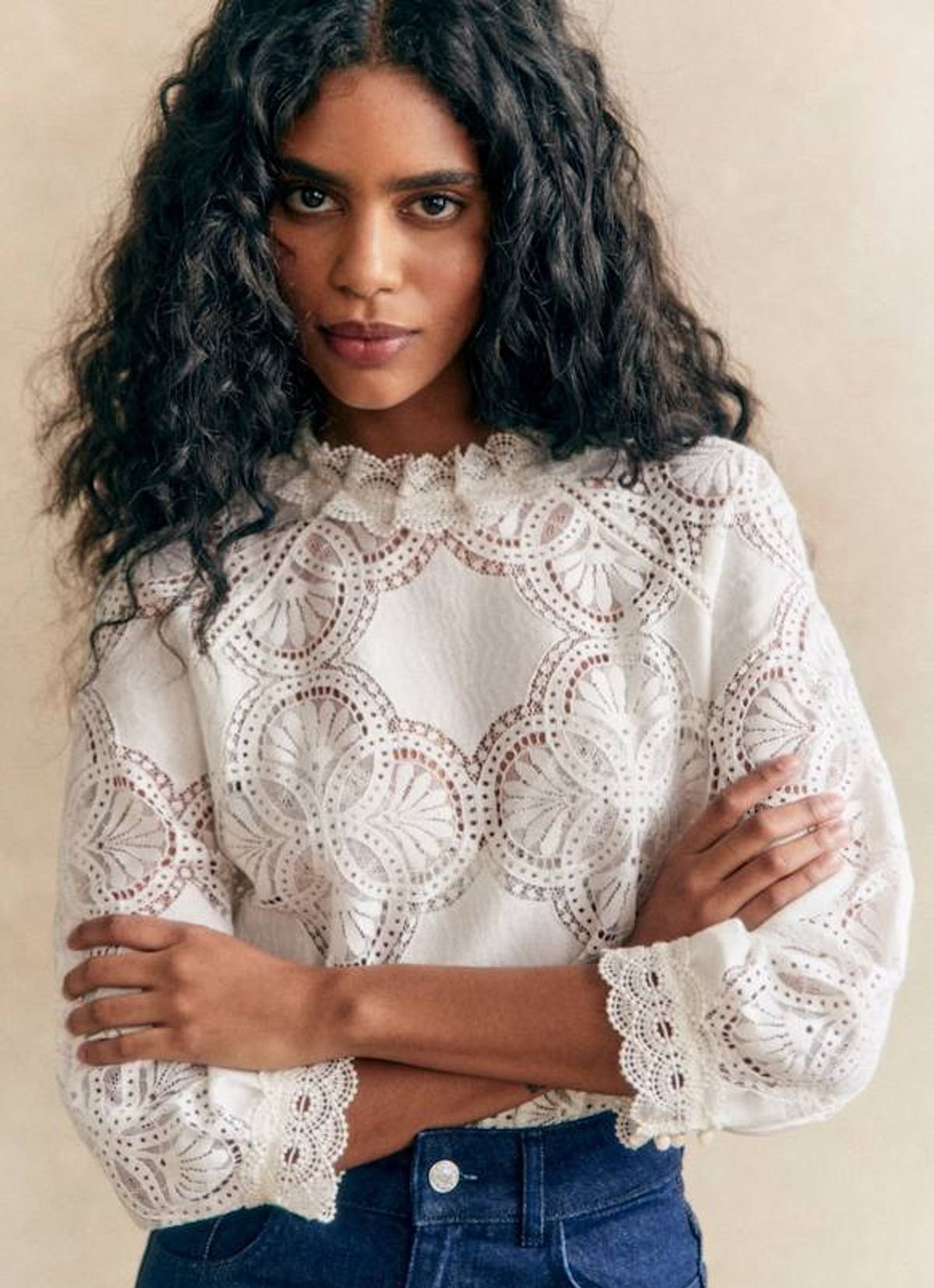
Bianca Blouse (Ecru)
$90.00 | A true ecru tone and a genuinely oversized collar are the whole reason this blouse works here.
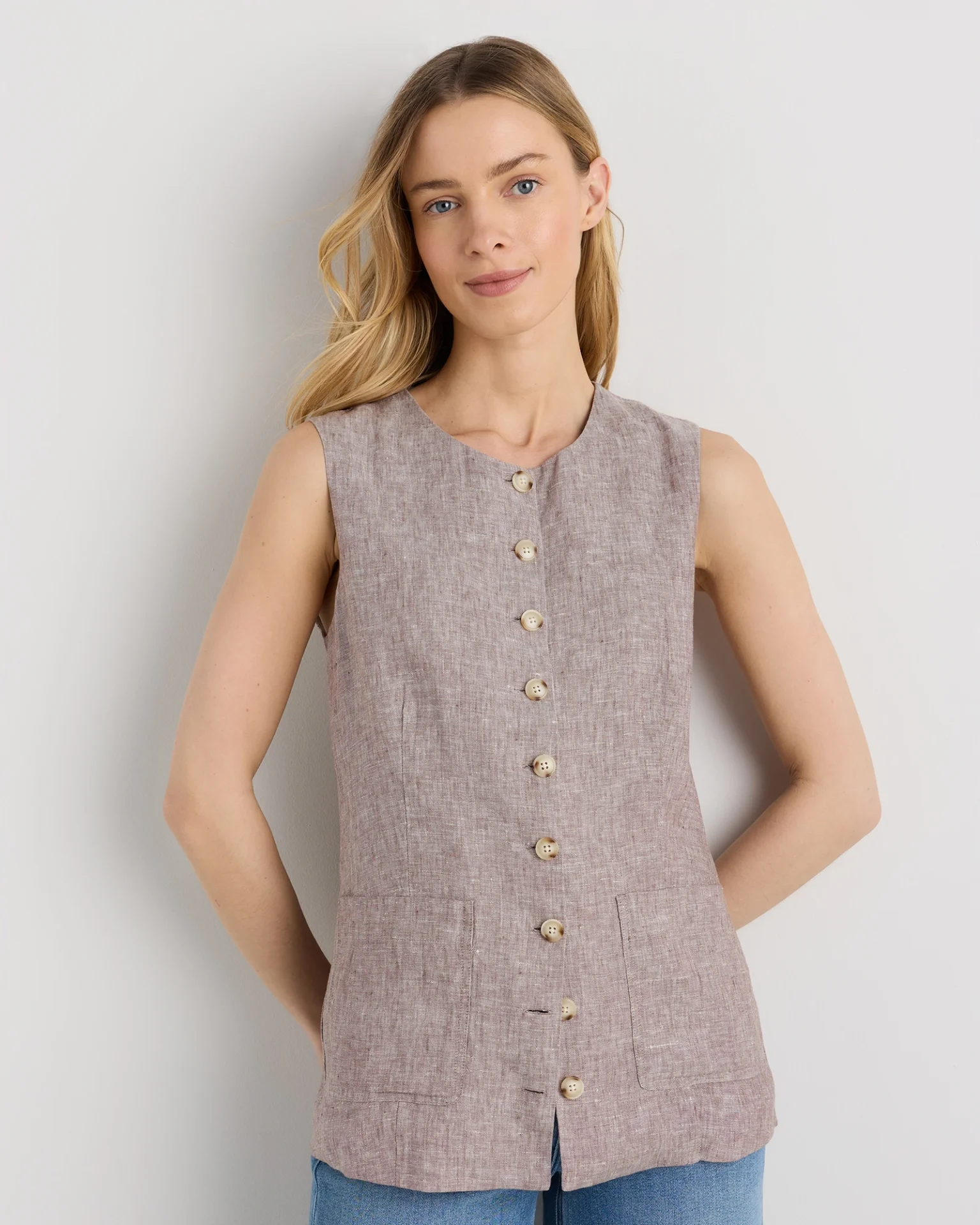
100% European Linen Longline Vest (Taupe Brown Chambray)
$52.00 | European linen in a true taupe chambray gives the elongated vest silhouette real texture for just $52.
An exaggerated collar is the detail doing all the work in this outfit, and it only reads intentional when the vest layered over it is this elongated.
Ivory and taupe keep the palette soft enough that the collar gets to be the loudest thing in the room.
A statement collar this big doesn’t need a third piece competing for attention.
17. Cashmere Cardigan, Wide-Leg Trouser, and Buckled Ankle Boots
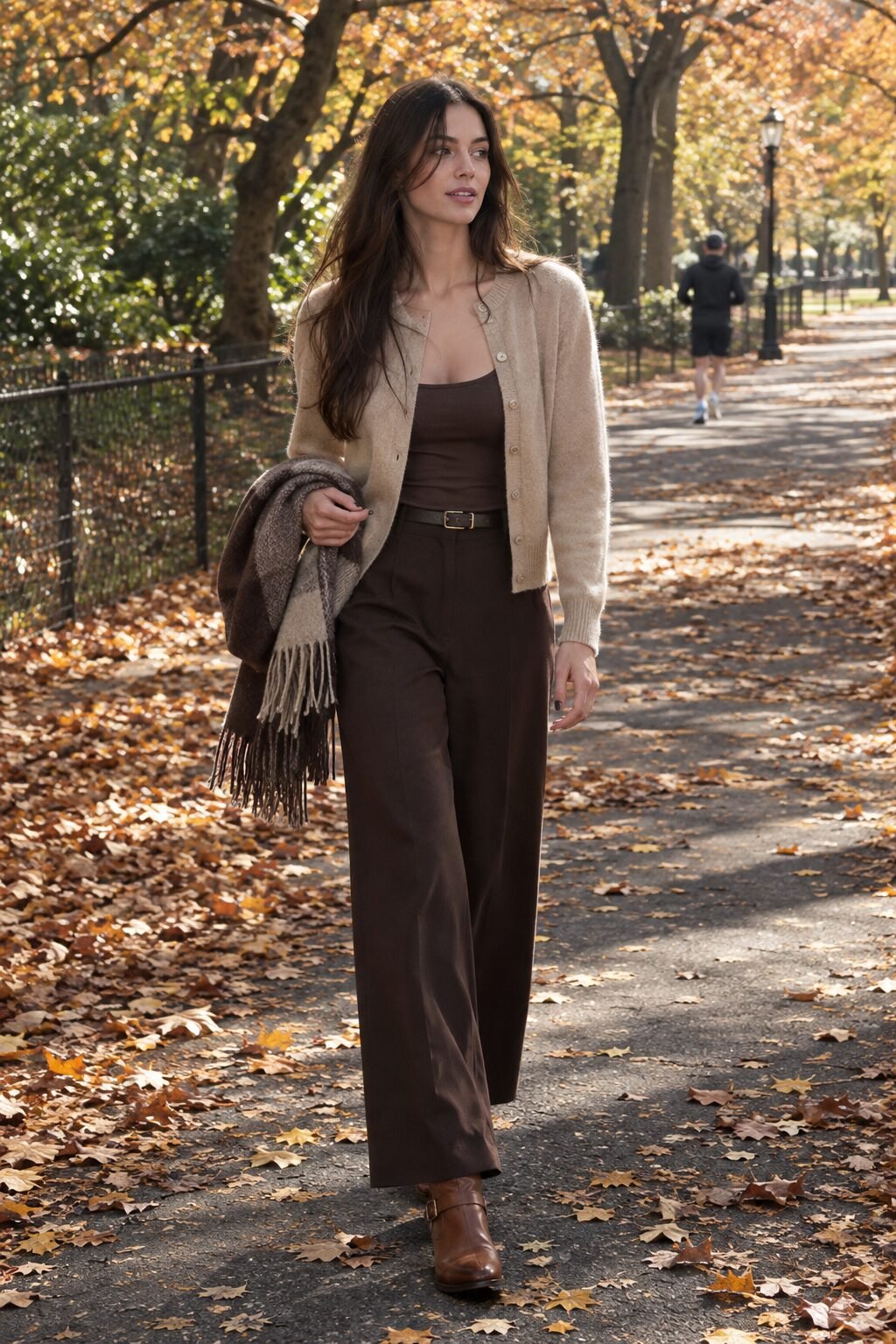
Shop the Look
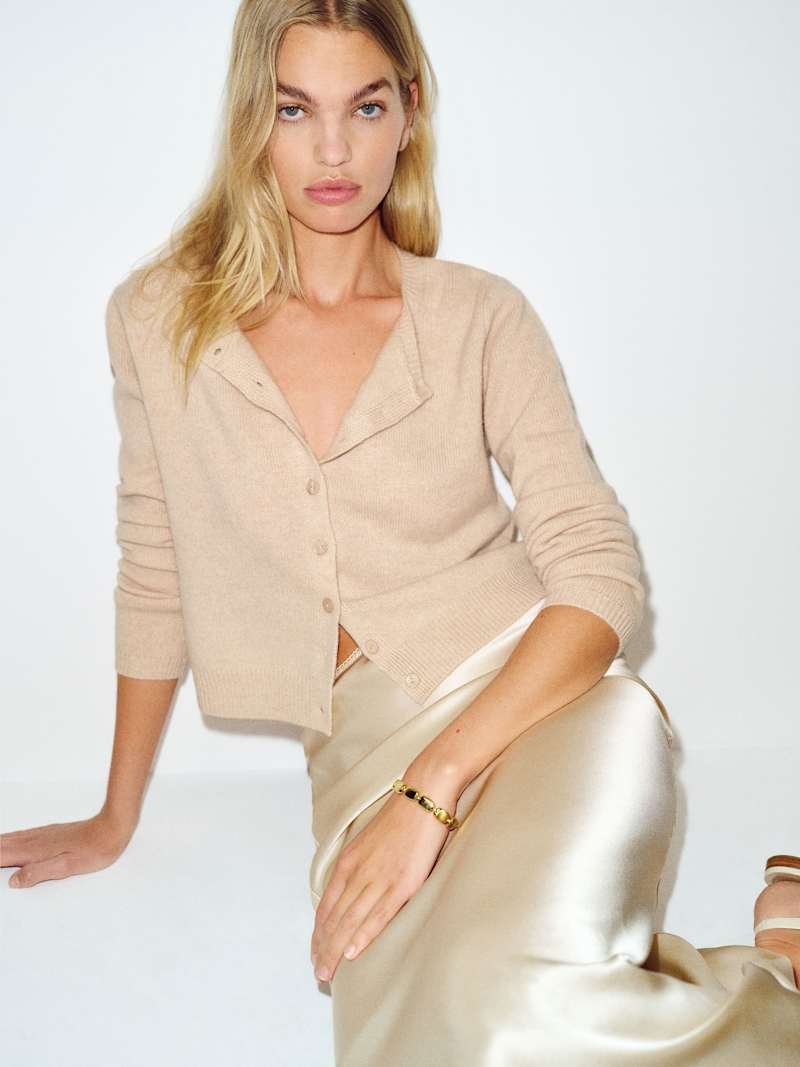
Clara Cashmere Crew Cardigan (Wheat)
$218.00 | Recycled cashmere in warm wheat gives this cardigan real depth against the chocolate palette.
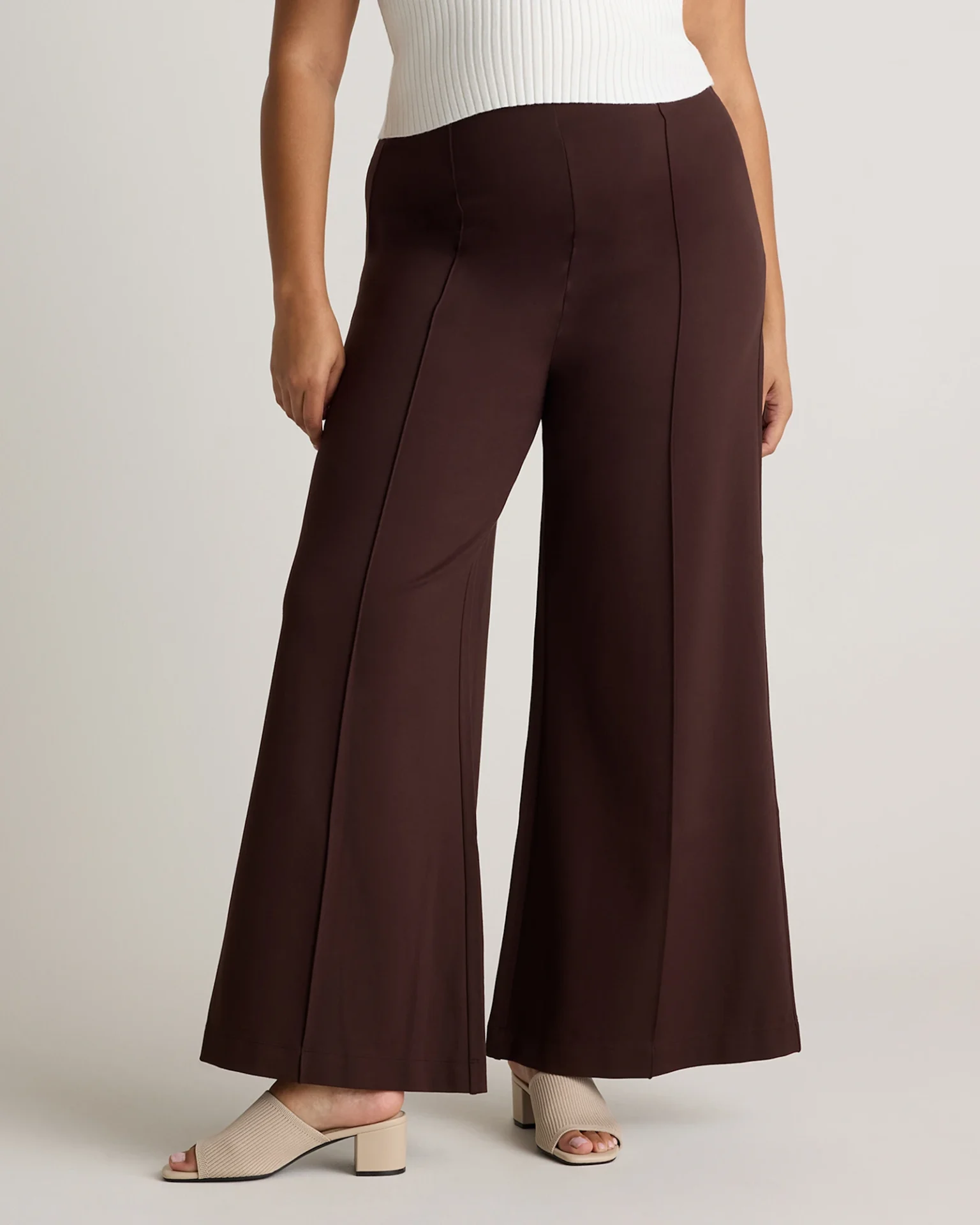
Ultra-Stretch Ponte Super Wide Leg Pants (Espresso)
$44.90 | Under $45, a deep espresso ponte trouser anchors the whole brown color story.
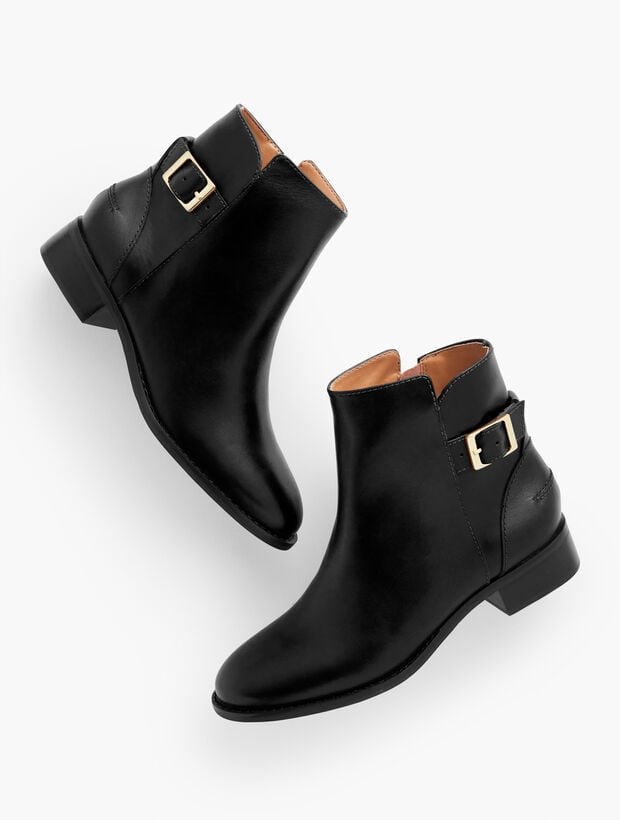
Tish Leather Buckle Ankle Boots (Cognac)
$219.00 | Cognac leather buckle boots are the one polished detail this look needed.
Warm wheat is what makes this cardigan work as the vest substitute it actually is, and honestly it photographs warmer than the original concept would have.
Espresso-brown wide-leg trousers anchor the chocolate palette, and cognac buckle boots are the one detail that makes this read finished instead of just cozy.
Fall layering doesn’t need four pieces when three do the job this well.
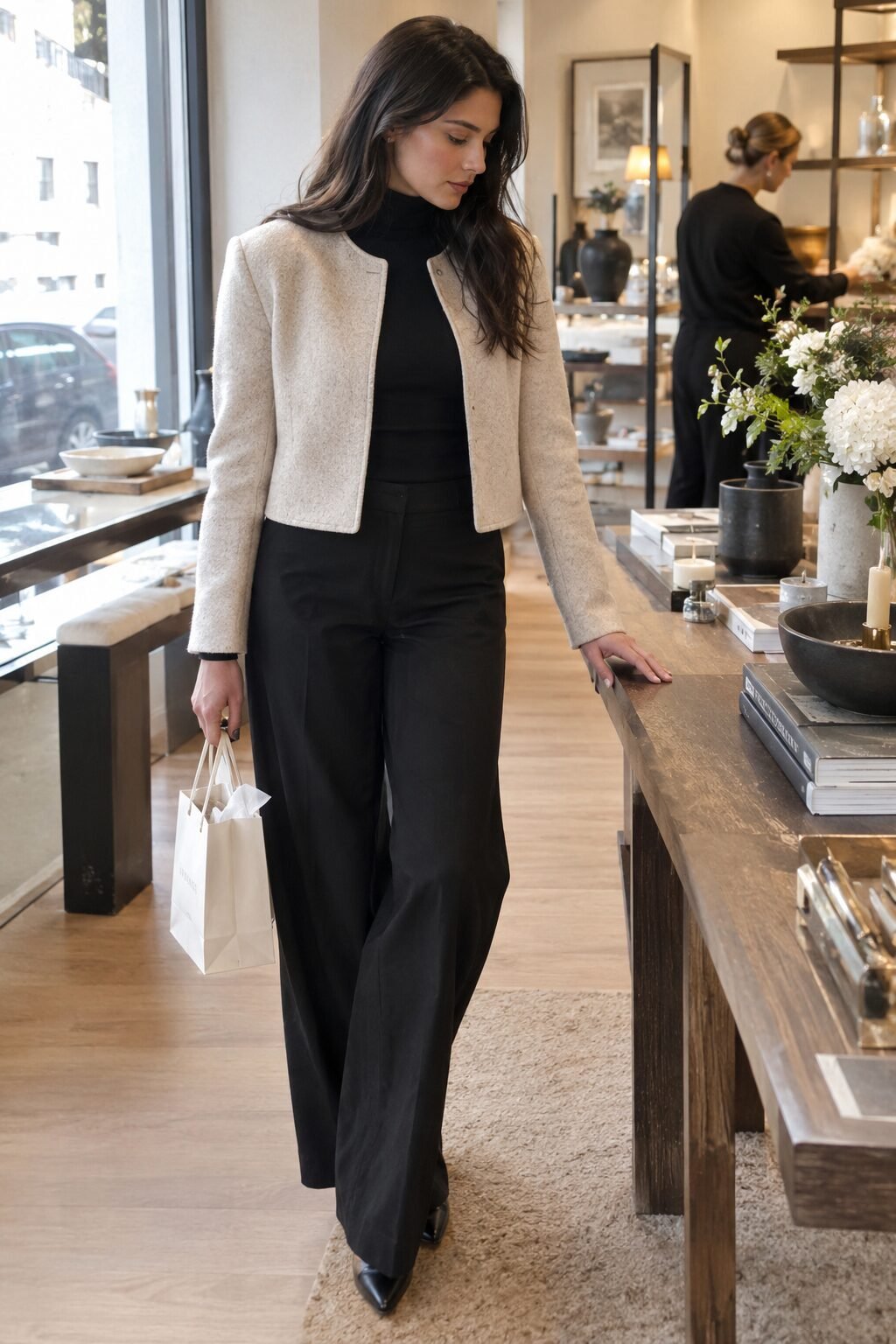
18. Wide-Leg Ponte Trouser, Turtleneck, and Cropped Merino Jacket
Shop the Look
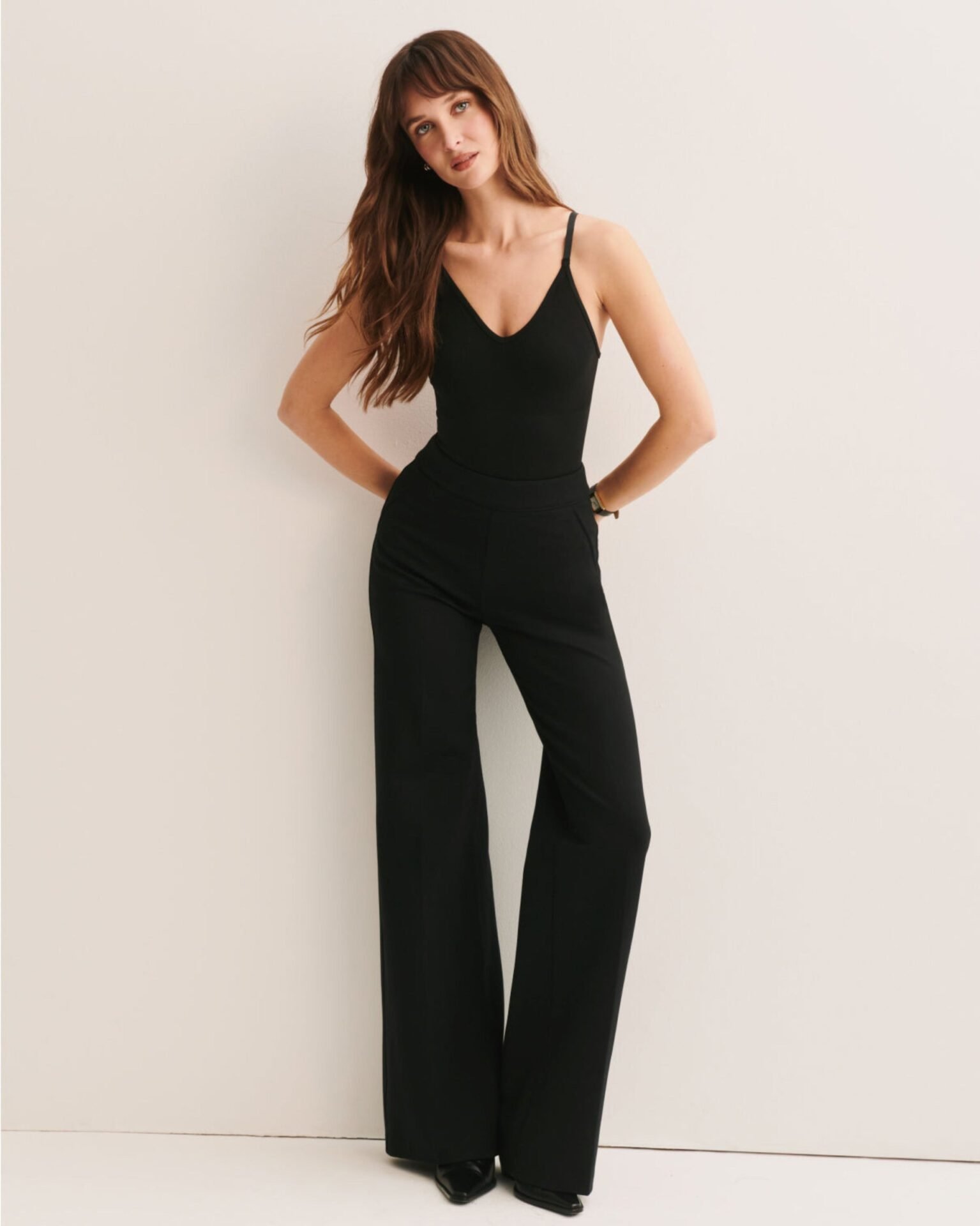
SPANXsupersmooth PerfectFit Ponte Wide Leg Pant (Classic Black)
$195.00 | SupersmoothPonte fabric holds a clean wide-leg line all day without wrinkling.
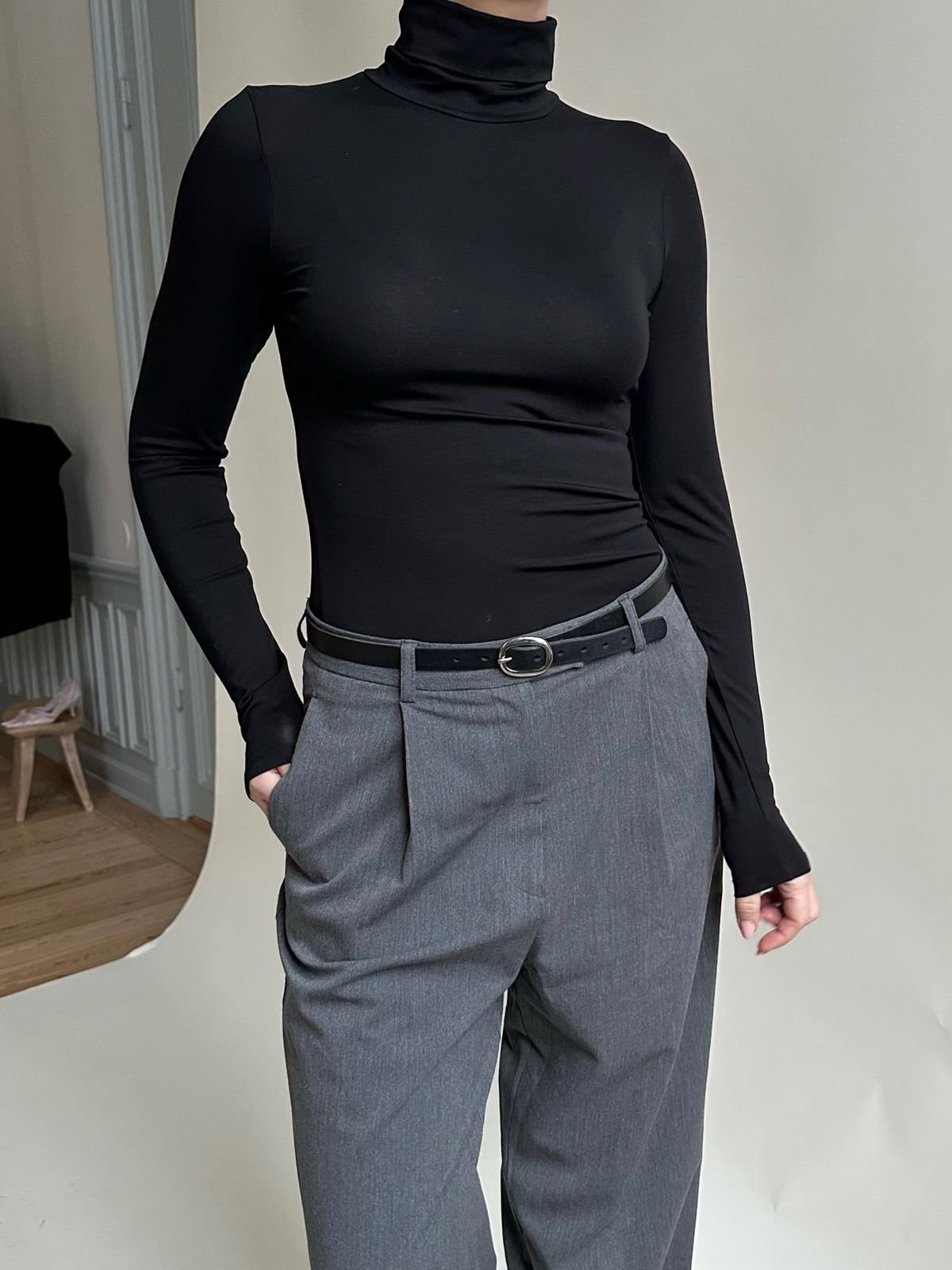
Daily Turtleneck Top (Black)
$37.50 | Fitted and black, this turtleneck keeps the silhouette balanced under the cropped jacket.
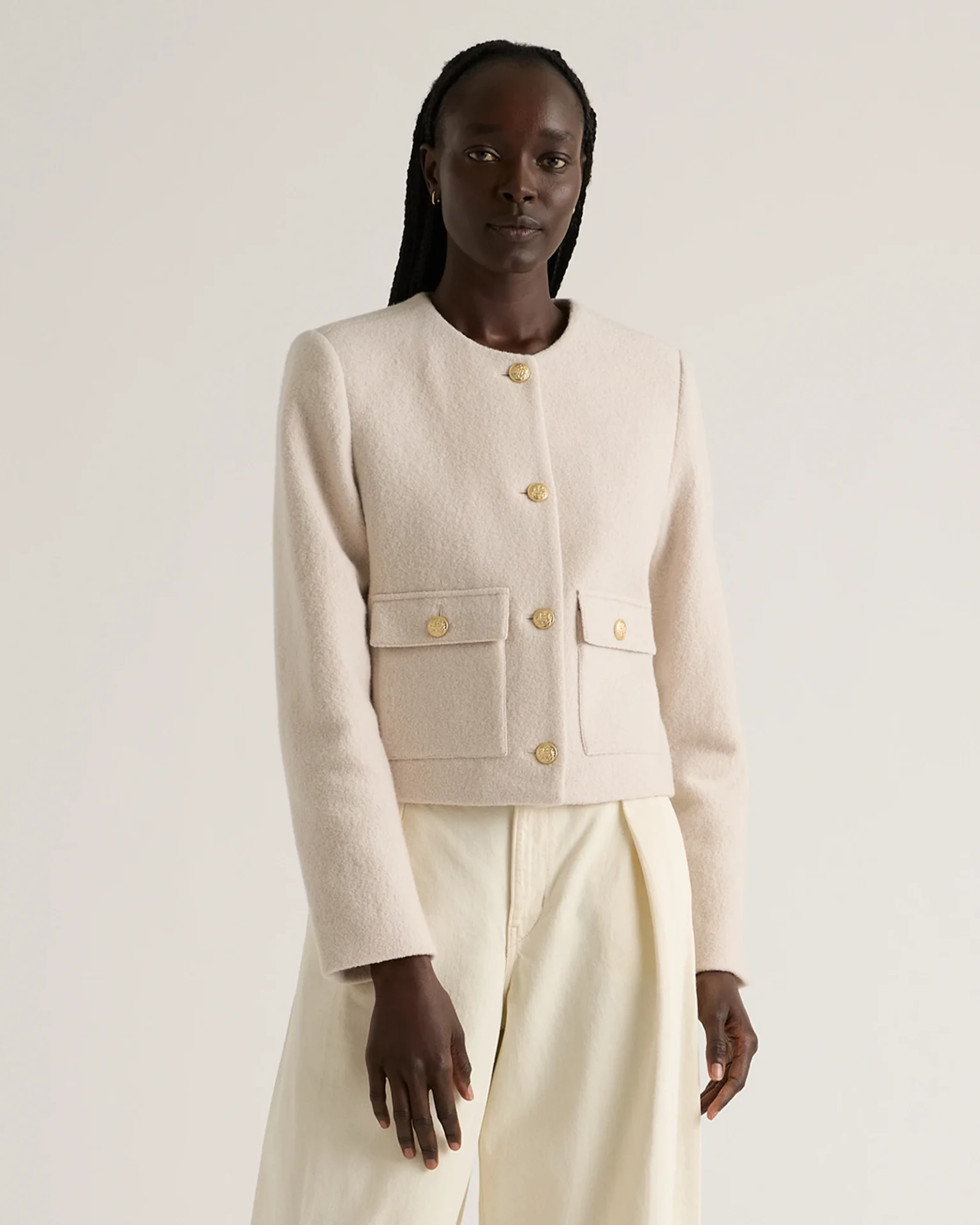
100% Merino Wool Collarless Cropped Jacket (Heather Bone)
$94.00 | 100% merino wool in a genuine cream tone completes the black-and-cream palette with real structure.
A wide-leg ponte trouser stands in beautifully for a true gaucho cut, and the culotte-adjacent silhouette is still exactly the wide-leg trend everyone’s chasing right now.
A fitted black turtleneck keeps the proportions balanced, and a cropped cream merino jacket on top is the layer that turns this into an actual outfit instead of just pants and a top.
Black and cream together never once looks dated.
19. Vegan-Leather A-Line Skirt, Cashmere Crewneck, and a Black Trench
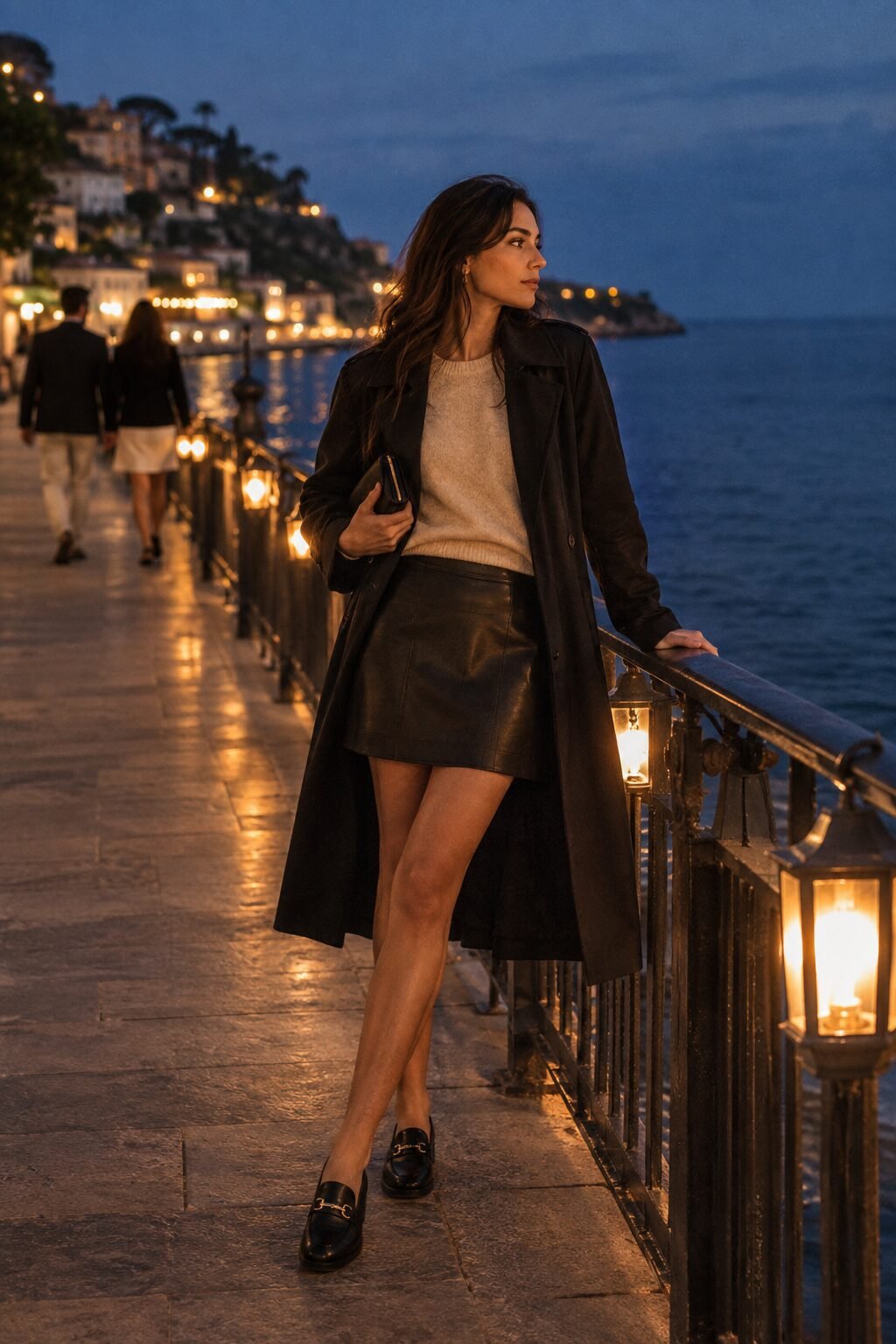
Shop the Look
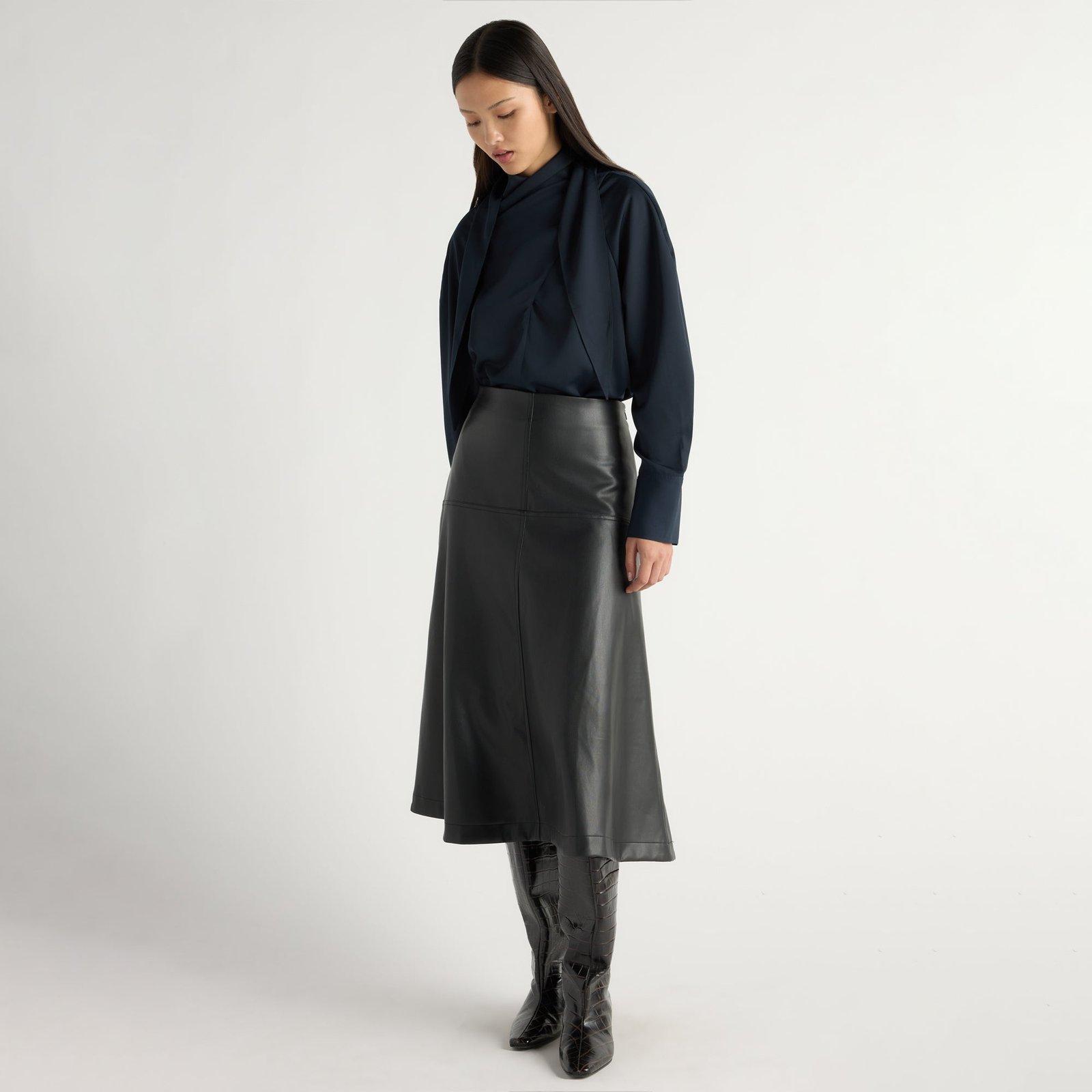
Harley A-Line Vegan Leather Skirt (Black)
$218.00 | A-line vegan leather in black gives real polish without the stiffness of a true pencil cut.
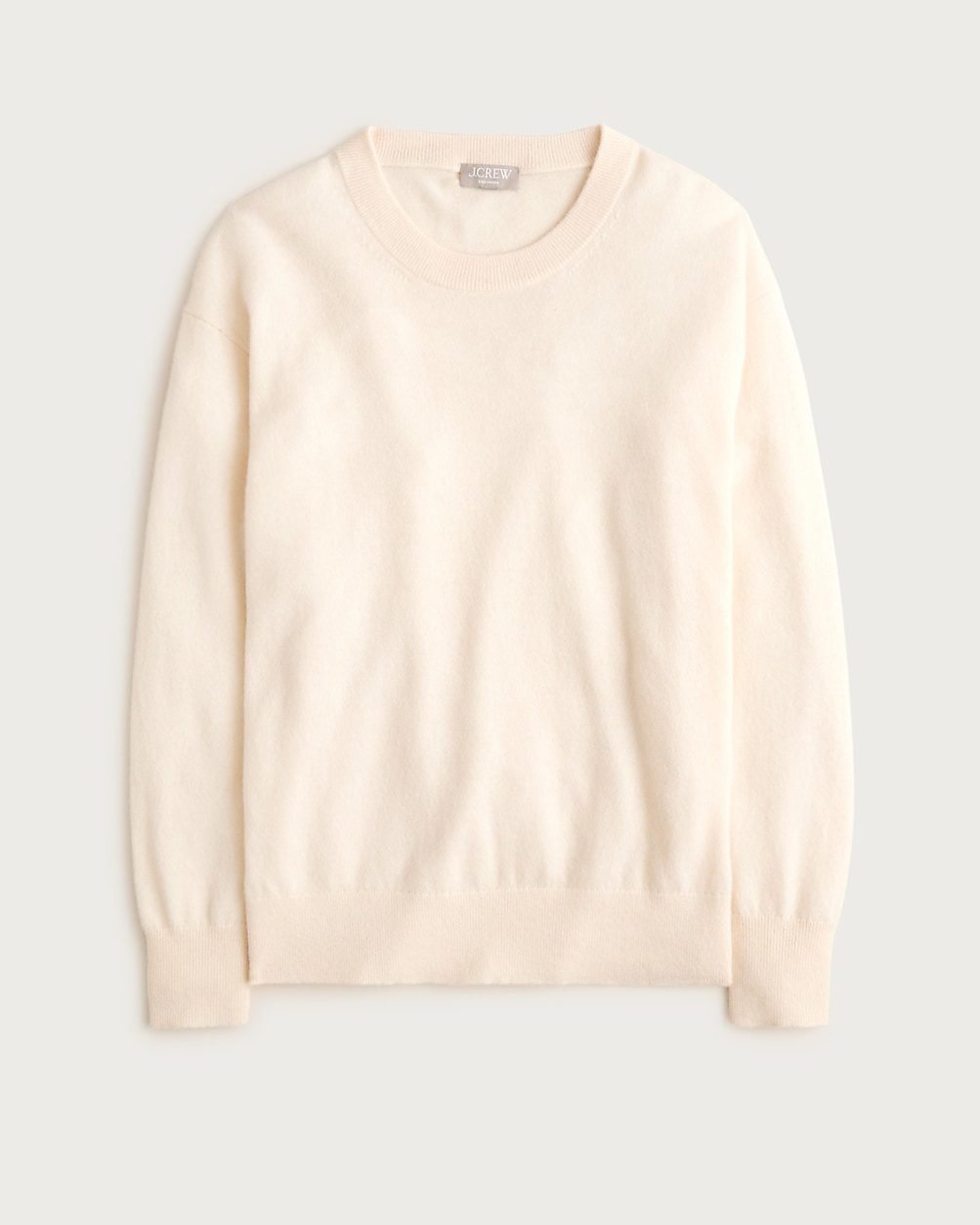
Cashmere Classic-Fit Crewneck Sweater (Heather Natural)
$185.00 | Heather natural cashmere softens the leather skirt’s edge.
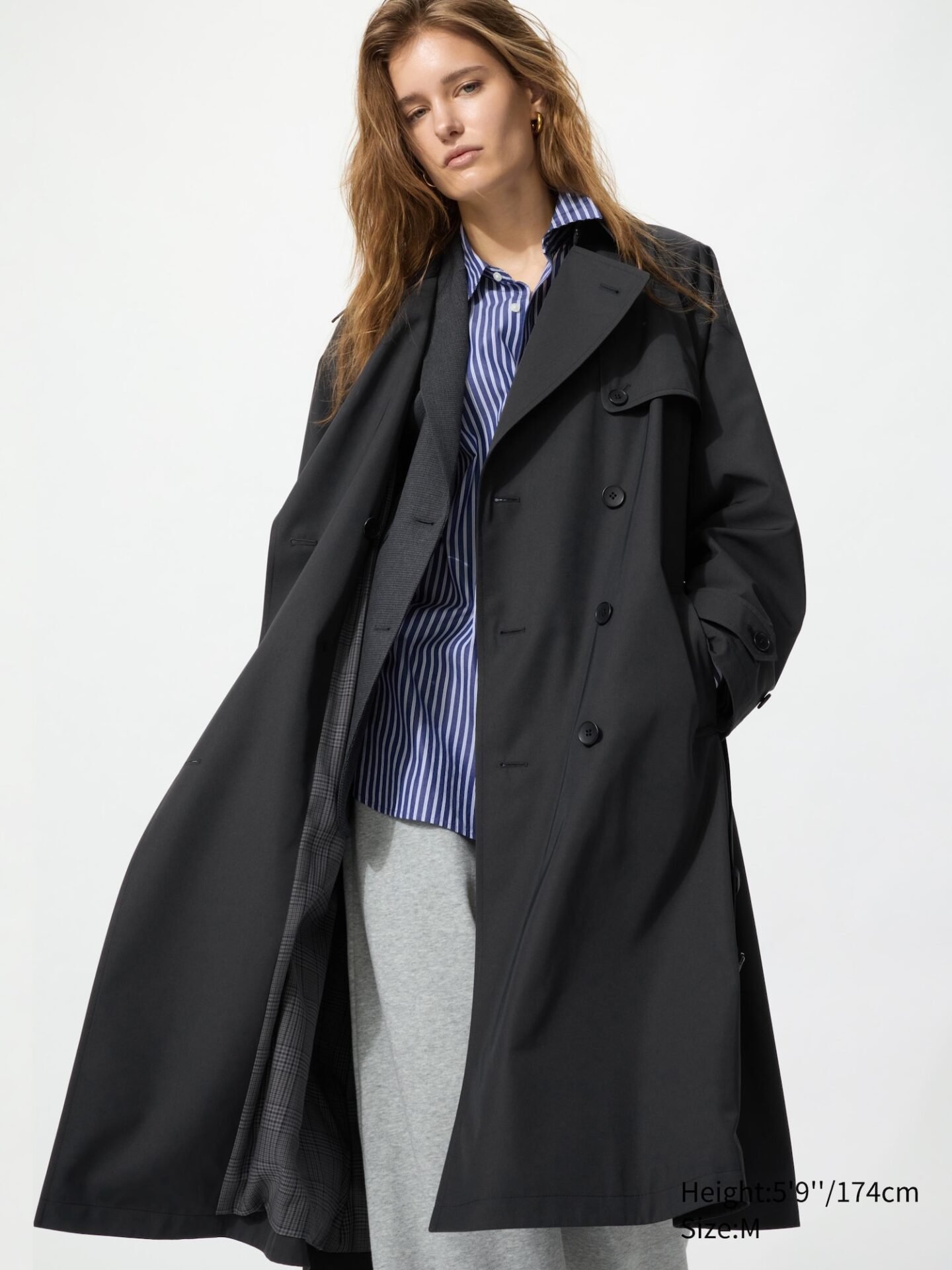
Trench Coat (Black)
$129.90 | Structured and water-resistant, this trench under $130 finishes the evening look with real outerwear presence.
Vegan leather in a sleek A-line gives you the pencil-skirt effect here without the fabric actually clinging the way real leather does.
A soft oatmeal cashmere crewneck on top keeps the whole outfit from reading too severe, and a black trench over everything is what makes it work for actual evening cold.
Leather and cashmere together is a texture pairing I’d defend every time.
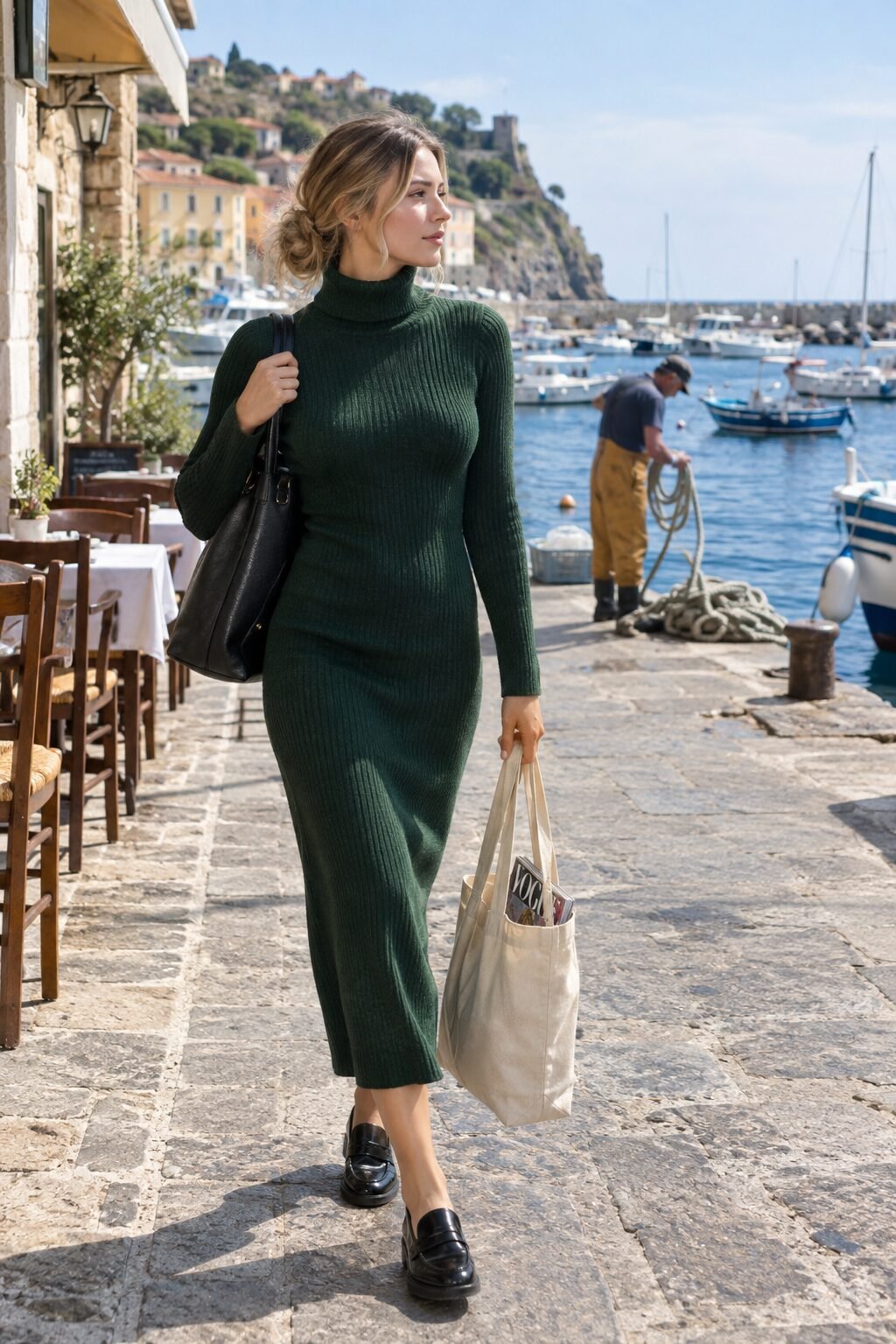
20. Cashmere Turtleneck Dress, Structured Tote, and Spazzolato Loafers
Shop the Look
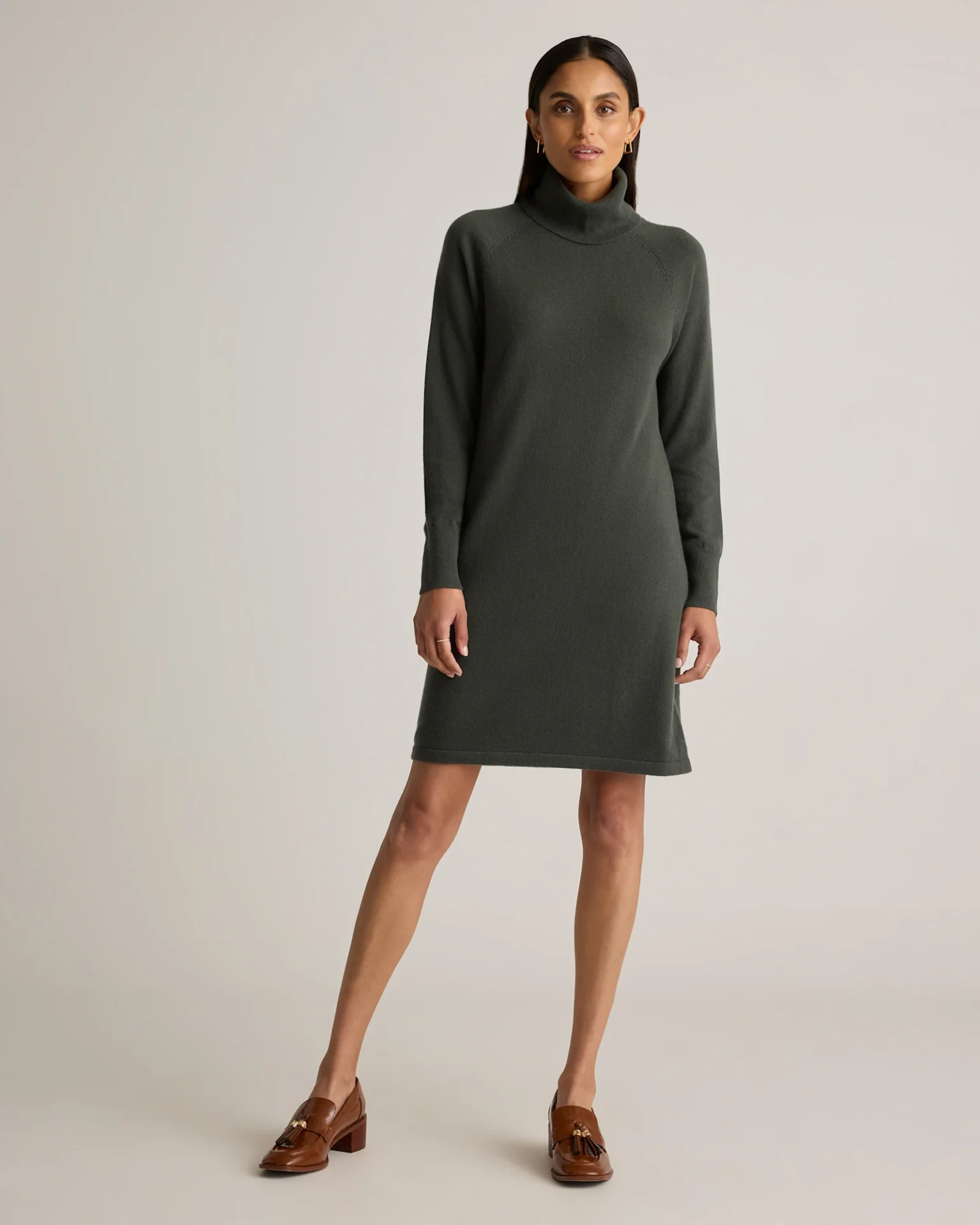
Mongolian Cashmere Turtleneck Sweater Dress (Moss)
$119.90 | A true forest-green cashmere turtleneck dress under $120 is a genuine cashmere investment at a fraction of typical pricing.
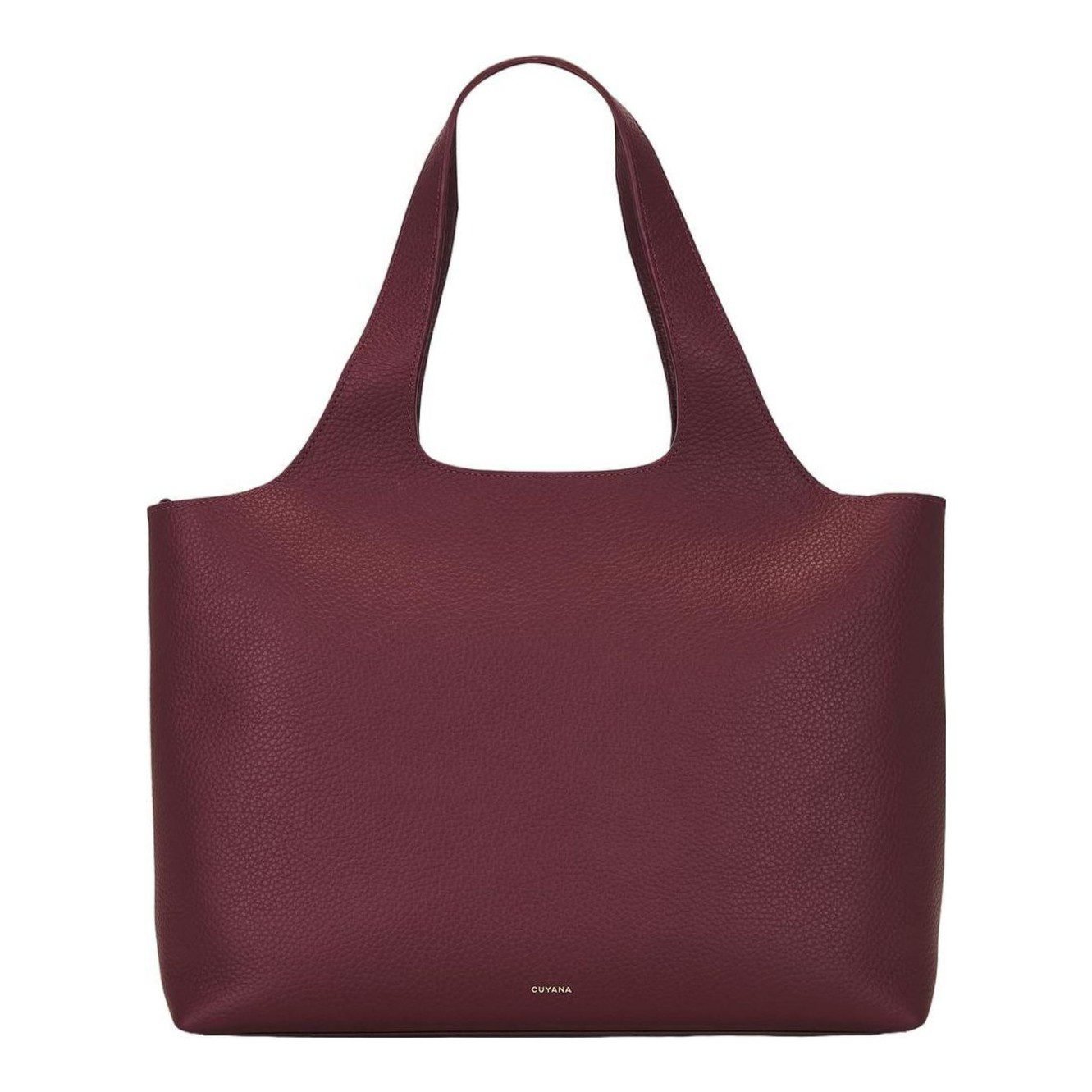
System Zipper Tote 13-inch (Black)
$478.00 | The one true splurge here: a structured black leather tote built to last years.
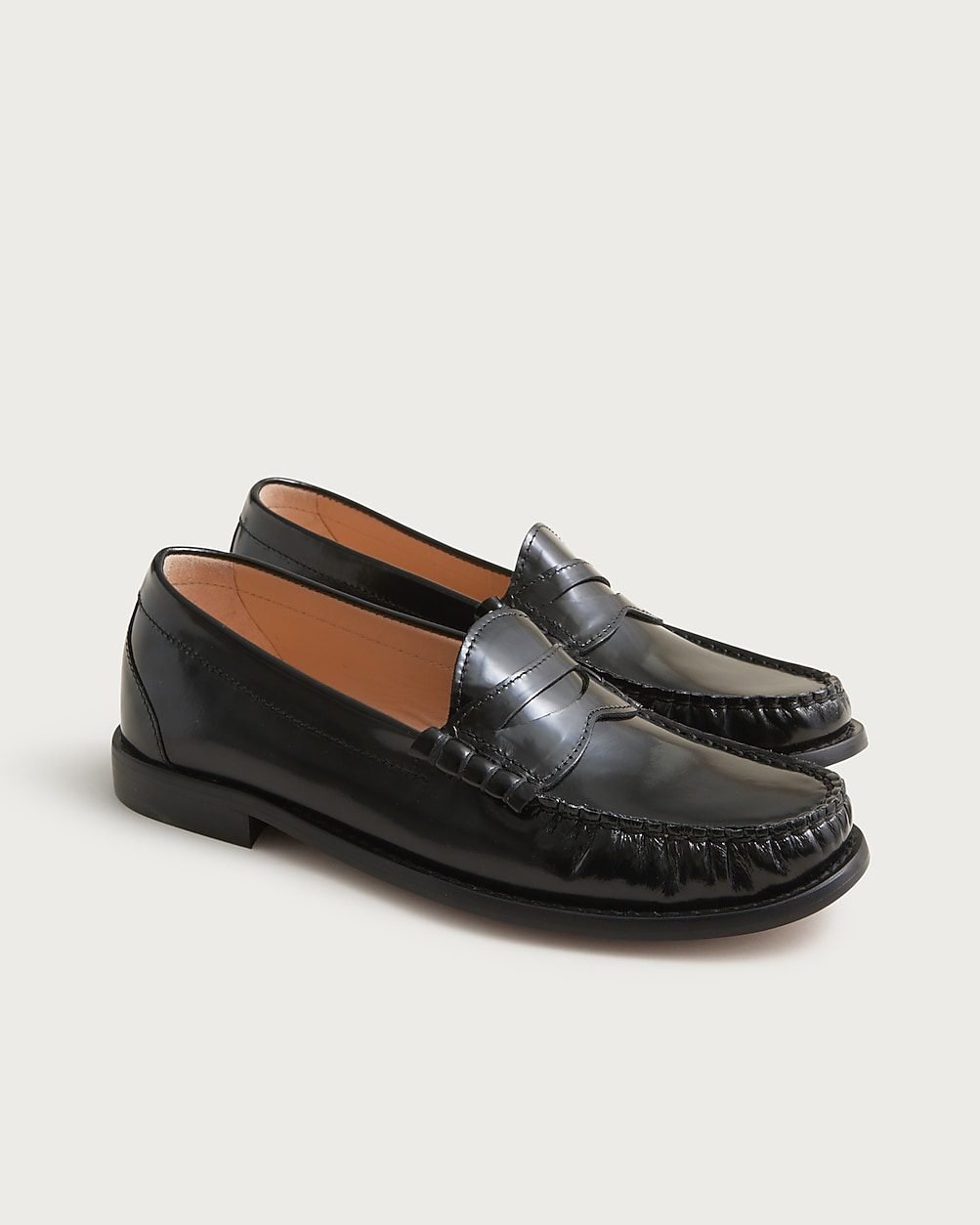
New Winona Penny Loafers in Italian Spazzolato Leather (Black)
$247.00 | Italian spazzolato leather loafers give the everyday-elevated look a genuine leather-goods finish.
A ribbed cashmere dress is the easiest way to look elevated on a day you genuinely didn’t try, and forest green is the richest neutral on this whole list.
A structured black tote adds the one polished edge the dress needs, and spazzolato loafers keep the whole thing grounded instead of precious.
Forest green wears this well precisely because it never asks for attention.
Want the Full Wardrobe Formula?
The Timeless Wardrobe Blueprint is a 28-page workbook for women that walks you through the exact formula behind outfits like these.
$19.00
Shop the BlueprintHow to Tell Which 2027 Trends Will Actually Last (and Which Are a Fad)
Every year a handful of trends get reported before a single retailer has actually restocked them twice, and that’s usually the tell.
A real trend, the kind worth spending real money on, tends to show up in a classic silhouette wearing a fresh color or proportion, not in a brand-new silhouette nobody’s worn before.
Butter yellow and camel monochrome from this list are good examples: the shapes underneath are decades old, only the color story feels new.
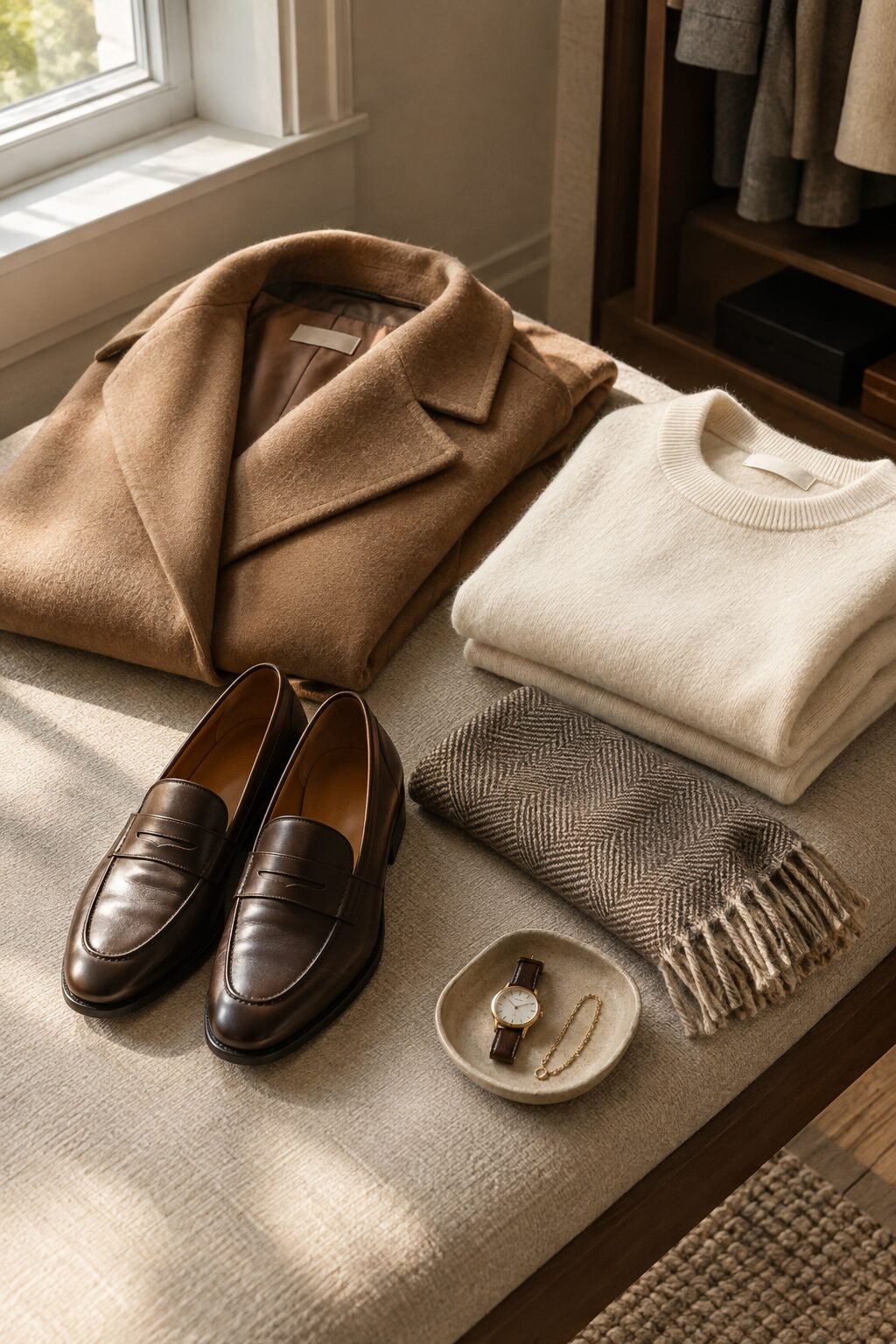
If a piece only works in one exact styling context you saw in one photo, it’s a costume, not an investment.
I’d rather buy a slightly boring cut in a genuinely current color than a wild cut I’ll be embarrassed by in eighteen months.
Twenty outfits is a lot to take in at once, so don’t feel like you need to buy from every single one of these looks.
Pick one or two trends that actually fit how you already dress, and build outward from there.
The pieces on this list were chosen because they hold up past a single season, not because they’re loud enough to trend on their own.
Frequently Asked Questions
Do I need to buy all 20 of these looks to update my wardrobe for 2027?
No, and I’d actually discourage it. Pick two or three trends here that already fit pieces you own, and build from there instead of buying a whole new wardrobe at once.
Which of these trends will still look current in a few years?
Tonal camel dressing, wide-leg trousers, and a good cashmere turtleneck are the safest long-term bets on this list. A statement collar or a bold trend color will feel more of-the-moment, so it’s worth buying those at the lower price points here rather than splurging.
Is it worth spending more on a trend piece versus a classic one?
Only if the fabric or construction genuinely earns it, like the cashmere pieces here that cost more but pill less and drape better. A loud print or a fast-moving silhouette is exactly where I’d spend less, not more.
How do I make a trend-forward piece feel less trendy and more like it belongs in my closet?
Pair it with something you already own and trust, the way a butter-yellow sweater gets grounded by a plain ivory trouser in this list. One trend piece per outfit is usually the right ratio.
You Might Also Like

Save This For Later

Loved 2027 fashion trends worth investing in? Save this pin to your Pinterest board now so you can find it again anytime you need the inspiration.
