



This post contains affiliate links. If you make a purchase through one of these links, Heritage Mode Maison may earn a small commission at no extra cost to you.
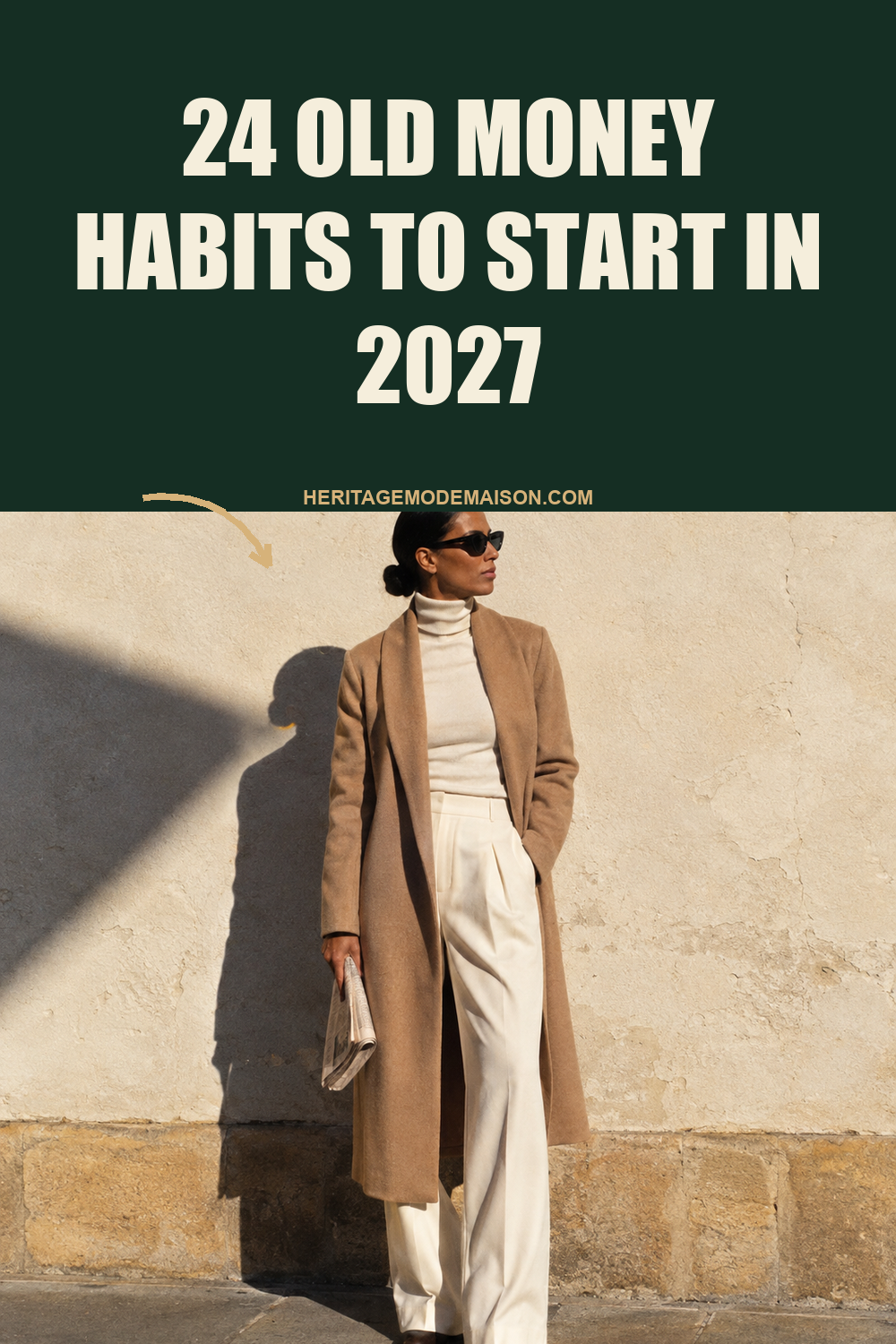
Old money habits are less about the coat you buy and more about the ten decisions you make before you ever leave the house.
The pattern is almost never the price tag. It’s a schedule for polishing shoes, a drawer of real stationery, a table set on a Tuesday, a signature palette that hasn’t changed in a decade.
That is good news, because every one of them works in an ordinary home on an ordinary income.
These are the 24 I’d start in 2027, grouped the way a day actually runs: what you wear, how you look after it, how you host, how you treat people, and how you spend your own time.
The wearable ones come paired with real pieces. The old money lifestyle habits with no product attached are left exactly as they are: quiet, unphotographed, and doing most of the real work.
Pick two or three to begin with. All 24 at once is a January burst, and that is the opposite of the point.
1. Fewer, Better Basics: A Camel Blazer, Black Trouser, and Ivory Cashmere
Shop the Look
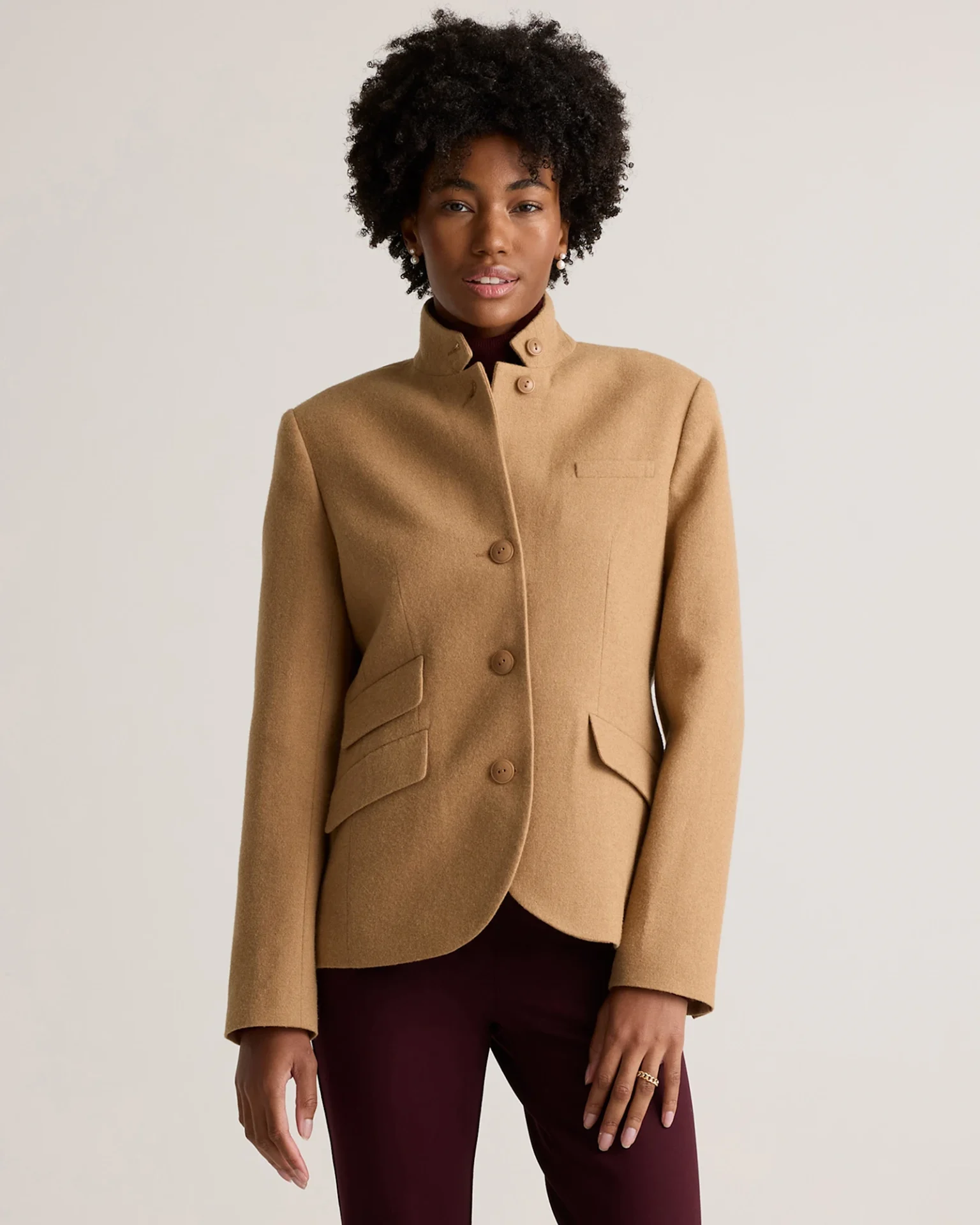
Italian Wool Stand Collar Blazer (Warm Camel)
$100.00 | Of everything here, this Italian wool blazer is the cheapest way I’ve found to own a genuinely well-tailored jacket instead of a fast-fashion stand-in.
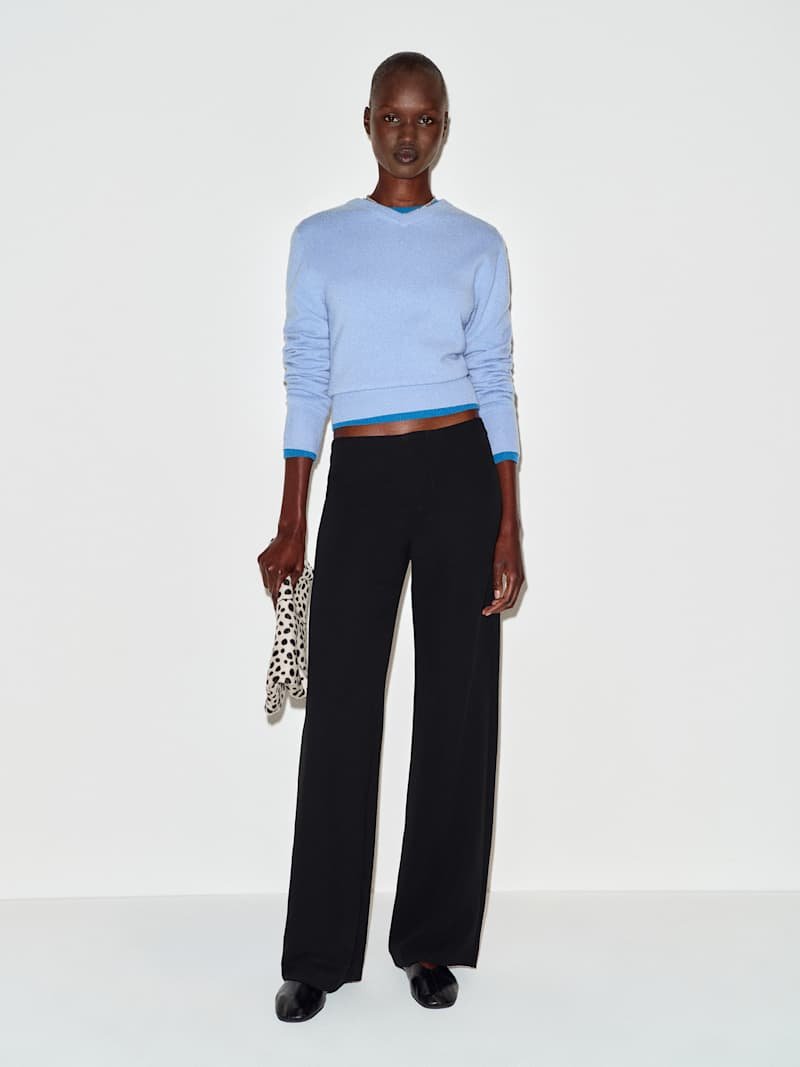
Vida Low Rise Pant (Pitch Black)
$198.00 | A trouser with this much structure holds its shape through a full day, which is the entire point of buying one good pair instead of three flimsy ones.
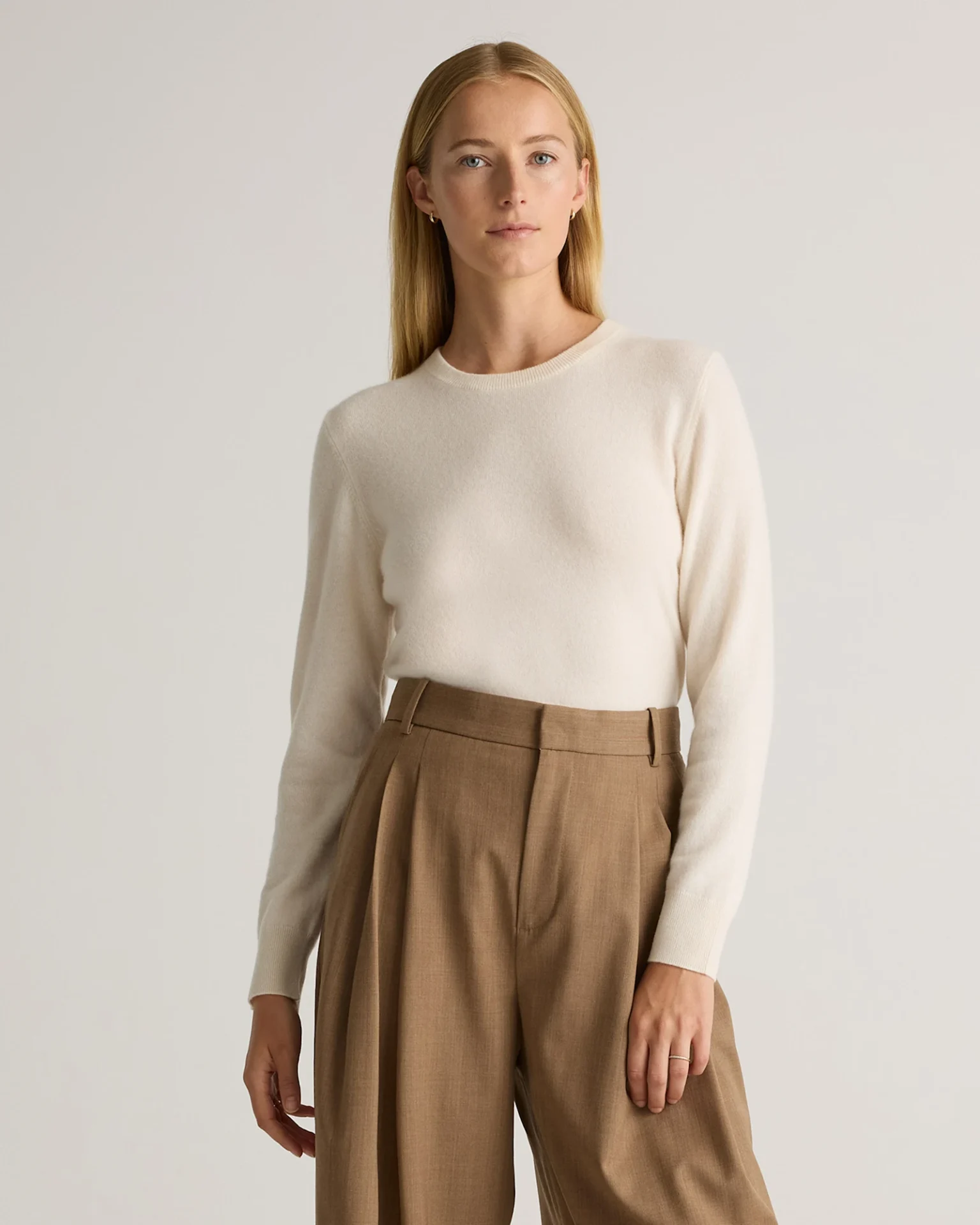
Mongolian Cashmere Crewneck Sweater (Ivory)
$50.00 | Grade-A Mongolian cashmere this soft works alone or under the blazer, and it’s the one piece here I’d replace last.
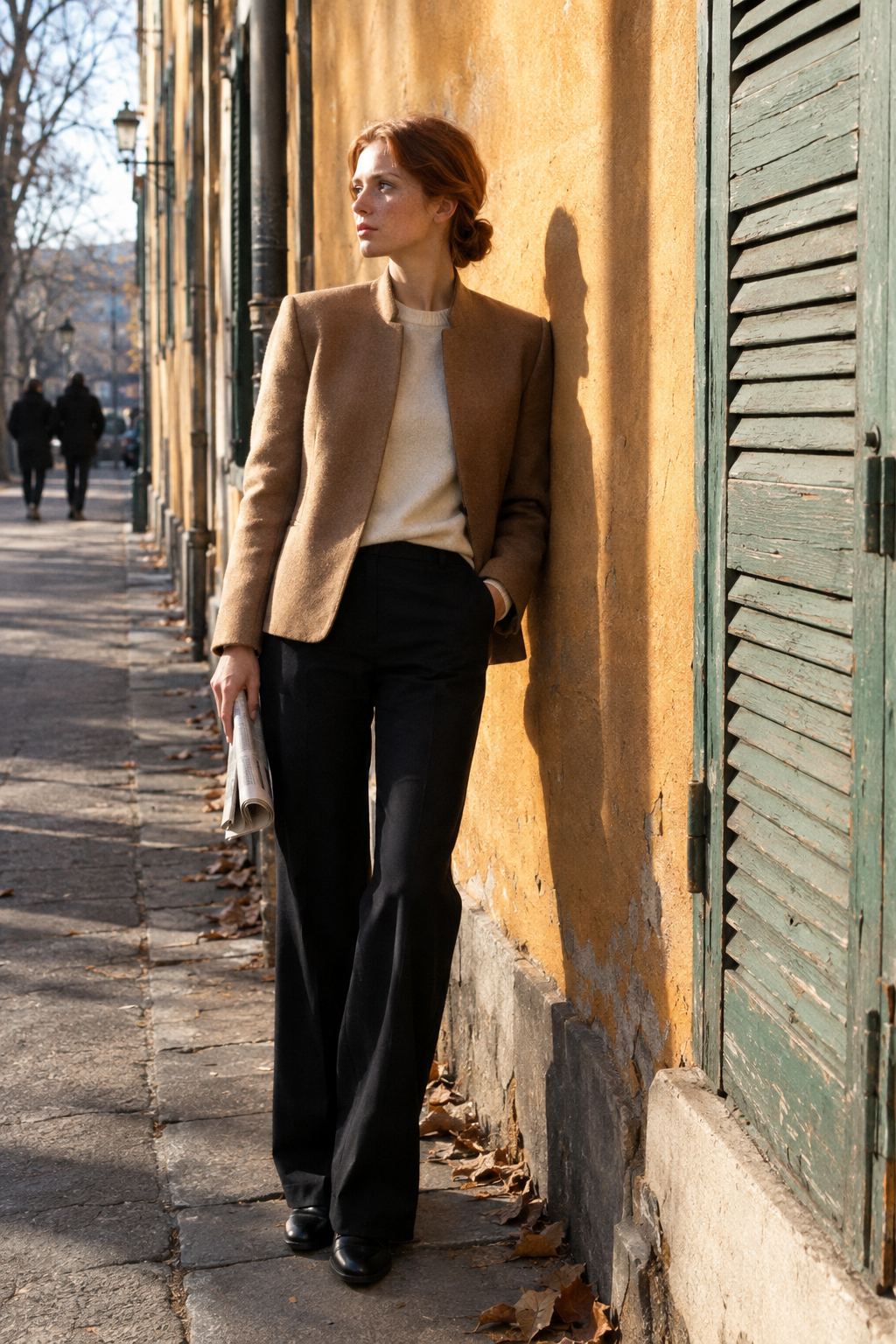
One well-cut wool blazer beating three flimsy polyester ones isn’t a fluke, it’s the whole argument for this habit.
Build the rotation around three pieces that actually do their job: a camel blazer with real structure, a black trouser with enough weight to hold a crease, and an ivory cashmere layer soft enough to wear alone.
None of the three are trend pieces, which is exactly why they’ll still be in rotation five years from now.
The real test of a quality basic isn’t how new it looks, it’s how long it’s been worn.
2. Take the Clothes You Already Own to a Tailor
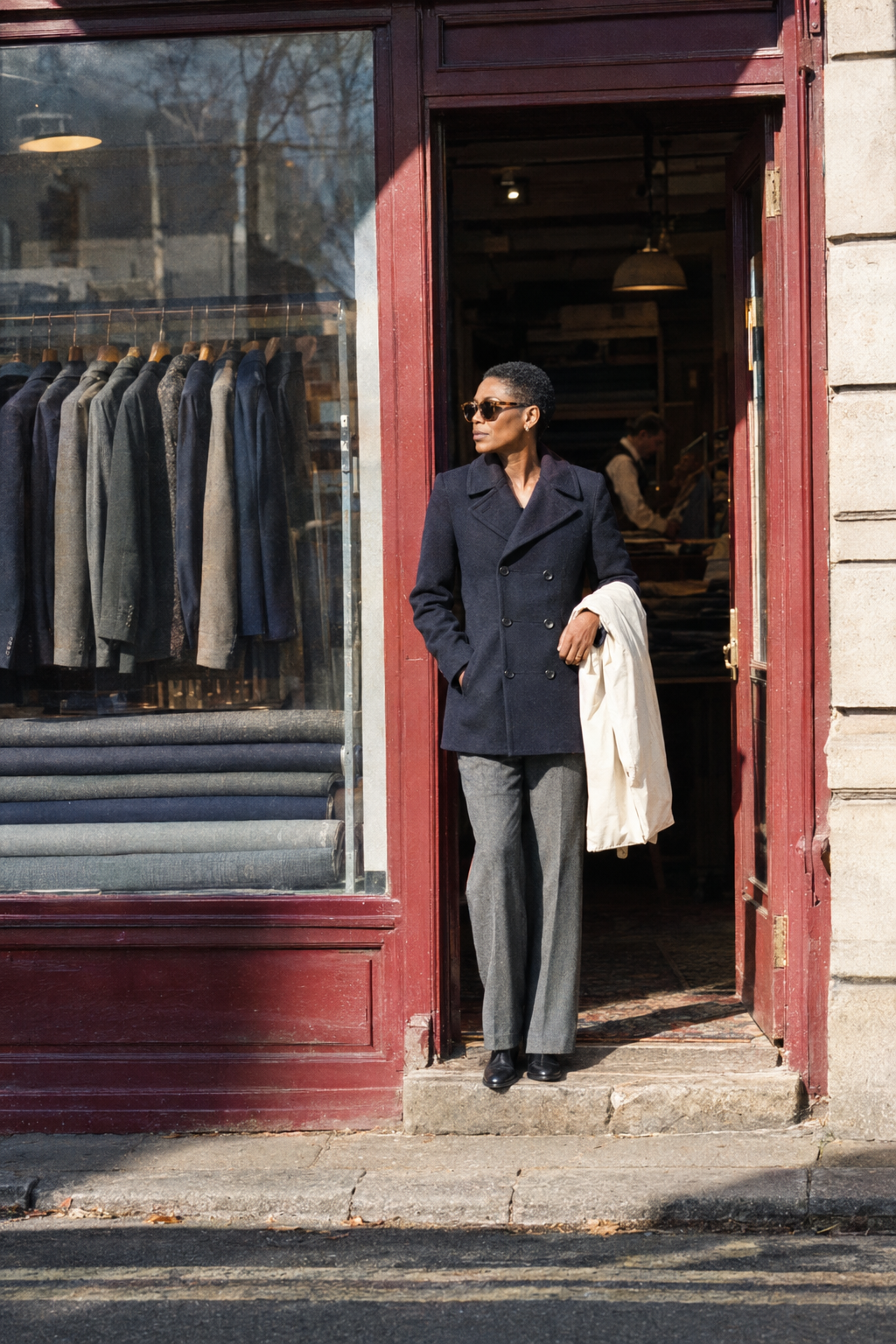
Fit is what people read as expensive, long before they notice fabric or brand. A mid-priced blazer with the sleeve ending at the wrist bone looks better than a costly one that swallows your hands.
The mechanic is simple: off-the-rack clothes are cut for an average body that nobody actually has. A tailor closes the gap between that average and you, most often at the sleeve, the trouser hem and the waist.
So this year I am moving part of my clothing budget from buying to altering.
Start here: take the blazer or trousers you wear most to a local alterations shop and ask what they would change.
3. One Camel, Ivory, and Black Palette Instead of a Trend Cycle
Shop the Look
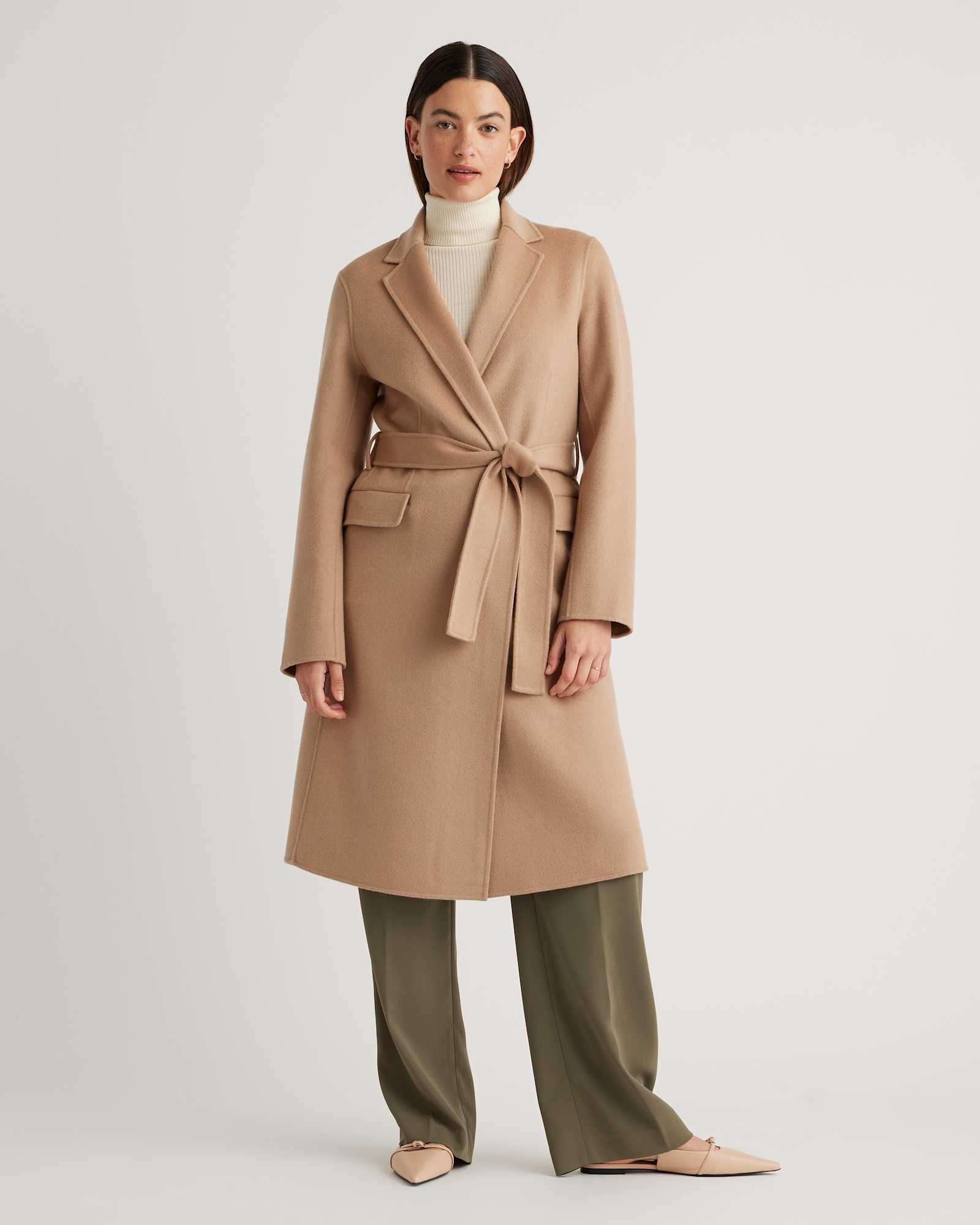
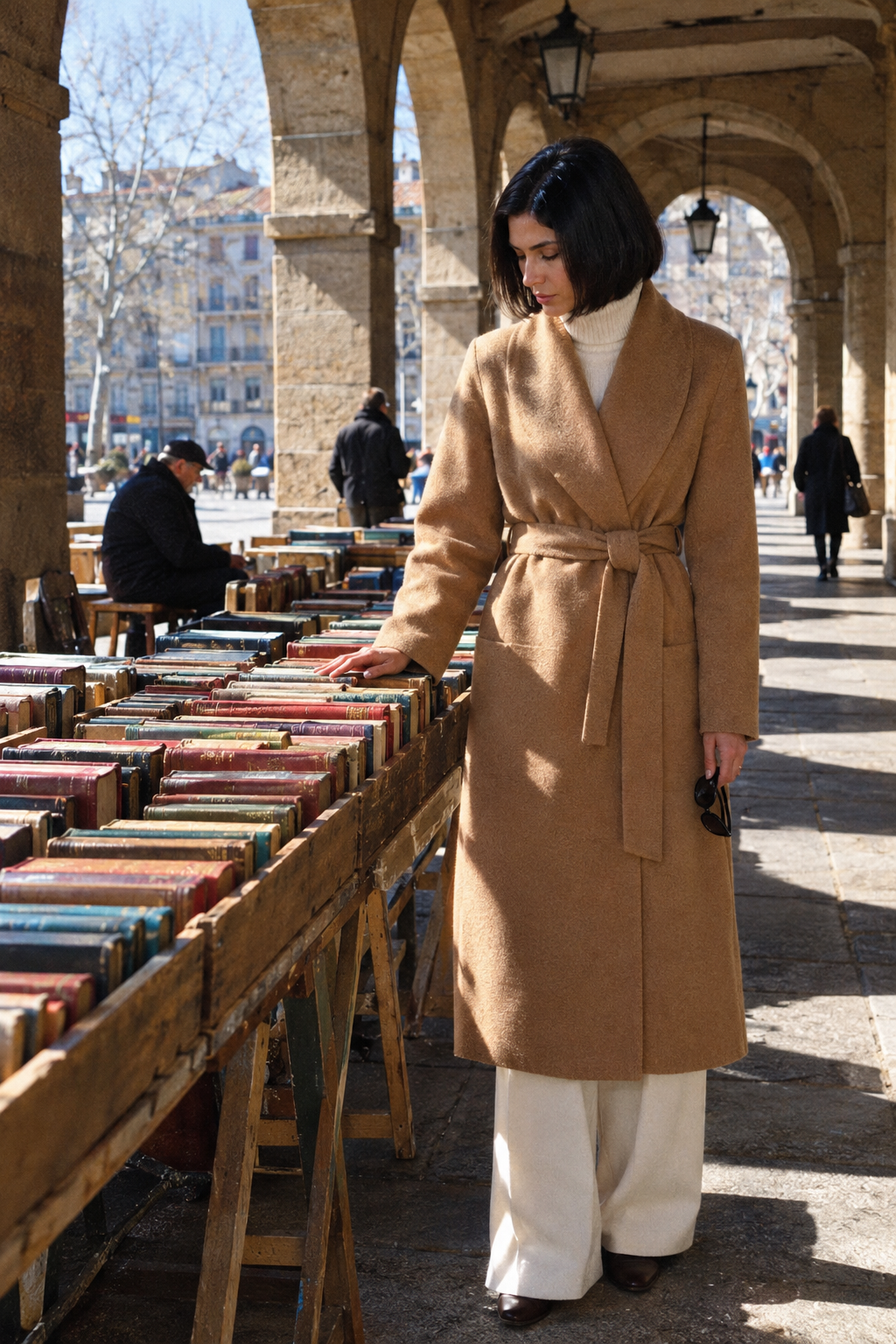
100% Mongolian Cashmere Double-Faced Wrap Coat (Camel)
$500.00 | Double-faced Mongolian cashmere in camel is the one true investment piece here, built to anchor a decade of outfits, not one season.
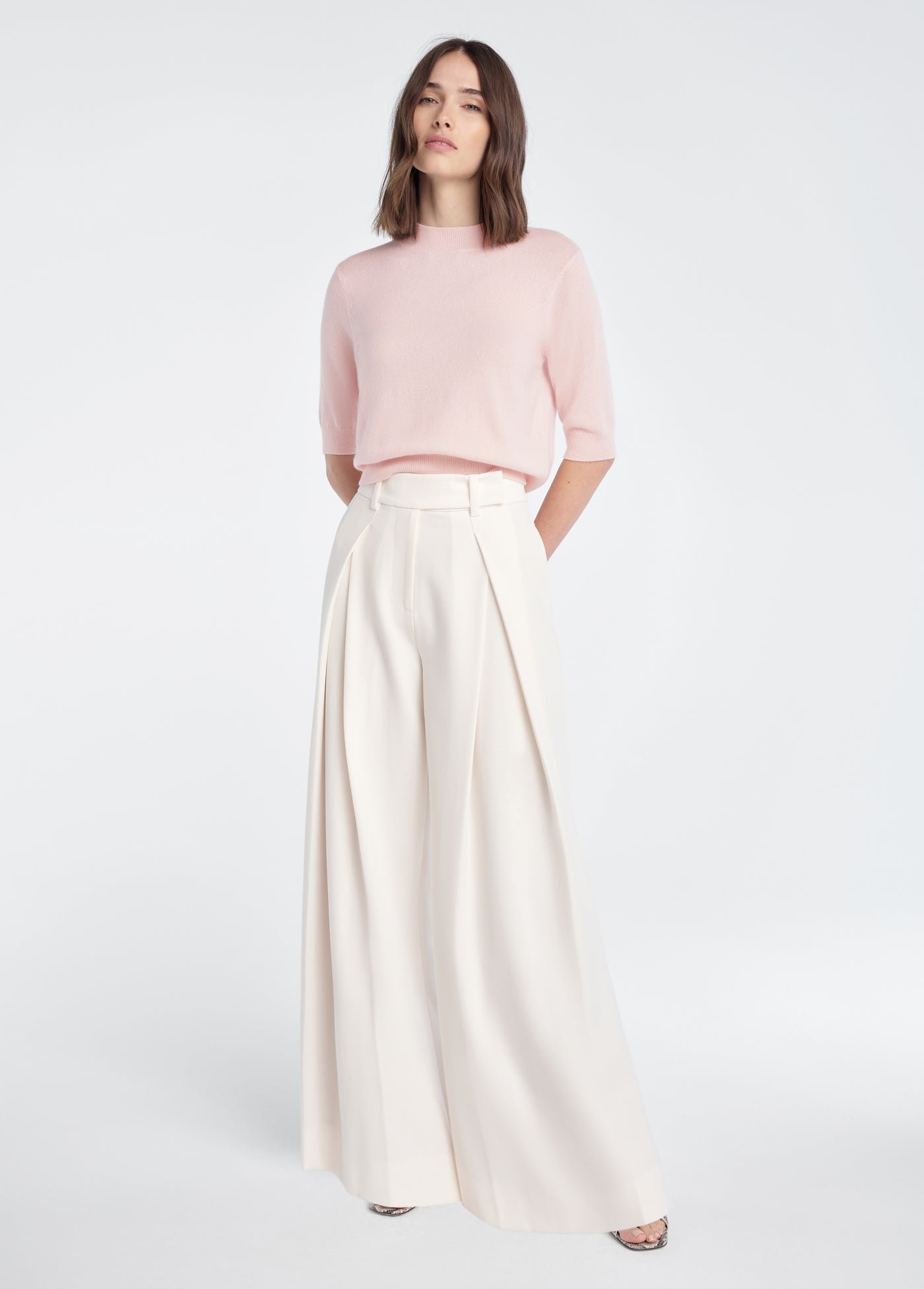
The Pleats For Days Pant (Ivory)
$268.00 | Ivory trousers with deep pleats and a full wide leg read expensive precisely because a pale color has nowhere to hide a bad cut.
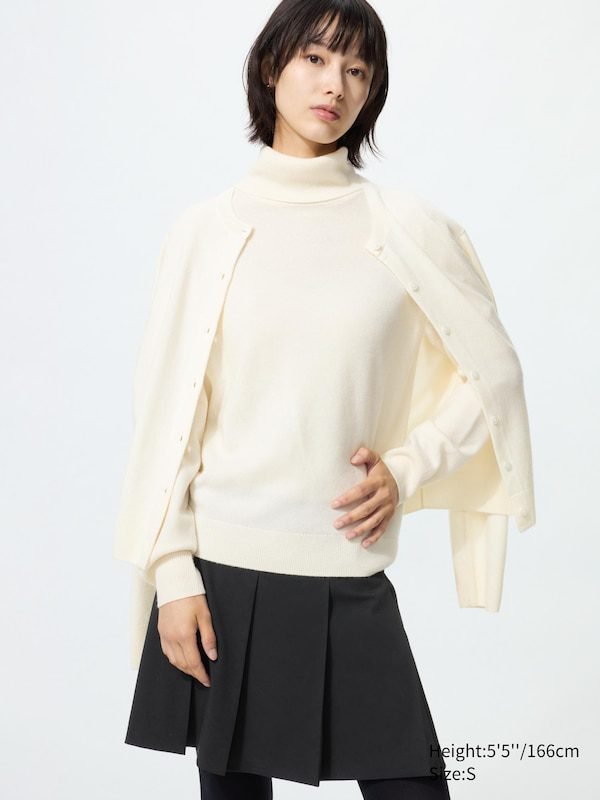
Cashmere Sweater | Turtleneck (Off White)
$99.90 | Pure cashmere in off white is the easiest way to keep this palette going without another splurge.
Three colors do more work in a closet than thirty ever will, because every single piece already matches everything else in it.
Camel, ivory, and black cover almost every occasion on this list, from a wrap coat worth the splurge to ivory pleated wide-leg trousers and a cashmere turtleneck that pulls its weight daily.
Committing to one palette isn’t a limitation, it’s the shortcut that makes getting dressed fast instead of a daily negotiation.
I’d rather own twelve pieces that all work together than forty that mostly don’t.
4. Dress For Where You’re Going, Not Where You Are
Shop the Look
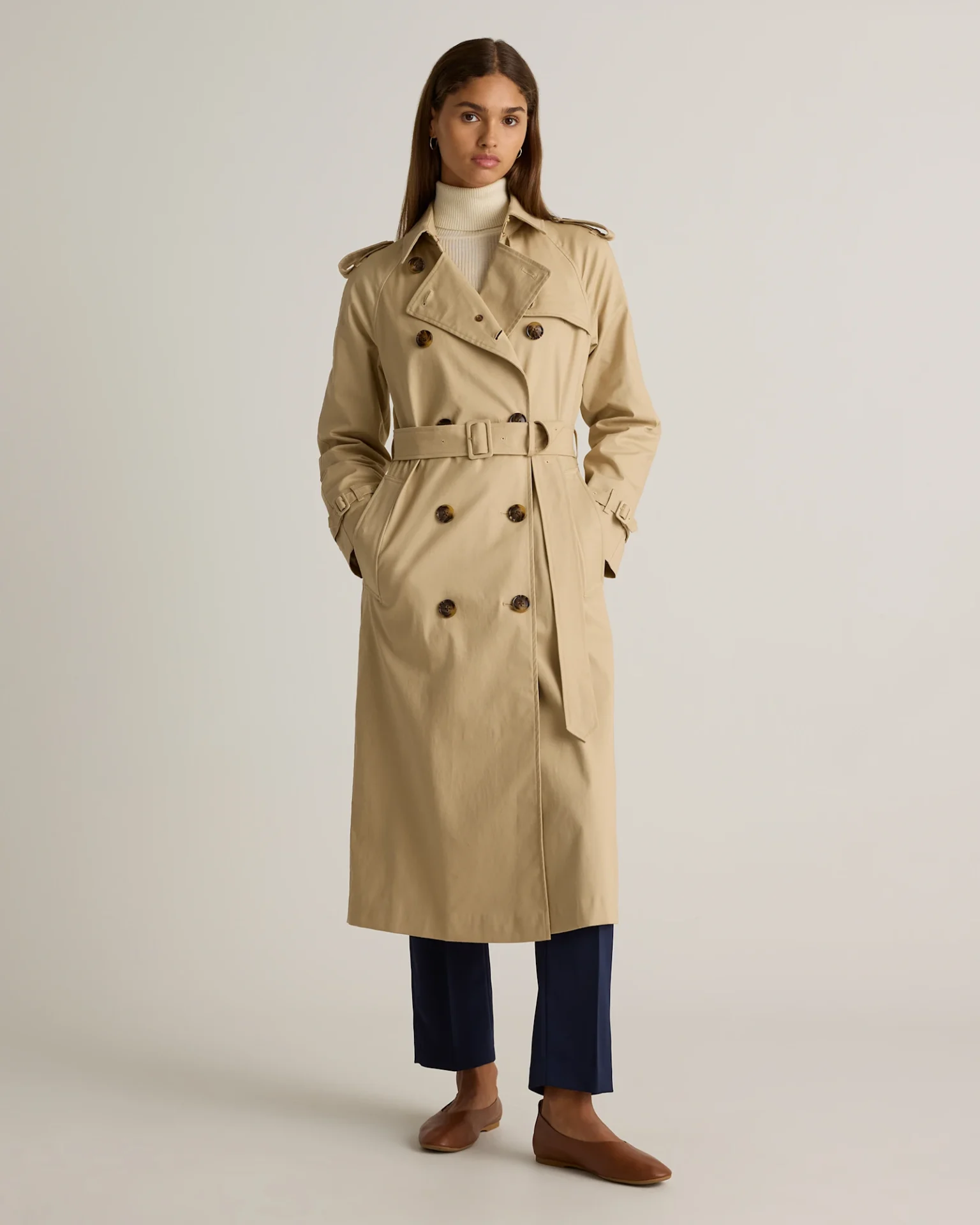
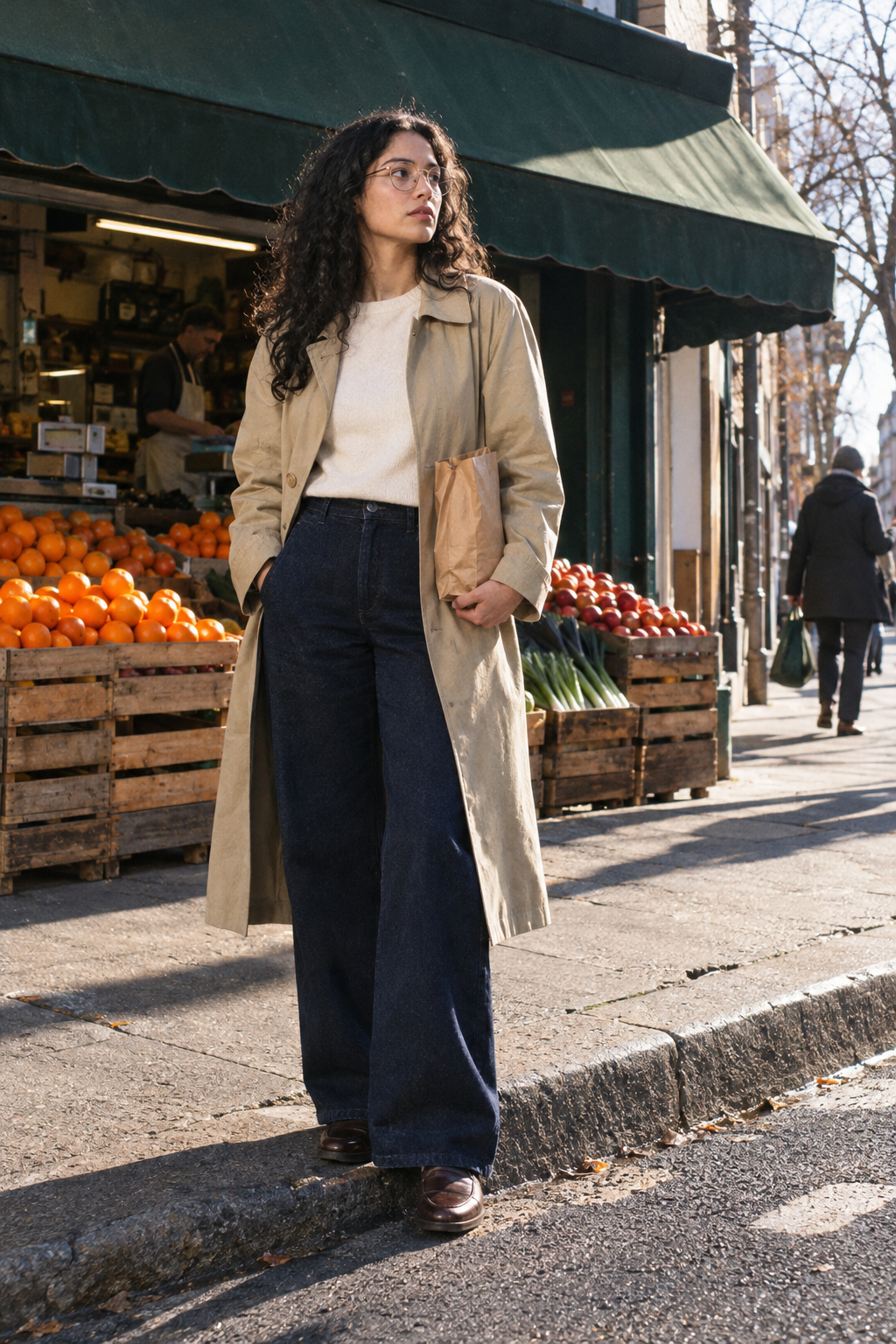
Comfort Stretch Long Trench Coat (Light Khaki)
$130 | Light khaki cotton with a storm flap, a full lining and a removable belt gives a five-minute errand the look of an actual outfit.
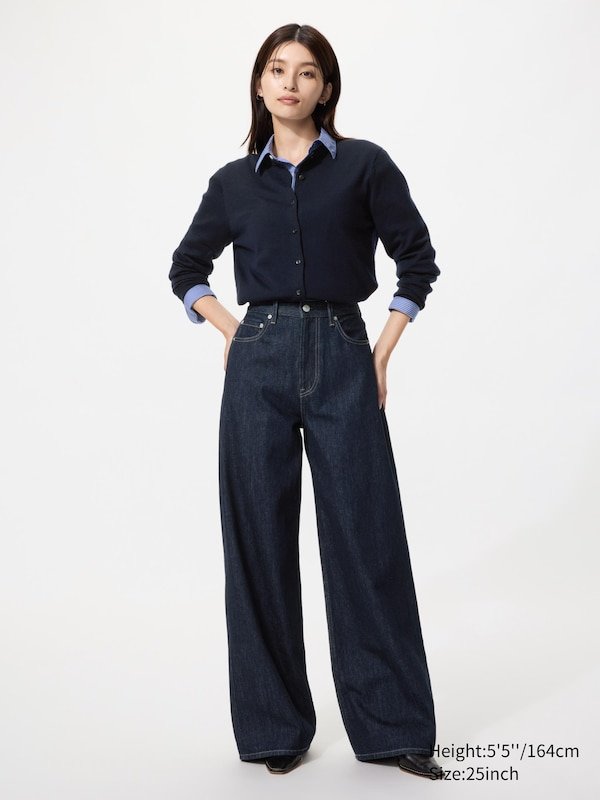
High Rise Wide Jeans (69 Navy)
$39.90 | An even dark navy with no distressing anywhere is what lets these high-rise, full-length wide legs sit cleanly under a trench and over a loafer.
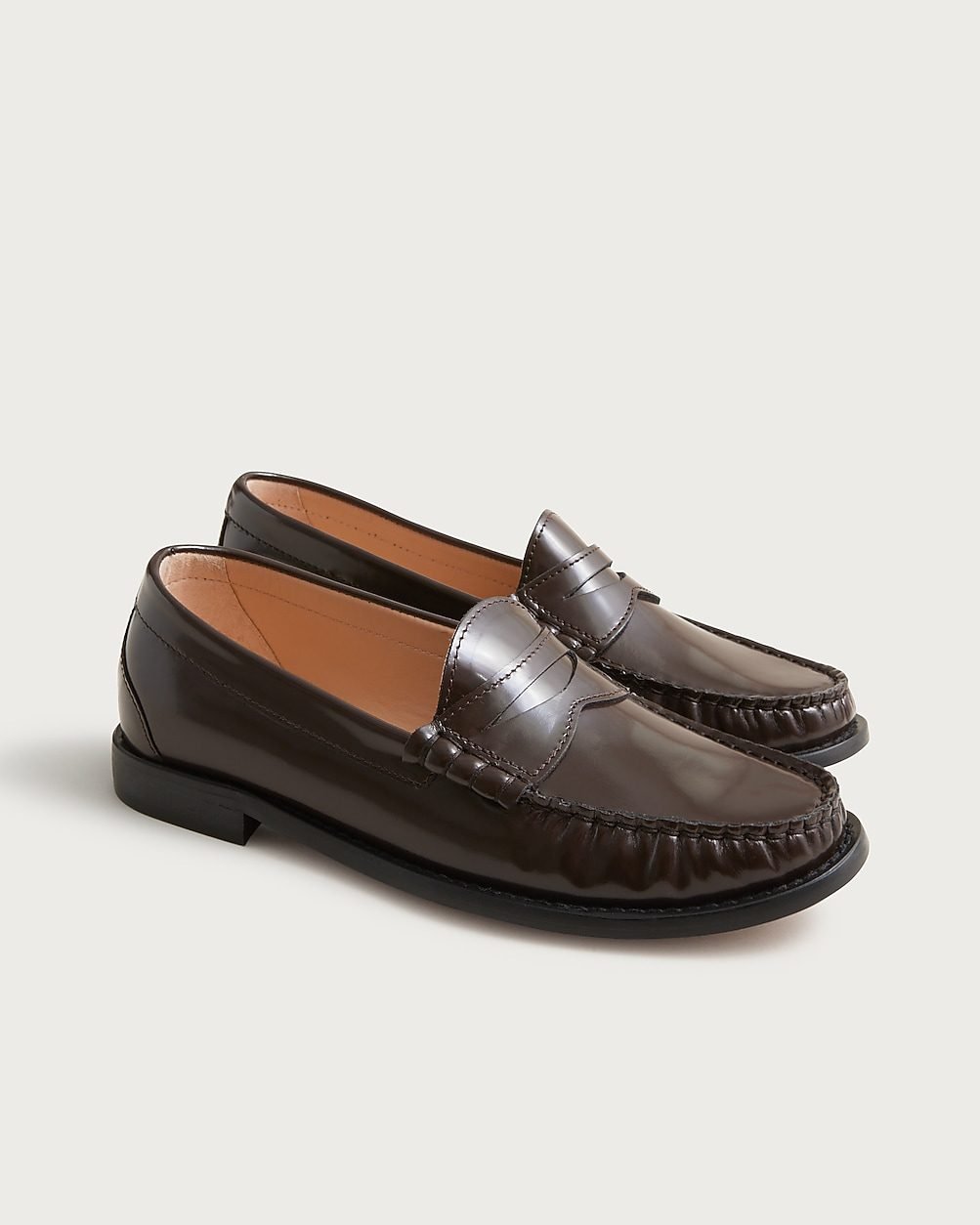
New Winona Penny Loafers in Italian Spazzolato Leather (Cocoa Berry)
$198.00 | Brushed spazzolato leather gives this loafer a burnished, worn-in look straight out of the box, no breaking in required.
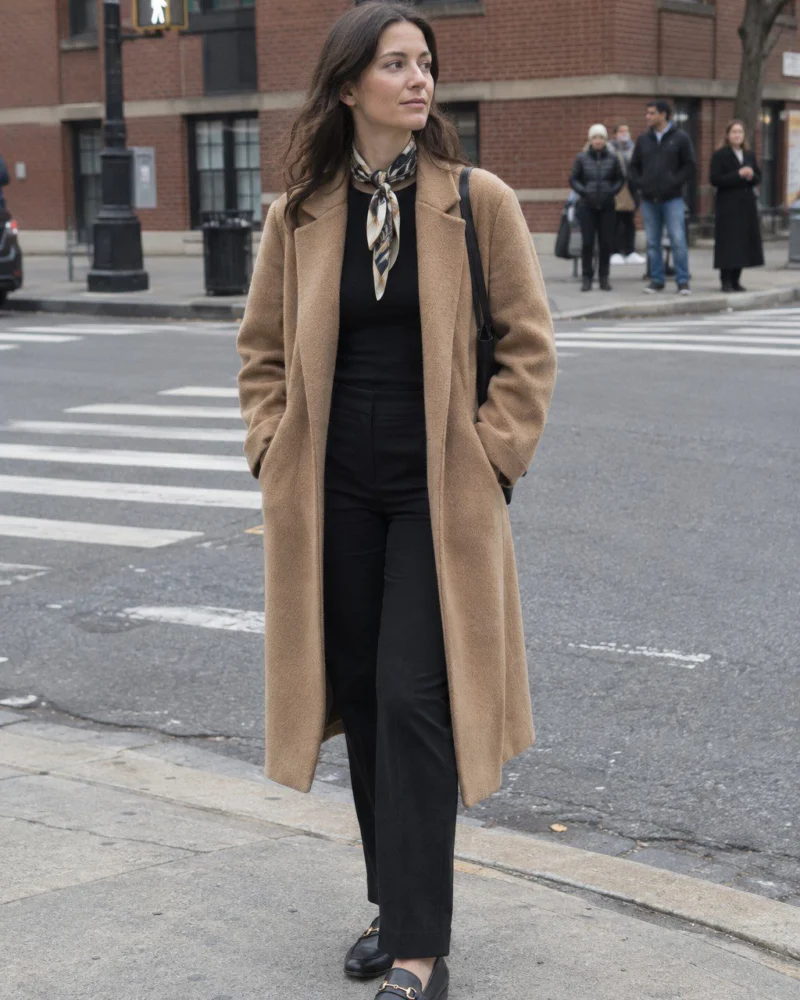
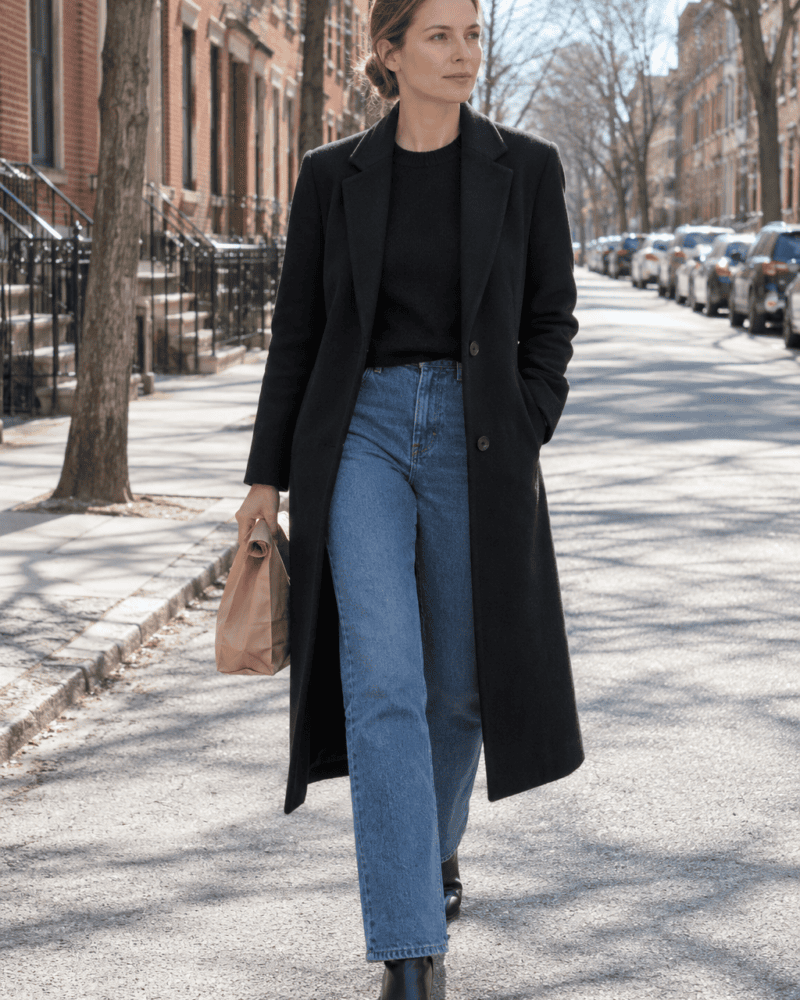
Old money households almost never run errands in sweatpants, and that single habit changes how an entire day reads.
Throw a light khaki trench over dark navy wide-leg jeans and the effort goes up exactly one notch without looking like you tried. Then let a proper penny loafer finish the look instead of undercutting it with a sneaker.
The trick is consistency: this isn’t a special-occasion outfit, it’s the version of yourself that shows up for the grocery store too.
I’d rather be slightly overdressed for the pharmacy than always be the person in pajamas at pickup.
5. Dress Properly at Home, Even When Nobody Is Coming

Editor’s Picks
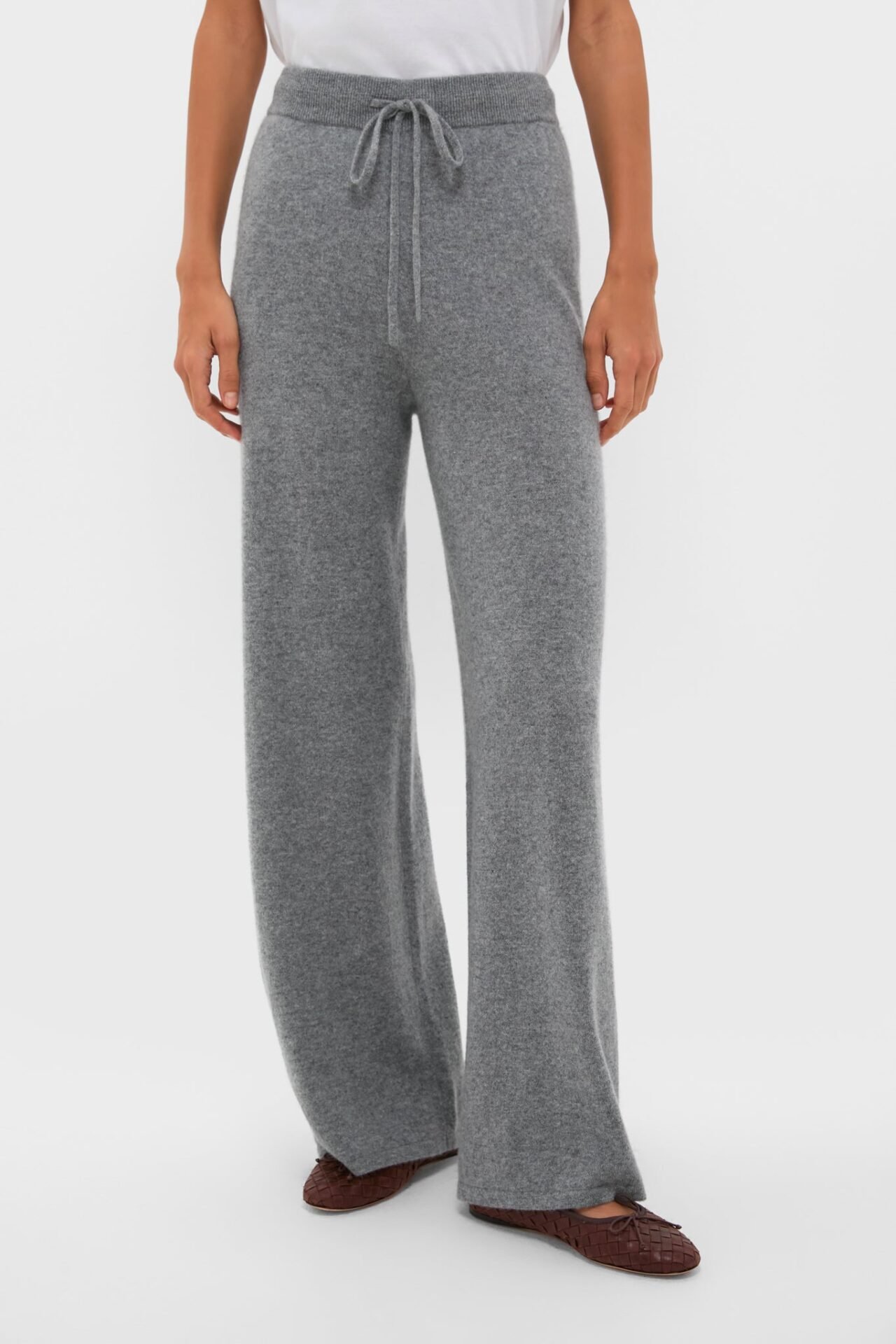
Shadow Gray Cashmere Jane Pant
$198 | High-rise and wide-leg in 100% cashmere, with an elastic tie waist and a straight hem. This is a knit lounge trouser in heathered mid gray, and it is dry clean.
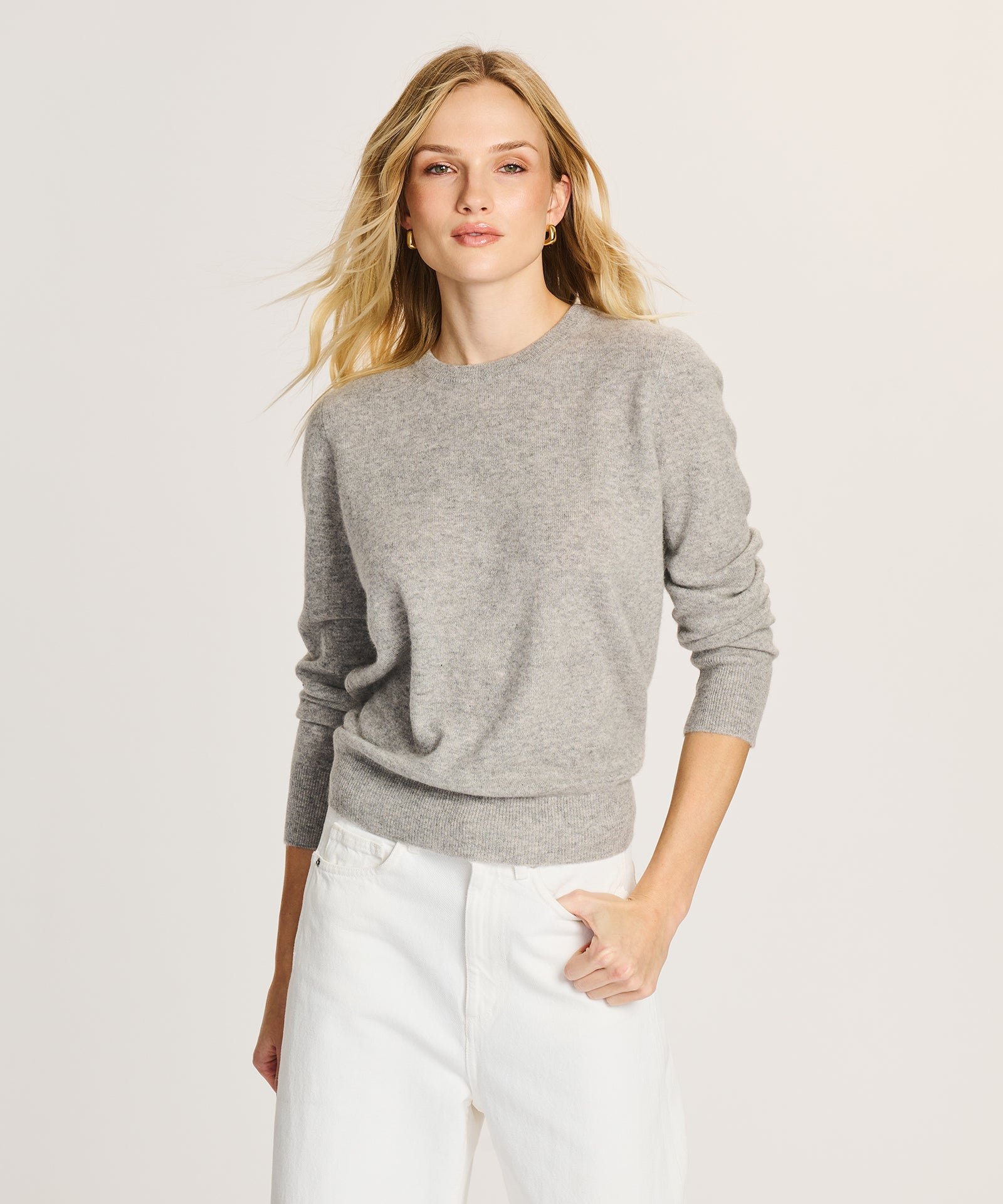
The Original Cashmere Crewneck Sweater (Cement)
$98 | Cement is a light heather gray, a shade lighter than the trouser, so the pair reads tonal. The cut is a classic-fit crewneck in 100% cashmere with ribbed trims.
What you wear at home is what you wear most. It makes little sense to save every good piece for the few hours a week when other people can see it.
The trick is to keep the comfort and change the fabric. A fine knit drapes where a thin jersey clings, so a soft wide-leg trouser and a crewneck feel as easy as leggings and still look like an outfit.
Color does the rest. Two close shades of gray worn together read as deliberate, even when the pieces come from different places and are not a matched set.
If you want more combinations in this spirit, I have a whole edit of loungewear outfits that still look put together.
Styling tip: I wear the lighter gray on top and the deeper gray below, with the sweater half tucked at the front so the tie waist shows. The trousers are dry clean only, so I air them between wears and change before I cook.
6. One Signet Ring Instead of Five Logo Pieces
Shop the Look
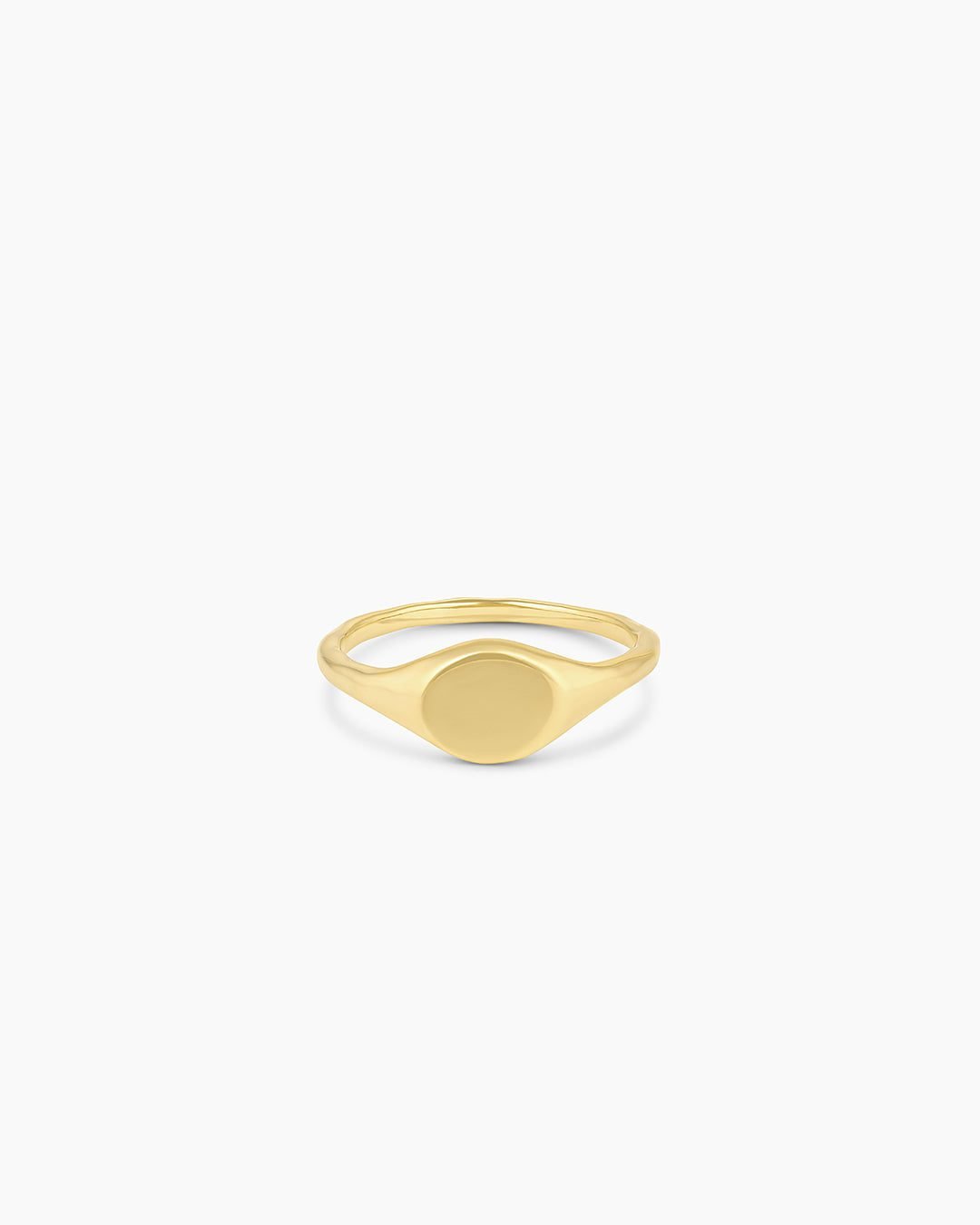
Bespoke Signet Ring (Gold)
$88.00 | Engravable, unbranded, and worn daily, this is exactly the kind of piece that earns the one-quiet-accessory habit instead of just decorating it.
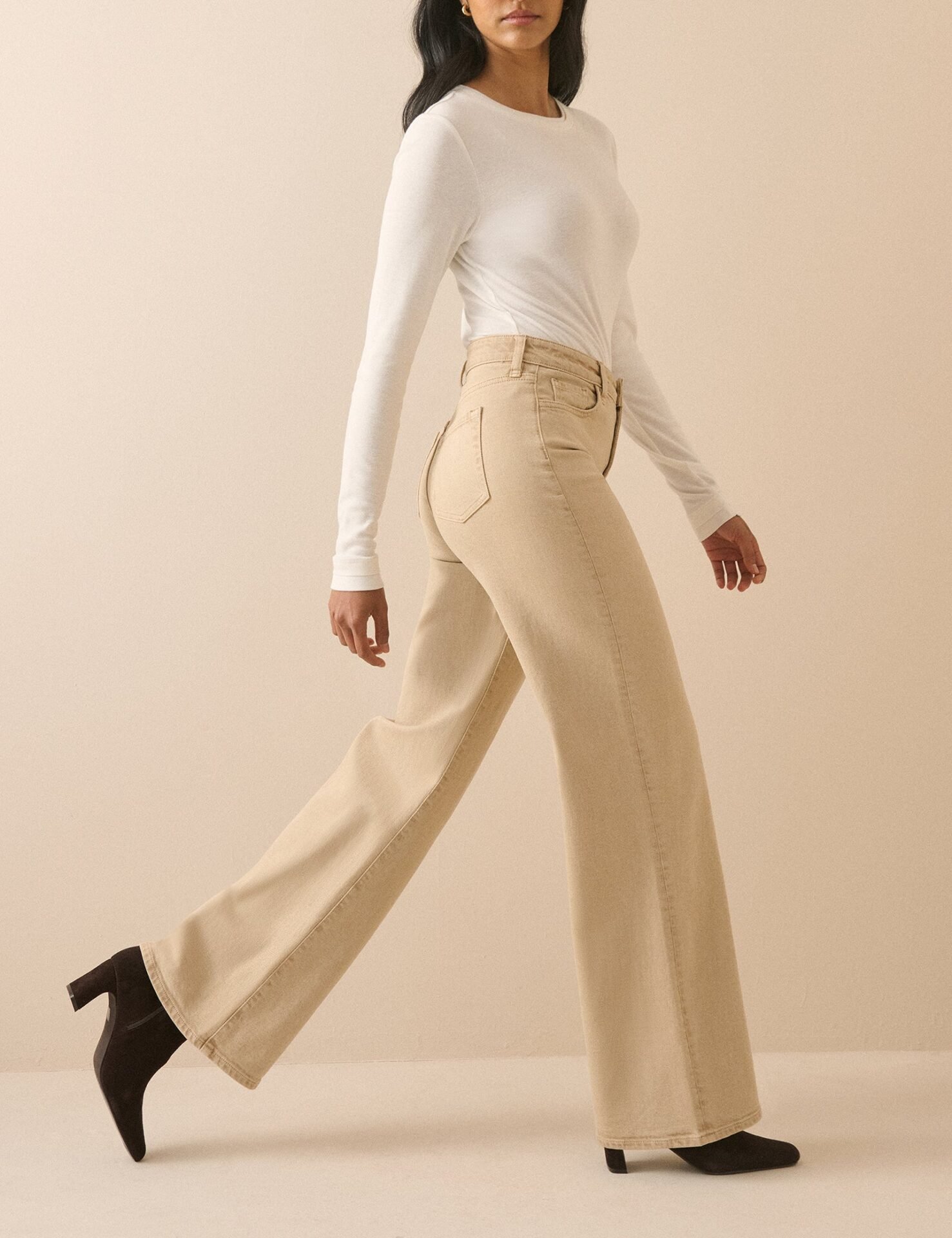
High Rise Soho Wide Leg Jeans (Sand)
$152.00 | Sand wide-leg jeans this clean give the ring room to actually be the detail people notice.
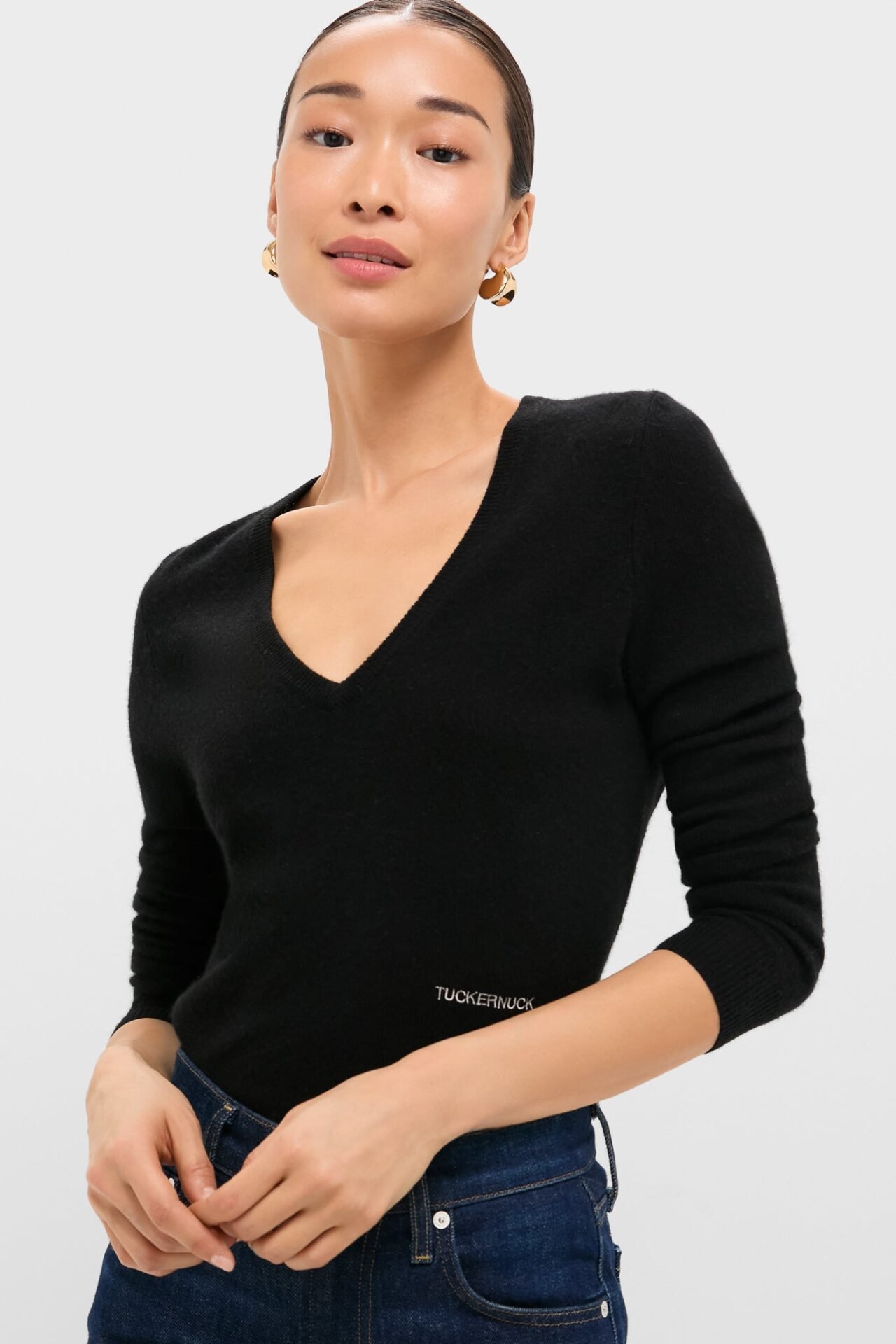
Black Cashmere Katherine V-Neck Sweater
$178.00 | Black cashmere in a simple v-neck is the background piece that makes a single ring look intentional instead of accidental.
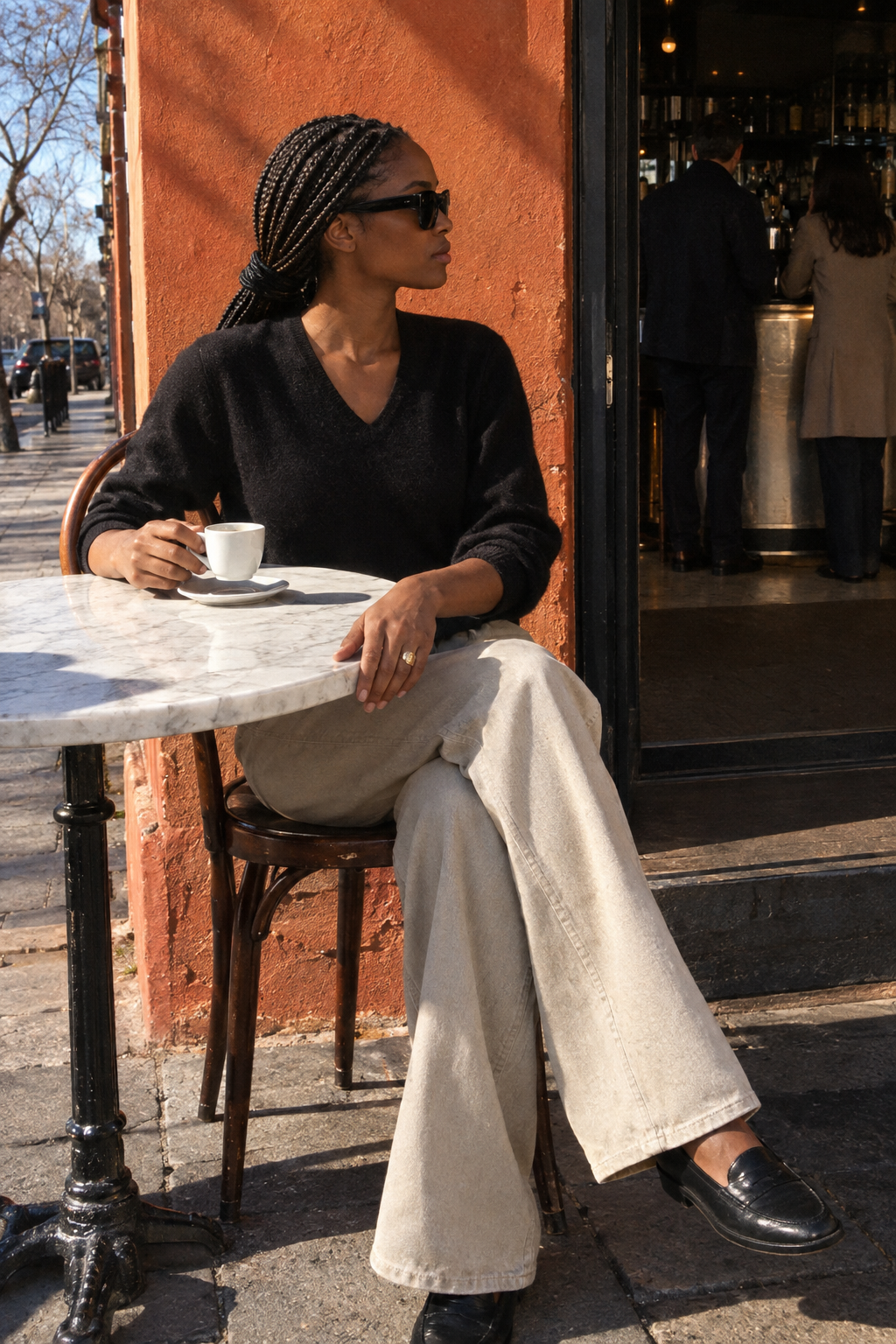
Five logo accessories compete with each other. One unbranded signet ring worn daily does more for how put-together someone looks than any of them combined.
Pair it with sand wide-leg jeans and a black cashmere v-neck, a look with zero visible branding anywhere, and the ring becomes the one deliberate detail instead of getting lost in a pile of louder ones.
Restraint in accessorizing reads as confidence, while five stacked logo pieces reads like insurance for an outfit that doesn’t trust itself.
Wear the same quiet piece daily and it eventually reads as more expensive than it ever was.
7. Keep One Signature Scent and Simple Grooming
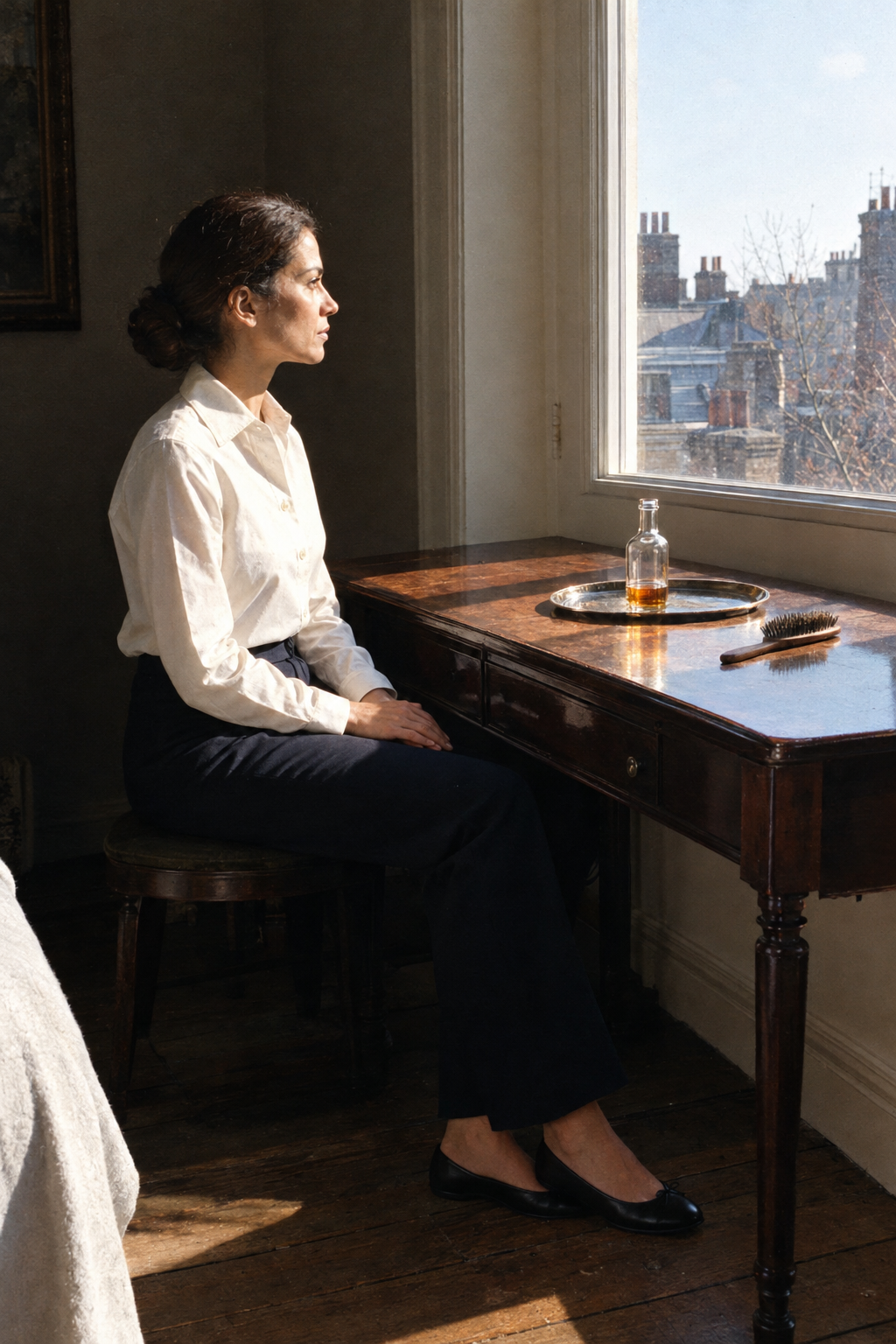
One fragrance worn for years becomes part of how people remember you. Scent and memory sit close together, which is why a single consistent one does more than a shelf of ten.
Grooming follows the same logic. Short, clean, neatly shaped nails and hair that looks brushed take very little time, and they read as care.
Quiet is the standard for all of it. Two sprays on skin should reach the person beside you and travel no further.
Start here: wear one fragrance you already own every day for a month before you think about buying another.
8. A Polishing Schedule for Loafers and Leather Goods
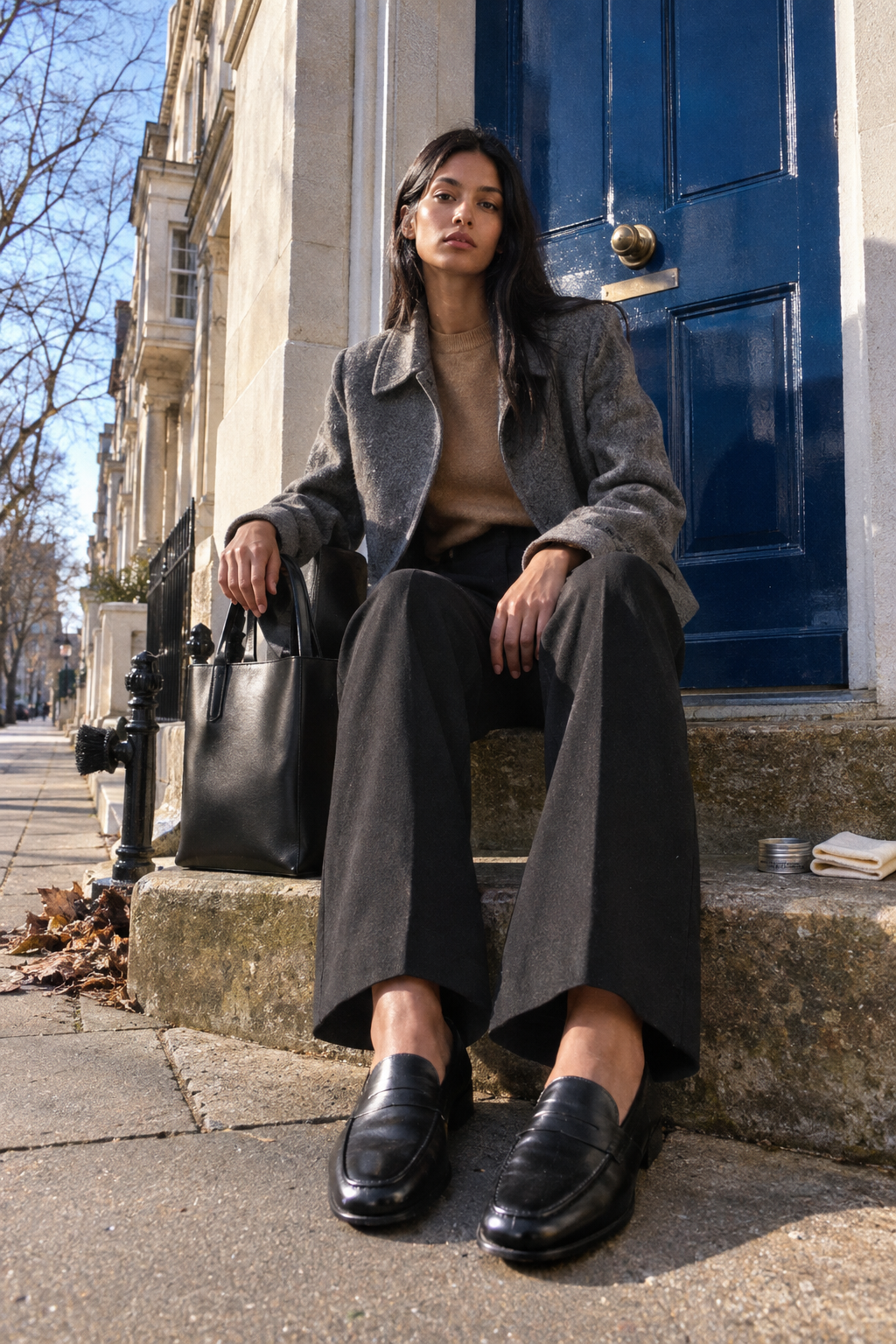
Shop the Look
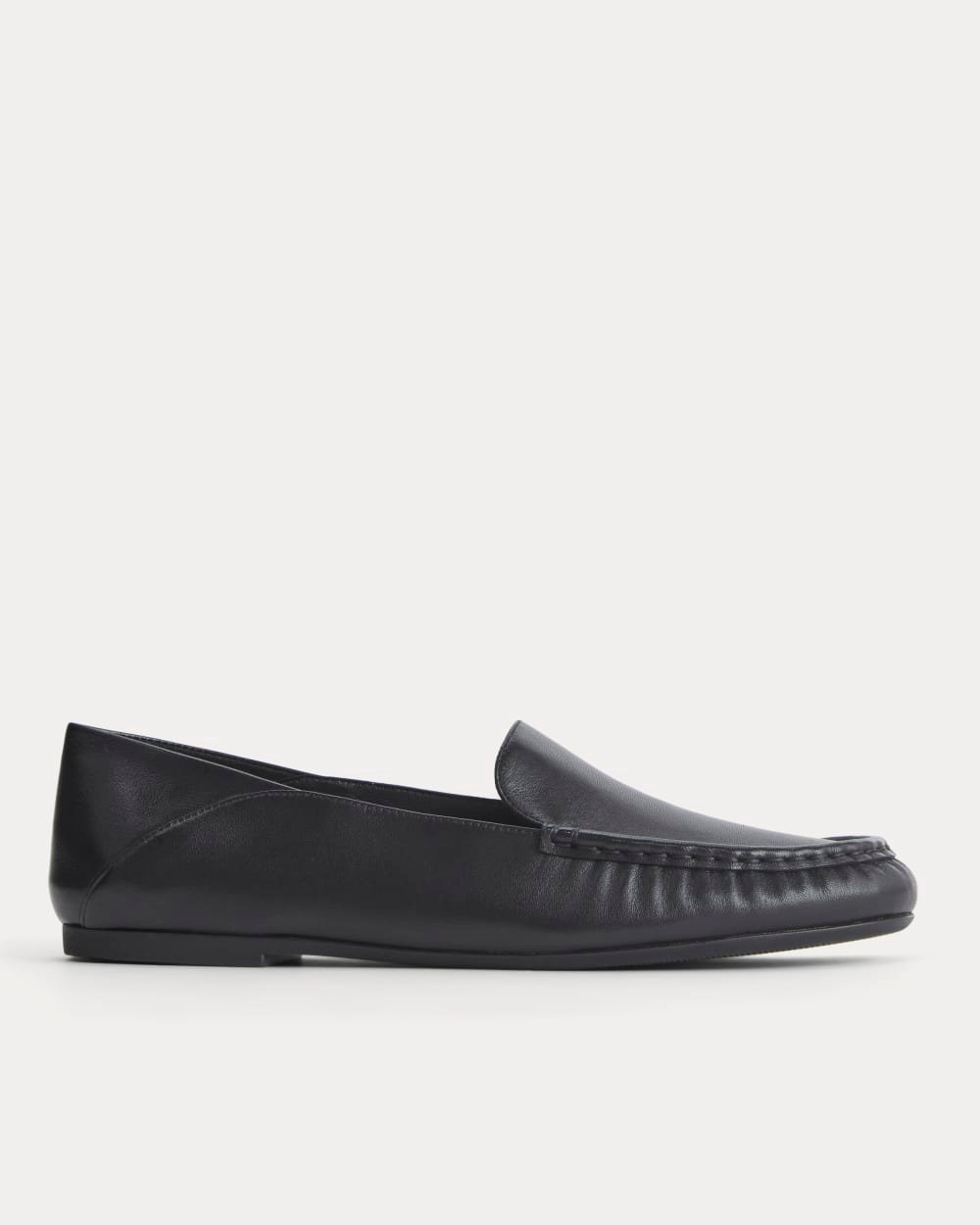
Leather Day Driver Loafer (Black)
$125.00 | Calf leather from an LWG-rated tannery is worth conditioning because it’s actually built to last, not disposable footwear pretending otherwise.
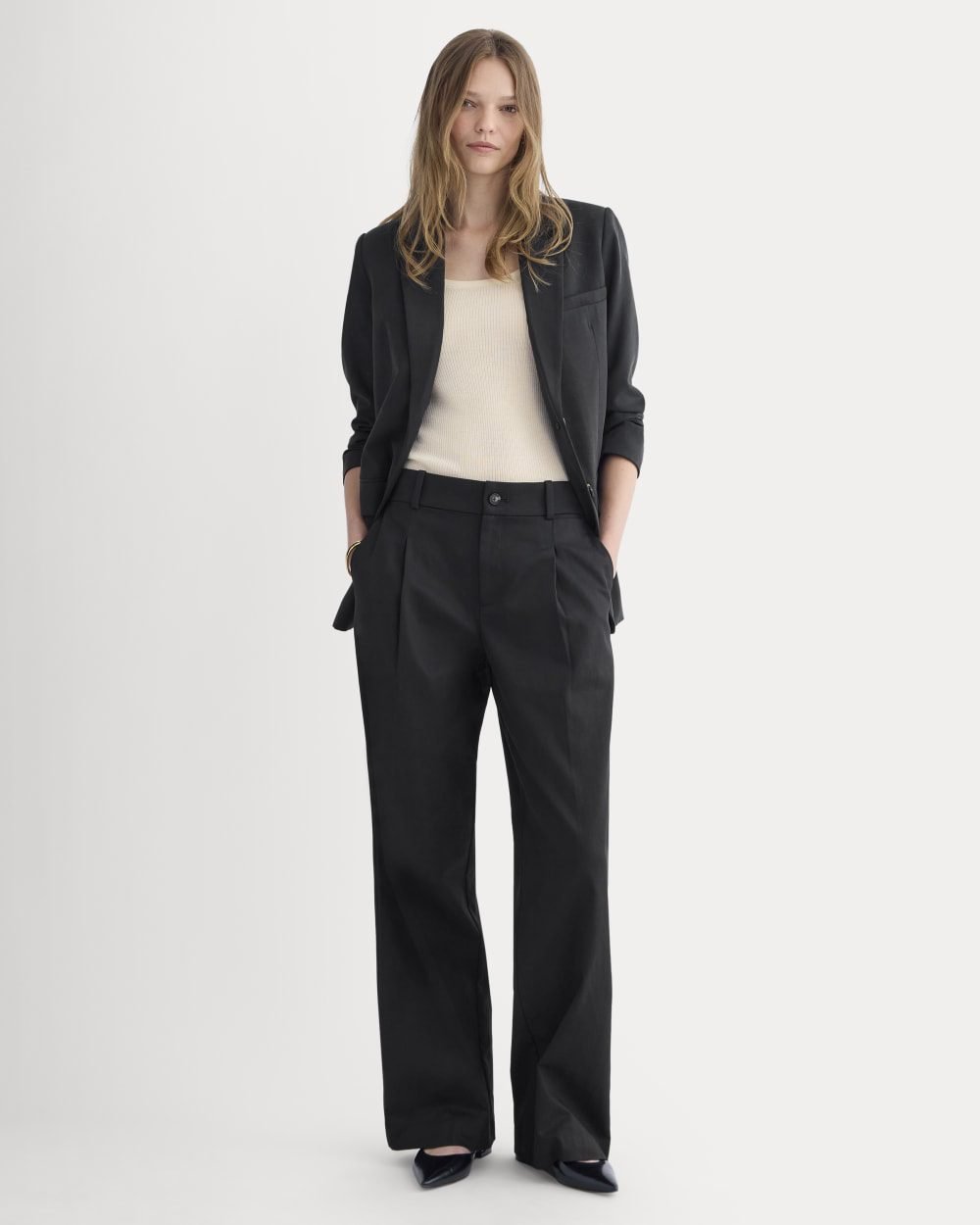
Wide-Leg Trouser in Buttersmooth (Black, 30″ Inseam)
$104.00 | Organic cotton and TENCEL twill drape well enough to sit over a polished loafer instead of pooling at the ankle.
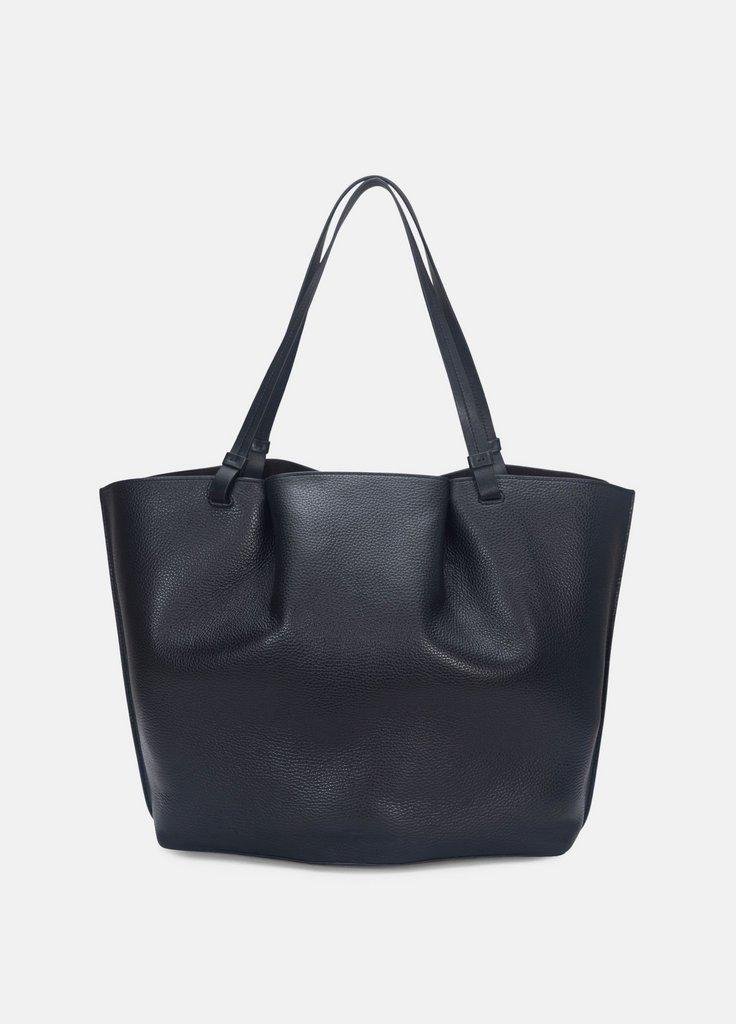
Ava Leather Tote Bag (Black)
$299.00 | This structured leather tote shows conditioning neglect fastest, and rewards the habit most obviously too.
Good leather is the easy half of this habit. Conditioning it on an actual schedule is the half most people skip entirely.
A pair of calf leather loafers and a full-grain tote both reward a five-minute polish every few weeks with years of extra life, while neglected leather cracks and dulls within a single season regardless of what it cost.
Pair both with a black wide-leg trouser that drapes properly over a polished shoe instead of bunching at the ankle.
Maintenance is the unglamorous half of looking put together, and it’s the half nobody skips in an old money household.
9. Air, Brush and Comb Your Knitwear Before You Wash It
Editor’s Picks
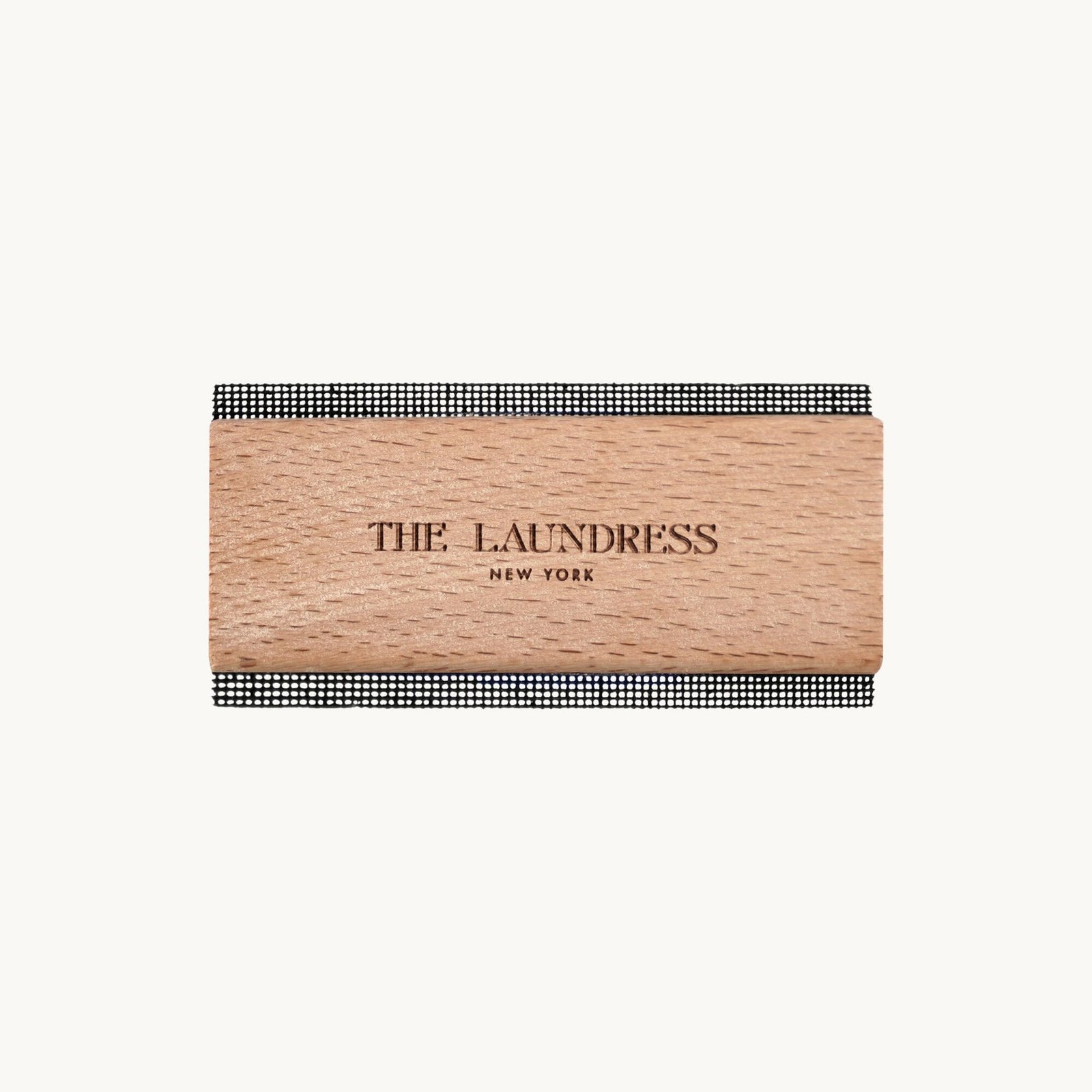
Sweater Comb
$22 | Two fine metal mesh screens on a small beechwood handle lift pills and fuzz from wool and cashmere. It is compact enough to live in a drawer or a travel bag.
Cashmere Brush
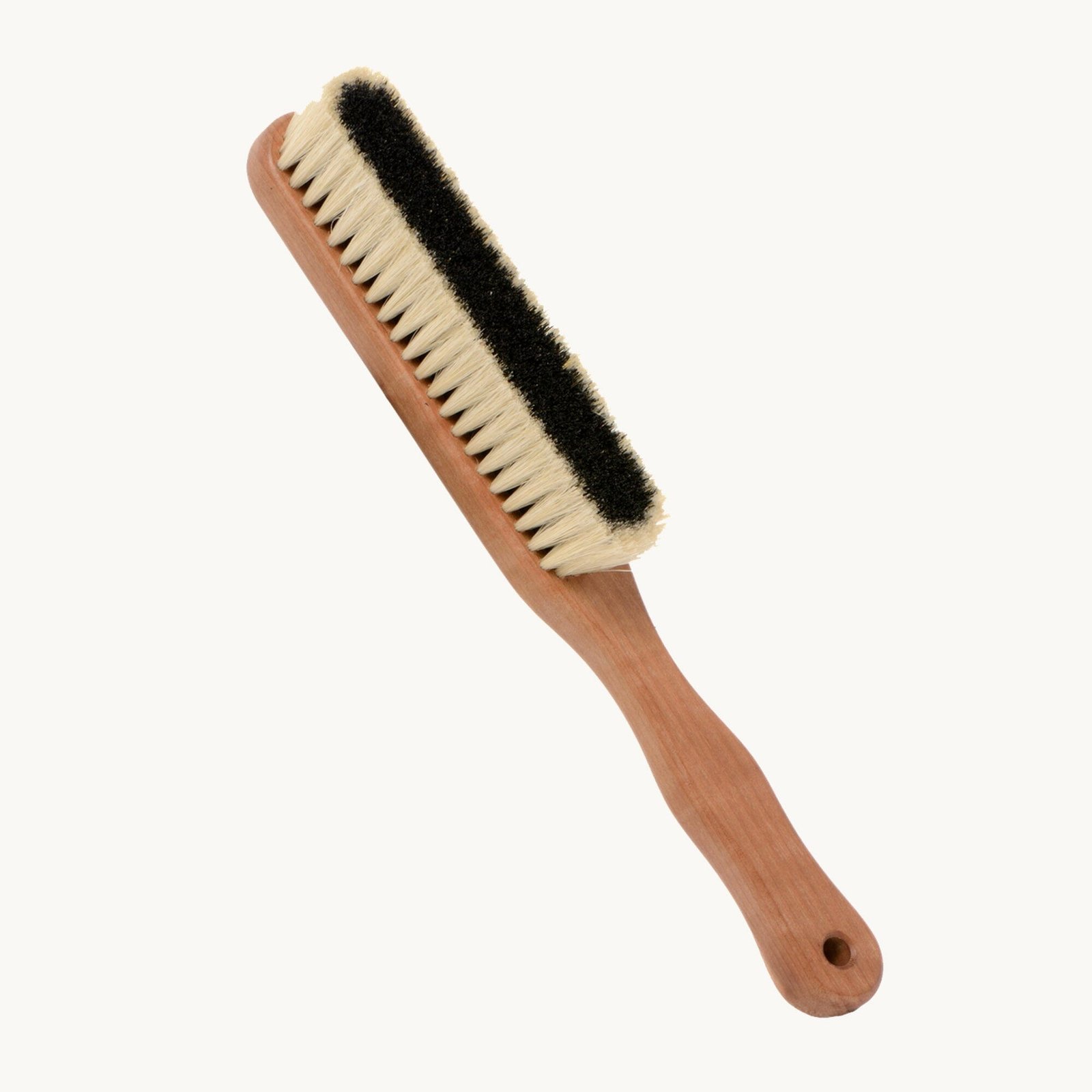
$66 | I reach for a natural-bristle garment brush like this between wears, when a cashmere sweater or wool coat has picked up lint, fuzz and dust but does not need a wash.
Most wool gets washed far more often than it needs. Hang a sweater near an open window overnight and it is usually fresh enough to wear again.
Washing is where the wear happens. Water, friction and heat are what felt the fibers and thin the elbows, so every wash you skip leaves a little more life in the piece.
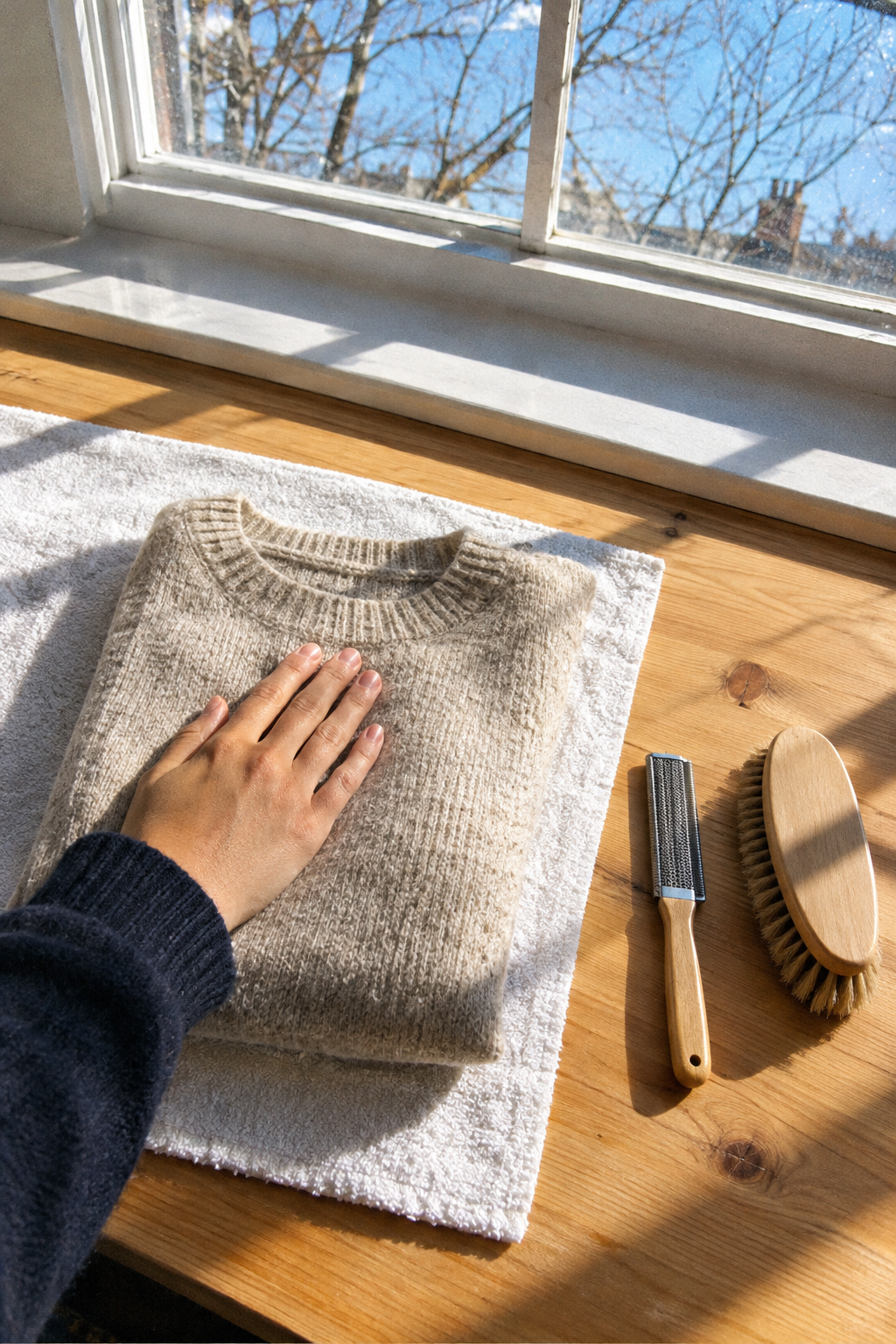
Pilling has a mechanic too: those bobbles are short loose fibers that have tangled on the surface. A comb lifts them away, and a soft-bristled brush clears lint and dust from a coat or cardigan after a day out.
Care between wears is what makes a good sweater last for years.
Styling tip: I lay the sweater flat on a towel, hold the knit taut with one hand and comb in short strokes, always in one direction. Underarms and cuffs come first, since that is where pills gather.
10. Host at Home More Than You Book a Table
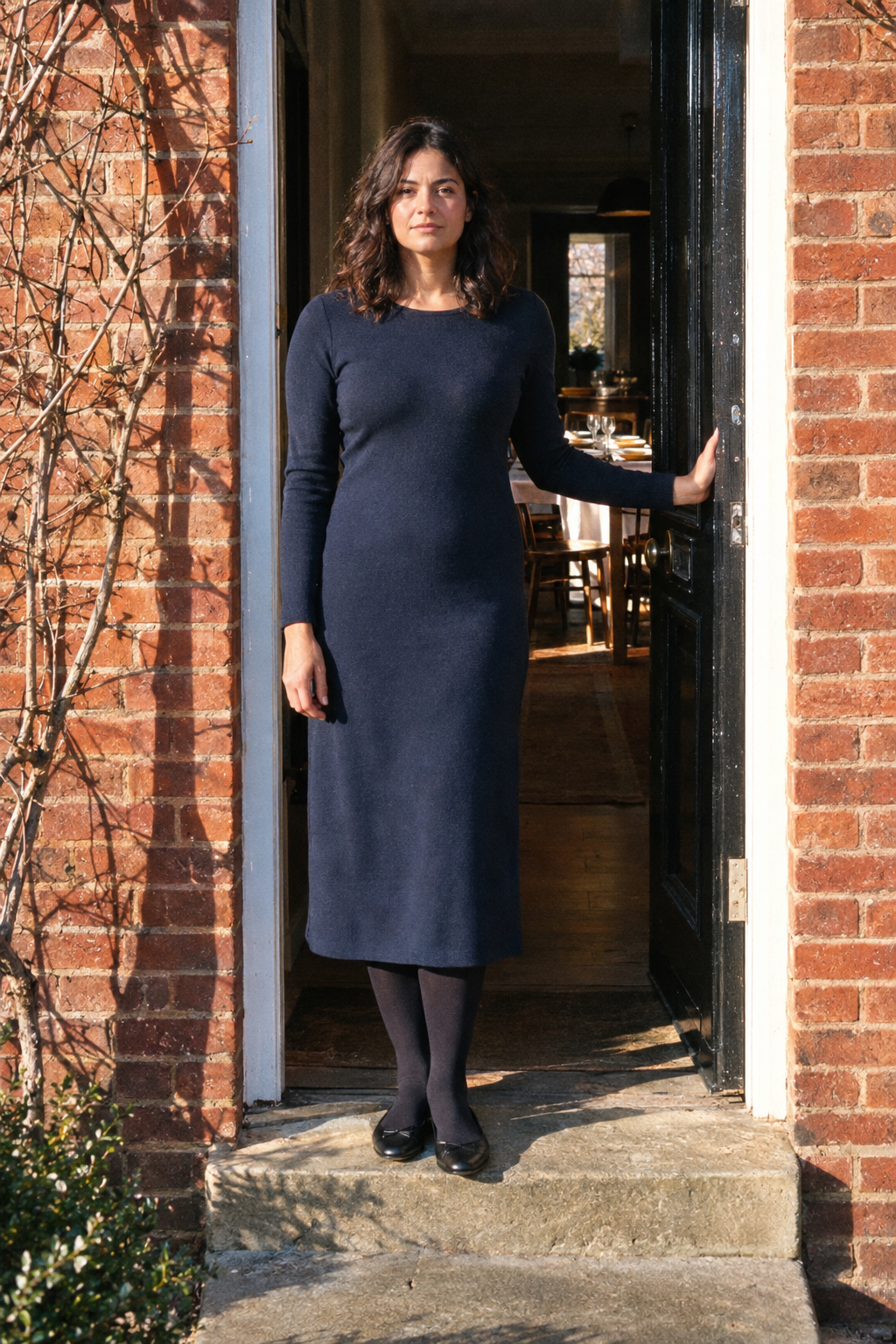
Reservations prove you can afford a night out. A standing Sunday lunch at your own table proves something closer to actual ease.
Hosting at home costs less per person than most restaurant tabs and builds more into a relationship in one evening than a rotation of dinners out ever manages.
Old money hospitality is frequent and unfussy, not an annual dinner party performance.
11. Set the Table for an Ordinary Weeknight Dinner
Editor’s Picks
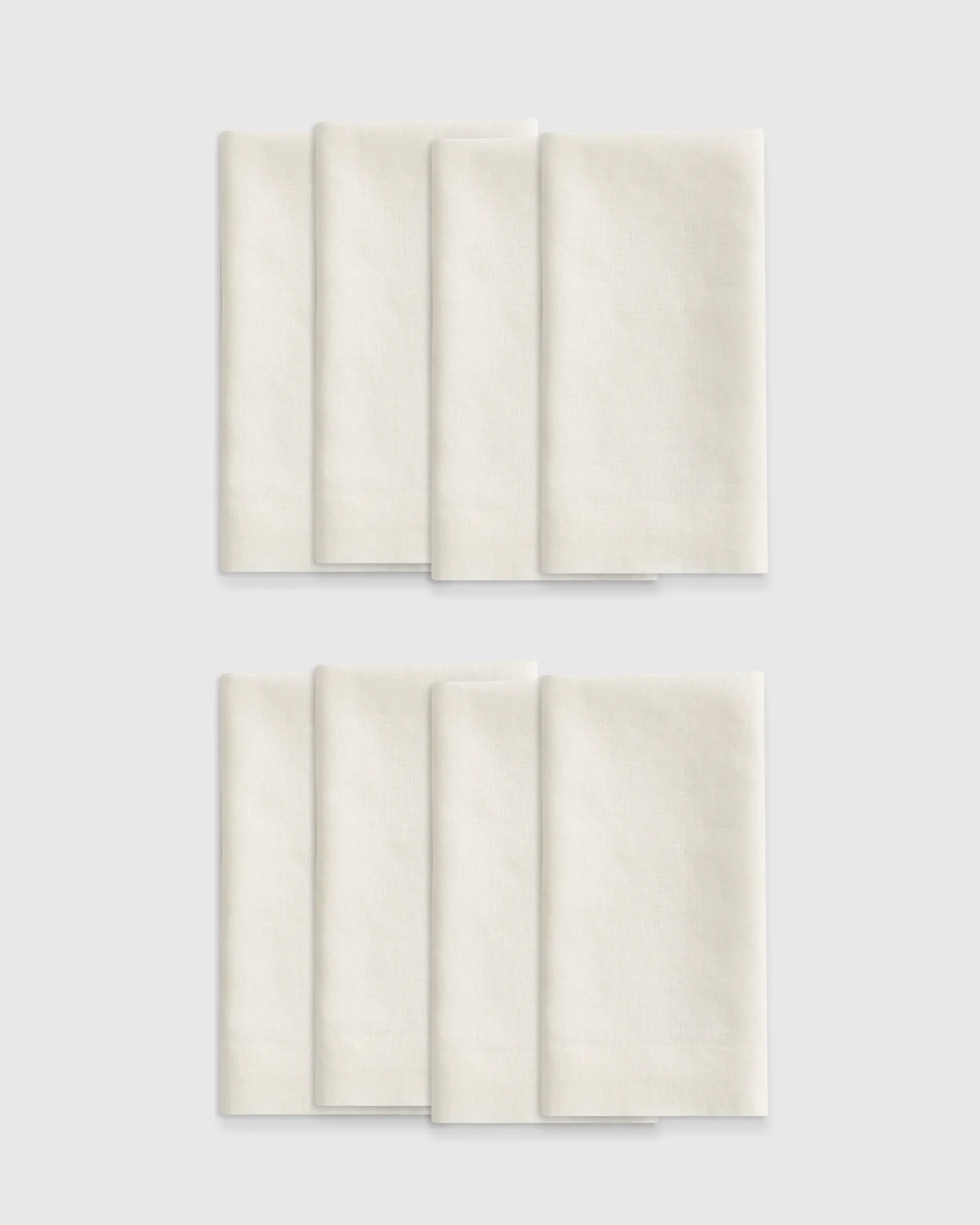
European Linen Wide-Hem Napkins, Set of 8 (Ivory)
$54.90 | Eight plain ivory napkins in 100% European flax linen, garment washed, 20 by 20 inches with a wide mitered hem.
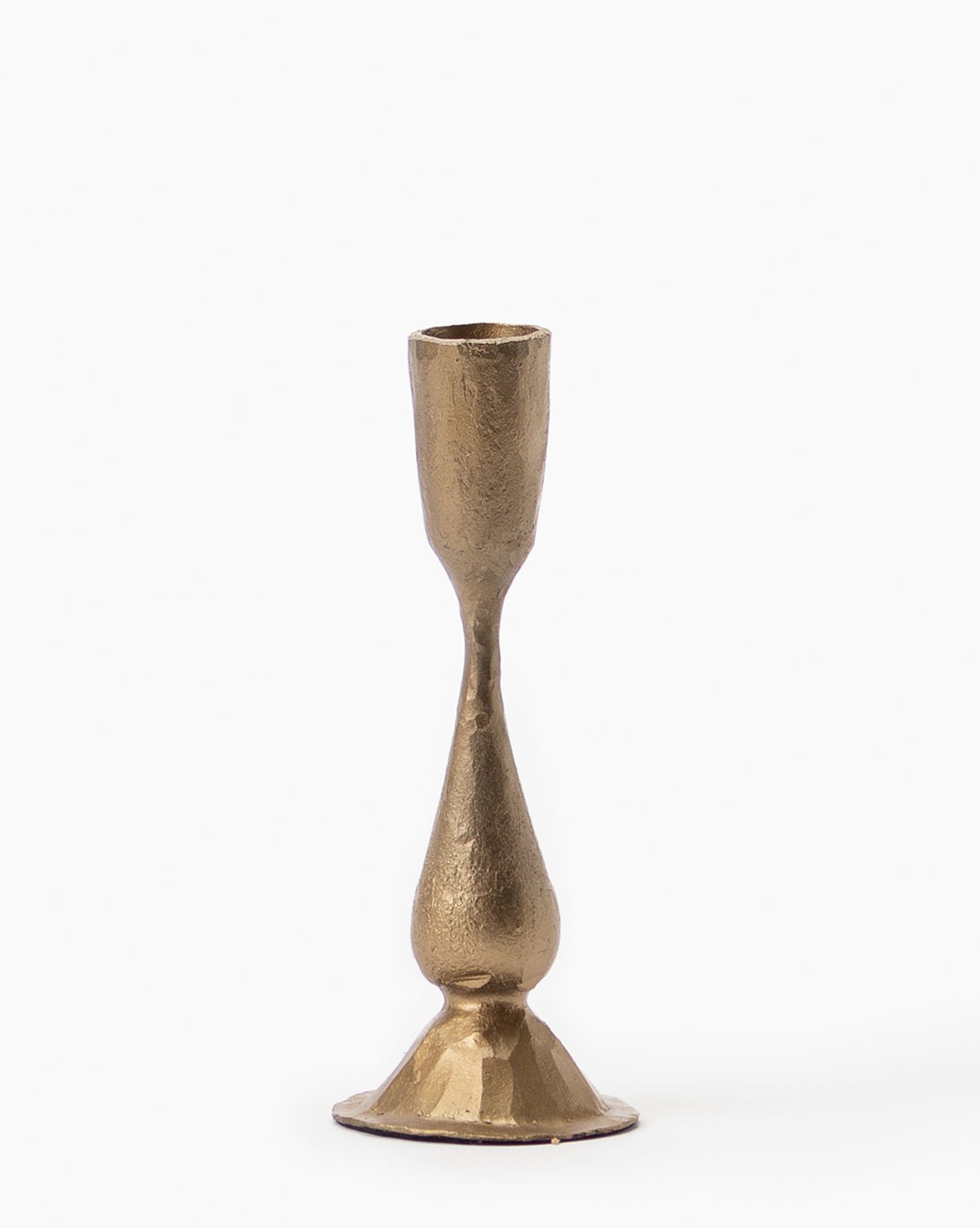
Antique Brass Taper Candle Holder (Small)
$24 | One slender taper holder in a forged antique brass finish, with no ornament at all. Sold singly, and the candle is not included.
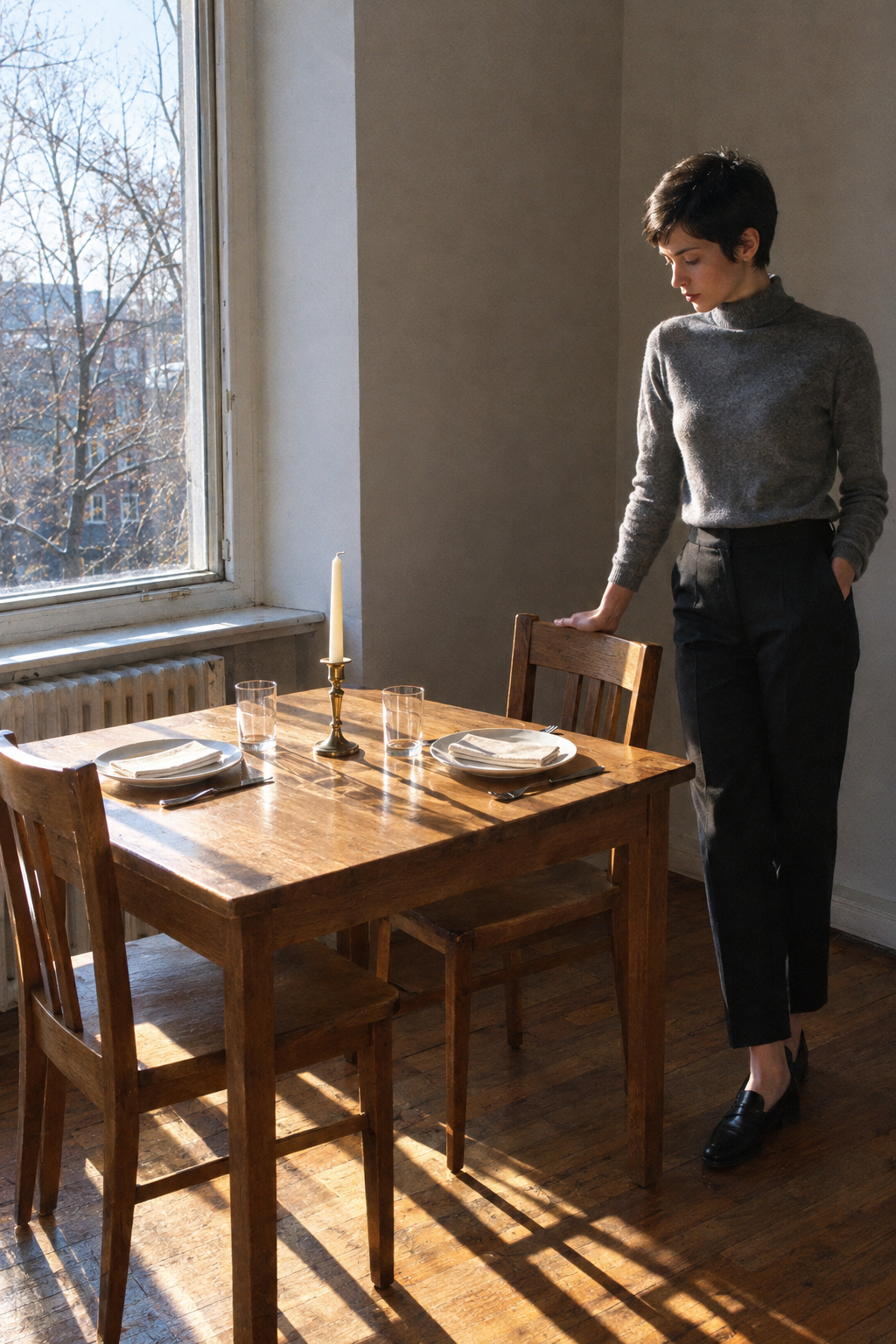
A set table changes how dinner goes. Give the meal a napkin, a proper place and one candle, and people sit down for it properly, not standing at the counter with a fork.
It works because the setting marks a beginning and an end. Lighting the candle starts dinner, blowing it out finishes it, and the phone has no place in between.
Keep it plain. Cloth napkins feel heavier in the hand than paper and go straight into the wash, and a single slim brass holder is plenty on a small table.
For the layout itself, I have written a separate guide to setting a simple table for two.
Styling tip: I keep the napkins folded in the kitchen drawer beside the cutlery, so they are as quick to grab as paper ones. The holder comes without a candle, so I buy plain tapers separately and light just one.
12. Keep a Pantry Ready For a Guest Who Didn’t Warn You
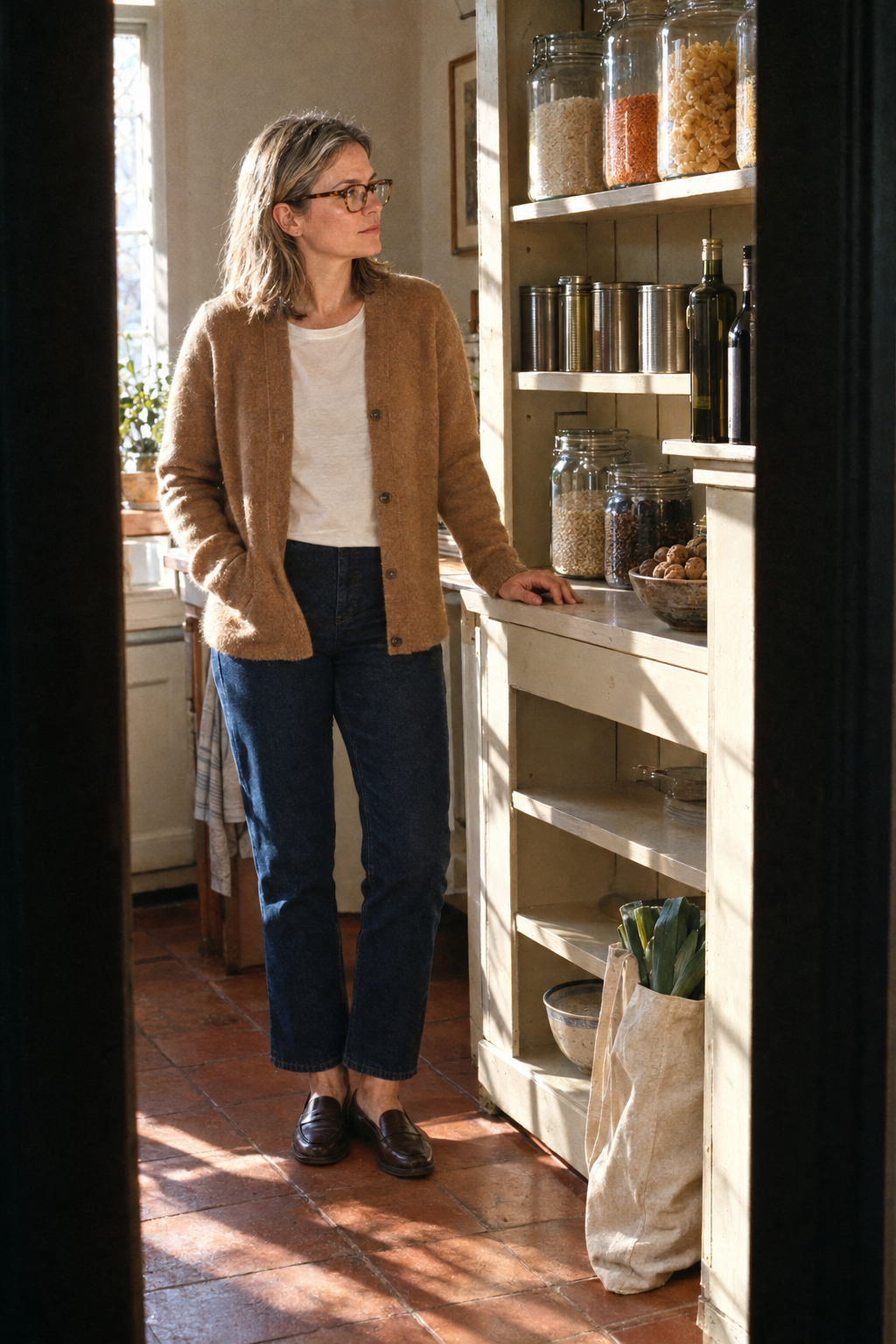
The whole point of a stocked pantry is that you never have to apologize for having nothing to offer.
Good olive oil, a decent bottle of wine, something to put out in a bowl: none of it is expensive, and all of it turns an unannounced visitor into an easy hour instead of a scramble.
This habit is really about capacity, not abundance, keeping just enough on hand that hospitality never depends on a last-minute grocery run.
Being able to say ‘come in, sit down’ without a caveat is worth more than the stock itself.
13. Learn to Cook Three Dishes by Heart
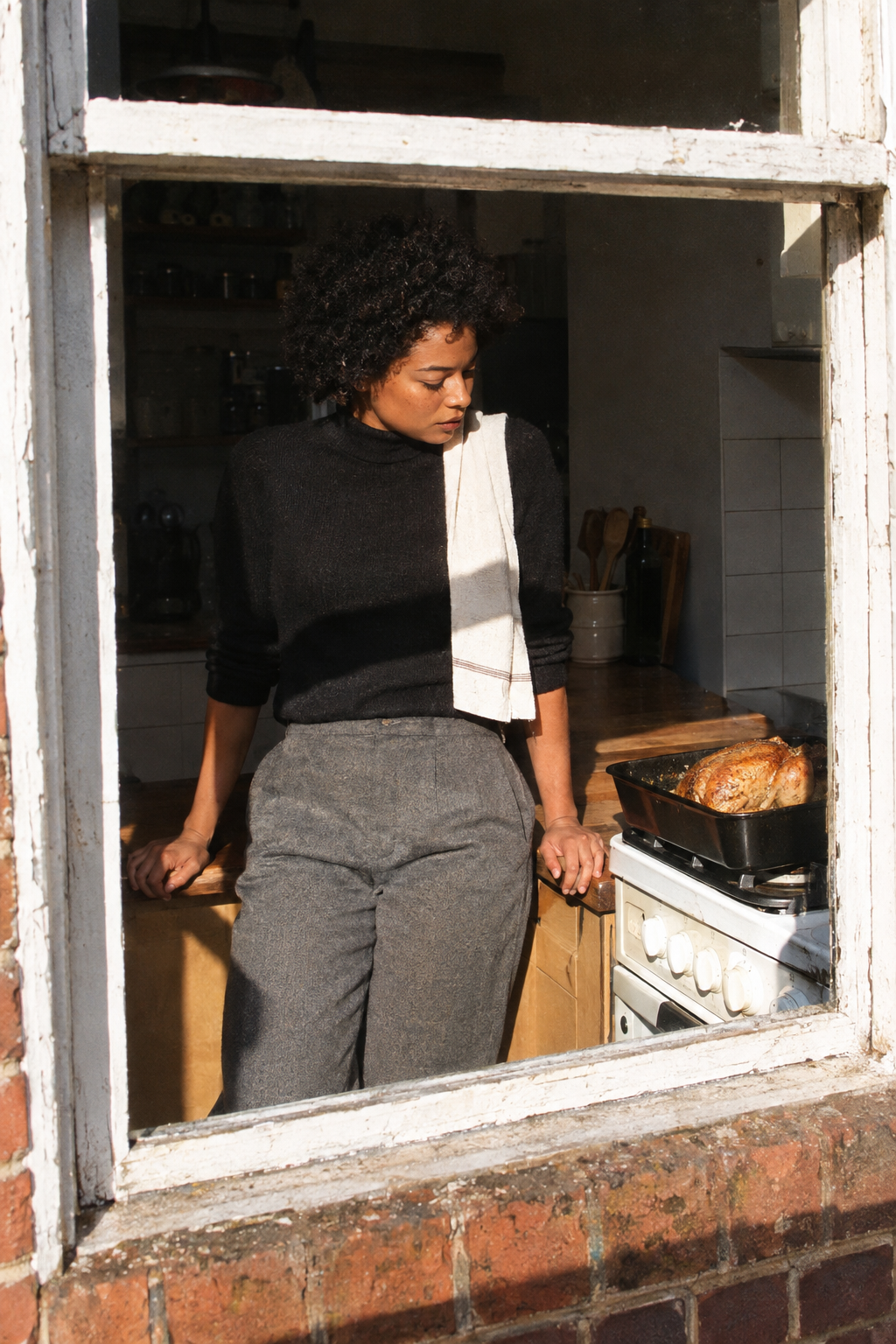
A roast chicken, one good soup and one dessert. That is the whole repertoire, and it is enough to feed yourself well for years.
Repetition does the work here. Make the same dish ten times and you stop measuring, start tasting, and learn what your own oven does.
I would rather make one soup beautifully than twenty recipes nervously.
Start here: choose your three, then cook the first one every Sunday this month.
14. Write the Actual Thank-You Note
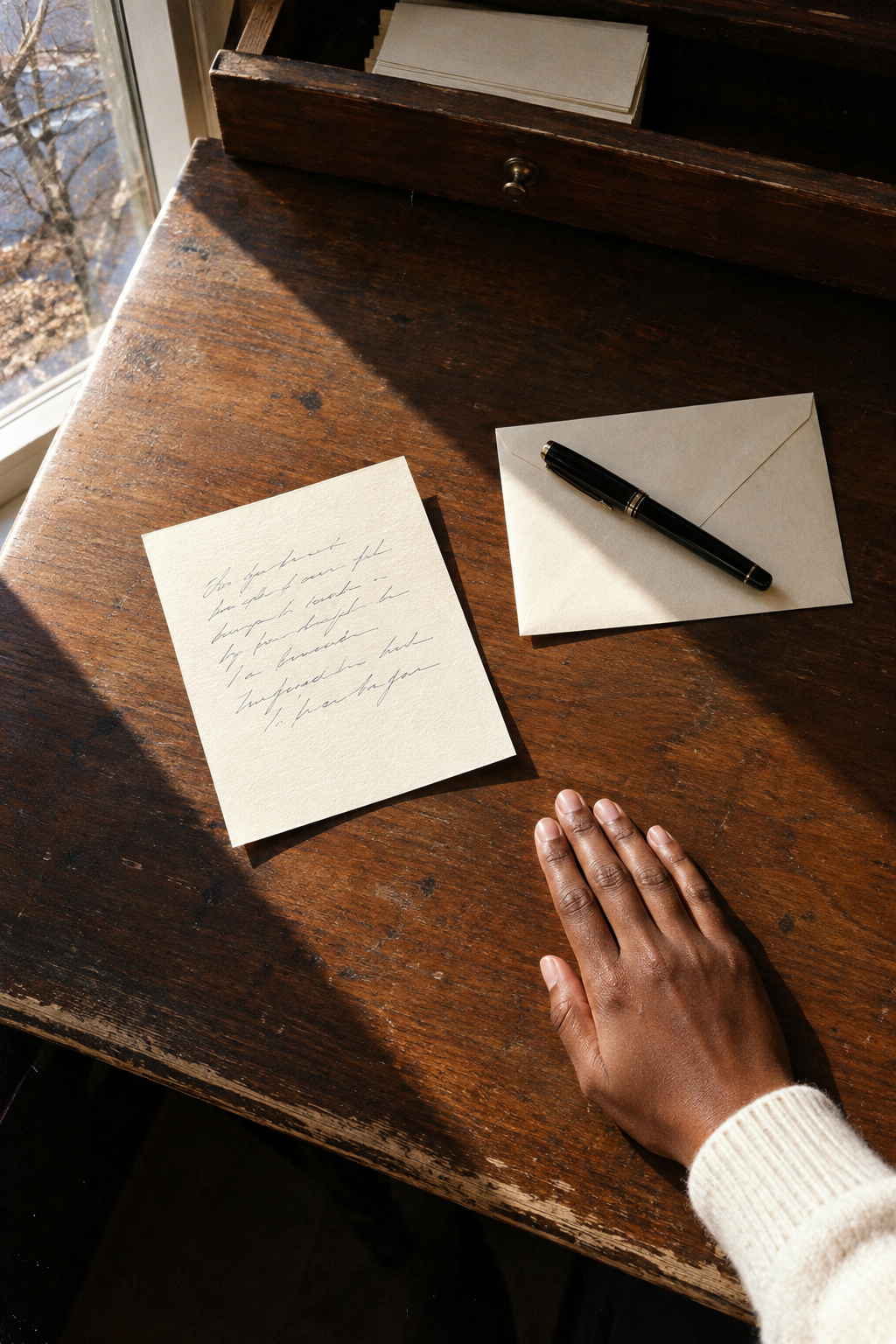
Texting ‘thanks so much!’ costs zero effort, which is exactly why it registers as zero effort.
A handwritten note takes five minutes, a stamp, and the mild inconvenience of finding actual paper. That inconvenience is the whole message: this person was worth the extra step.
I keep a small stack of plain correspondence cards in a drawer specifically so there’s never an excuse to default to a text instead.
This is the cheapest habit on the entire list and arguably the one with the highest return.
15. Learn Names and Remember Small Details

Remembering a name is the quietest form of good manners I know. It tells the barista, the neighbor or the new colleague that they registered with you as a person.
Memory here is mostly method. Say the name back once when you hear it, use it again as you leave, and it tends to stay.
For details, one line in your notes after a conversation means you can ask about the exam or the new puppy next time.
Being remembered costs nothing, and people rarely forget it.
Start here: learn the name of one person you see every week and still do not know.
16. Arrive Ten Minutes Early, On Purpose, Every Time
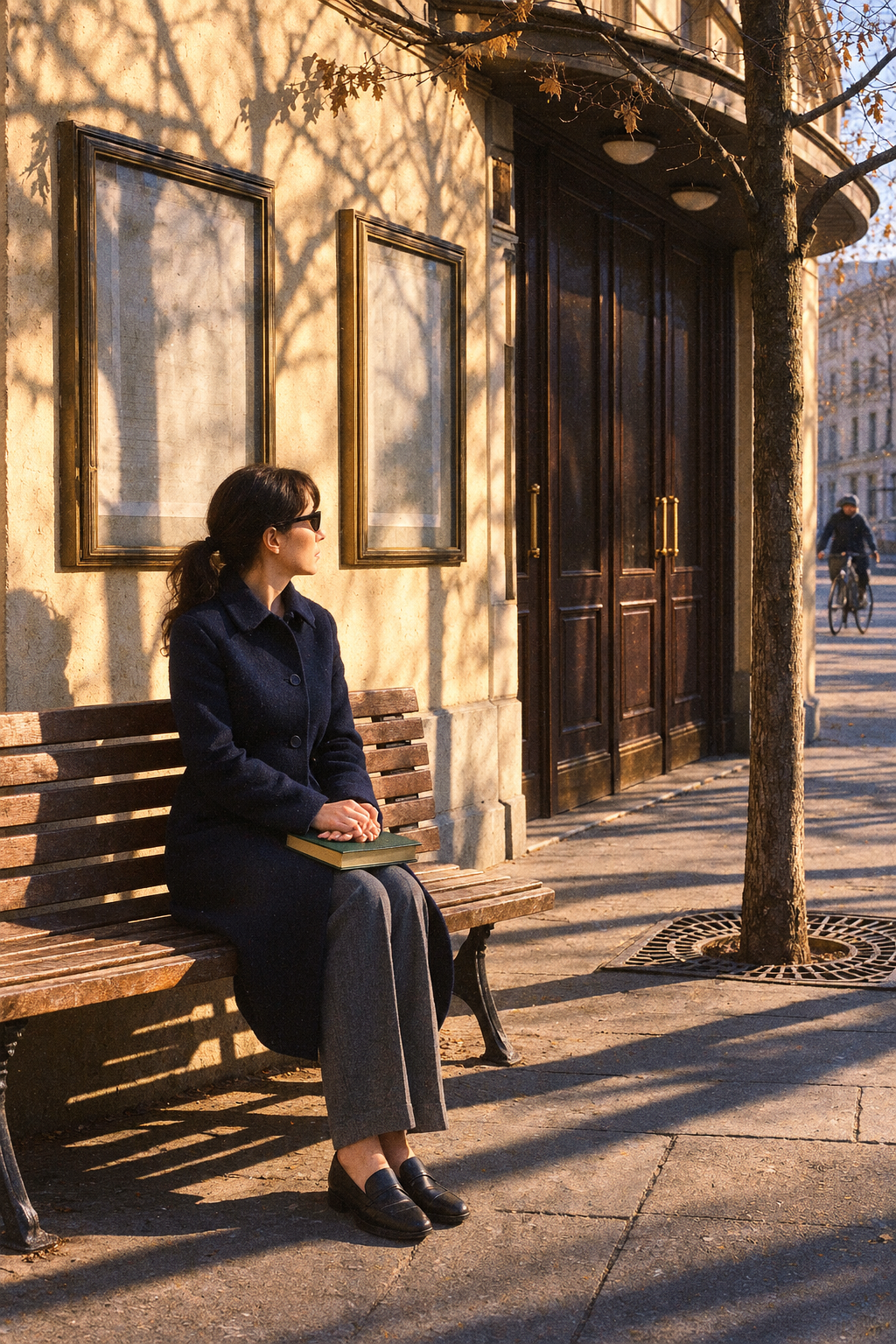
On-time and early are not the same thing, and this habit lives entirely in that gap.
Punctuality isn’t a personality trait here, it’s a buffer built in deliberately, every single time, regardless of how well you think you know the drive.
Old money punctuality reads less like anxiety and more like respect: someone decided in advance that another person’s time mattered enough to plan around.
Ten minutes early costs nothing and tells the other person everything.
17. Speak a Little Less and Listen More
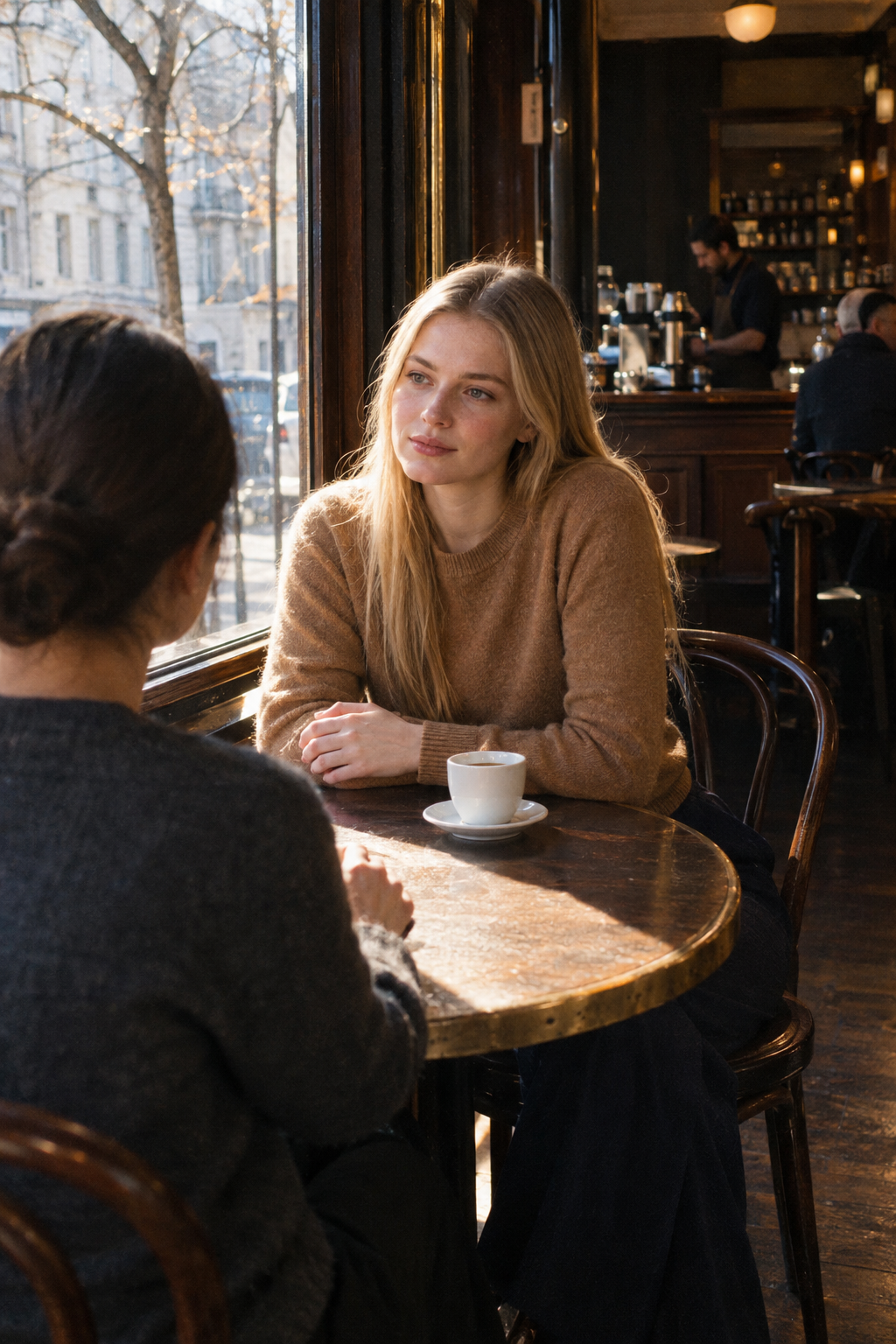
In conversation, the pause is the useful part. Leave a beat after someone stops speaking and they often add the thing they actually meant to say.
Listening also solves the oversharing problem. Salaries, what the kitchen cost, what a friend paid for her house: all of it stays unsaid when you are busy asking questions.
I have never regretted the story I did not tell at dinner.
Start here: in your next conversation, ask one follow-up question before offering anything of your own.
18. Spend Quietly and Let the Quality Do the Talking
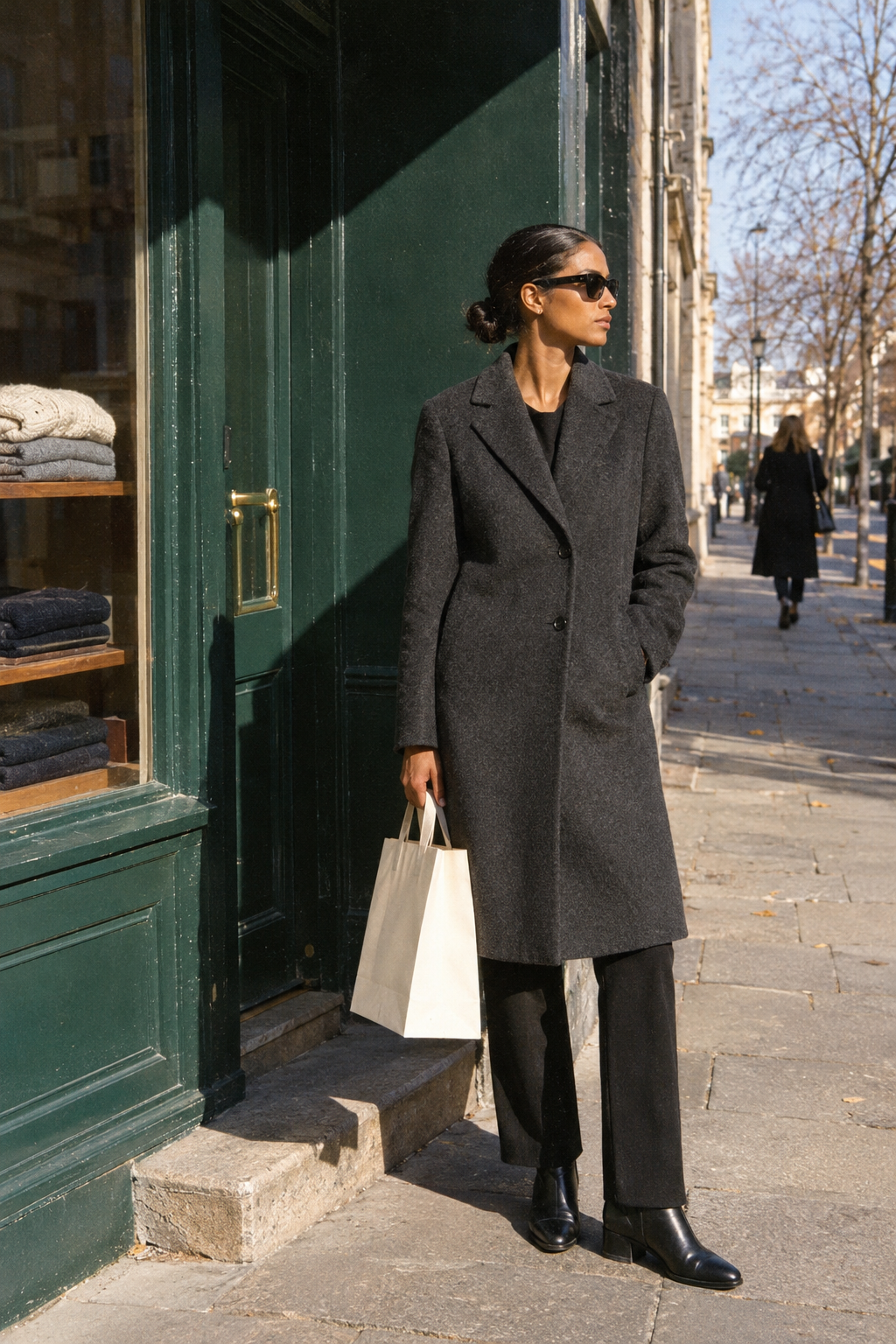
Nothing undercuts a compliment faster than announcing the price tag behind it.
Old money discretion isn’t secrecy for its own sake, it’s a bet that quality reads on its own without a number doing the work.
Logos and loud branding do the opposite: they ask to be recognized instead of simply being well made.
The pieces that actually earn compliments are almost never the ones anyone can immediately price.
19. Slow Down: Posture and Pace Read as Loudly as the Coat
Shop the Look
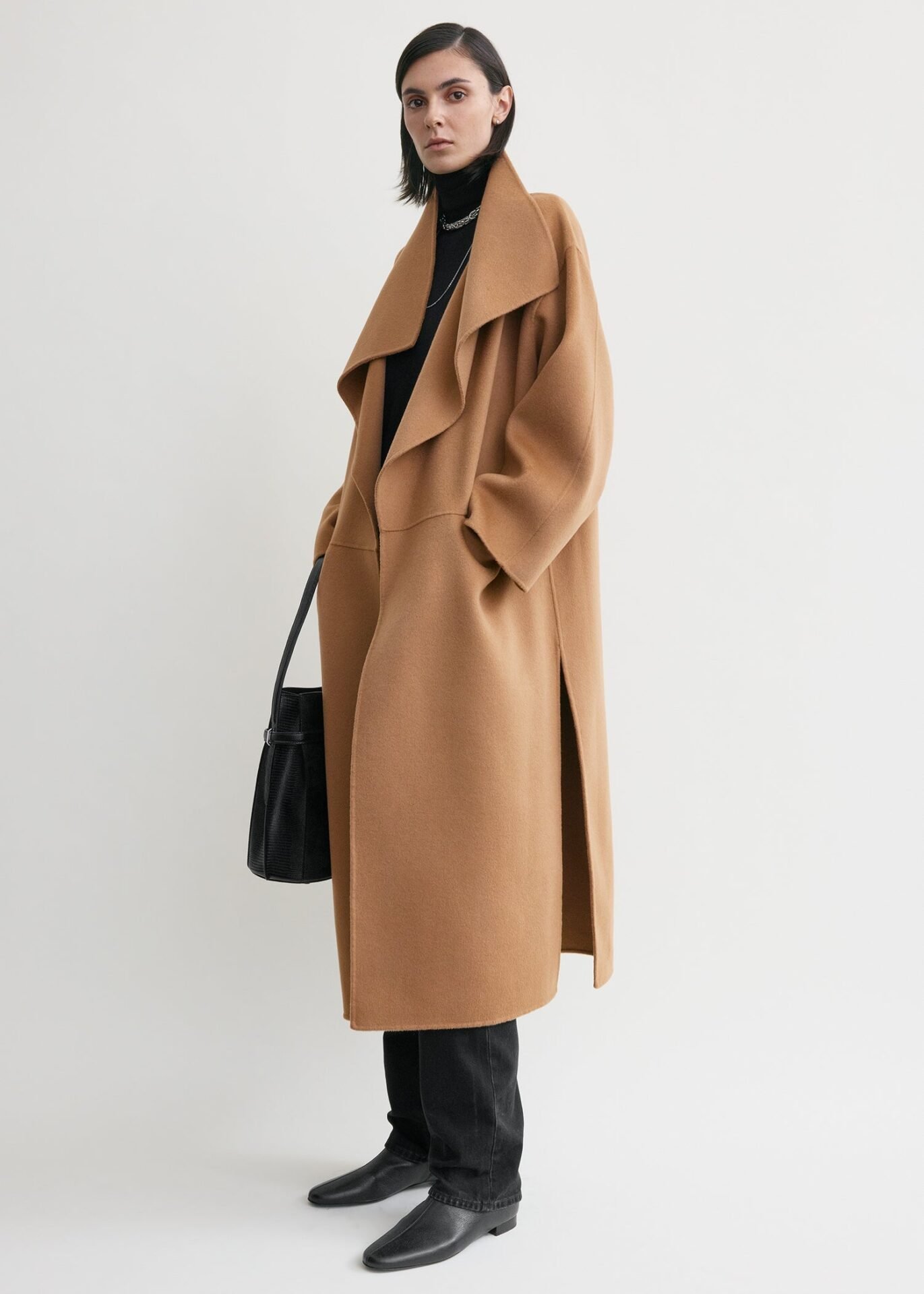
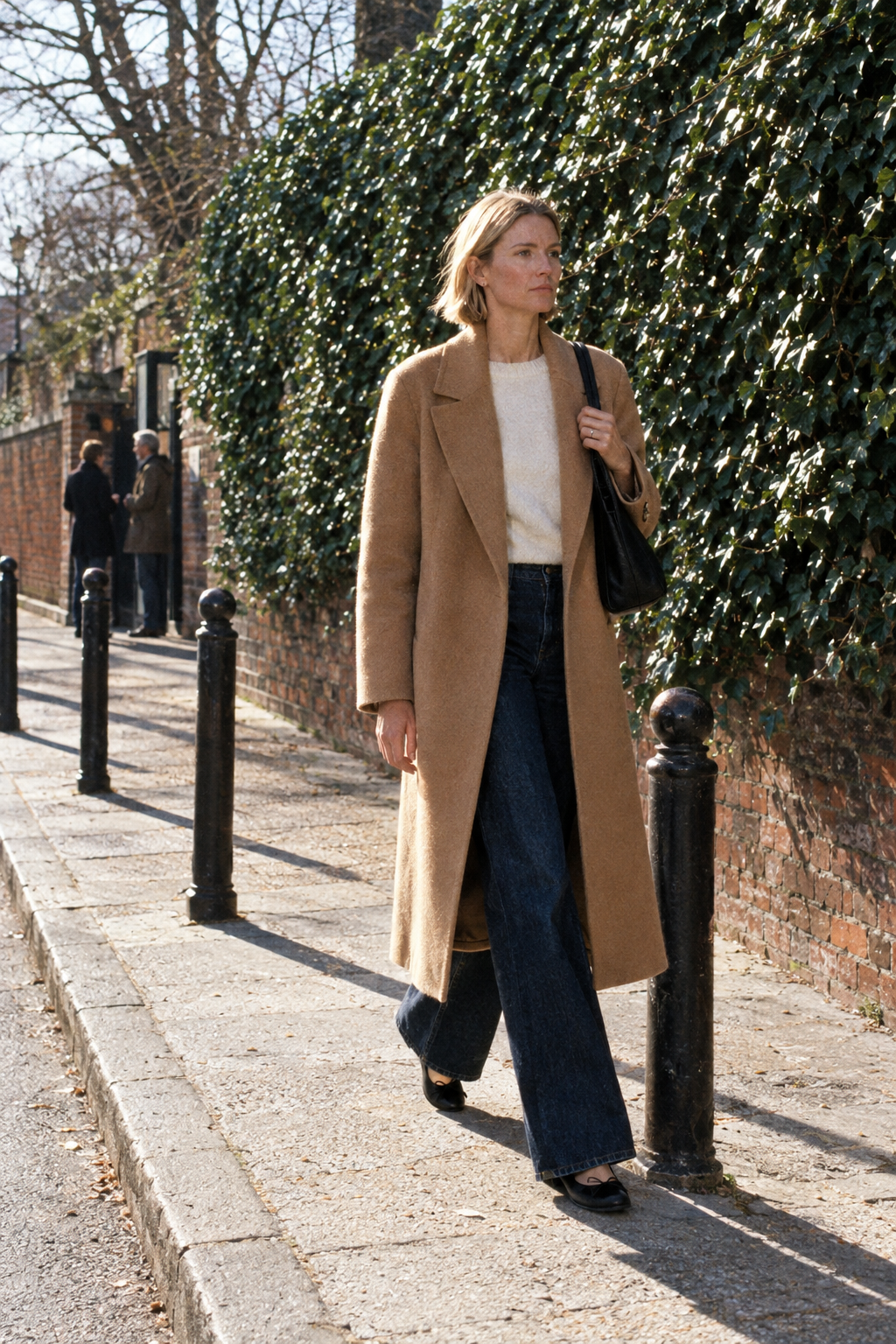
Signature Doublé Coat (Camel)
$1,490.00 | Wool cashmere in camel with this much structure practically forces better posture just to wear it properly.
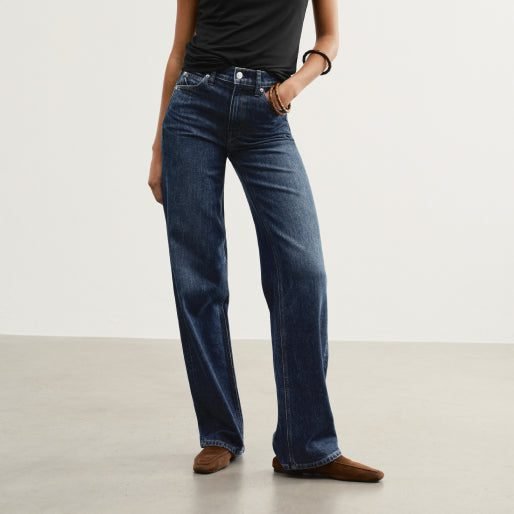
The Secret Sauce Wide Leg Jeans (Underground Hustle wash)
$295.00 | Dark indigo denim cut this wide only hangs right with a straight-backed, unhurried walk, which is sort of the entire point.
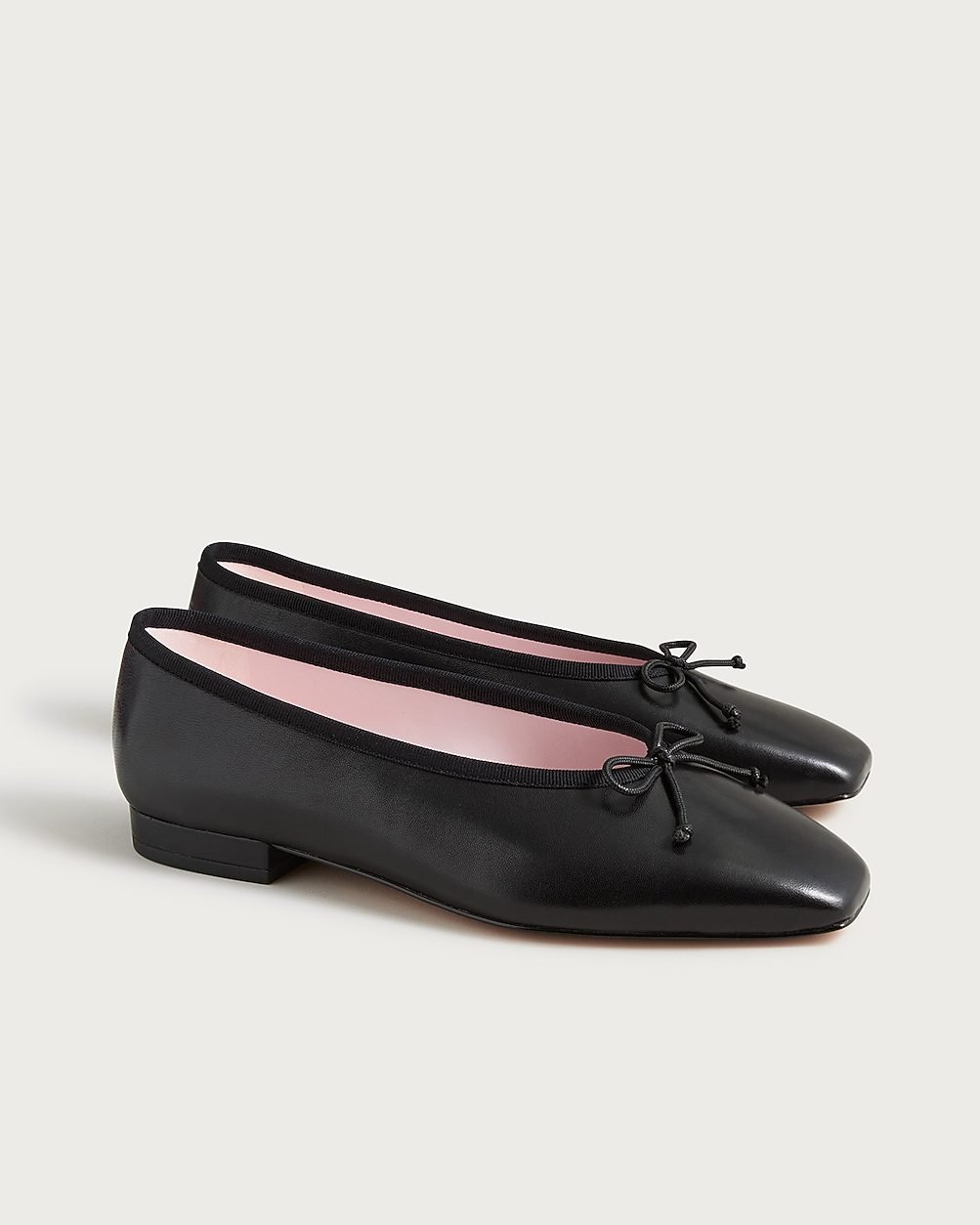
Sophie Ballet Flats in Leather (Black)
$148.00 | Plain black leather, a slim bow and a low stacked heel keep this flat quiet underfoot, with no hardware to date it.
Bad posture undoes a beautiful coat faster than any stain would.
A camel wool coat this considered deserves a wearer who moves like she has somewhere to be but no reason to run. Add dark wide-leg jeans that only hang right with a straight-backed walk, and a plain black ballet flat quiet enough that you can actually hear yourself slow down.
Posture and pace are doing at least half the work of any put-together outfit, and both are free.
I’d take good carriage in ordinary clothes over a designer coat worn hunched and rushed, every time.
20. Walk Every Day, Whatever the Weather
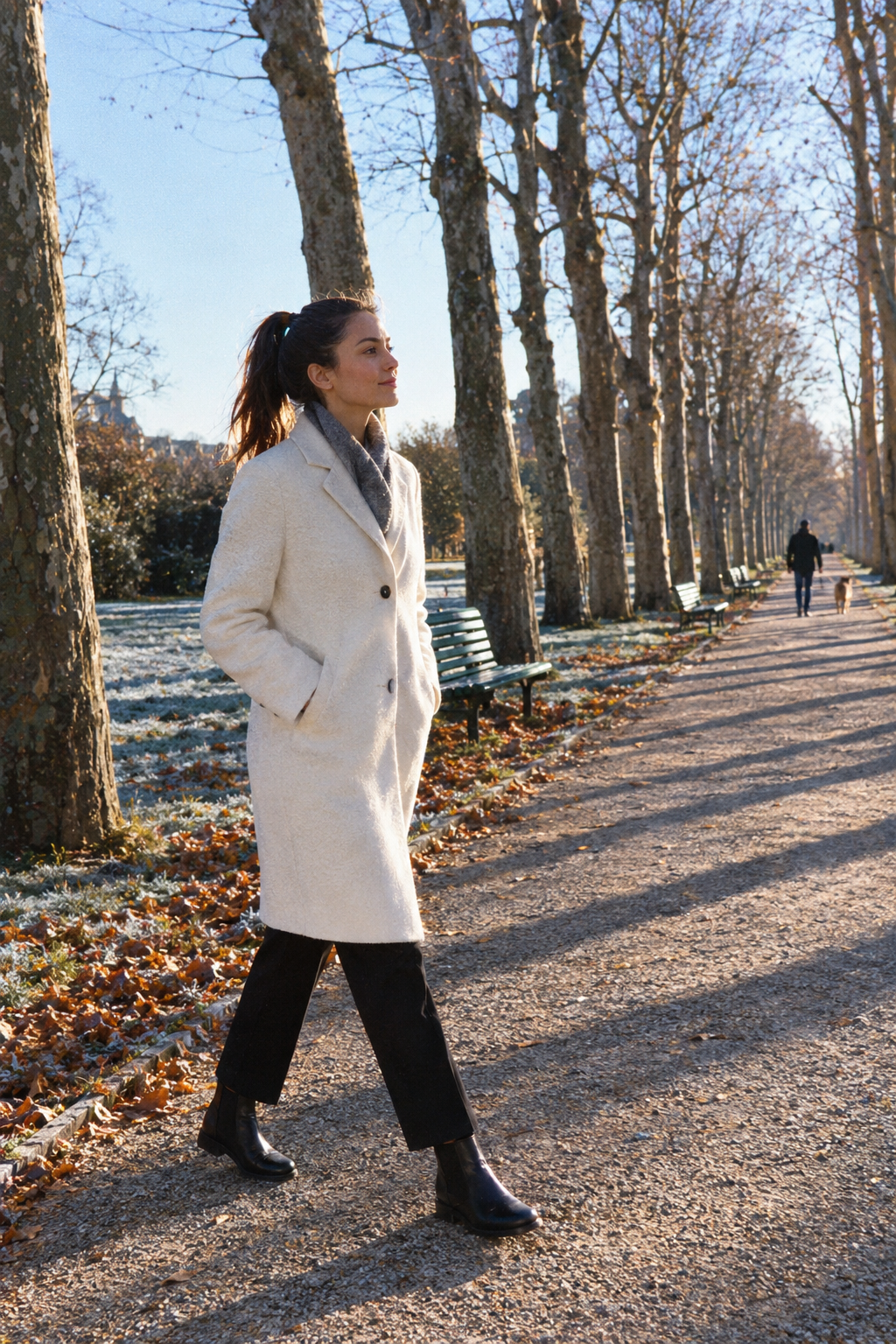
A daily walk is the least glamorous habit on this list, and the one I would keep if I had to drop the rest.
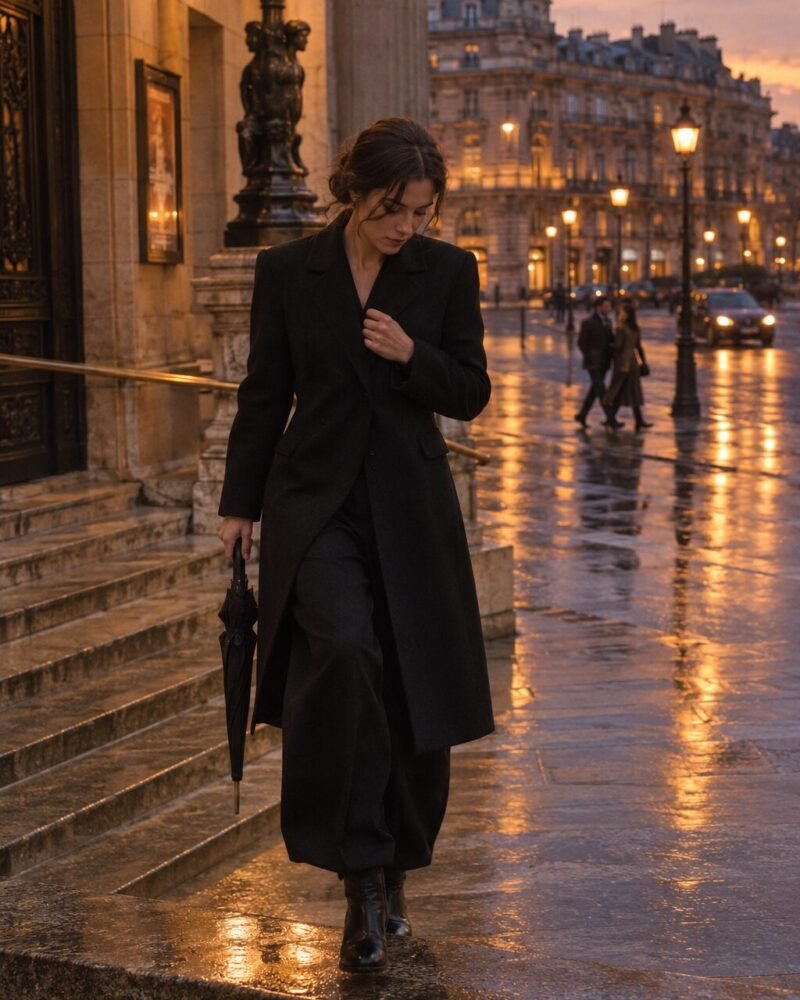
Dressing for it is the rule that makes it stick. With a proper coat, a scarf and shoes that can take a puddle, rain stops being a reason to stay in.
A fixed slot helps just as much. Straight after lunch or just before dinner, the walk becomes part of the day’s structure and no longer something to fit in.
Regularity matters far more than distance.
Start here: twenty minutes, one loop from your own front step, every day for two weeks.
21. Keep the First Hour of the Morning Phone-Free
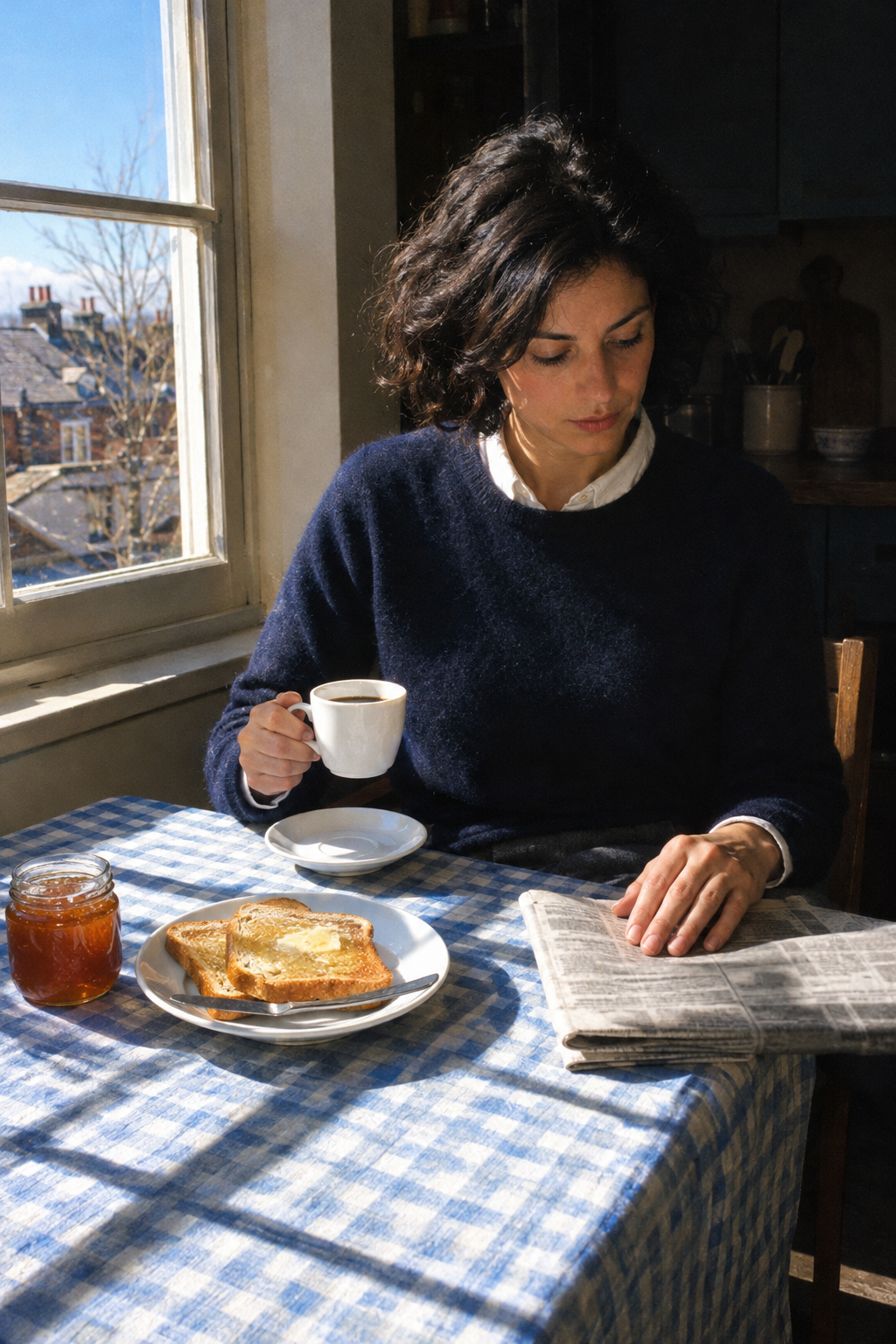
Whatever you look at first sets the pace for the day. Open your phone in bed and you begin with other people’s news, requests and opinions before you have had a thought of your own.
An hour without it gives the morning a fixed order: wash, dress, breakfast at the table, a look at the day ahead.
Order is the mechanic. When each step has its place, nothing needs deciding, and an unhurried morning is mostly a morning with fewer decisions in it.
Start here: charge your phone outside the bedroom and wake up with an ordinary alarm clock.
22. Read Something With an Actual Argument, Every Single Day

A feed refreshes forever. A real chapter ends, and that ending is doing more for you than the scroll ever will.
The habit isn’t about which book, it’s about treating substantive reading as a daily non-negotiable instead of an occasional virtuous exception.
Old money households read constantly and mention it casually, not performatively, which is a very different thing from posting about a book.
Read one real chapter today instead of forty minutes of feed, and 2027 already looks different.
23. Plan the Week on Paper
Editor’s Picks
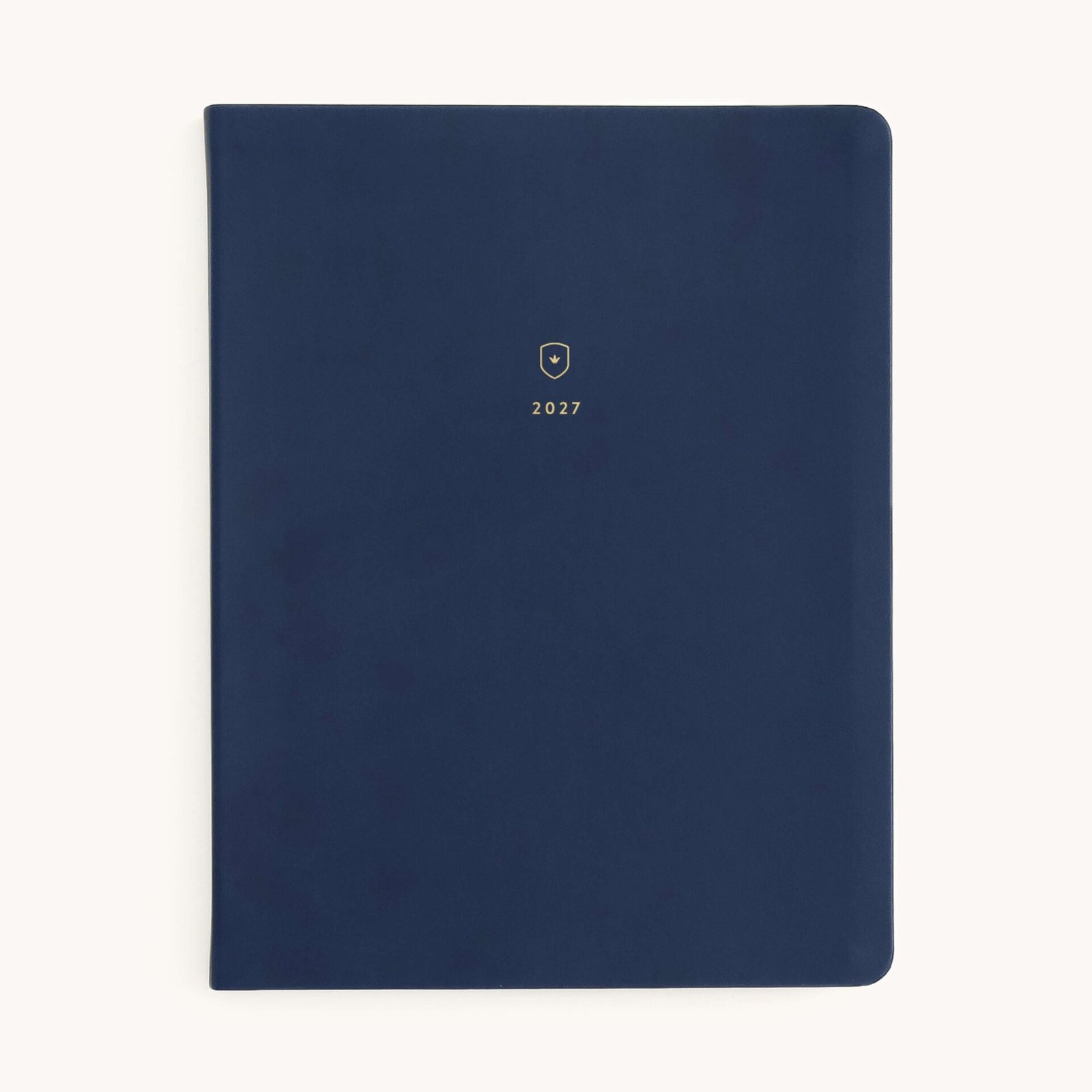
2027 Bookbound Weekly Dapperdesk Planner (Navy)
$64 | Bookbound and dated January to December 2027, with a two-page weekly spread, lined notes pages and a ribbon marker. The plain navy cover is leatherette, with a small gold crest and the year.
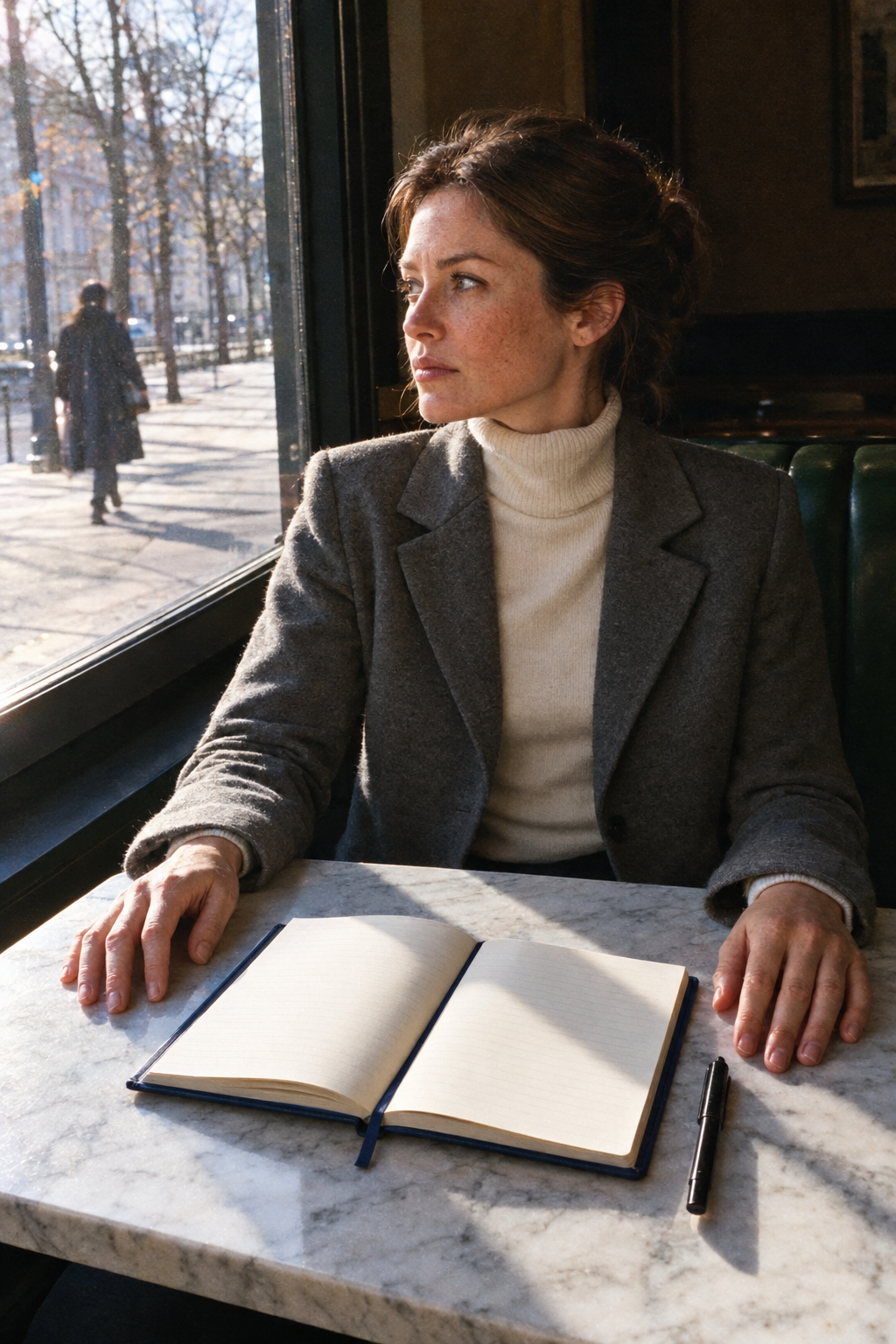
A paper planner shows you seven days at once, with no notifications attached. That single view is what makes it calmer than a phone calendar.
Handwriting is slower, and the slowness is useful. You notice that Wednesday holds three things and Thursday holds none while there is still time to move one.
Mine gets filled in on Sunday evening: appointments first, then dinner for each night, then the one or two things I actually want to finish.
A week that has been written down rarely surprises you.
Styling tip: I leave the planner open on my desk at the current week, ribbon in place, so I see it without having to go looking. A dated one keeps me honest, because a blank week is hard to ignore.
24. Take Lessons in One Thing for the Whole Year
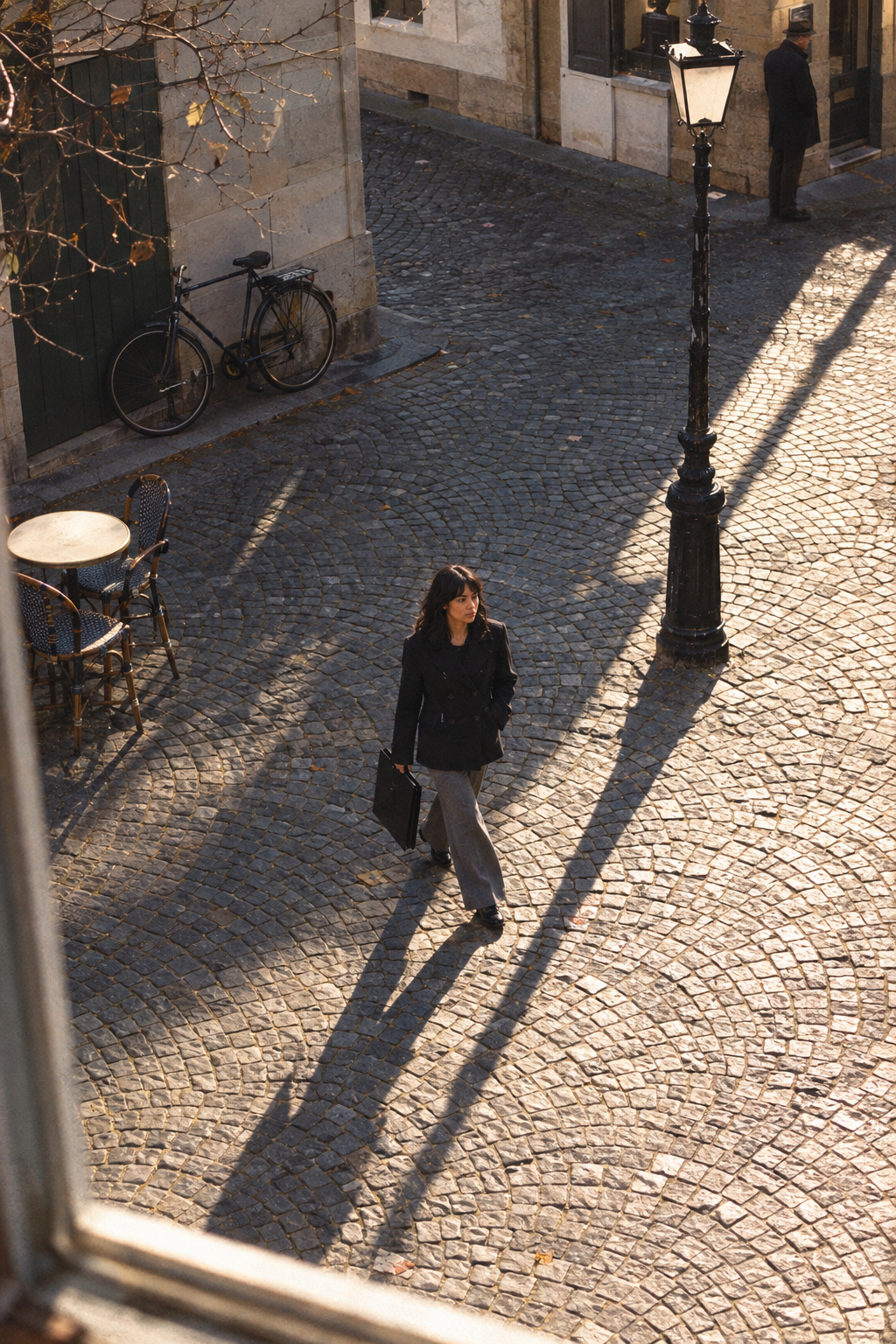
Pick one skill and stay with it until December. A language, the piano, tennis, riding, drawing: the subject matters less than the length of time.
Weekly lessons work because someone is expecting you. A teacher and a fixed hour carry you through the dull middle months, when enthusiasm alone would have run out.
Start here: book a single trial lesson this month, at a community class or with a local teacher, before you commit to a full term.
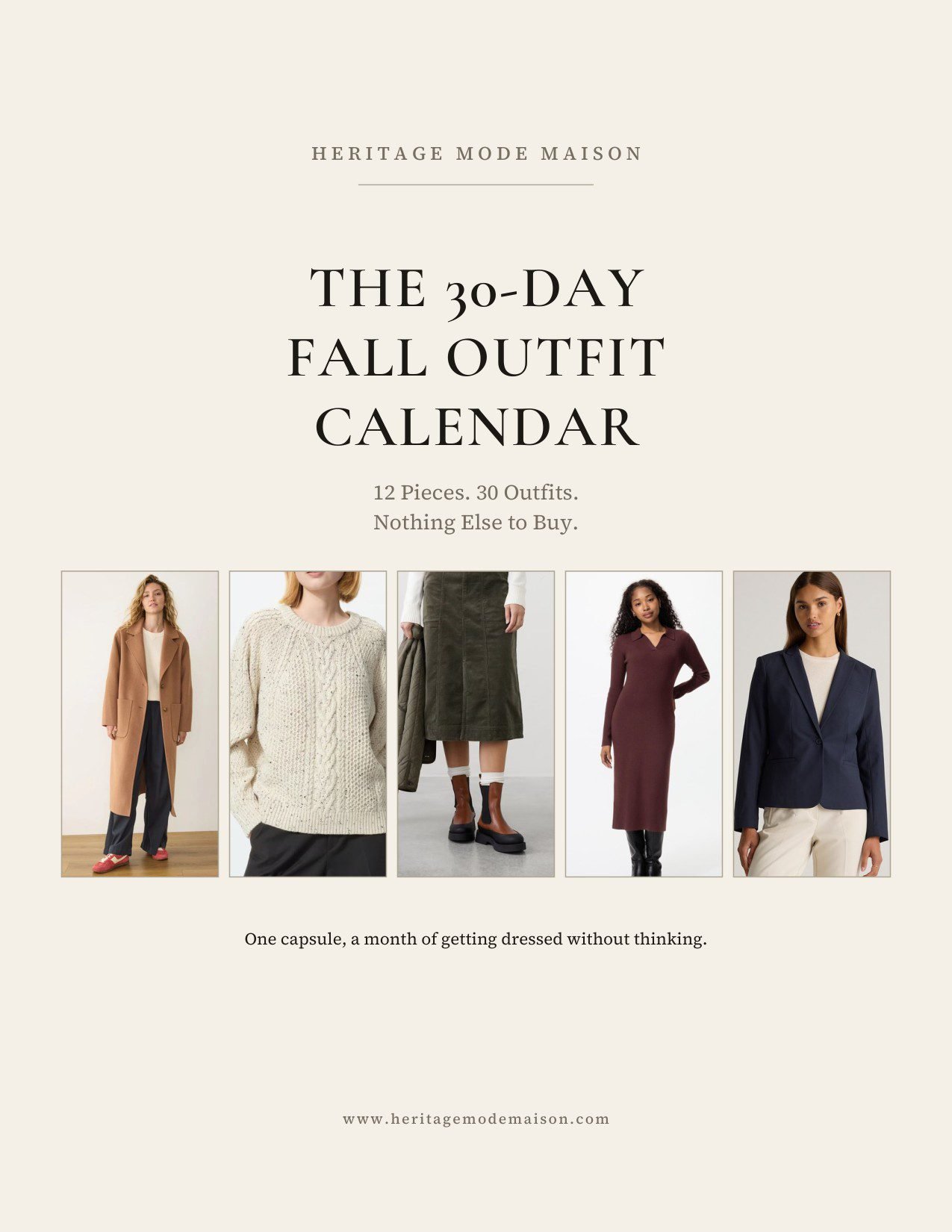
Never Sure What to Wear in the Morning?
The 30-Day Fall Outfit Calendar decides for you: 12 pieces, 30 outfits, one for every day of the month.
$9, instant PDF
See the 30 OutfitsThe Difference Between Old Money Style and Old Money Habits (And Why Most of This List Isn’t Clothes)
Every trend cycle turns old money into a shopping list: camel coats, gold signet rings, loafers, done.
That version is real and worth owning, but it’s the aesthetic, not the habit. You can buy every single piece on this page and still read as someone playing dress-up if the rest never shows up.
The fourteen entries here with no product attached, the handwritten notes, the ten-minute buffer, the stocked pantry, are what actually separate the look from the substance, because they’re the parts nobody can purchase in one order.
A camel coat photographs well regardless of who’s wearing it. Punctuality and quiet spending only show up in how someone actually behaves, week after week, with nobody watching.
Start with whichever habits are wearable if that’s the easier entry point, but don’t mistake the wardrobe for the whole exercise.
You don’t need all 24 of these running by January. Pick the cheapest one, the thank-you note or the ten-minute buffer, and let it become automatic before you add a second.
Give each habit a month, then add the next.
The wearable ones are easier to start, since they only take one good purchase. It’s the unphotographed ones that hold the whole thing together, and by next December the list will feel less like 24 habits and more like the way you live.
Frequently Asked Questions
What are old money habits, exactly?
They are quiet, repeated routines that favor care over display: looking after what you own, eating at a table, listening well. None of them depends on income.
Do I need to buy everything on this list to start?
No. Most of the list is free, and a habit like the handwritten note or the ten-minute buffer builds the same discipline as any of the wearable ones. Alterations are the main cost, and they replace a purchase instead of adding one.
Which habit should I start with?
Begin with the phone-free first hour, because it makes room for several others. Breakfast at the table and a look at your planner both fit inside it.
Which habit makes the biggest visible difference the fastest?
Dressing for where you’re going instead of where you are. It’s the one habit other people notice within a single week, long before anyone clocks a signature palette.
How often should I actually condition leather goods?
Roughly every four to six weeks for shoes in regular rotation, and closer to twice a year for a bag that isn’t carried daily, more often if it’s been caught in the rain.
How do I make a new habit stick past January?
I attach it to something I already do, such as planning the week straight after Sunday dinner. Then I judge it after a month, and only add the next habit once the first feels automatic.
Save This For Later

Loved old money habits? Save this pin to your Pinterest board now so you can find it again anytime you need the inspiration.
Want a fresh outfit idea each morning? Follow Heritage Mode Maison on Instagram.
