


This post contains affiliate links. If you make a purchase through one of these links, Heritage Mode Maison may earn a small commission at no extra cost to you.
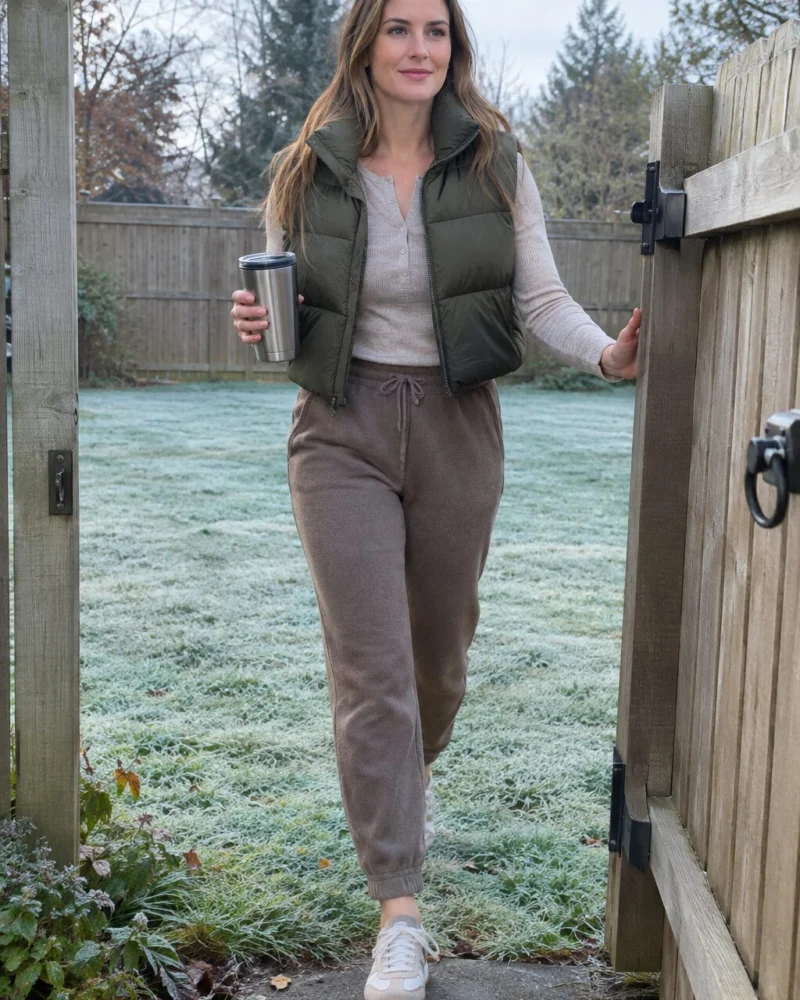
Early spring is annoying to dress for. You leave the house cold, come home warm, and spend half the day carrying whatever layer you thought you needed.
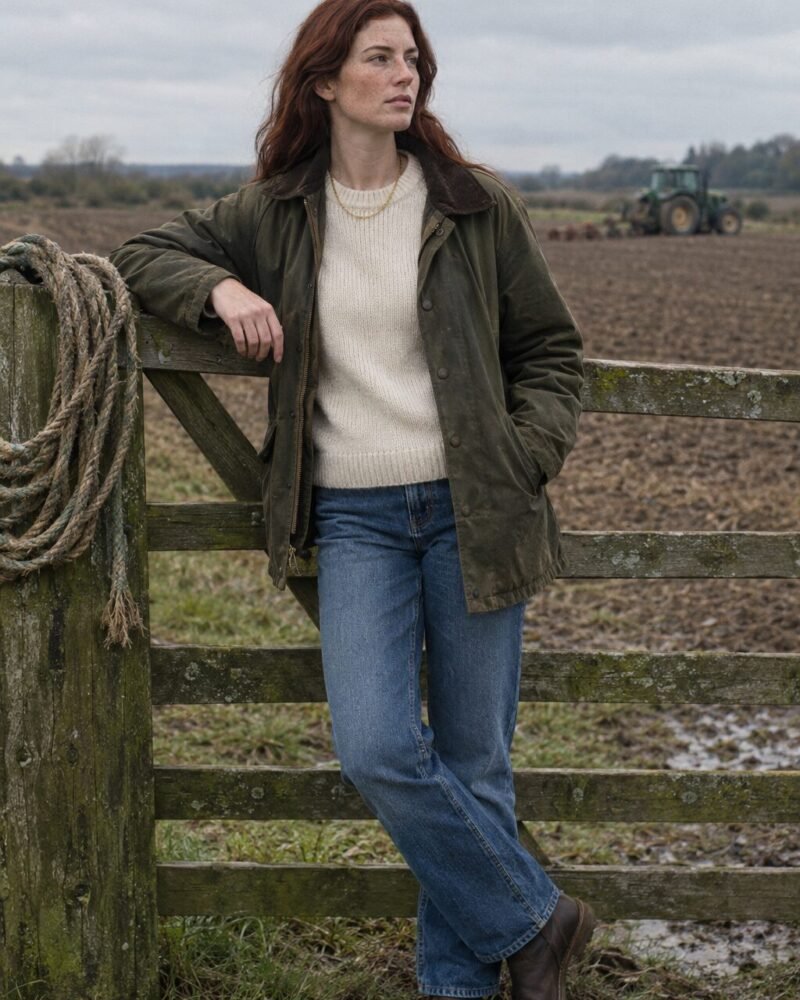
This is exactly where old money transitional outfits for early spring shine. Not because they feel clever or on trend, but because they take their time. They are built around layers you actually want to wear all day, fabrics that soften and relax the more you use them, and shapes that feel familiar instead of new or forced.
The old money approach to early spring dressing is not about reinvention. It is about continuity. You keep wearing the same pieces and shift them slightly as the weather changes.
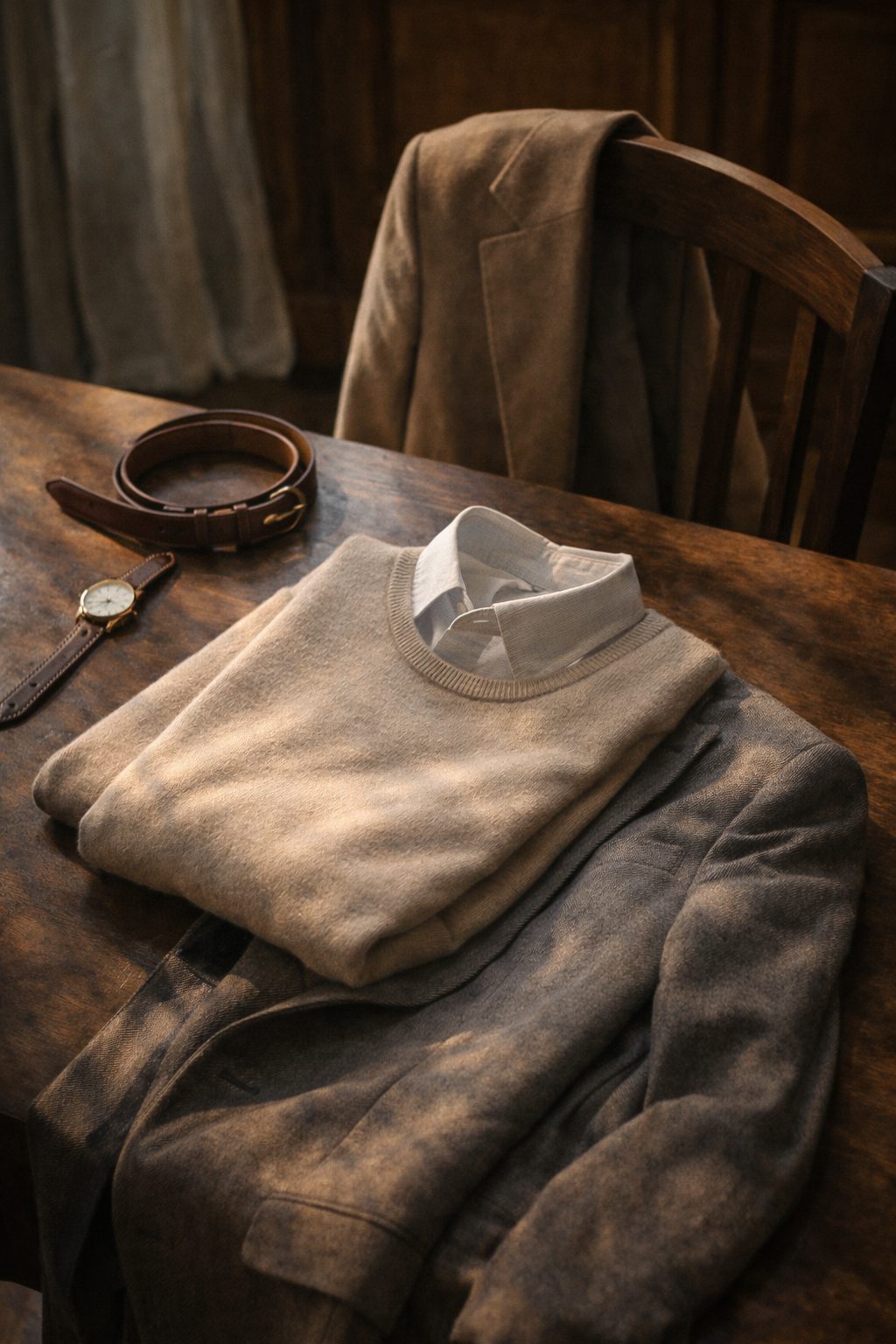
This way of dressing is deeply tied to the relaxed polish often associated with the old money aesthetic. Not styled for the camera. Styled for life.
These are the pieces and outfits that get you from late winter into early spring without making it feel like you tried at all.
What makes an outfit truly transitional
Before we get into specific outfits, it helps to reset expectations. Transitional dressing is not about clever hacks. It is about flexibility.
The best early spring outfits share a few things in common:
- They layer easily without bulk
- They rely on natural fabrics like wool, cotton, silk, and leather
- They look good even when something is taken off
- They feel normal enough for daily life
If an outfit only works at one exact temperature, it is not transitional. Old money style has always favored pieces that adapt instead of perform.
1. The wool blazer and fine knit sweater
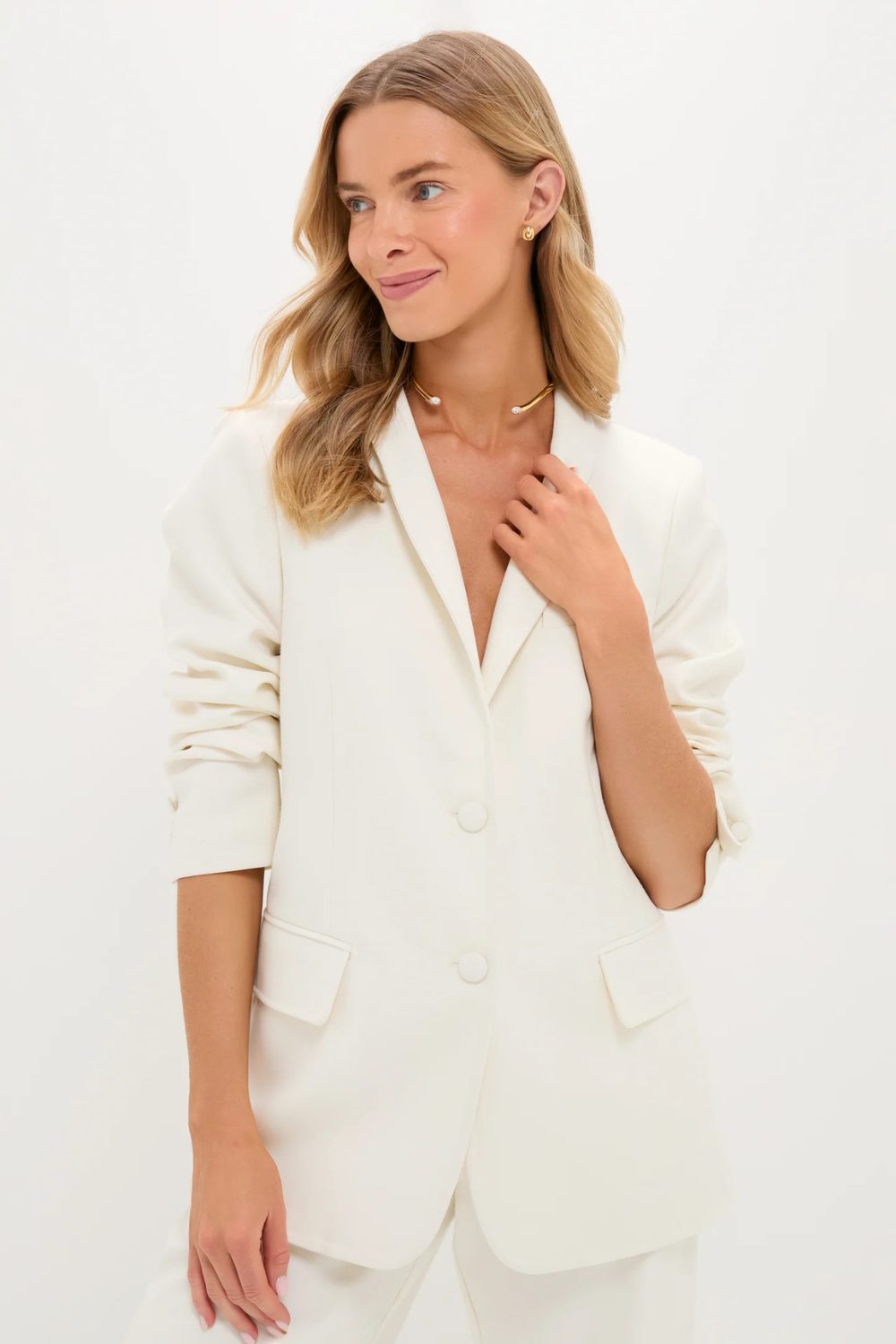
You pull out a wool blazer every year without thinking about it much. Once early spring hits, it is an easy stand-in for a coat without feeling chilly.
Related: deciding what to wear in March
It goes over a thin knit in cream, soft grey, or navy. Skip anything chunky or loose. I want it light, but not flimsy. It works with tailored trousers, straight leg jeans, and loafers.
This outfit works because nothing is fighting for attention. The blazer provides structure. The knit softens it. You look put together even if you did not think too much about it.
2. The trench coat with lived-in tailoring
The trench coat does not need an introduction. It is the backbone of early spring dressing for a reason.
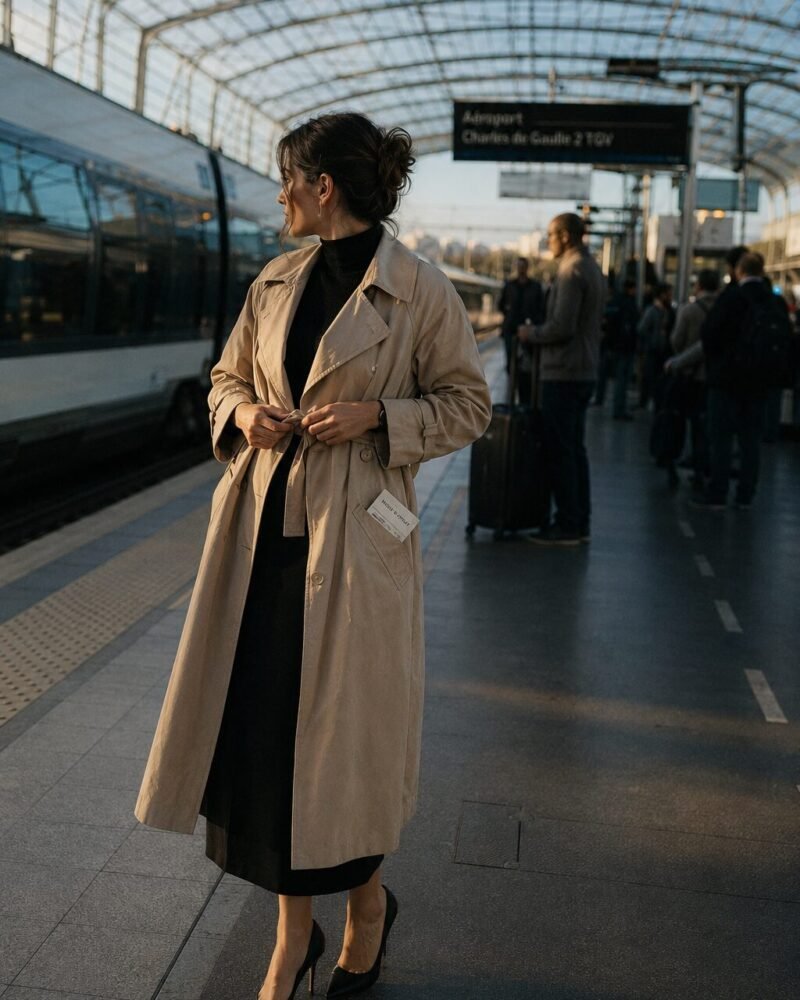
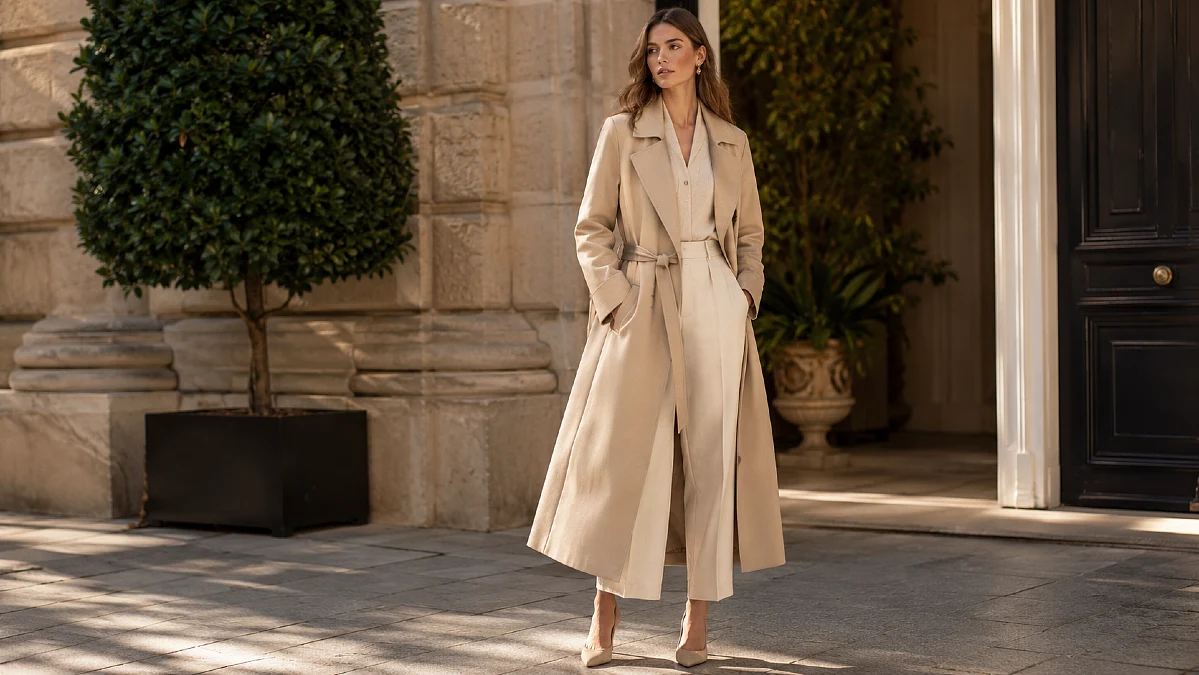
The key is choosing one that feels substantial. Cotton gabardine with weight. A collar that holds its shape. Sleeves that look better slightly rumpled. Wear it open over trousers and a button down, or over a knit dress when the weather warms.
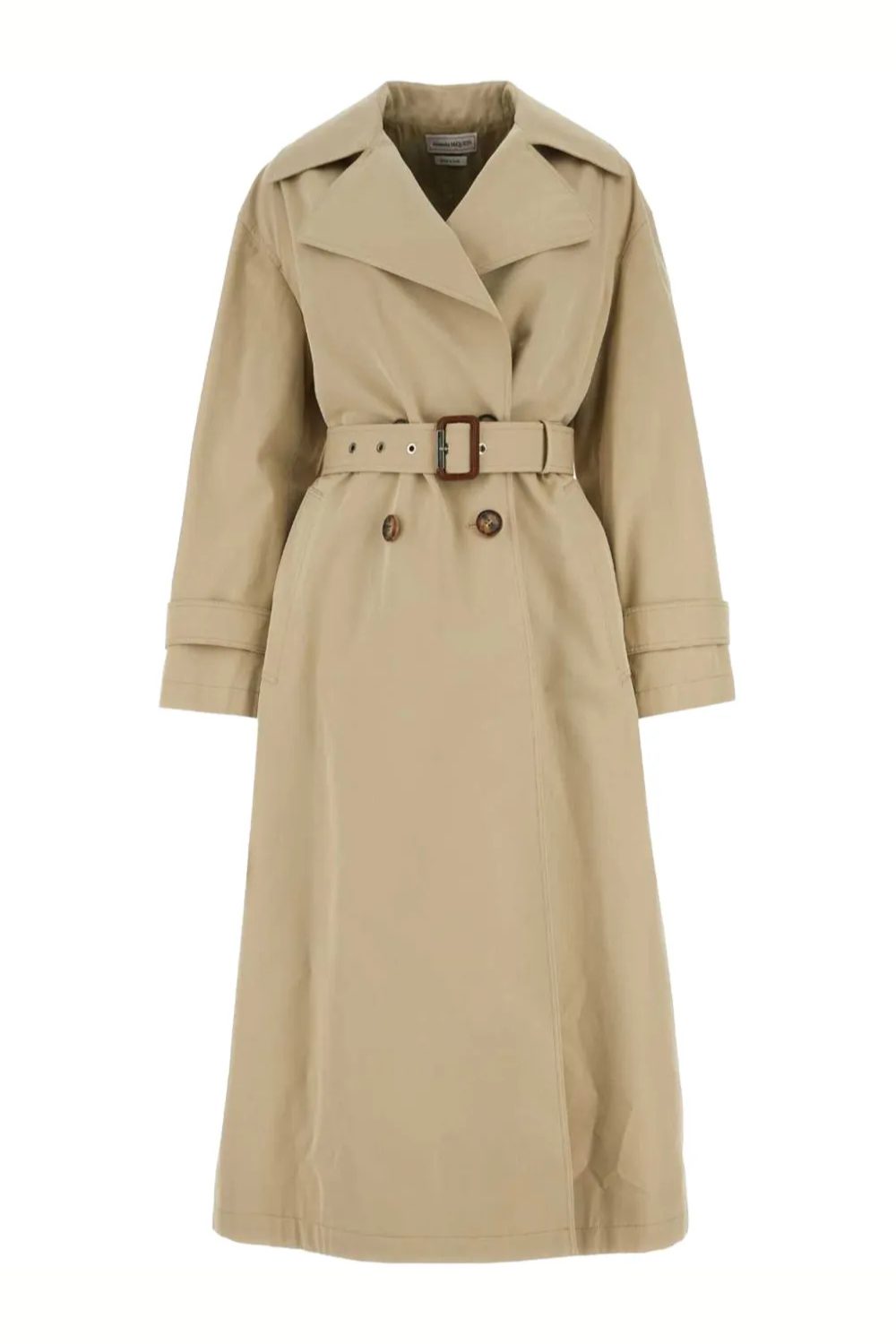
A trench feels right when it doesn’t look brand new, even if it is.
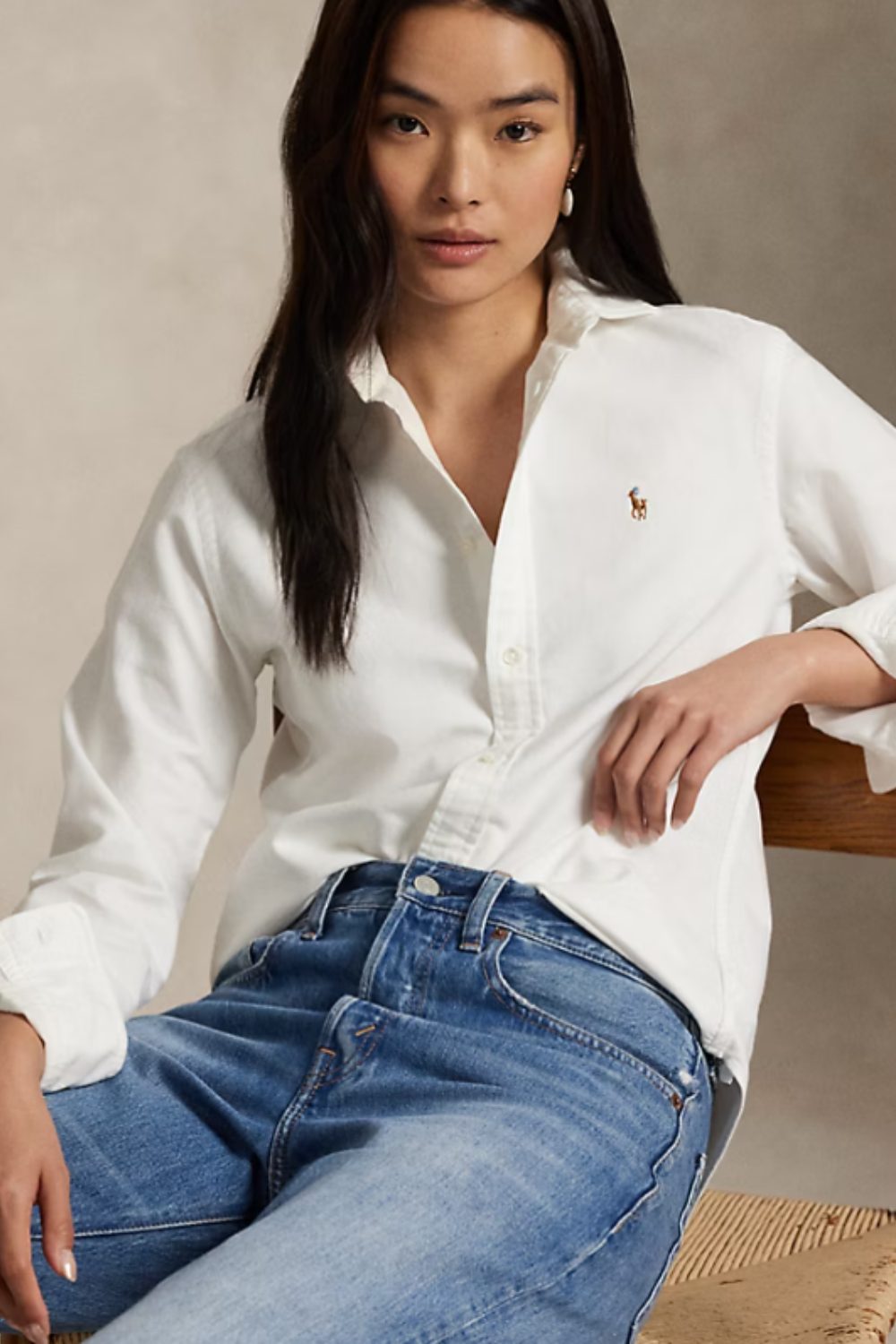
3. The button-down shirt that actually gets worn
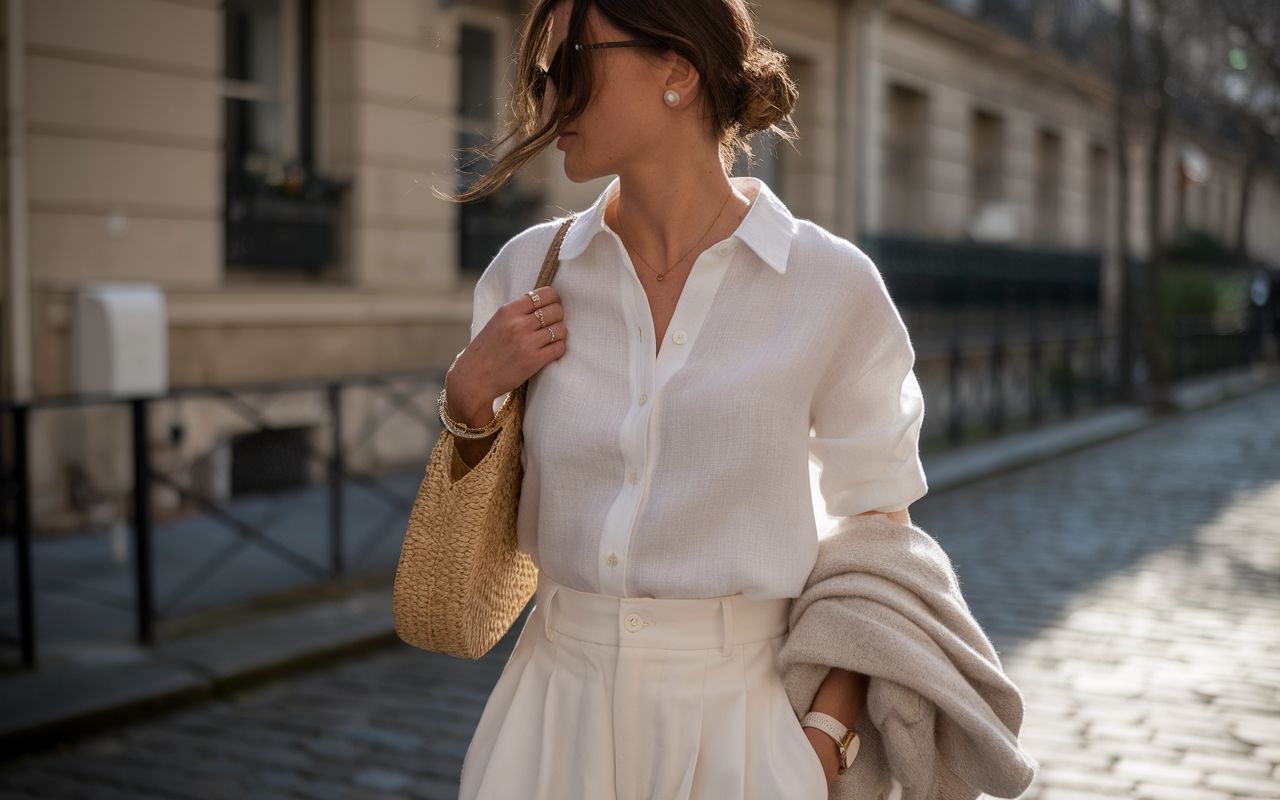
A good button-down ends up doing a lot of quiet work in early spring. White, pale blue, or a soft stripe are the ones that tend to get worn the most.
Some days it’s tucked into tailored trousers with a belt. Other days it’s under a blazer, or worn open over a tank once the sun comes out. Cotton poplin or Oxford makes sense this time of year. It is comfortable, holds its shape, and never feels like too much.
This is also where simple wardrobe care starts to show. Shirts that get pressed, stored properly, and worn often always look better than the ones kept aside for a “special” day that never really comes.
4. Straight leg trousers with proper weight
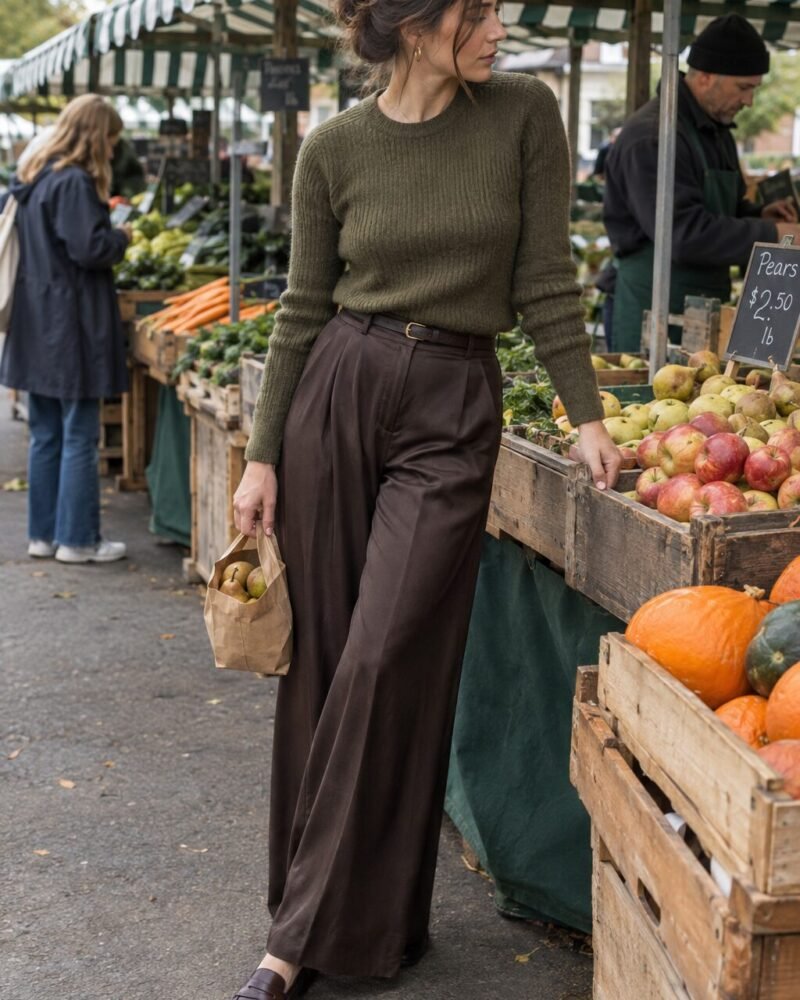
Early spring is not the time for flimsy pants. The fabric matters here. Wool twill, gabardine, or a heavier cotton blend usually do the job.
Camel, navy, and soft charcoal are reliable in a way trend colors never are. You can wear them with knits, shirts, or light jackets and not overthink it. Good fit does most of the work.

5. The lightweight knit dress
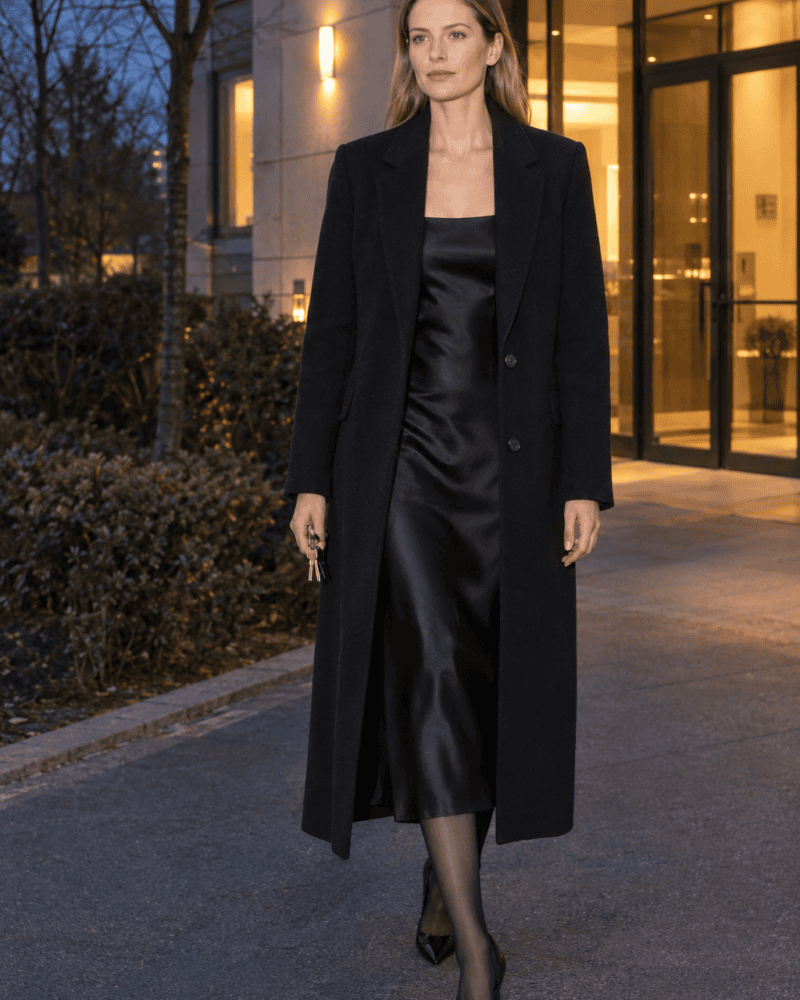
A trench or blazer on top and leather flats or low heels is all it needs. If the weather shifts, you deal with the outer layer and do not rethink the outfit.
Most days it’s a trench or a blazer and flats or low heels. When the temperature changes, only the top layer does.
It fits easily into a wardrobe where you keep wearing the same things.

6. Loafers and ballet flats that are already broken in
Early spring is when you stop wearing shoes you can’t walk in. Loafers, ballet flats, and low block heels make the most sense.
What matters is that they look worn in. Soft leather, a bit of creasing, shoes that feel like they belong to you. Comfort has always been a quiet marker of old money style.

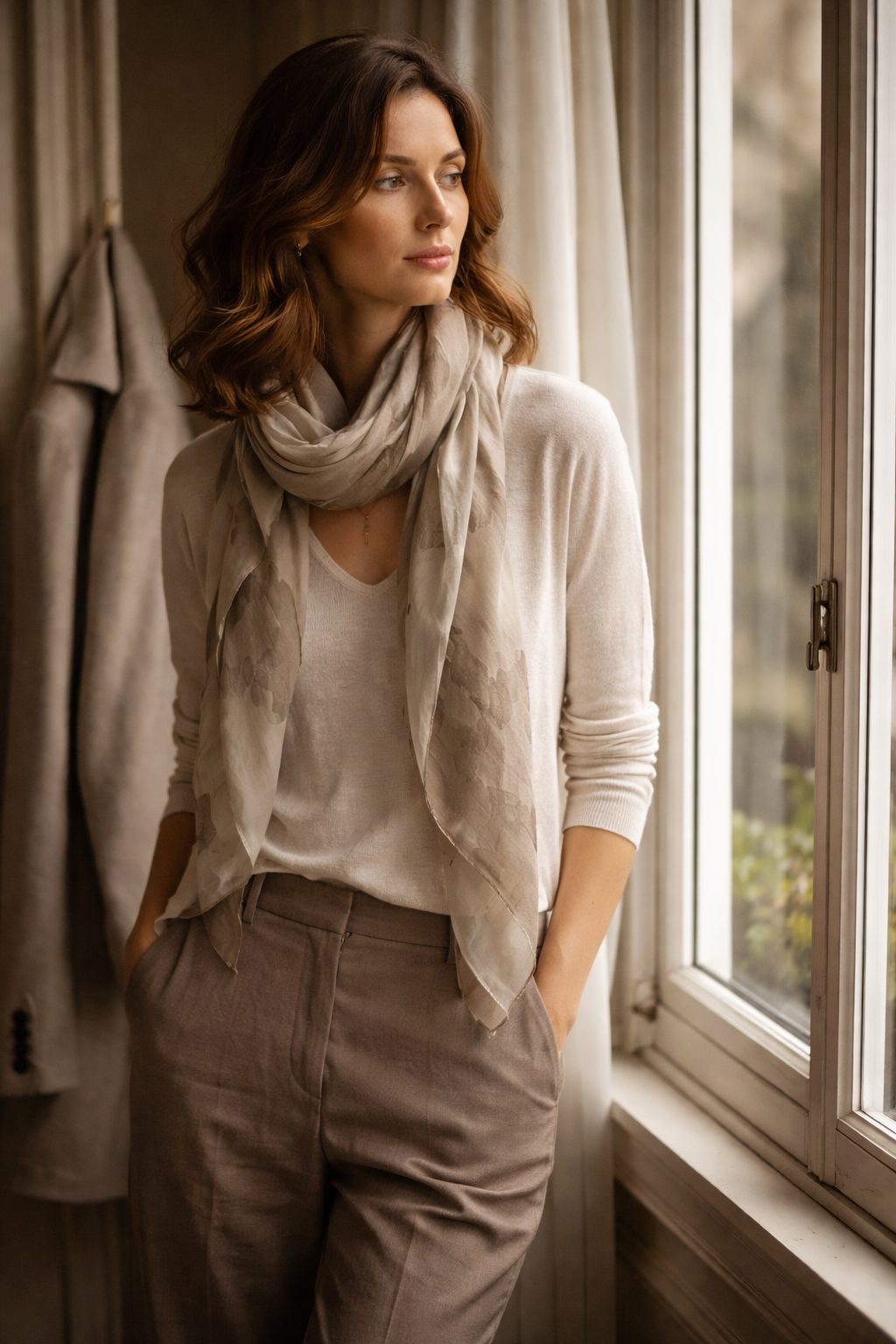
7. The scarf as a practical layer
Scarves are not decorative here. They are practical.
A silk scarf works when it’s mild. Wool makes more sense when mornings are cold. Neutral colors are the easiest. I don’t style it, I just throw it on.
8. Outerwear that feels in-between
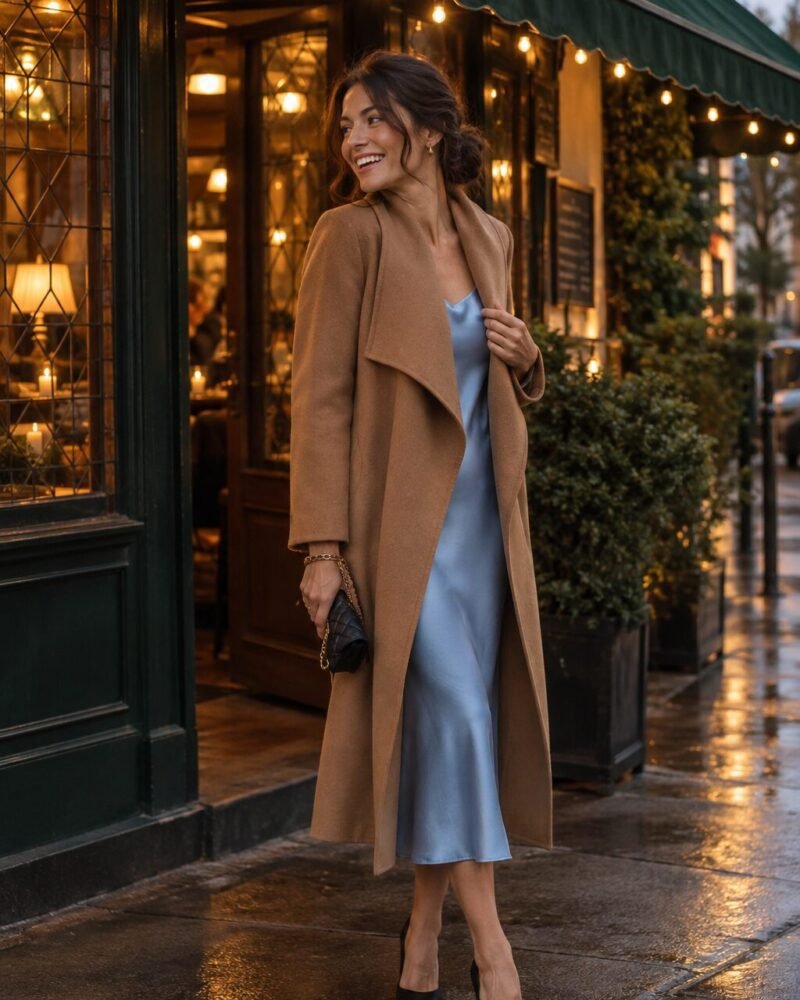
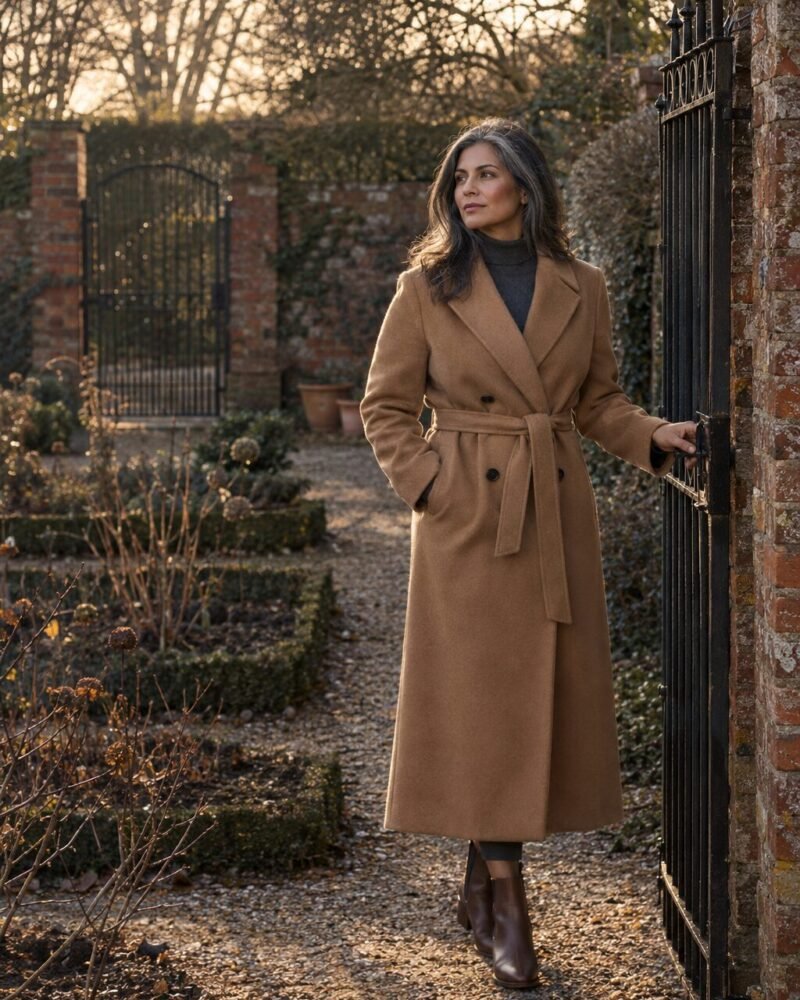
By this point, full winter coats stay on the hook, but you still want something on top. Short wool coats, lighter overcoats, and structured jackets are what make sense.

This is also where fit starts to matter more than anything else. A well-fitting coat can carry a very simple outfit on its own. Classic colors and straightforward shapes stick around longer than anything trend driven.
9. Neutral color palettes that repeat
Old money transitional outfits tend to repeat the same colors over and over. Camel comes back every year. So do navy, cream, soft grey, and brown. You start to notice how often you reach for the same shades without really planning it.
Wearing the same colors across different outfits makes everything easier. Pieces mix without much effort, and nothing feels out of place. When your clothes all sit in the same quiet range, getting dressed stops feeling like a decision you have to work through.

You end up with fewer pieces and wear them more, instead of replacing things every time the season changes.
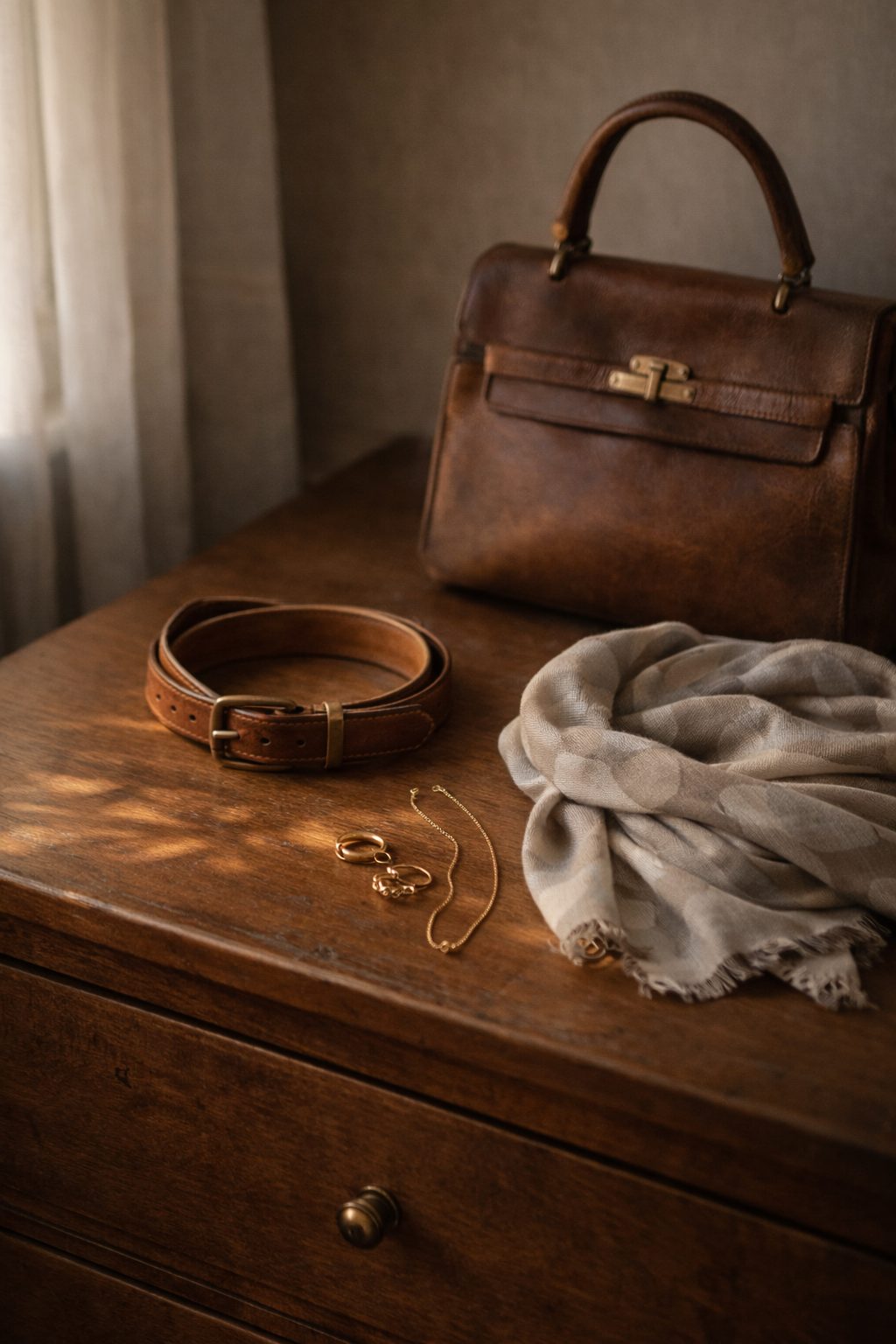
10. Accessories that feel personal, not styled
Think leather belts with subtle wear. Simple gold jewelry. A structured bag that has softened over time.
Early spring outfits look best when accessories feel familiar. The goal is not to look styled. It is to look like yourself on a good day.
Dressing this way usually changes how you treat your clothes. Storage matters more than it seems.
11. The cotton sweater layered over a collared shirt
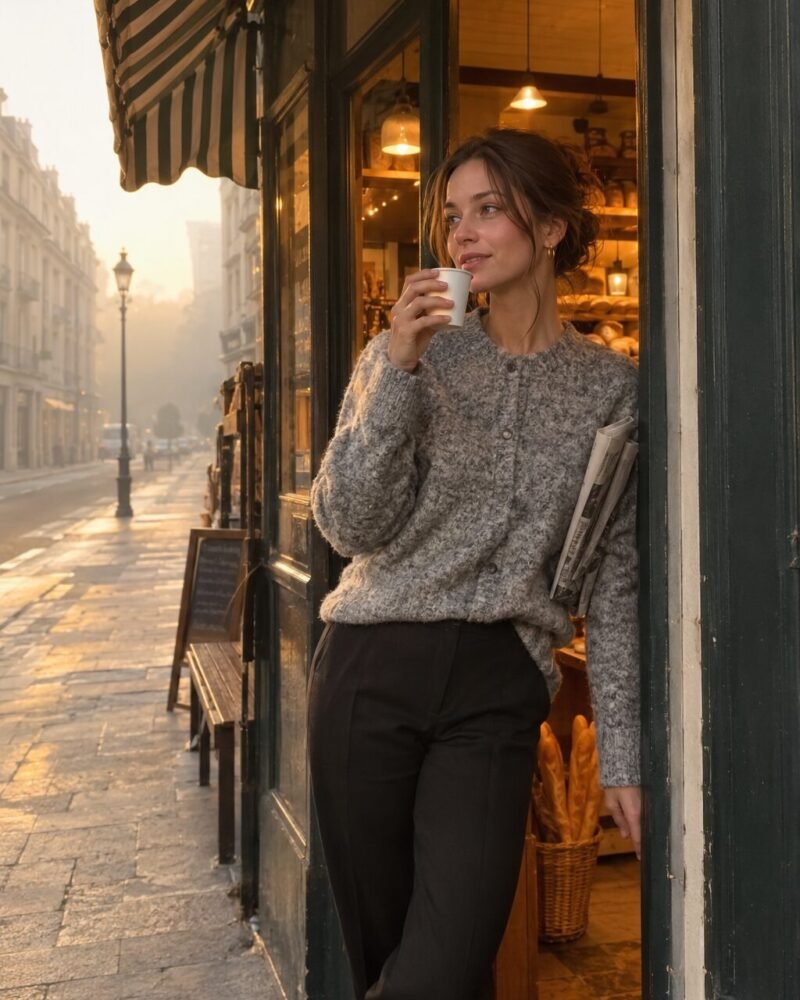
It doesn’t try to stand out, which is probably why it keeps coming back. A thin cotton or merino sweater over a collared shirt feels easy in early spring and never too heavy.
You don’t really do anything to it. The collar shows, the sleeves get pushed up at some point, and that’s about it. Straight trousers or jeans you already wear a lot, plus loafers. It works for errands, lunch, and those days when the weather changes halfway through.
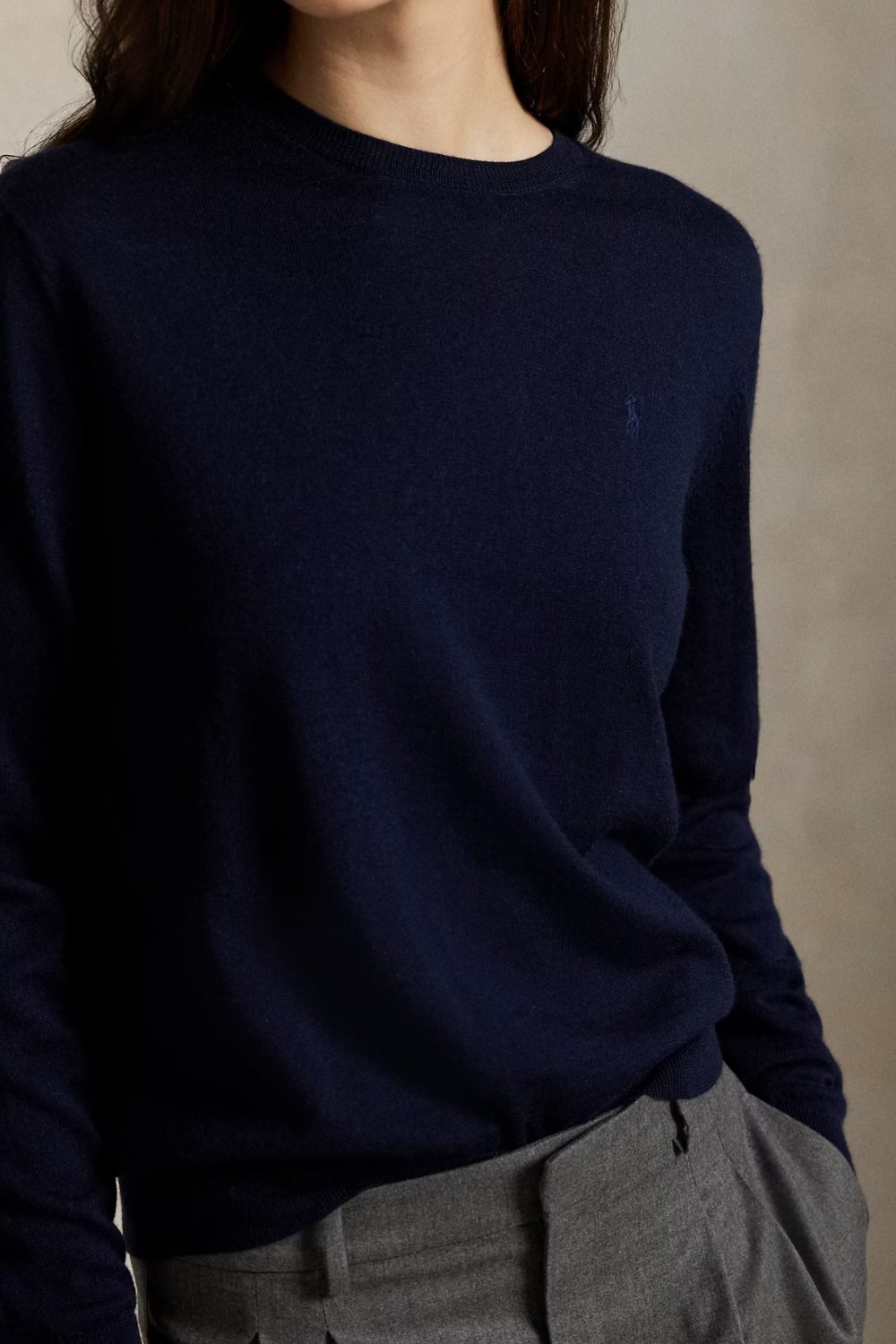
This outfit feels especially old money because it looks lived in. Like something worn often, not styled once. And that is really the point of transitional dressing done well.
A note on longevity
Old money transitional outfits for early spring are not about perfection. They are about longevity. Clothes that age well. Fabrics that soften. Outfits that feel better the more often you wear them.
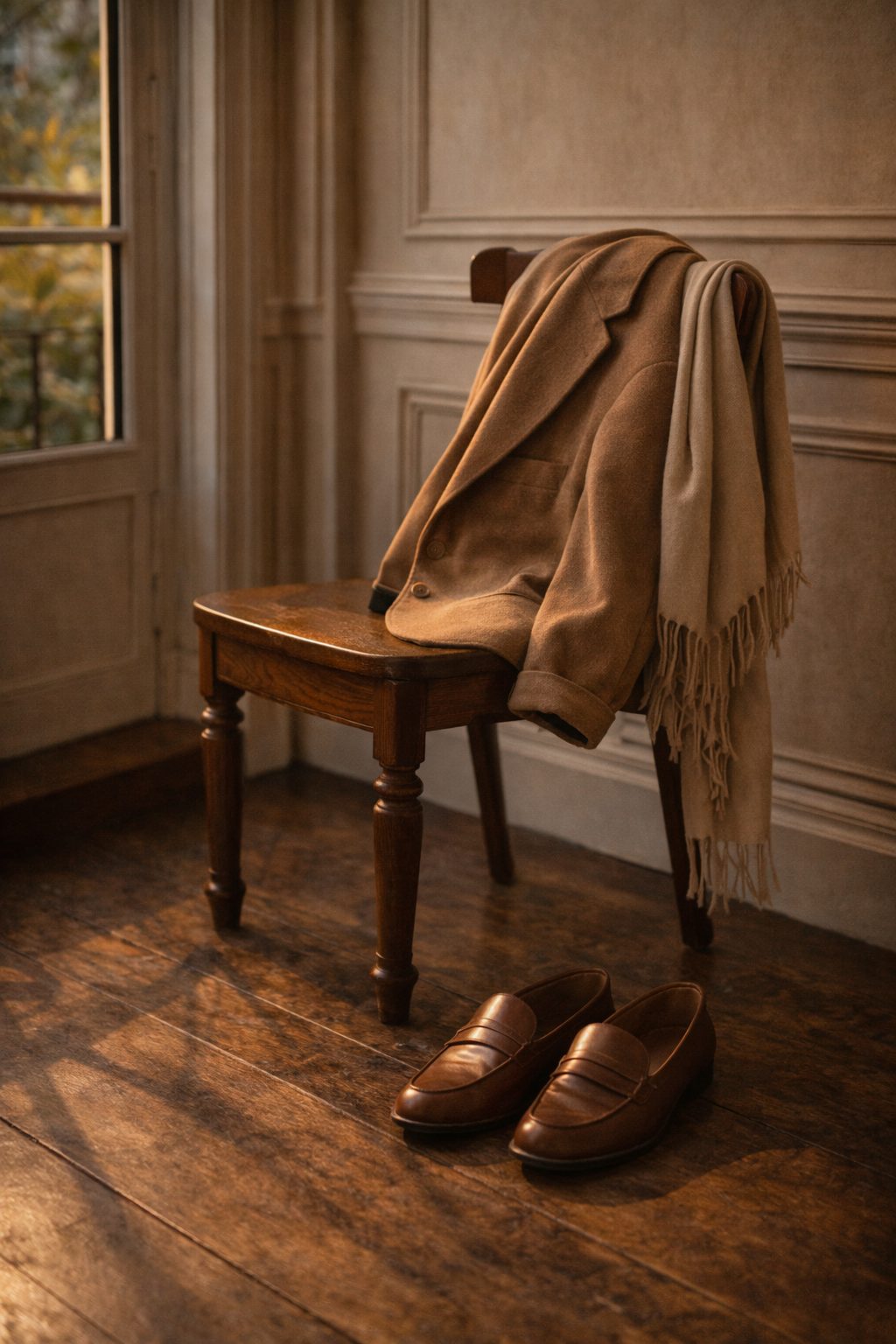
Nothing about this approach is loud. That is exactly the point.
Early spring does not need a full reset. It just needs good layers, familiar pieces, and the confidence to keep things simple.
You Might Also Like

Want a fresh outfit idea each morning? Follow Heritage Mode Maison on Instagram.
