

This post contains affiliate links. If you make a purchase through one of these links, Heritage Mode Maison may earn a small commission at no extra cost to you.
I learned how to spot quality fabric the expensive way. Years ago I bought a dress that looked like it cost $500, and after three wears it was covered in tiny pills.
That dress taught me that a good silhouette and a good price tag prove nothing. The fabric decides whether a piece lasts, and you can read it in the store if you know where to look.
Here are the twelve tests I now run on everything, from a five-second touch check to the natural fibers I will actually pay more for. If you’re building a wardrobe that lasts, start with our guide to the timeless pieces worth owning, then use these tests to choose each one well.
1. Touch It Before You Do Anything Else
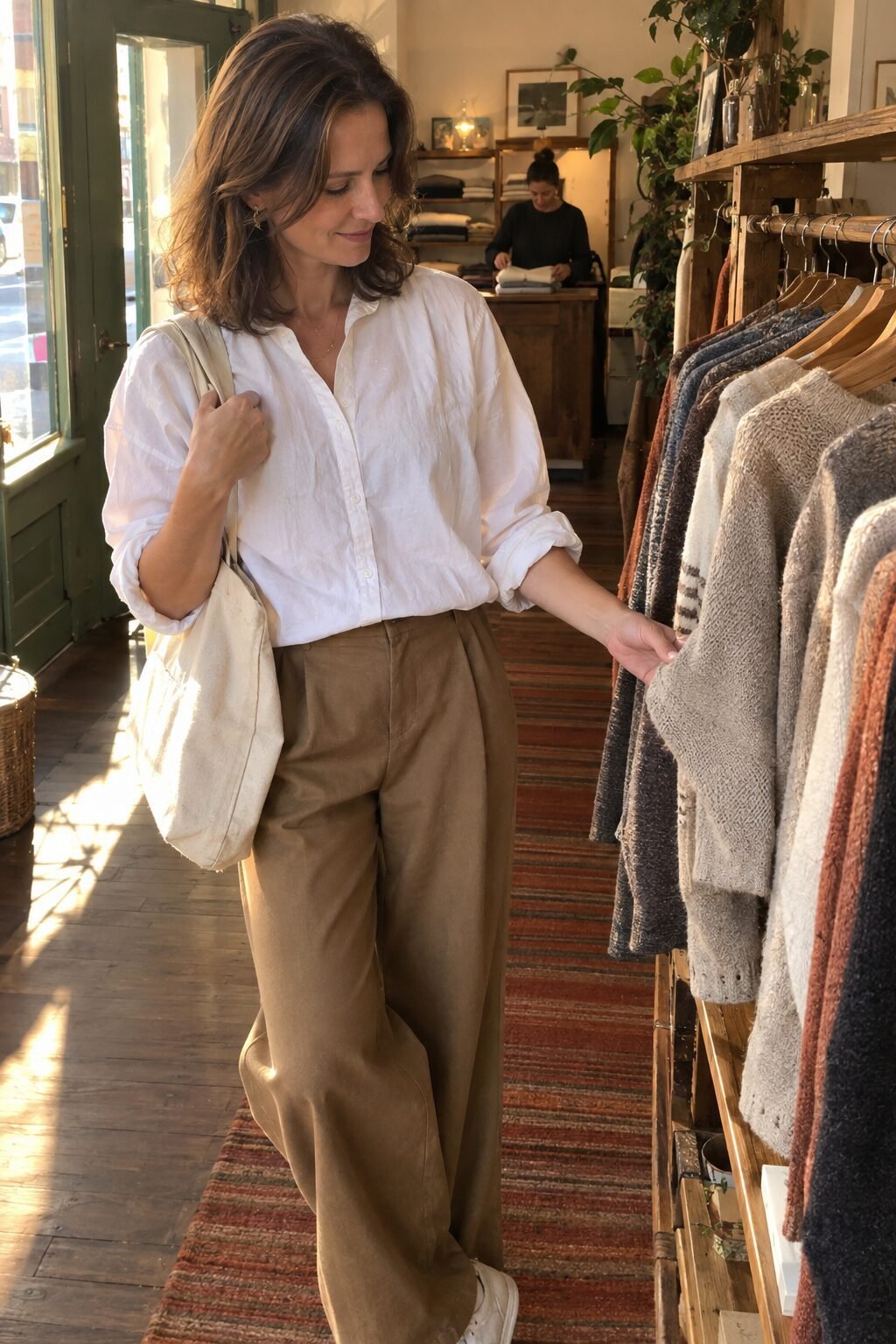
Your hands are the fastest filter you own. Good fabric feels smooth, has some weight without being heavy, and never scratches.
I once ordered a sweater online that looked lovely in photos and arrived scratchy as a doormat. Now I never buy anything I haven’t pinched, stroked and pressed against my neck.
2. Hold It Up to the Light
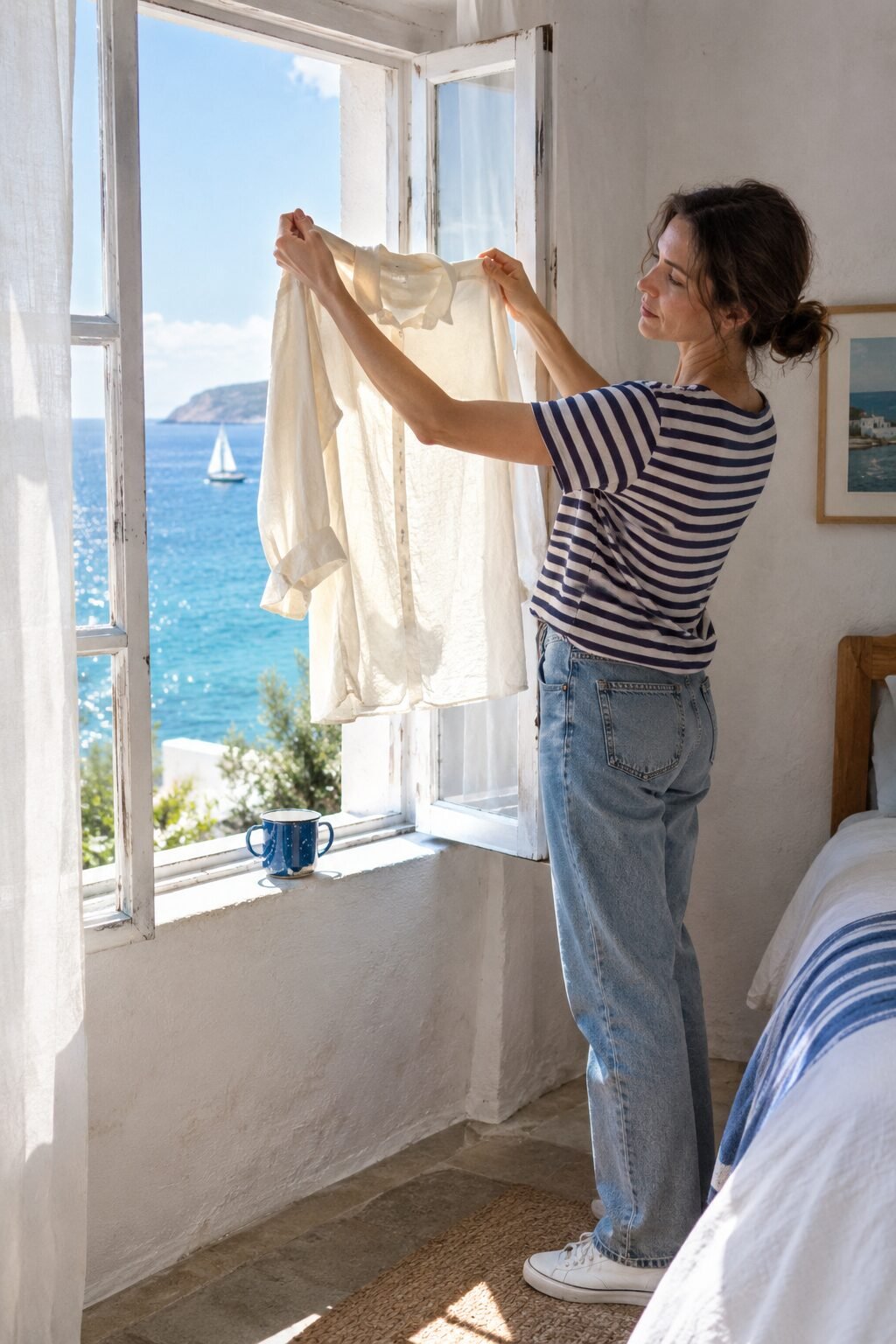
See-through where it shouldn’t be means thin yarn, full stop. Hold the fabric toward a window and look for shadows of your hand.
Sheer is fine when it’s the design. Accidental transparency is a fabric that will wear out at the elbows and seat first.
3. Look at the Weave Up Close
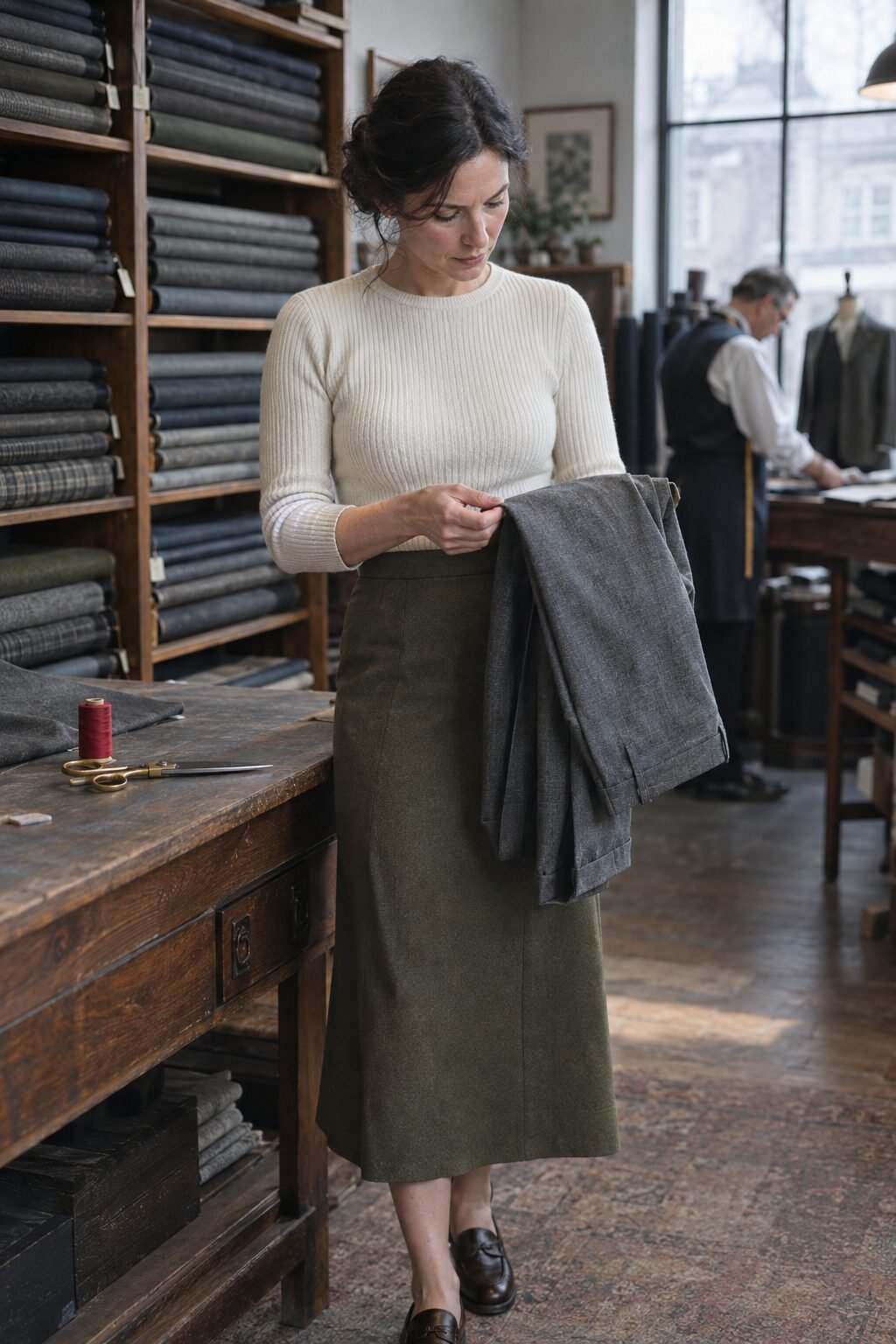
A good weave looks like tiny, even tiles. Gaps, loose threads and uneven texture are a preview of pilling and warping.
That $500-looking dress of mine had a loose, fuzzy surface I ignored because the cut was so pretty. I wouldn’t ignore it now.
4. Judge the Color Depth
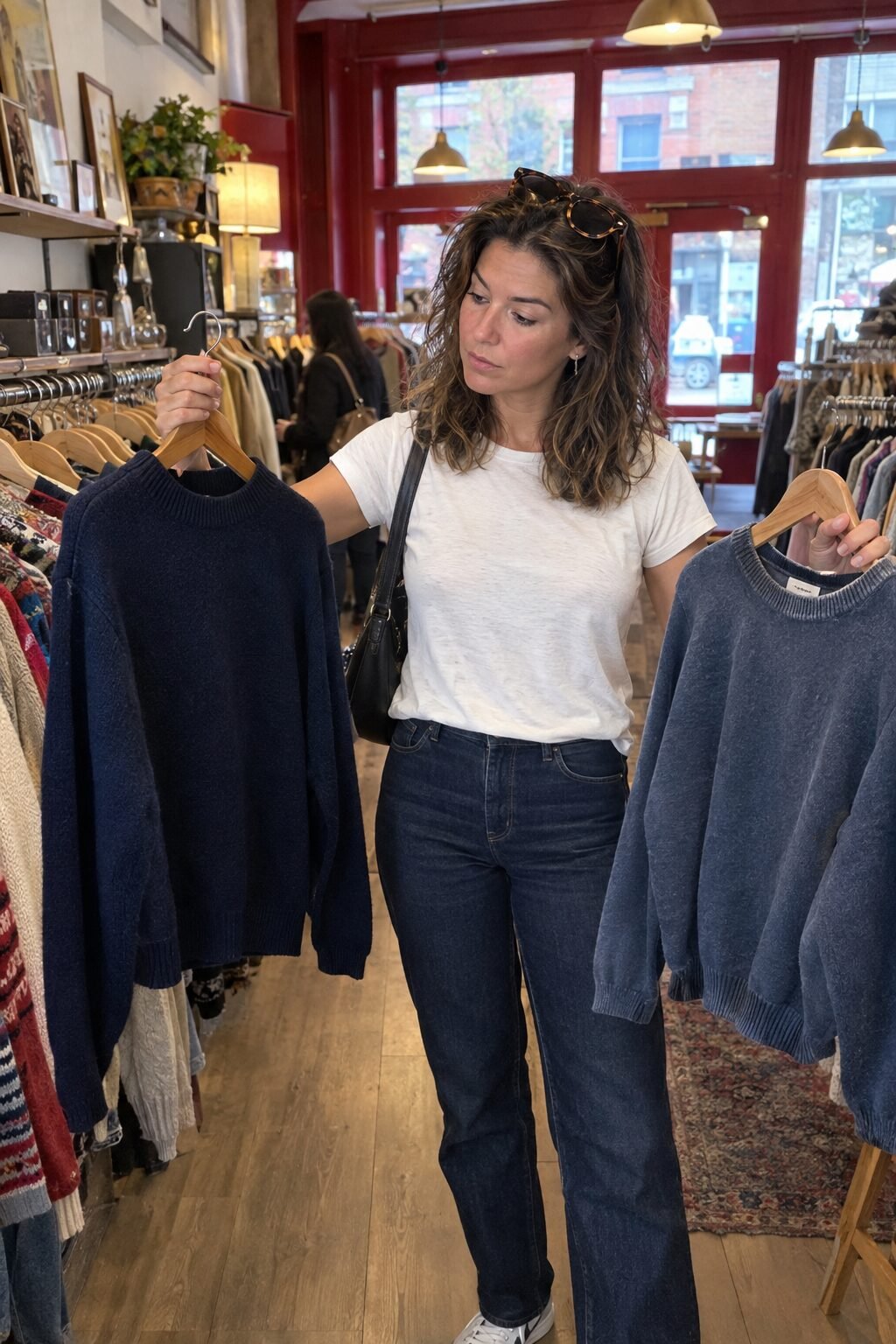
Rich color has depth, the way a well-lit room does. Flat, patchy or streaky dye is a skip.
Check the seams and inside the garment too, because that is where uneven dye and early fading show up first.
5. Check Pattern Matching at the Seams
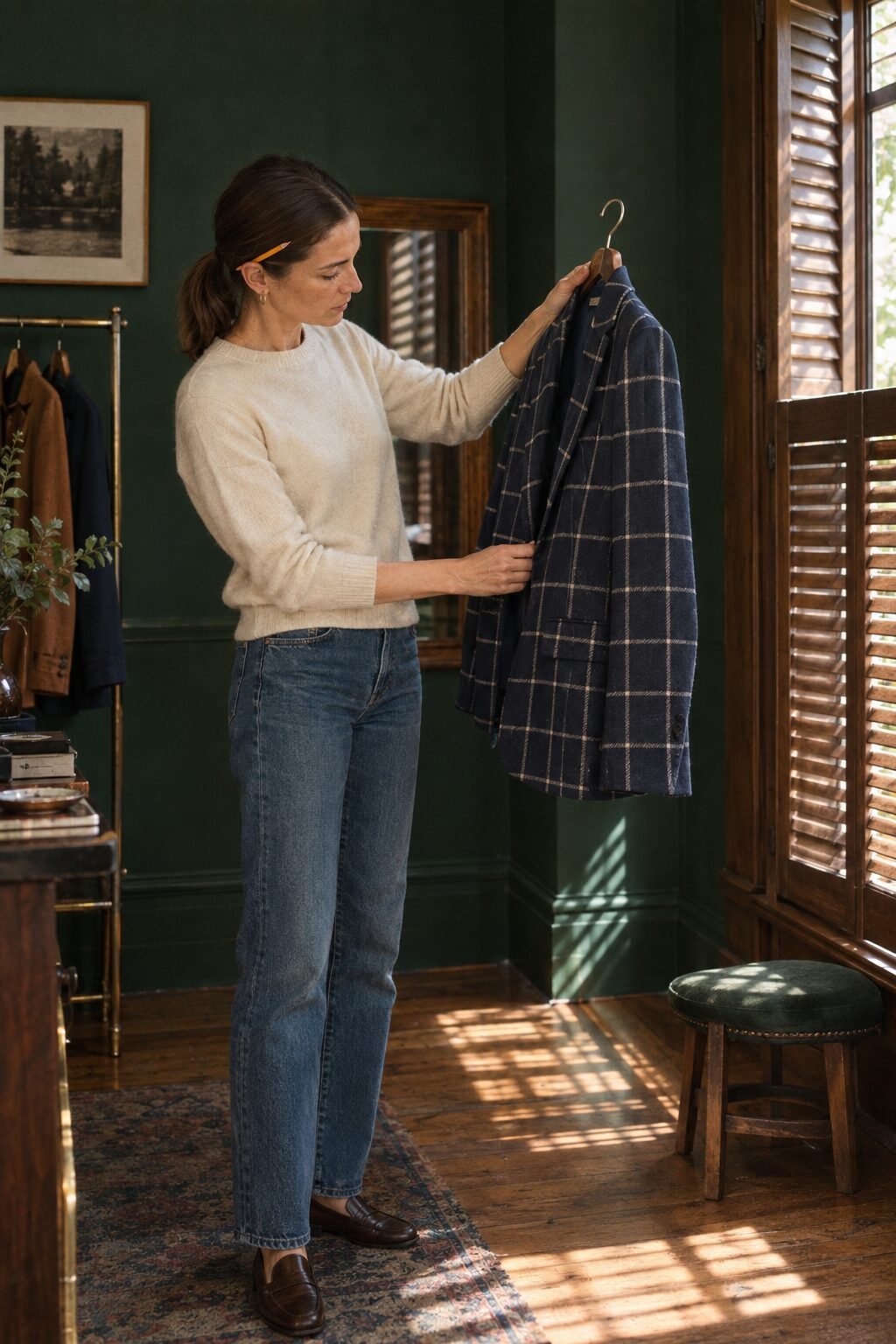
Stripes and plaids that line up across seams and pockets are the quiet signature of a carefully cut garment.
If the pattern crashes at the side seam, someone saved fabric and skipped the craft. It’s the fastest test I know, and it costs nothing.
6. Scrunch It and Watch It Bounce Back
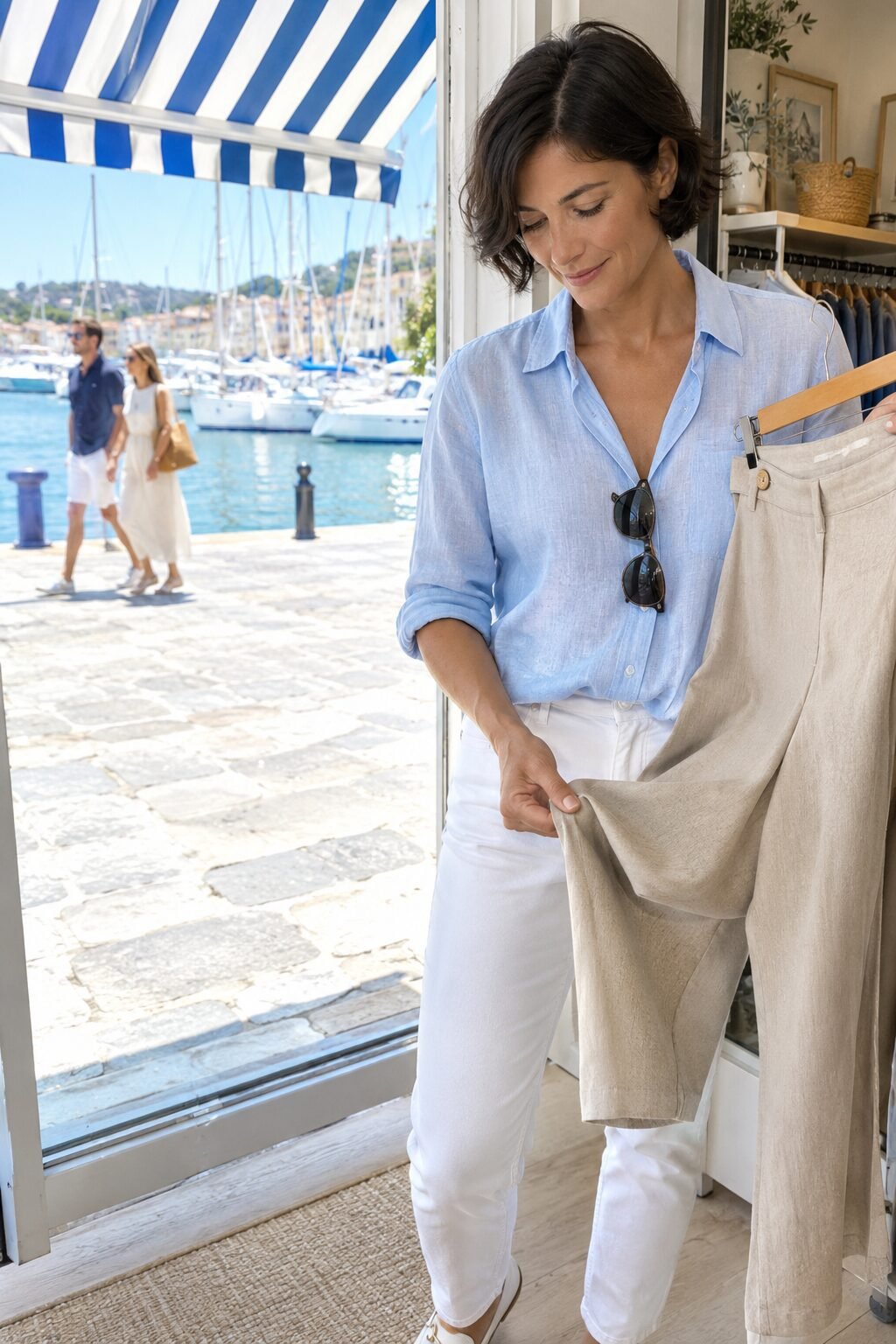
Squeeze a fistful for ten seconds, then let go. Fabric that stays crumpled will look tired by lunchtime.
Also watch how it hangs. Good fabric falls in soft, deliberate folds, and cheap fabric either clings or stands stiff.
7. Read the Composition Label, Not the Marketing
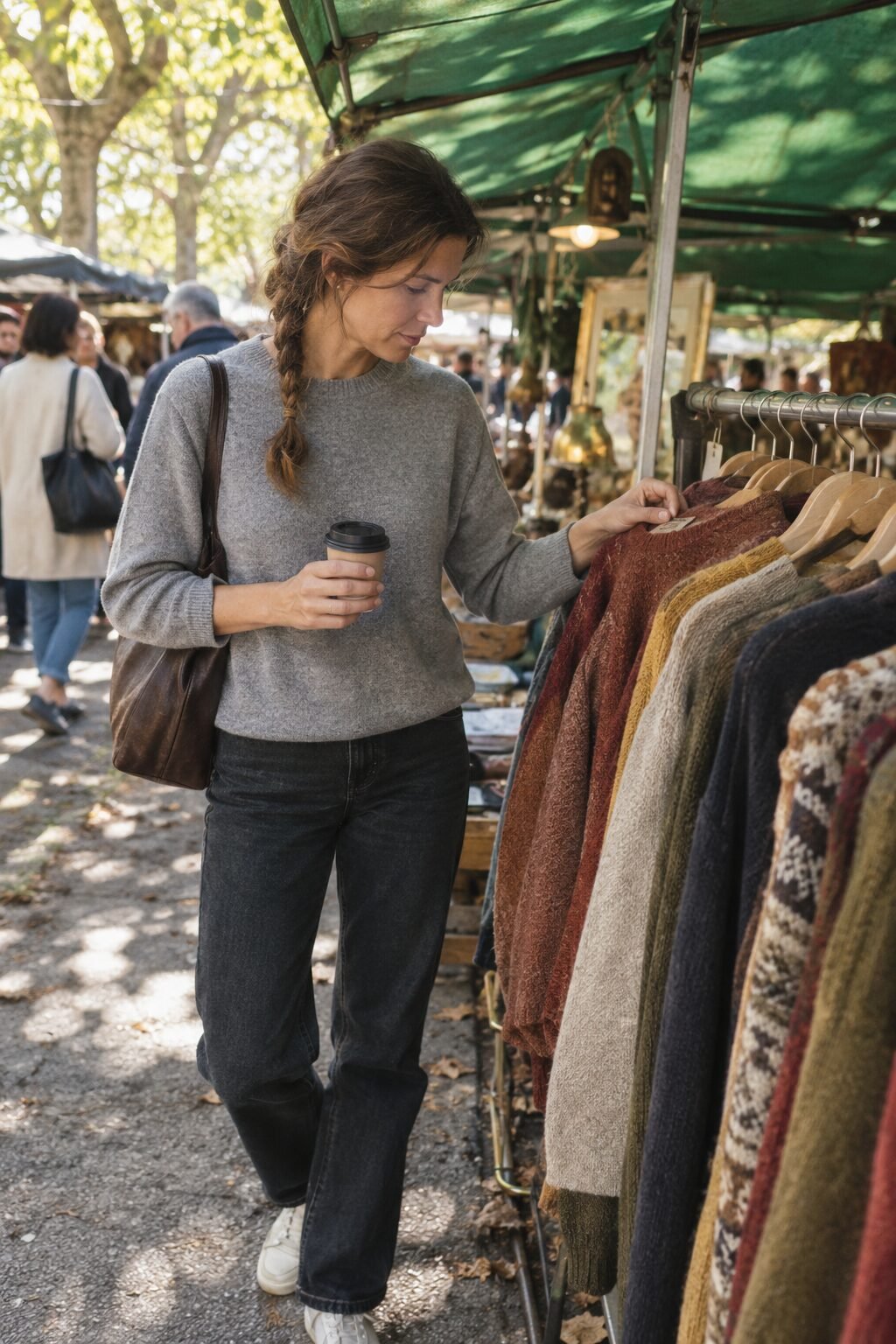
“Soft” and “luxe” are marketing words with no legal meaning. The percentages on the inner label are the only honest part of the tag.
Look for a high natural fiber share. A small amount of elastane or nylon can help a blend, but a garment that is mostly polyester wearing a fancy name is not a bargain.
A month of fall outfits, already planned
12 pieces, 30 outfits, one a day. $9, instant PDF
See the 30 Outfits8. Know Real Wool, Merino and Cashmere
Editor’s Picks
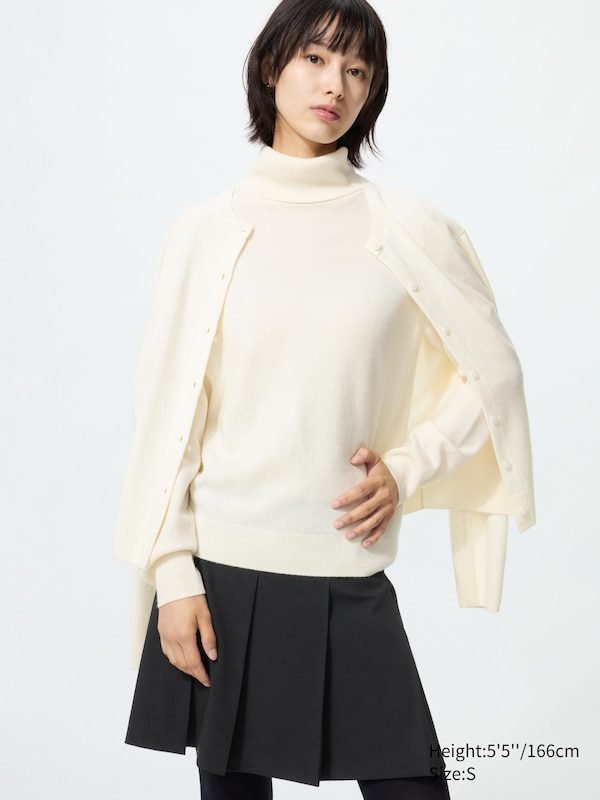
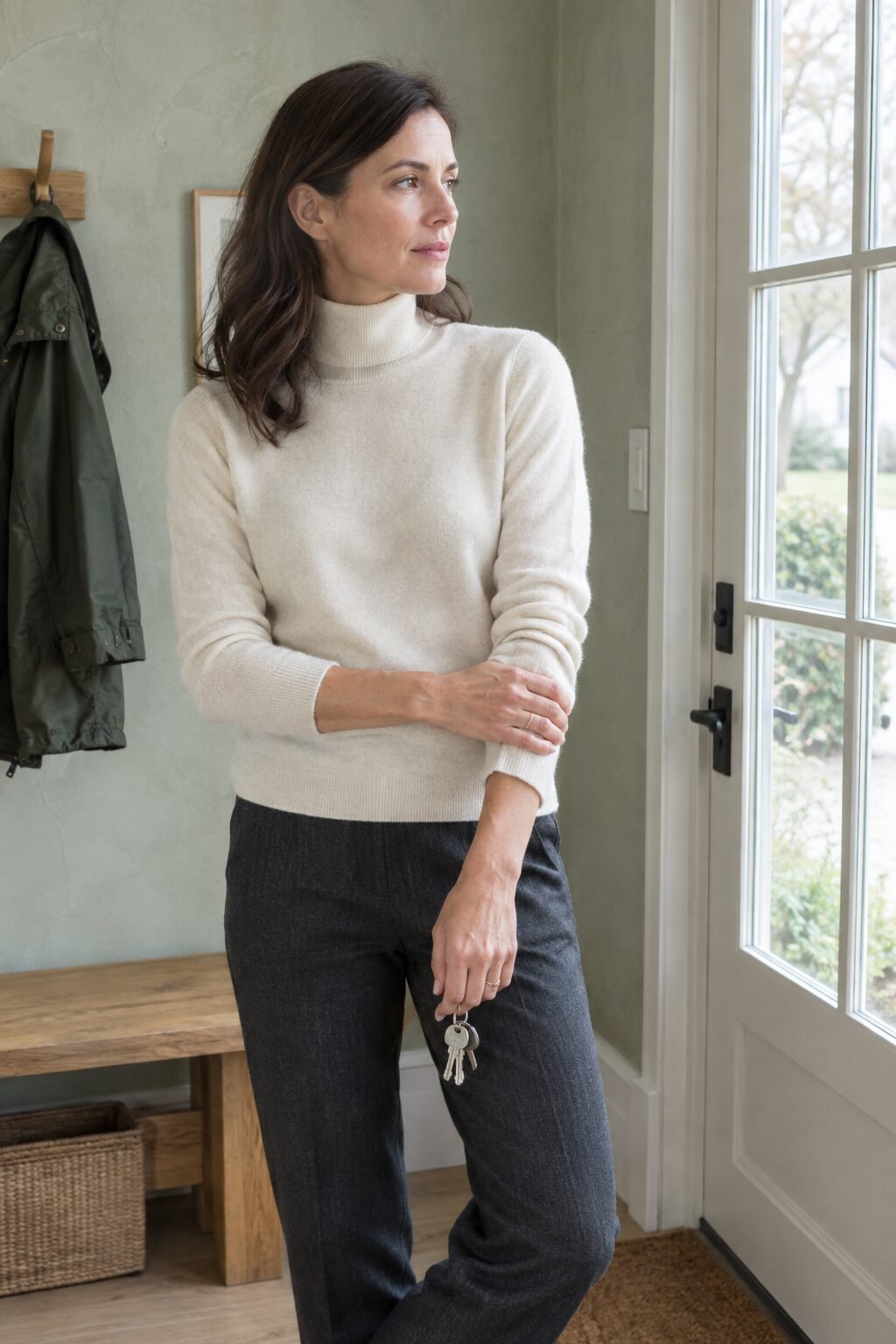
Cashmere Sweater | Turtleneck (Off White)
$99.90 | Its label reads 100% cashmere, which makes it a clear, accessible example of what the fiber percentage should say.
These are the fibers that age like good wine, if you buy them right. Look for a tight, even knit with no thin spots, and rub a small patch to see whether it sheds heavily.
Read the label first, because the word cashmere alone means little without the percentage beside it. A 100% cashmere label is the starting line.
Styling tip: I keep a turtleneck like this as my label-reading lesson: if a pricier sweater can’t beat the 100% cashmere line on its tag, I put it back. For keeping a knit like this smooth, our guide to wearing a cashmere sweater without pilling is worth a read.
9. Feel for Real Silk
Editor’s Picks
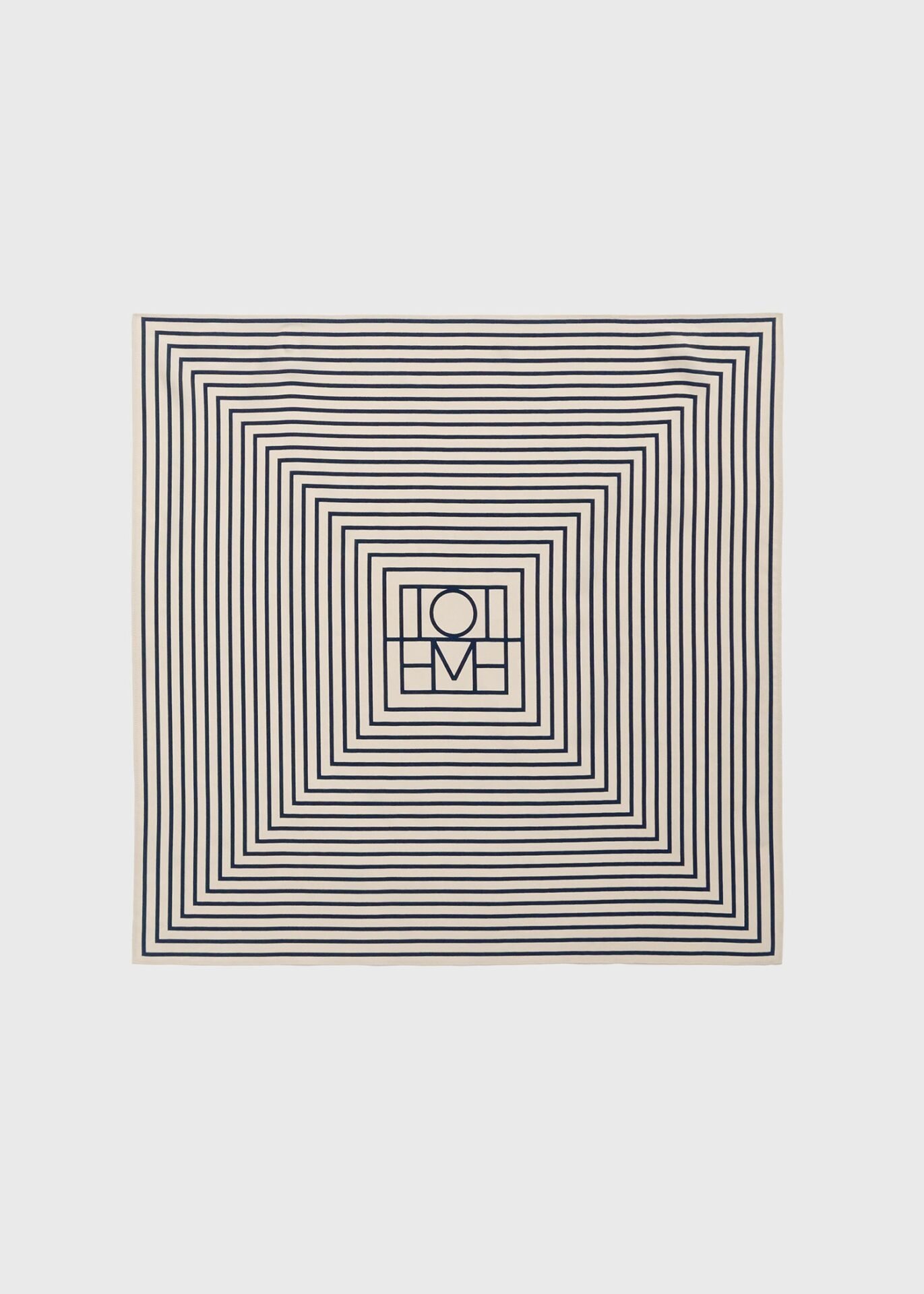
Signature Monogram Silk Scarf (Creme)
$220 | A featherlight square woven from silk yarns, in crème with a monogram print, a good benchmark for how real silk should drape.
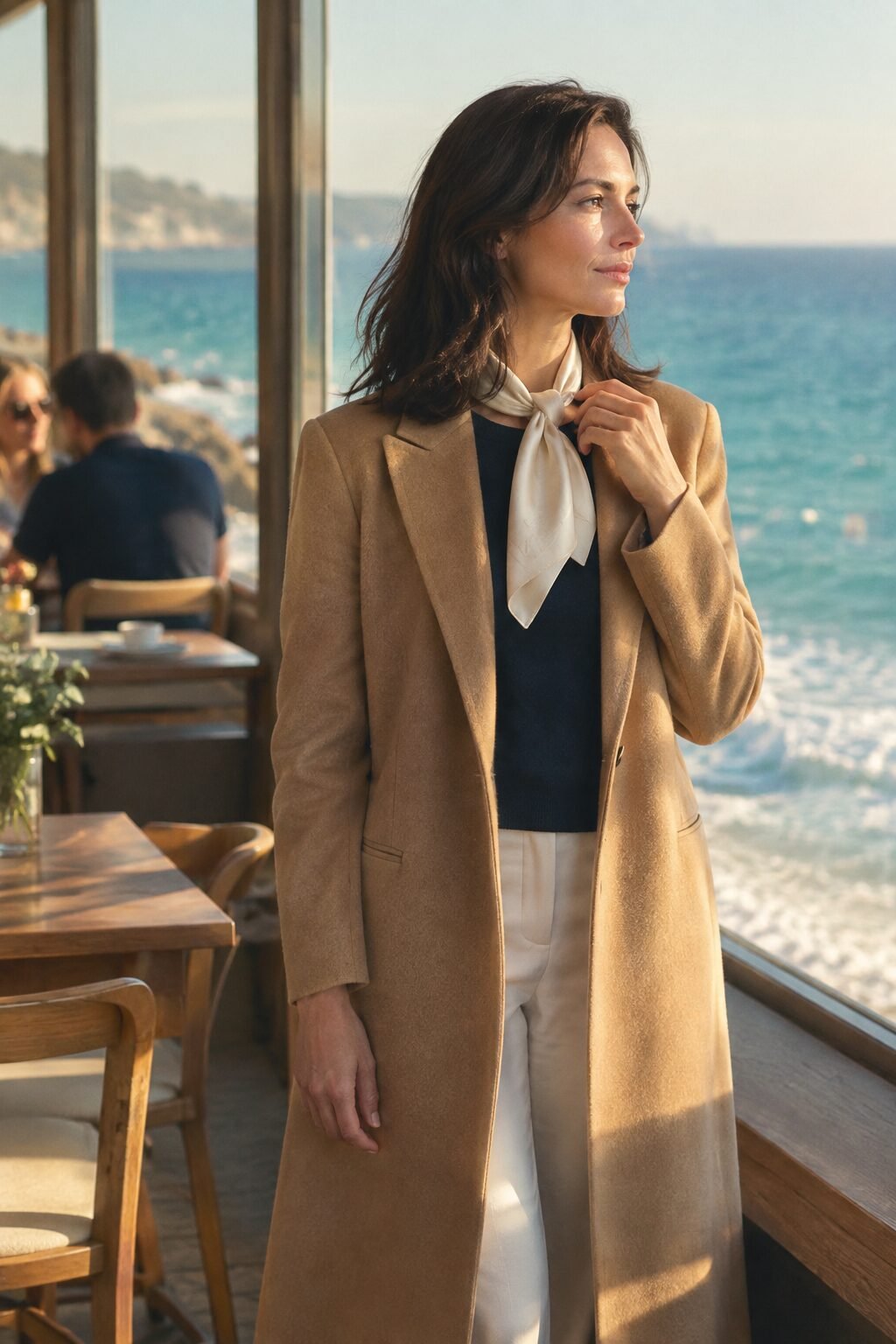
Real silk feels cool at first touch, then warms to your skin, and it has a quiet sheen instead of a loud shine. Polyester satin feels slippery and swishes like a shower curtain.
My first real silk scarf came from a consignment shop, and the difference in drape and weight was obvious the second I tied it. I’ve never confused the two since.
Styling tip: If a scarf like this is beyond your budget, do what I did and hunt consignment shops. Silk ages beautifully, so a secondhand square is often the smartest way in.
10. Choose Linen and Cotton With Weight
Editor’s Picks
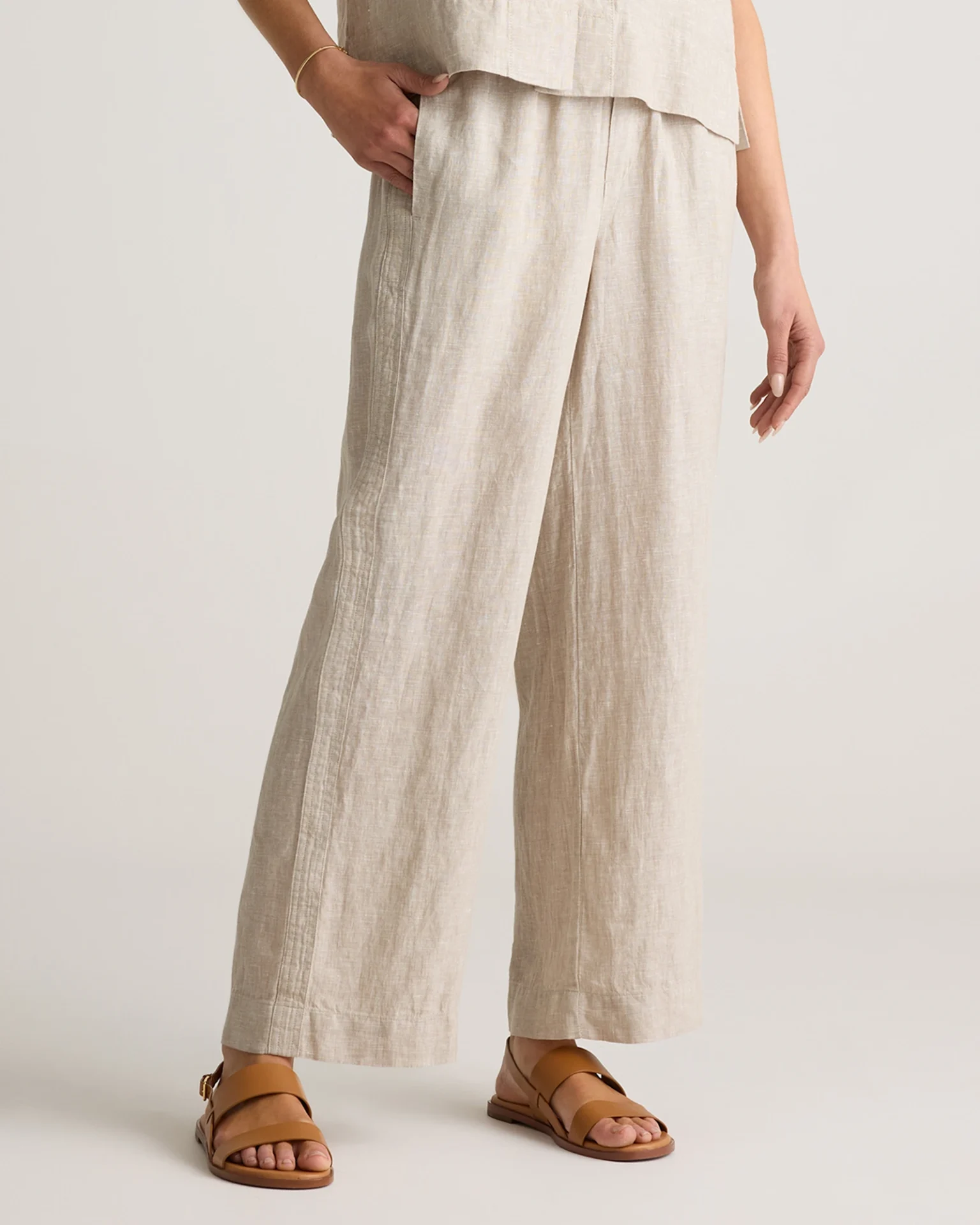
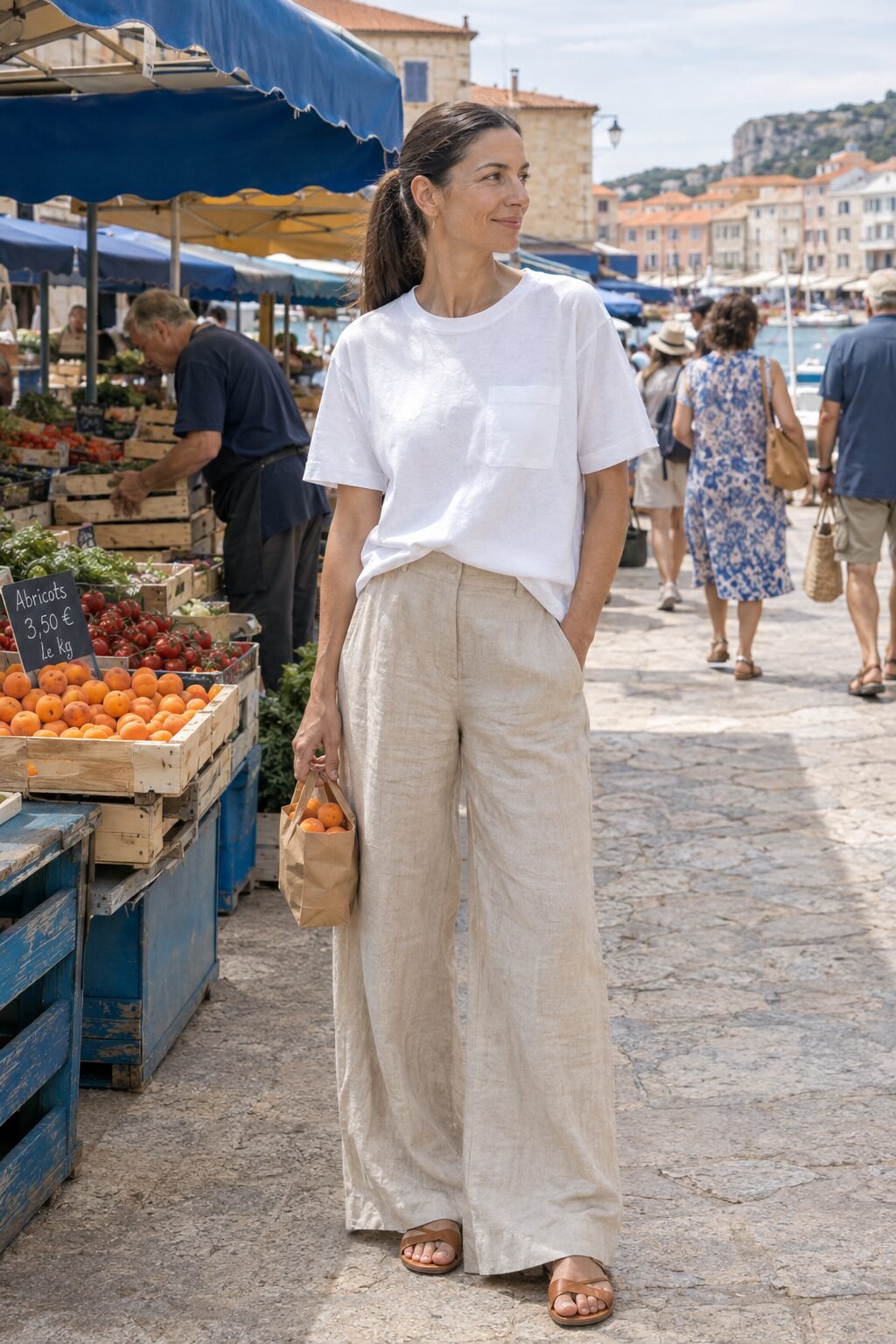
100% European Linen Wide Leg Pants (Flax)
$42.00 | Relaxed wide-leg pants in 100% European linen, natural flax, with exactly the kind of charm wrinkles good linen earns.
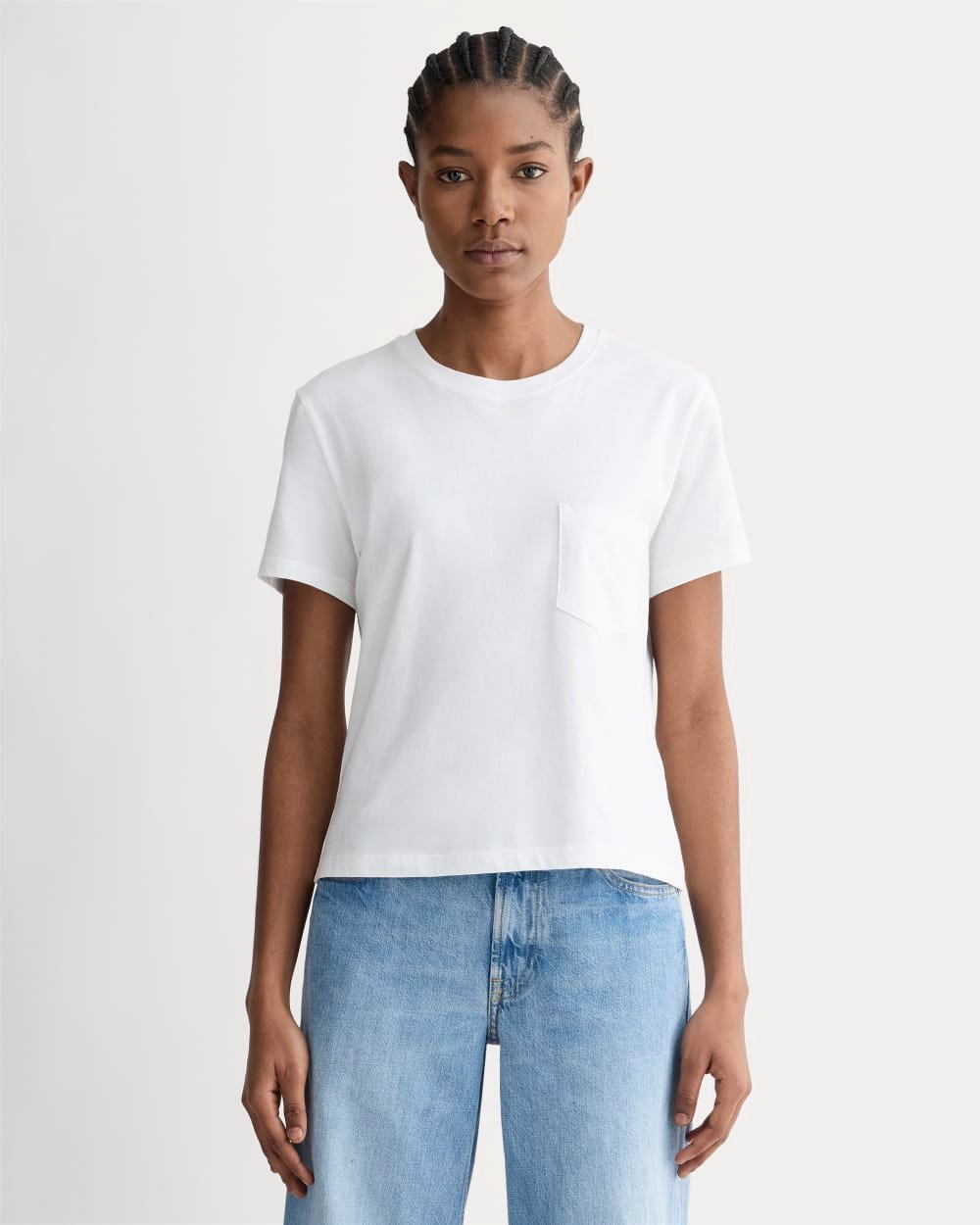
The Box-Cut Tee in Essential Cotton (White, Pocket)
$34 | A dense, relaxed box-cut crew in 100% organic cotton with a chest pocket, the everyday basic that proves weight matters.
Good linen has body and earns charming wrinkles rather than sad ones. Good cotton feels dense and springy, never thin and papery.
These are the workhorse fibers for summer and everyday. Weight is the giveaway: if a tee feels like tissue in your hand, it will feel like tissue after two washes. For more on keeping linen looking sharp, see our guide to wearing linen without wrinkles.
Styling tip: I’d pair these two in a heartbeat: a dense white tee tucked loosely into linen pants is the easiest way I know to look pulled together in summer heat.
11. Build Slowly Around the Pieces You Wear Most
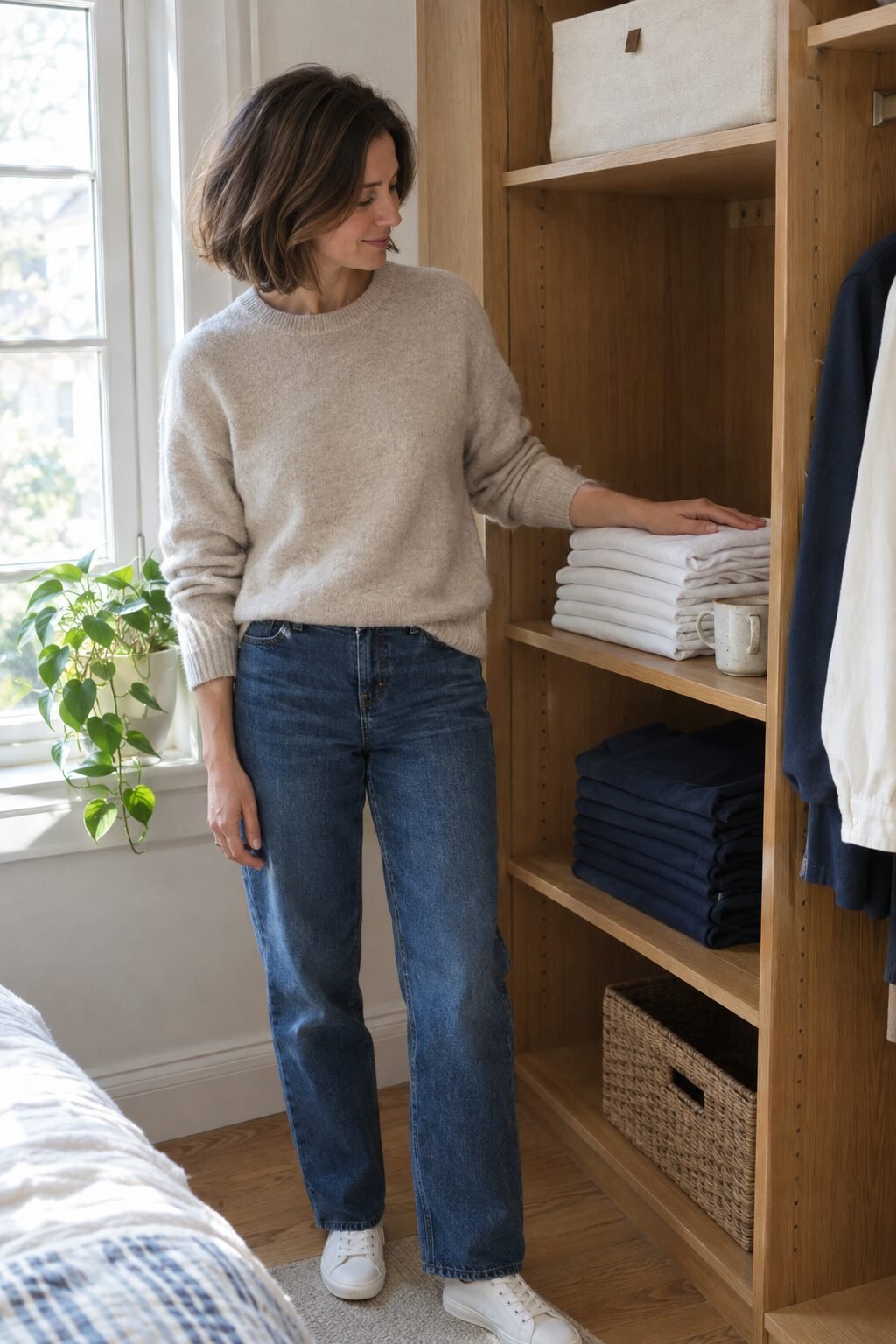
Buy fewer, better things, and start with what you wear weekly: a great tee, fitted trousers, a classic blazer.
Vintage and consignment shops are where quality fabric often hides at a fair price. Ten pieces you trust beat thirty you keep second-guessing, and our guide to building a capsule wardrobe shows how to sequence the buying.
12. Care for It Like It Matters
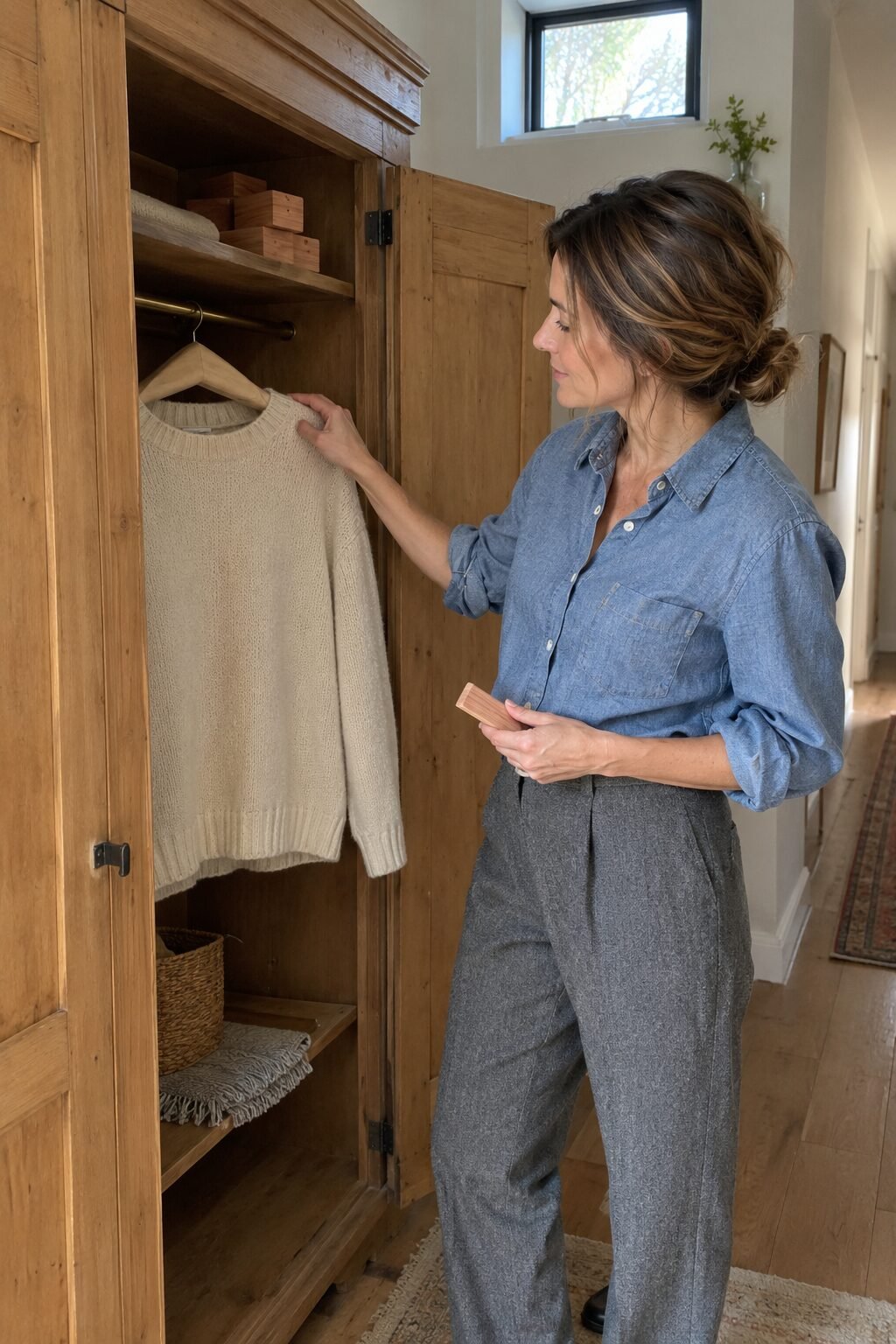
The best fabric in the world still fails if you wash it badly. Read the care label, wash cold, and skip the spin cycle on anything delicate.
I ruined several cashmere sweaters while juggling work and school in a new country, tossing them in with everything else. Wooden hangers and cedar blocks are cheap insurance against stretched shoulders and moths.
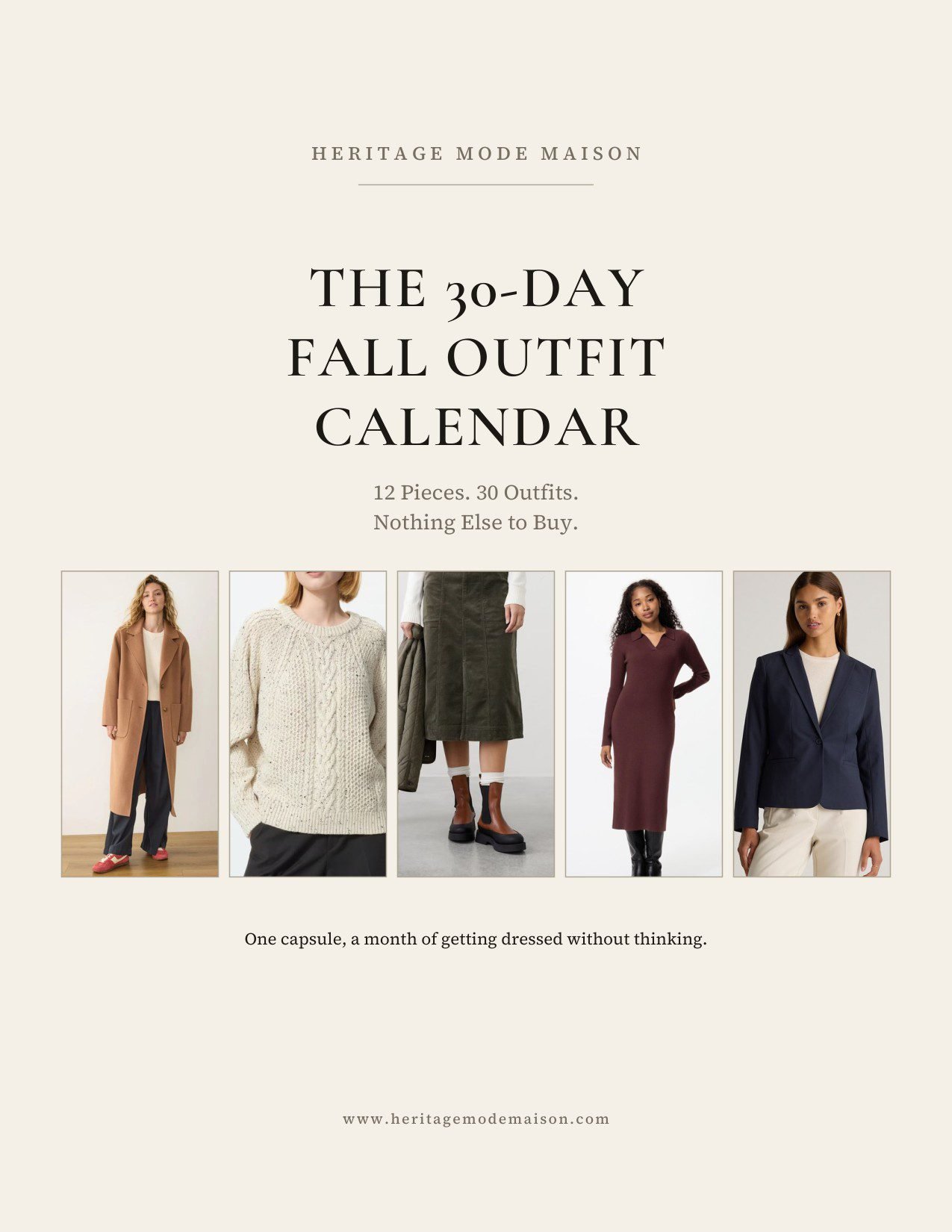
Never Sure What to Wear in the Morning?
The 30-Day Fall Outfit Calendar decides for you: 12 pieces, 30 outfits, one for every day of the month.
$9, instant PDF
See the 30 OutfitsYou don’t need to memorize all twelve tests. Pick three, touch, light and label, and run them every time you shop.
Buy one better piece instead of three so-so ones, and let it prove the point for you.
Frequently Asked Questions
What is the quickest way to tell if a fabric is good quality in a store?
Touch it, hold it up to the light, and read the composition label. Those three checks take under a minute and catch most problems: scratchy hand feel, thin yarn and a mostly synthetic blend.
Are natural fibers always better than synthetics?
Not always, but natural fibers like wool, cashmere, silk, linen and cotton usually age better and breathe better. A small share of synthetic in a blend can add stretch or durability, so judge the whole garment rather than one fiber name.
Does a higher price guarantee better fabric?
No. A high price tag can just be a brand markup, while a modest one can be a well-made basic, so check the fiber label and construction instead. That is why I trust the tests over the tag.
How do I stop good knits from pilling?
Wash them cold and gently, dry them flat, and avoid rubbing against rough bags or straps. A little early pilling on natural fibers is normal, and a fabric comb removes it.
Save This For Later
Loved how to spot quality fabric? Save this pin to your Pinterest board now so you can find it again anytime you need the inspiration.
Want a fresh outfit idea each morning? Follow Heritage Mode Maison on Instagram.
