

This post contains affiliate links. If you make a purchase through one of these links, Heritage Mode Maison may earn a small commission at no extra cost to you.
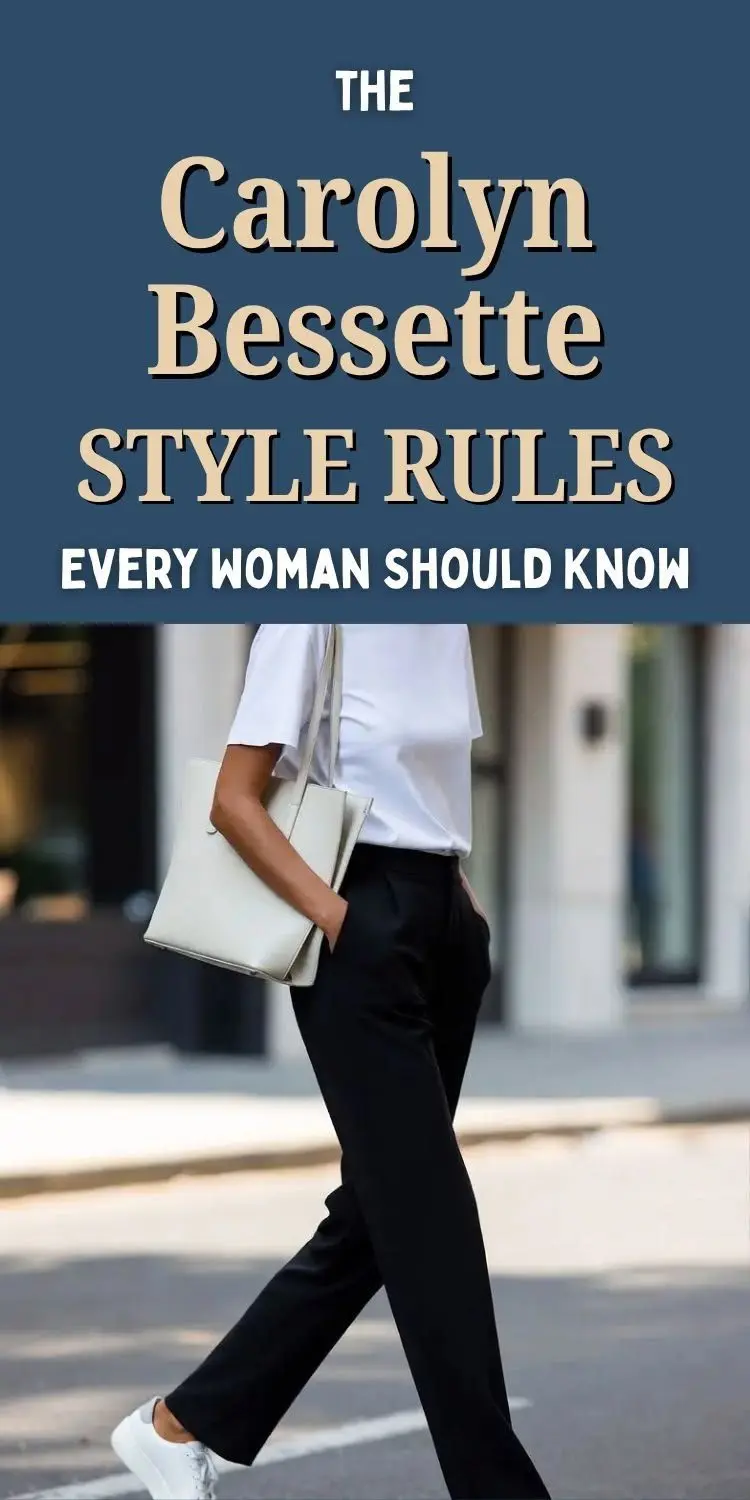
The Carolyn Bessette style rules are the ones I keep coming back to whenever my own closet starts to feel loud. She never had a stylist team building her a look of the day. She had a Calvin Klein badge, a small rotation of slip dresses and plain denim, and an obvious refusal to overthink getting dressed, and that restraint is still the reference point for a lot of what gets called quiet luxury now.
This isn’t a costume-recreation post, and nobody needs a literal 1996 Prada dress to borrow how she actually got dressed. Below is the real logic behind her Carolyn Bessette Kennedy style, plus five modern outfits built the same way she’d have built them: fewer pieces, better fabric, worn without a second thought.
Who Carolyn Bessette Kennedy Actually Was
Before she was ever described as a style icon, Carolyn Bessette worked in public relations at Calvin Klein in the mid-1990s, inside one of the era’s defining minimalist fashion houses, at a time when the brand’s whole identity was built on restraint.
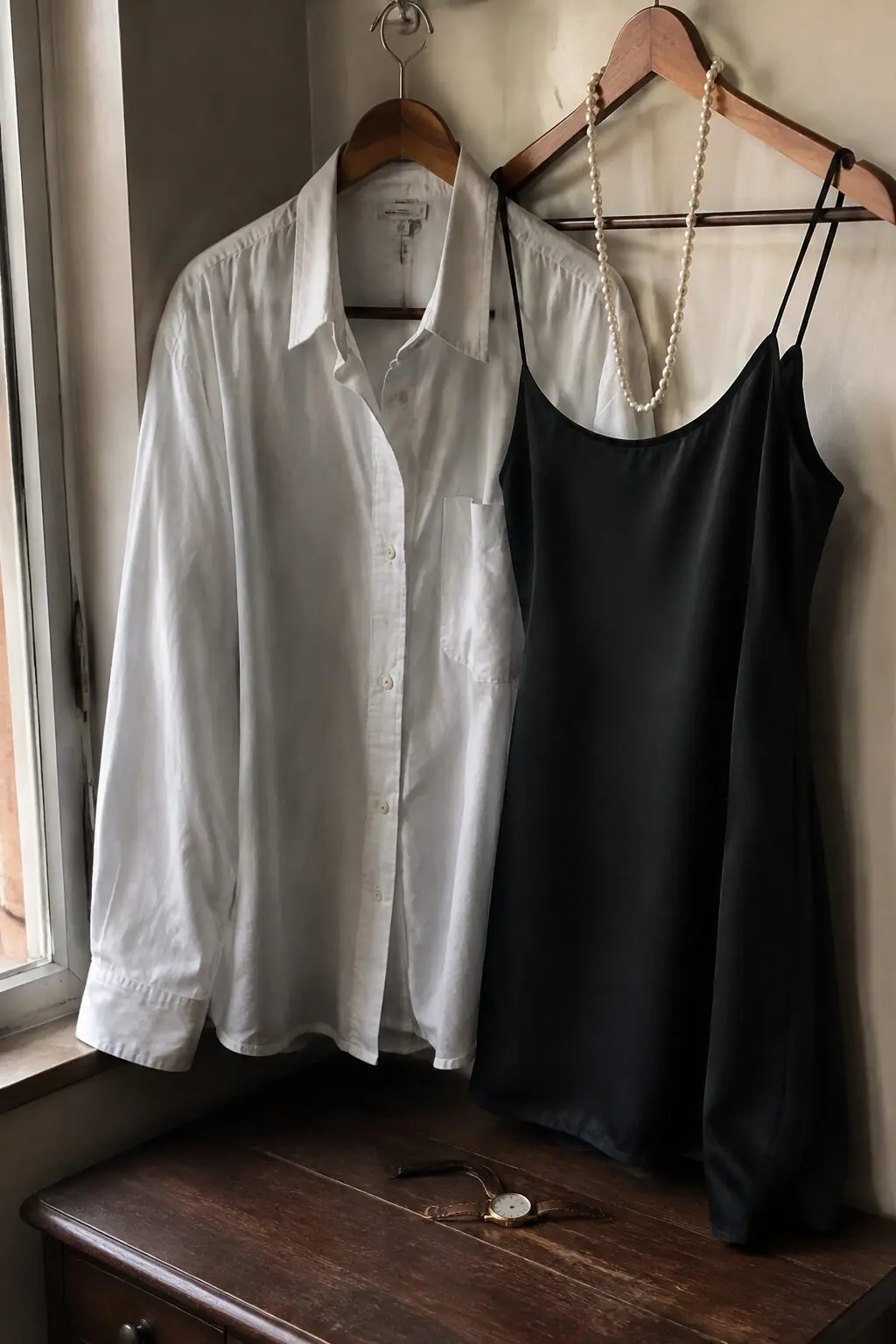
She married John F. Kennedy Jr. in 1996 in a plain slip dress that got dissected in the press for years afterward, and almost overnight she became one of the most photographed women in the country. That attention lasted only three years: she died in a 1999 plane crash alongside her husband and her sister.
What stuck around long after that is the actual logic of how she dressed. She mixed serious minimalist designers, Prada, Helmut Lang, Jil Sander, Yohji Yamamoto, with plain Levi’s denim and basic tees, and she wore the same handful of pieces on repeat instead of chasing something new every week.
Stylists and fashion writers still point to her as one of the earliest real-world templates for what gets called quiet luxury today, not because anyone invented a quote from her about it, but because paparazzi photos from three decades ago still hold up as a styling reference now.
The Core Style Rules Behind Everything She Wore
Every outfit below traces back to the same five habits, and honestly the specific outfits matter less than actually adopting these.
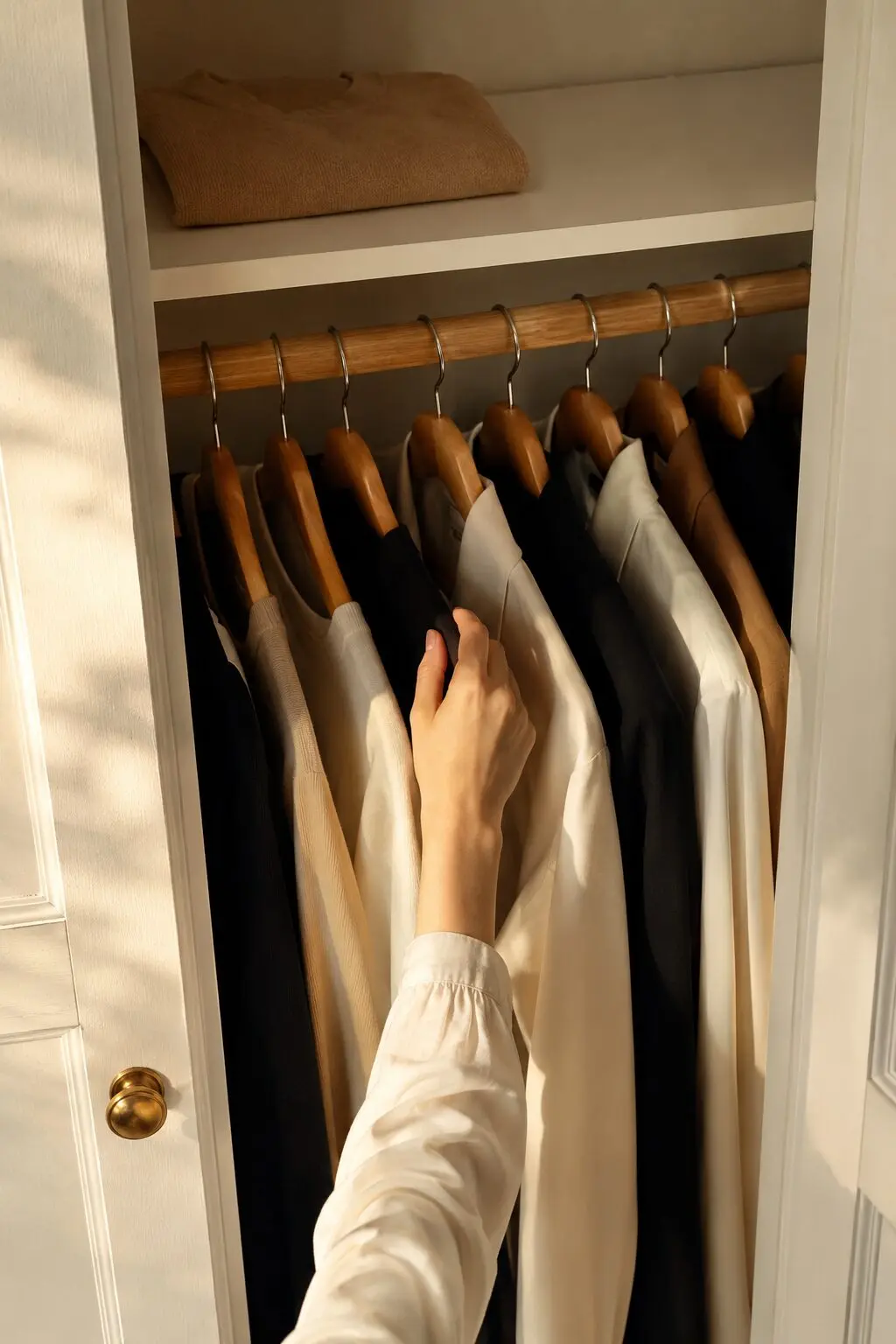
Edit before you add
Before you leave the house, look for the one thing you can take off rather than the thing you’re tempted to add. A second necklace, a scarf on top of a belt, one more accessory: pull one of them, and the outfit almost always gets stronger, not plainer.
Fit is the whole story
A trouser that hits exactly at your ankle bone and a coat with shoulders that actually match yours will read as more expensive than a logo ever will. This is the one rule worth spending real money on: a cheap alteration upgrades an inexpensive pant more than swapping it for a pricier one ever does.
Repetition over novelty
Wearing the same trouser, the same coat, the same three tees on rotation isn’t a lack of options. It’s what confidence in your own closet actually looks like from the outside, and nobody clocks repetition the way you think they do.
Let fabric and texture supply the detail
Good fabric already supplies its own visual interest: a genuinely nice silk blouse or a heavy cashmere knit doesn’t need a print or a logo to feel finished. Save those for a day when the fabric itself isn’t doing enough work on its own.
One expressive signature, not five
Pick a single deliberate break from the minimalism: bare skin, a worn-in bag, an unexpected sneaker under tailoring, and let that be the whole personality of the look. Doing five of those at once cancels all of them out.
1. The Weekend Uniform: Boxy Tee, Wide-Leg Trouser, and White Sneaker

Shop the Look
The Practice Tee (Oyster)
$88 | Heavyweight Peruvian pima cotton keeps this crew tee from going see-through or shapeless the moment it’s tucked in, which is exactly what this look needs.
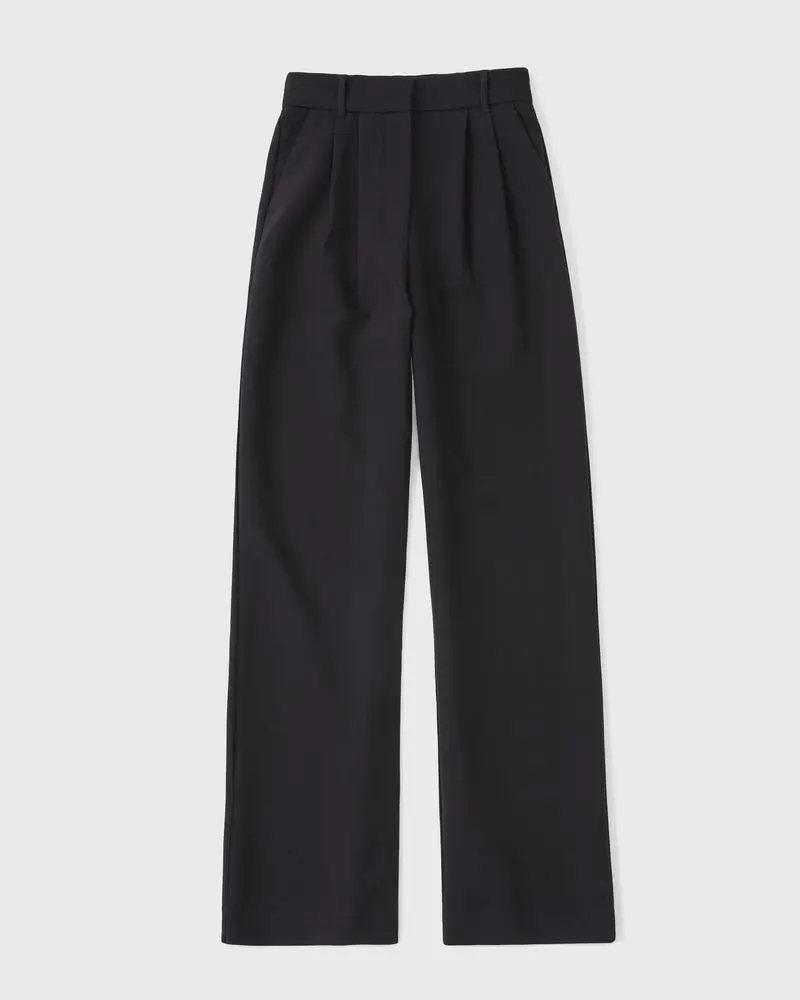
A&F Sloane Tailored Wide Leg Pant (Black)
$90 | Suiting-weight fabric gives this wide-leg real structure, not the flimsy going-out-pant kind you’d expect at this price.
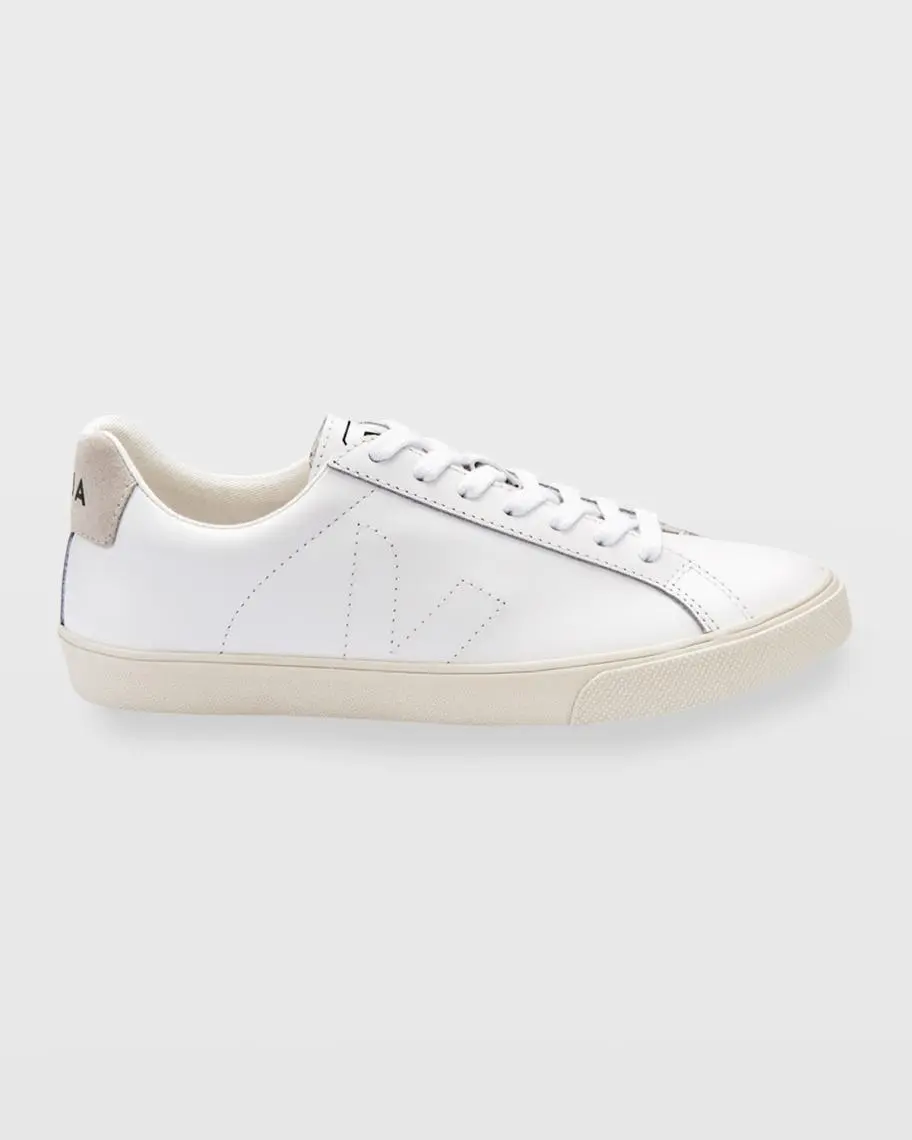
Esplar Leather Logo Sneakers (White)
View at VEJA (via Neiman Marcus)
$150 | White leather instead of canvas is what keeps this sneaker reading clean rather than sporty next to a tailored trouser.
This is the outfit I’d hand anyone who says they don’t know how to dress up jeans-and-a-tee energy. The oyster tee holds its shape instead of clinging, which matters more than the color once it’s tucked into a genuinely structured wide-leg trouser instead of a soft jogger. A plain white sneaker keeps the whole thing from tipping into business casual, which is the entire point of dressing like this in the first place.
The mistake most people make here is grabbing a thin, flowy tee that collapses the second it’s tucked in: the shirt has to have enough body to read as a real garment on its own, not just filler under the trouser’s waistband.
Related: Carolyn Bessette trouser outfits
2. The Silk Blouse and Trouser Pairing That Replaces a Blazer
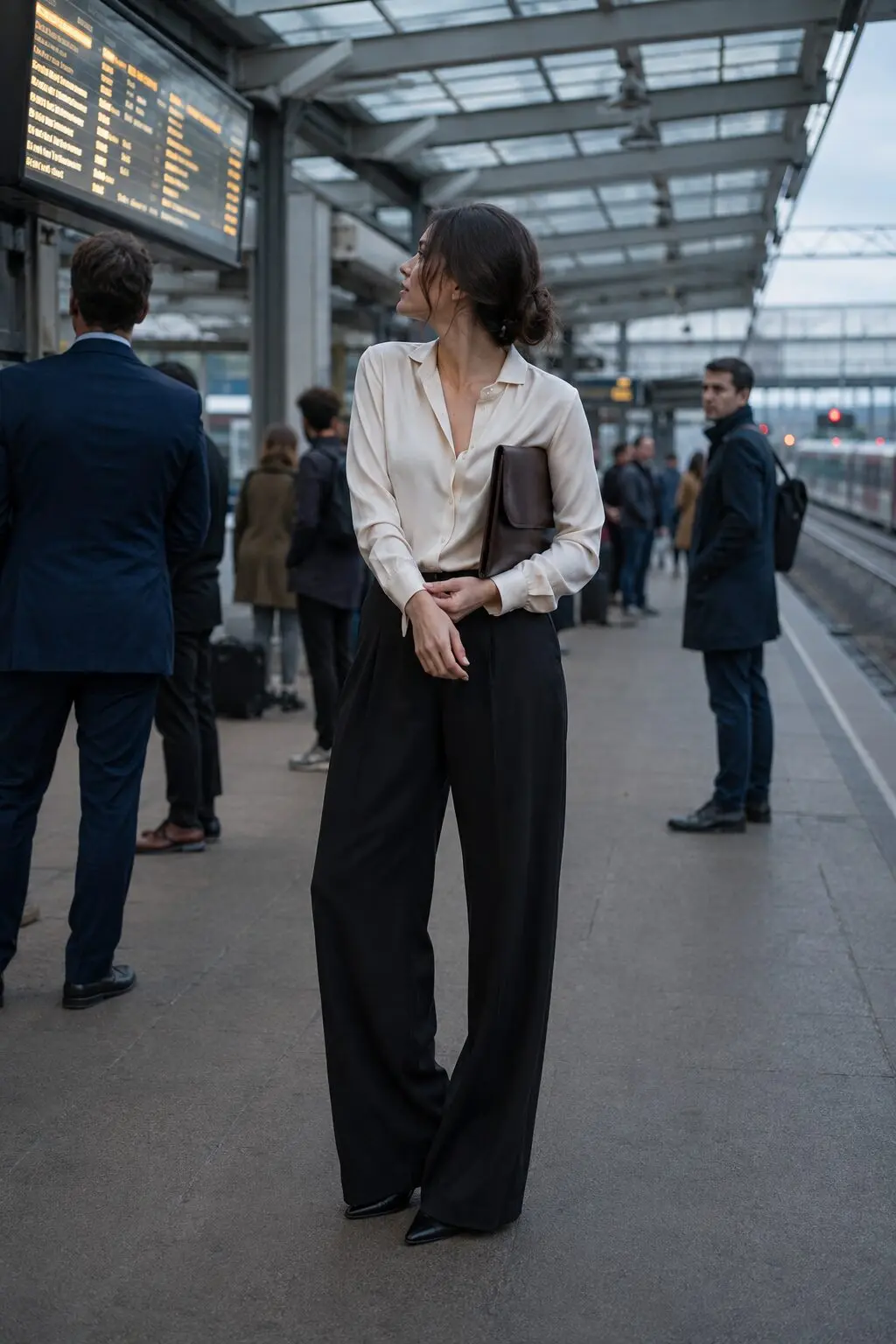
Shop the Look
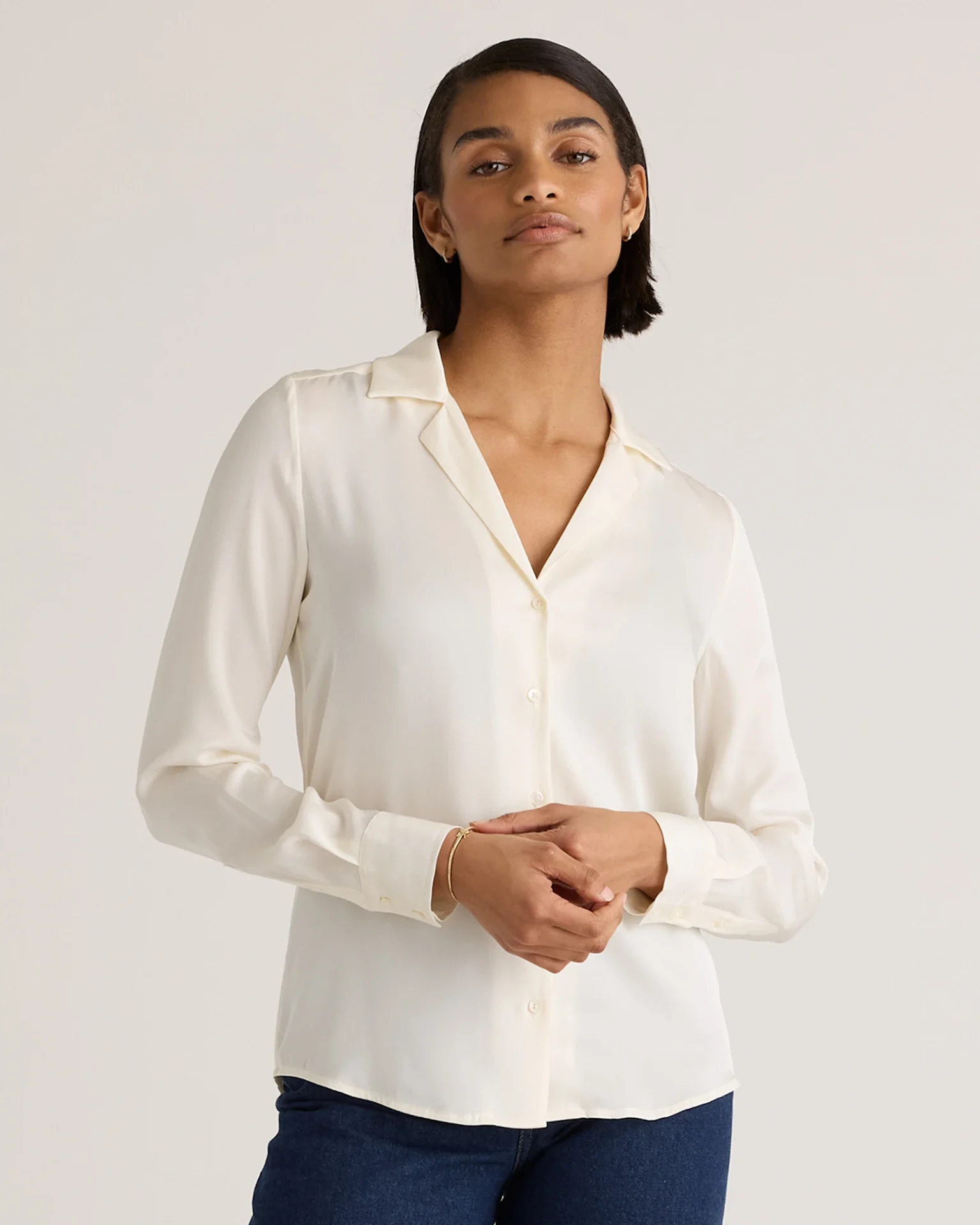
Washable Stretch Silk Notch Collar Blouse (Ivory)
$84.90 | Real mulberry silk gives this blouse its drape, and the fact that it’s machine-washable means you’ll actually wear it instead of saving it for special occasions.
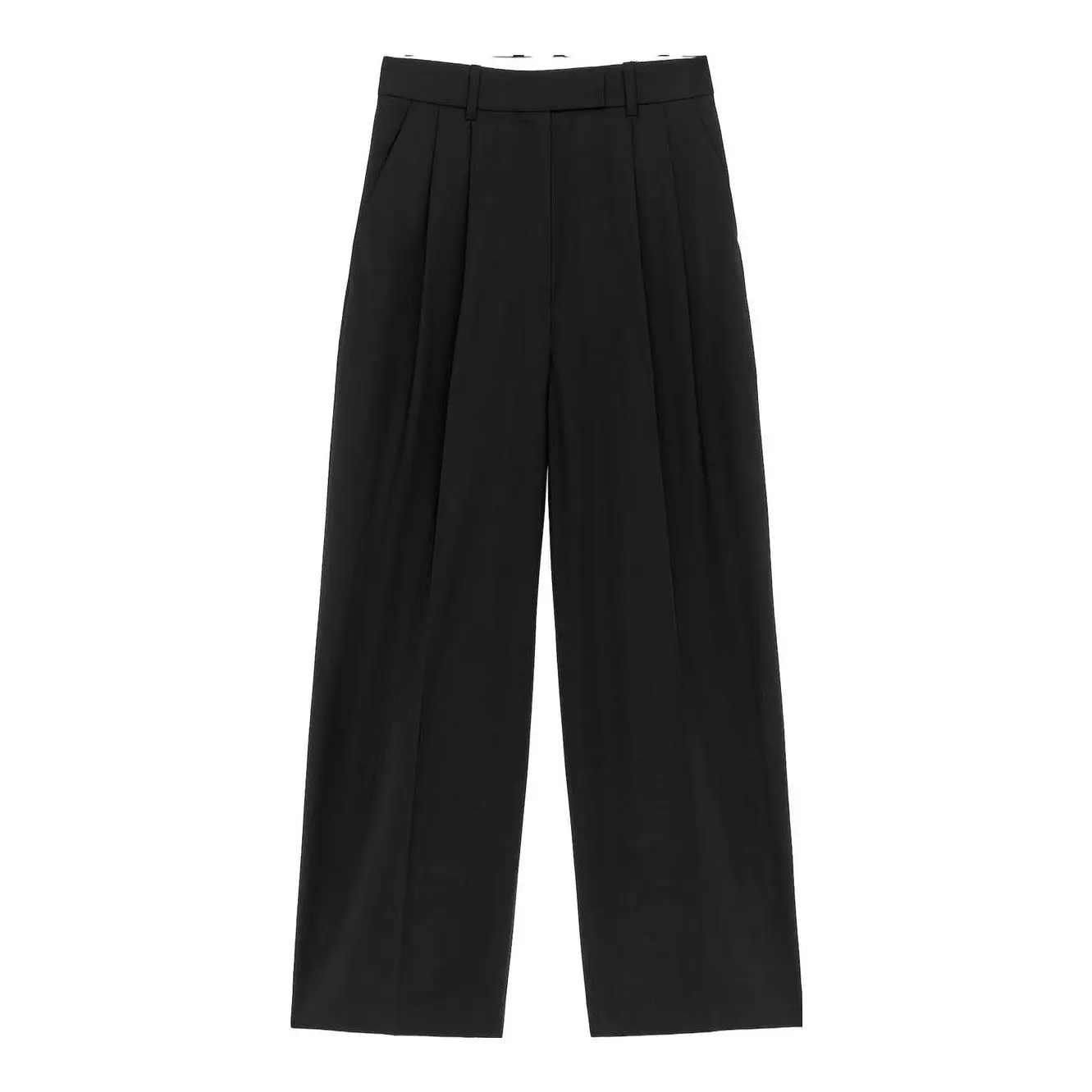
Wide Tailored Trousers (Black)
$129 | Structured through the waistband and cut genuinely wide, this trouser holds a crease all day instead of going limp by afternoon.
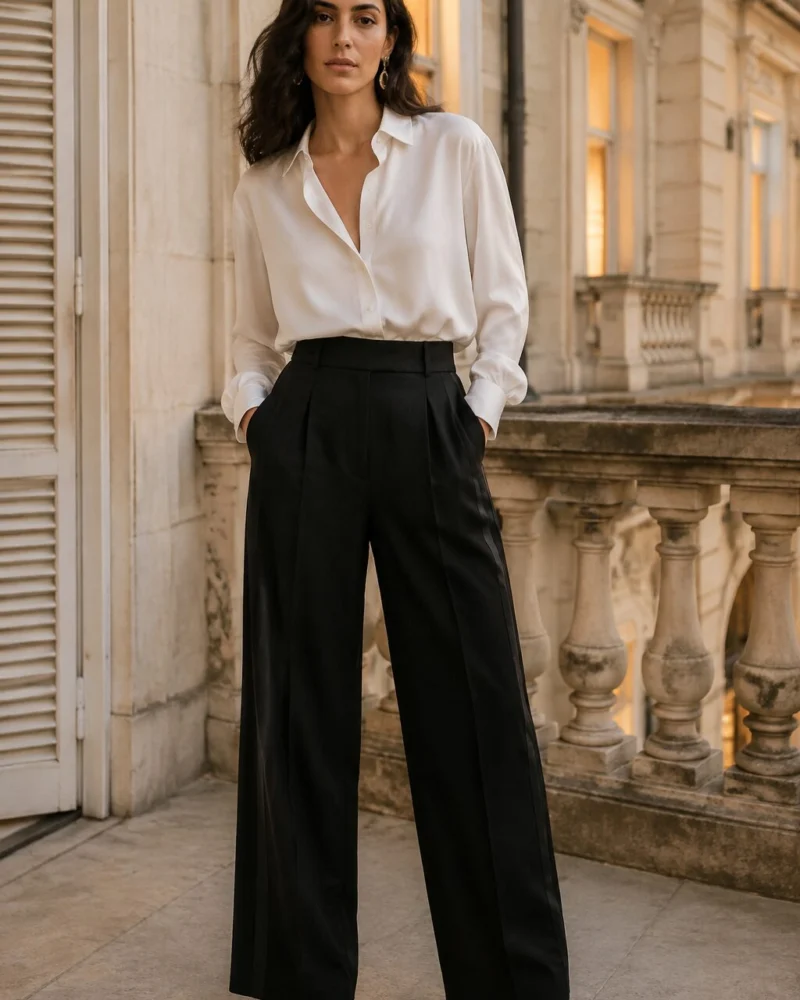
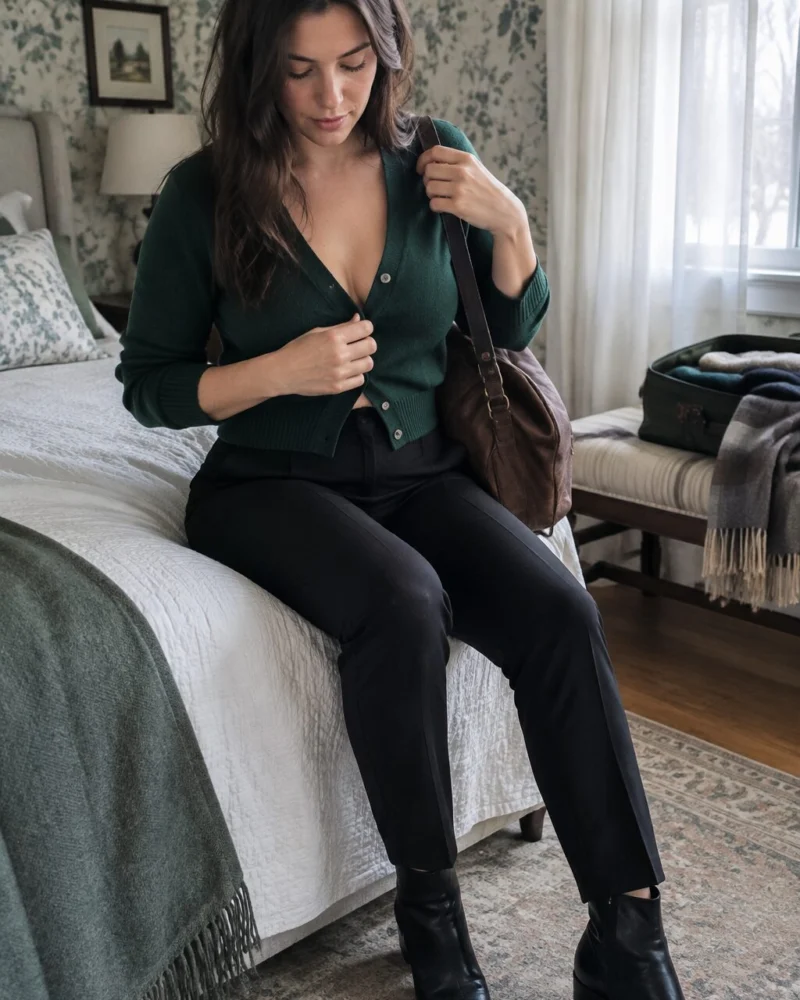
Skip the blazer entirely for a day and let a fluid silk blouse do the structure instead: tucked into a genuinely wide, sharply pressed trouser, it reads more considered than most matching suiting does. Ivory against black keeps the eye moving in one line instead of breaking the outfit into two separate halves.
Where this goes wrong is when the blouse gets buttoned all the way to the collar and pressed flat, losing the soft drape that’s the entire reason silk works here instead of a cotton button-down.
A month of fall outfits, already planned
12 pieces, 30 outfits, one a day. $9, instant PDF
See the 30 Outfits3. Bias-Cut Slip Dress Layered Under a Structured Cardigan
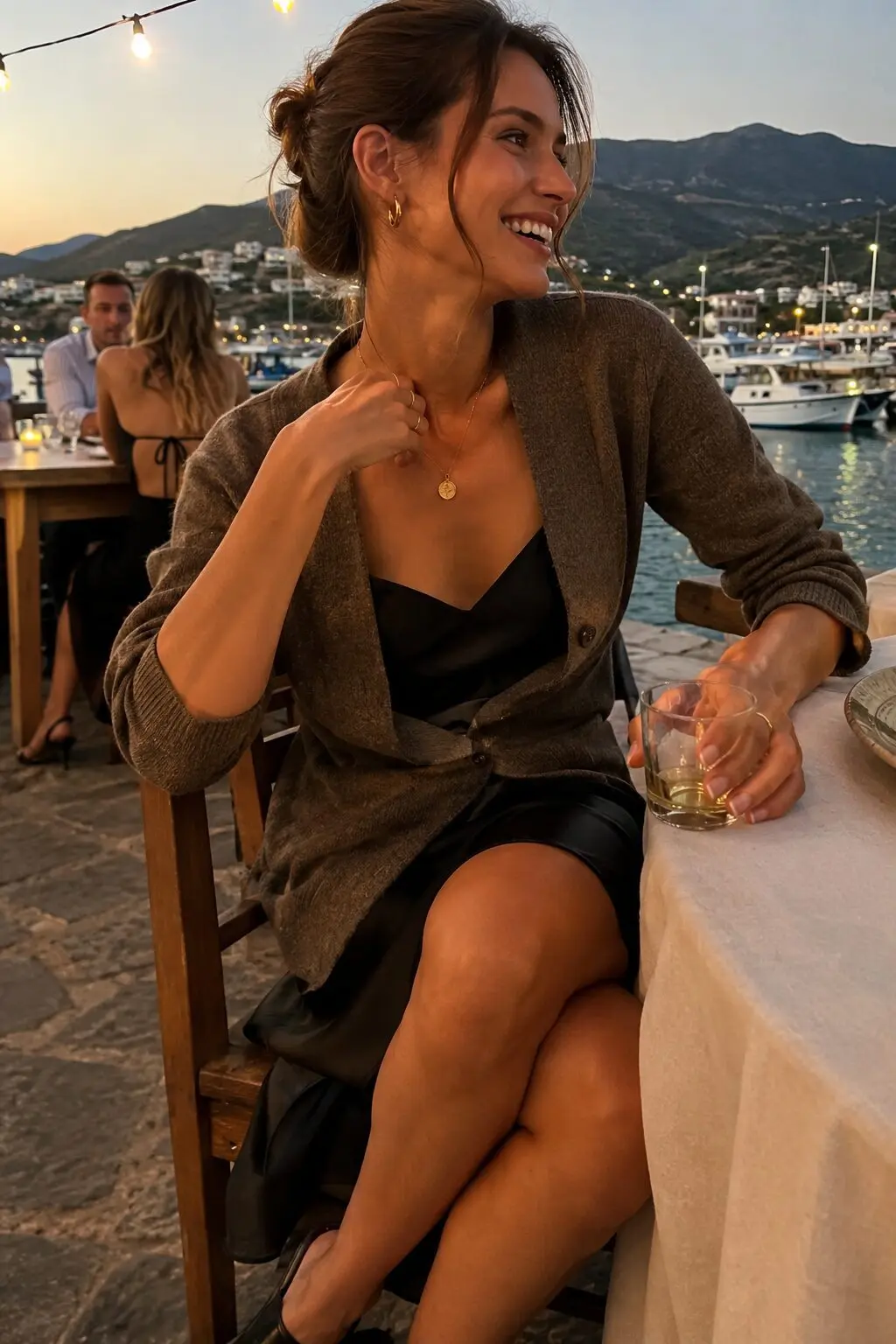
Shop the Look
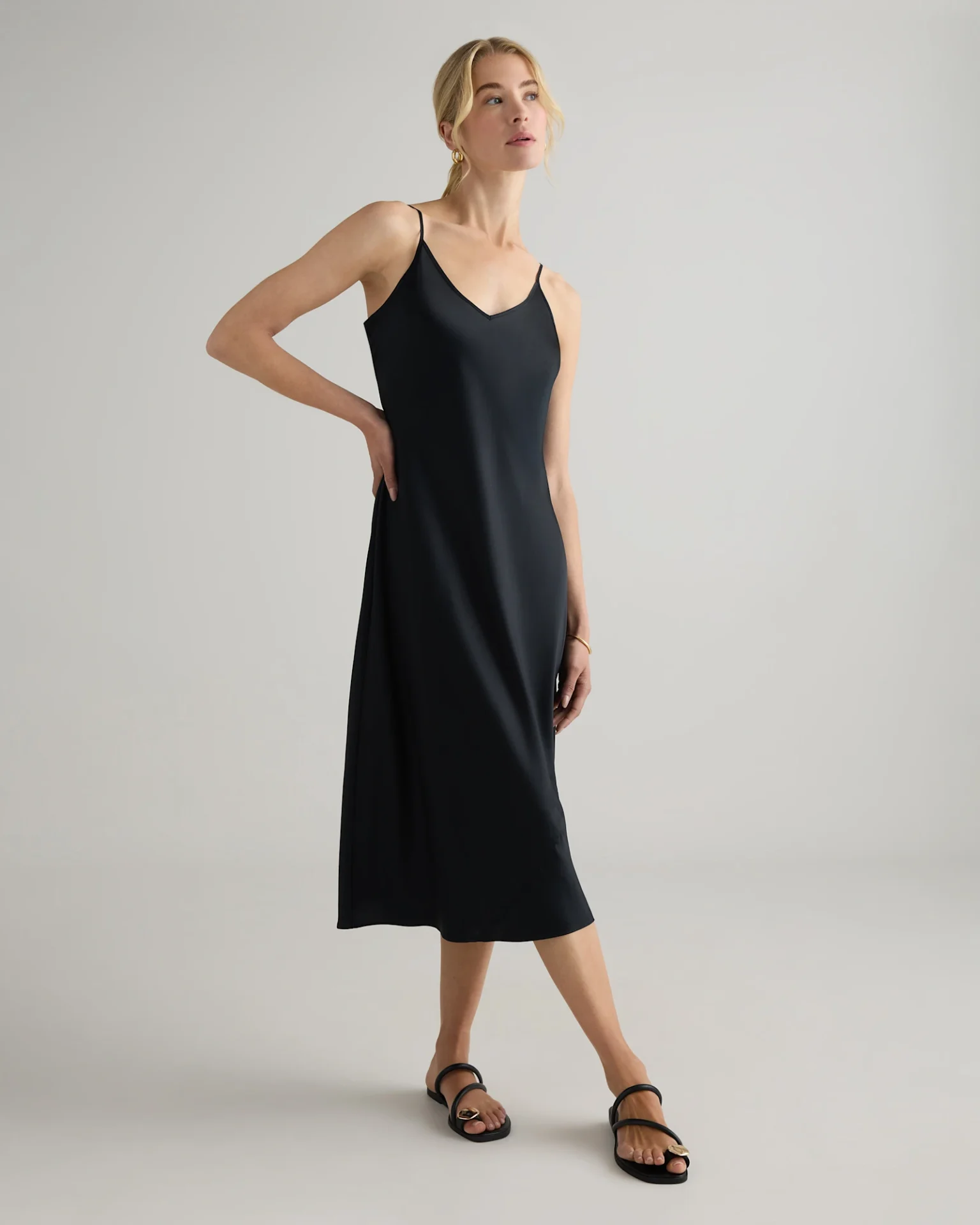
100% Washable Silk Slip Dress (Black)
$89.90 | The bias cut here is the real thing, cut in 100% mulberry silk satin so it actually moves instead of hanging stiff like most slip dresses at this price.
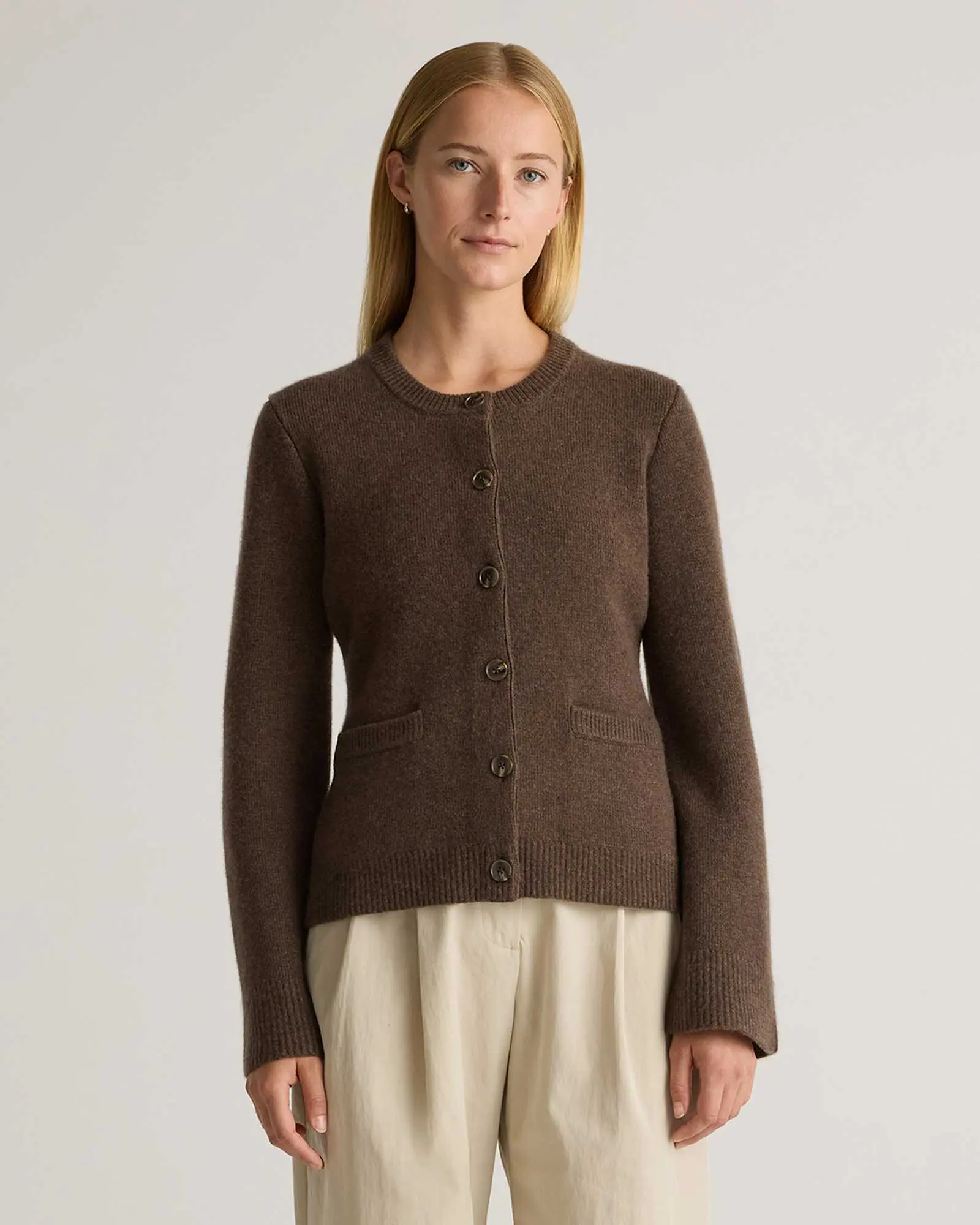
Mongolian Cashmere Structured Cardigan (Heather Truffle Brown)
$159.90 | Grade-A Mongolian cashmere in a genuinely structured shape gives the slip dress underneath real definition instead of just extra warmth.
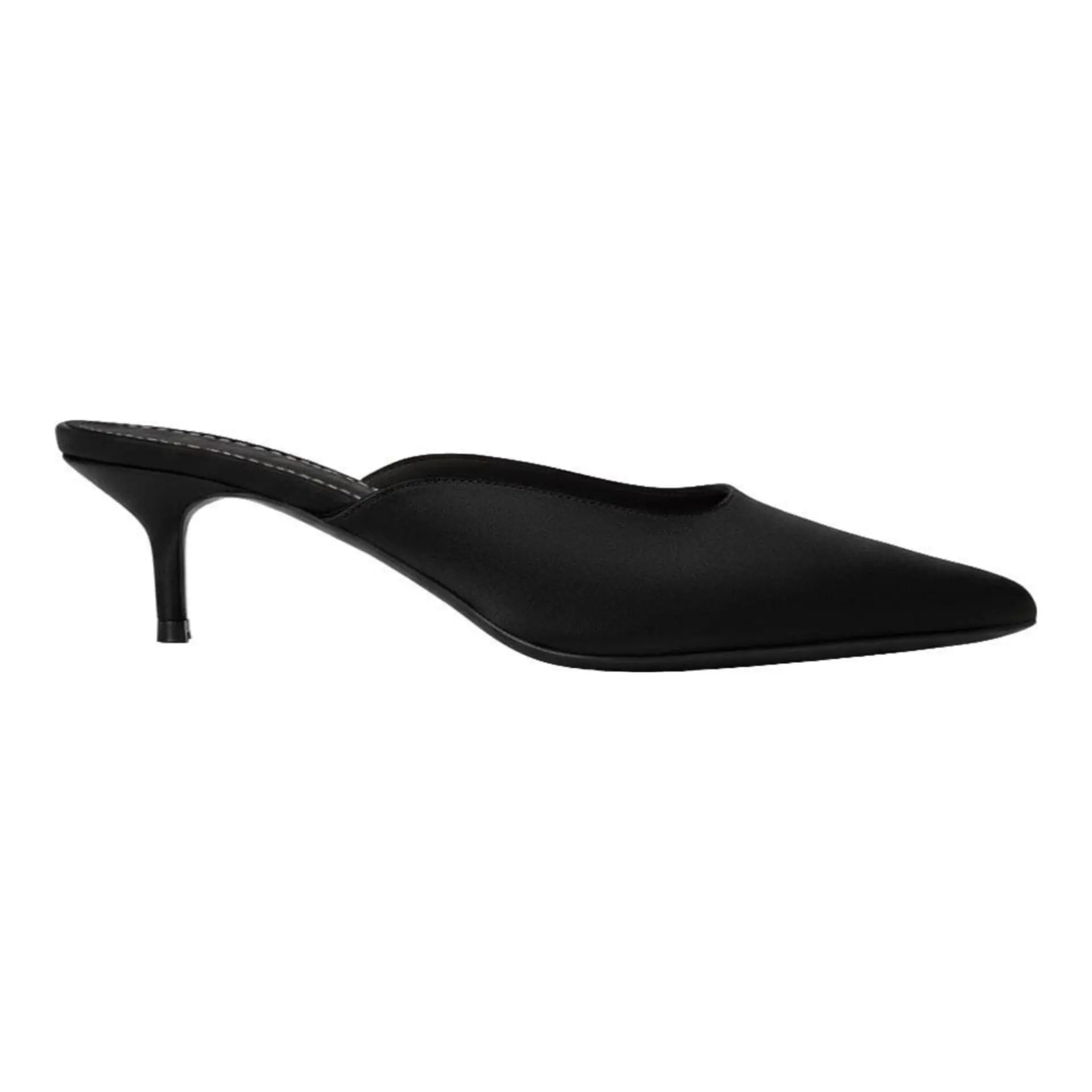
Sebastian Kitten Heel Mule (Black Satin)
$277 | Just enough heel to elongate the leg under a bias hem, without tipping into going-out-shoe territory.
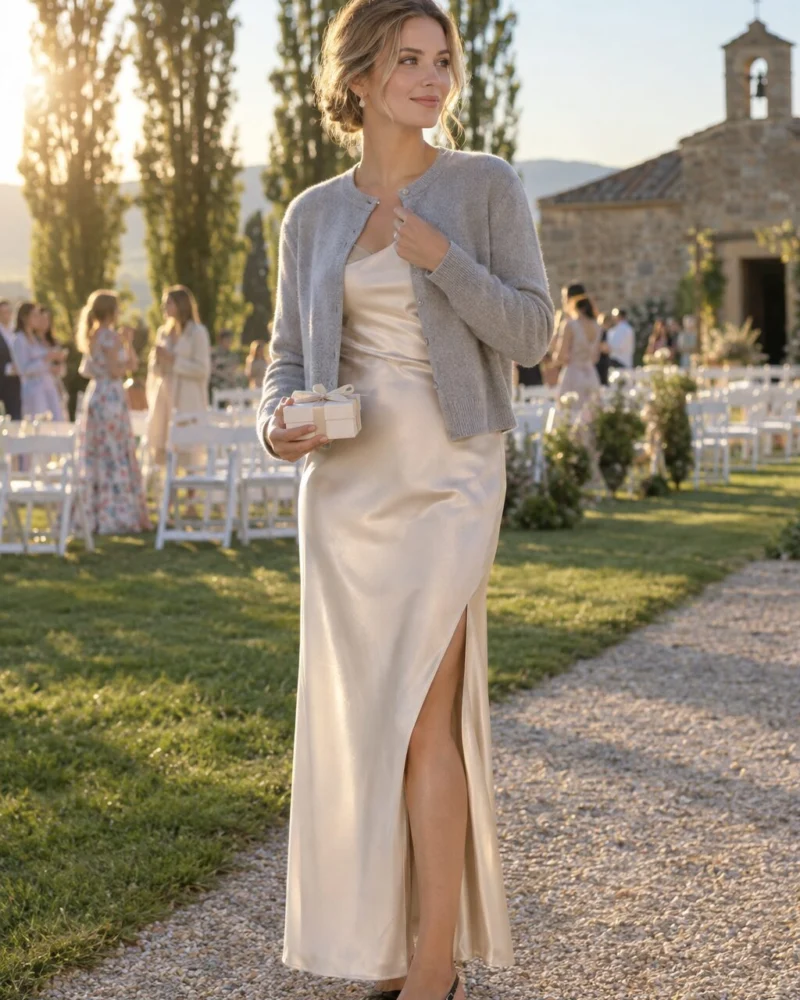
A black bias-cut slip dress alone can read a little too bare for a dinner reservation, so the cardigan is doing real work here: its structure gives the soft slip an actual shape instead of just add-on warmth. Keep it worn properly, arms in the sleeves, one or two buttons done, rather than perched over the shoulders, or the whole look reads unfinished instead of intentional.
The mistake here is treating the cardigan like a coat you’ll shed the second you sit down: it’s a real part of the outfit, not a throw-on for the walk to the restaurant.
Related: black slip dress outfits
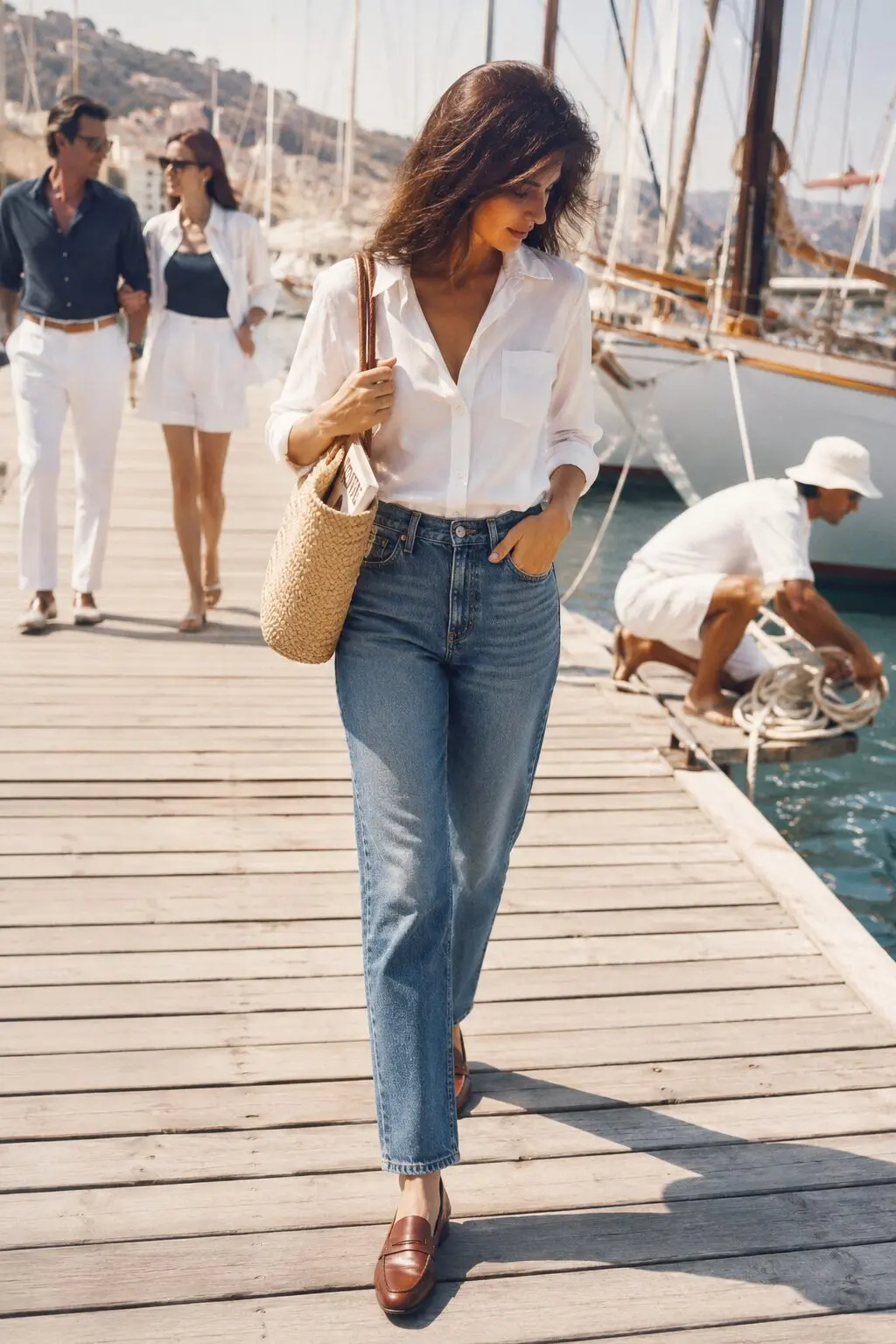
4. Crisp Button-Down, Straight Jeans, and a Flat Loafer
Shop the Look
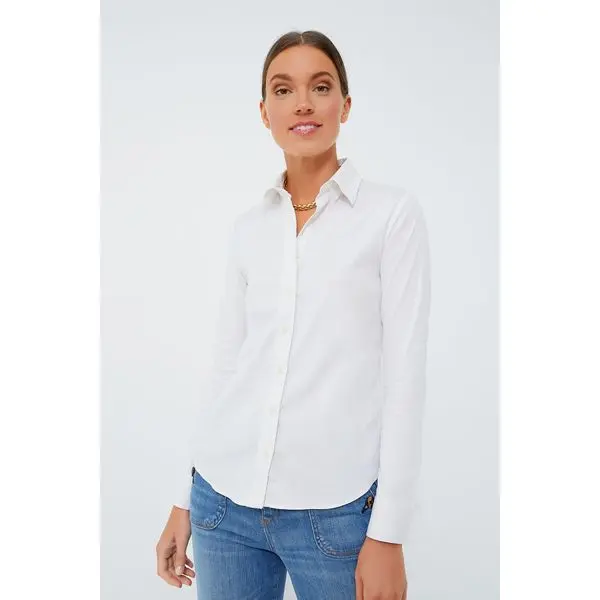
White Long Sleeve Essentials Shirt
View at THE SHIRT by Rochelle Behrens (via Tuckernuck)
$135 | Built specifically as a wardrobe staple rather than a trend piece, this shirt holds its collar shape through a full day of wear.
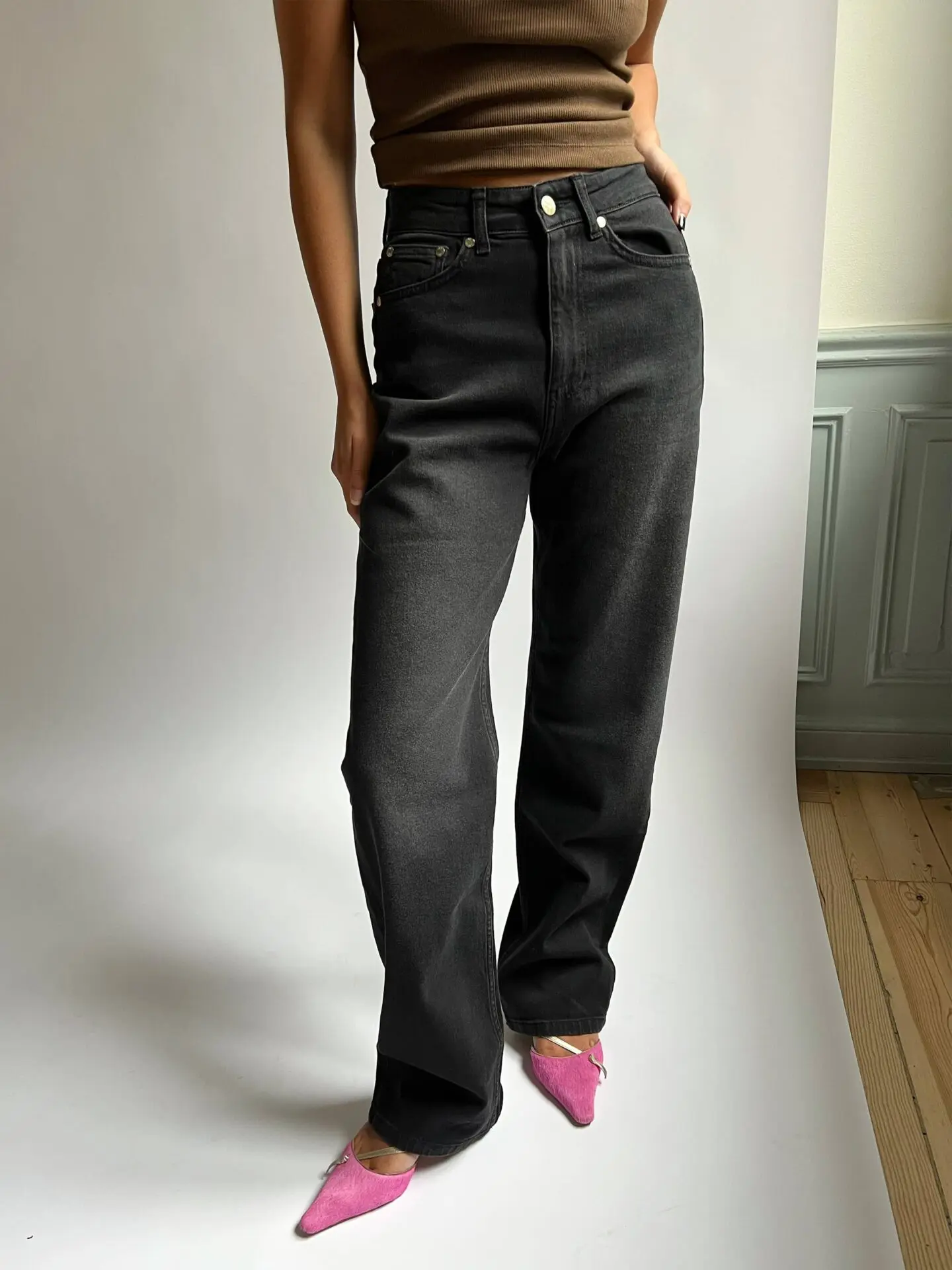
Straight Jeans (Mid Blue)
$77.50 | No exaggerated whiskering or fake distressing here, just a straight, mid-blue wash that won’t look dated in two years.
Half-tuck a crisp white button-down into straight jeans and you’re about as close as it gets to her actual off-duty uniform, with cognac accessories keeping it from looking plain. Leave a couple of buttons open at the collar instead of buttoning to the top, and let the shirt sit slightly loose through the body rather than fitted like an office blouse. Finish with a flat loafer instead of a sneaker here: leather reads more put together without asking you to try any harder.
Most people undo this by ironing the shirt too flat and tucking it in completely on all sides, which reads stiff instead of the deliberately undone version this outfit is supposed to be.
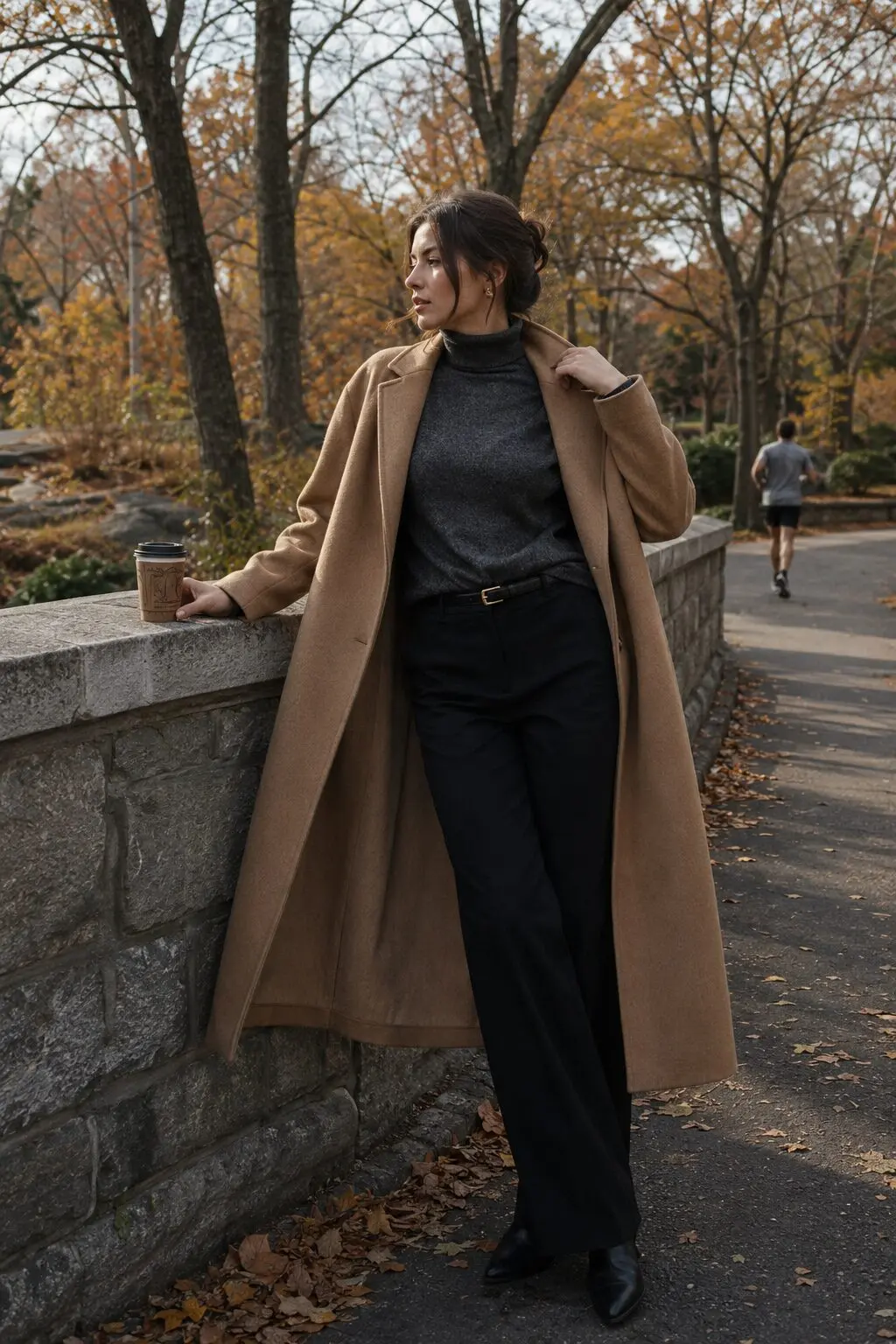
5. Camel Wool Coat Over a Cashmere Turtleneck and Black Trouser
Shop the Look
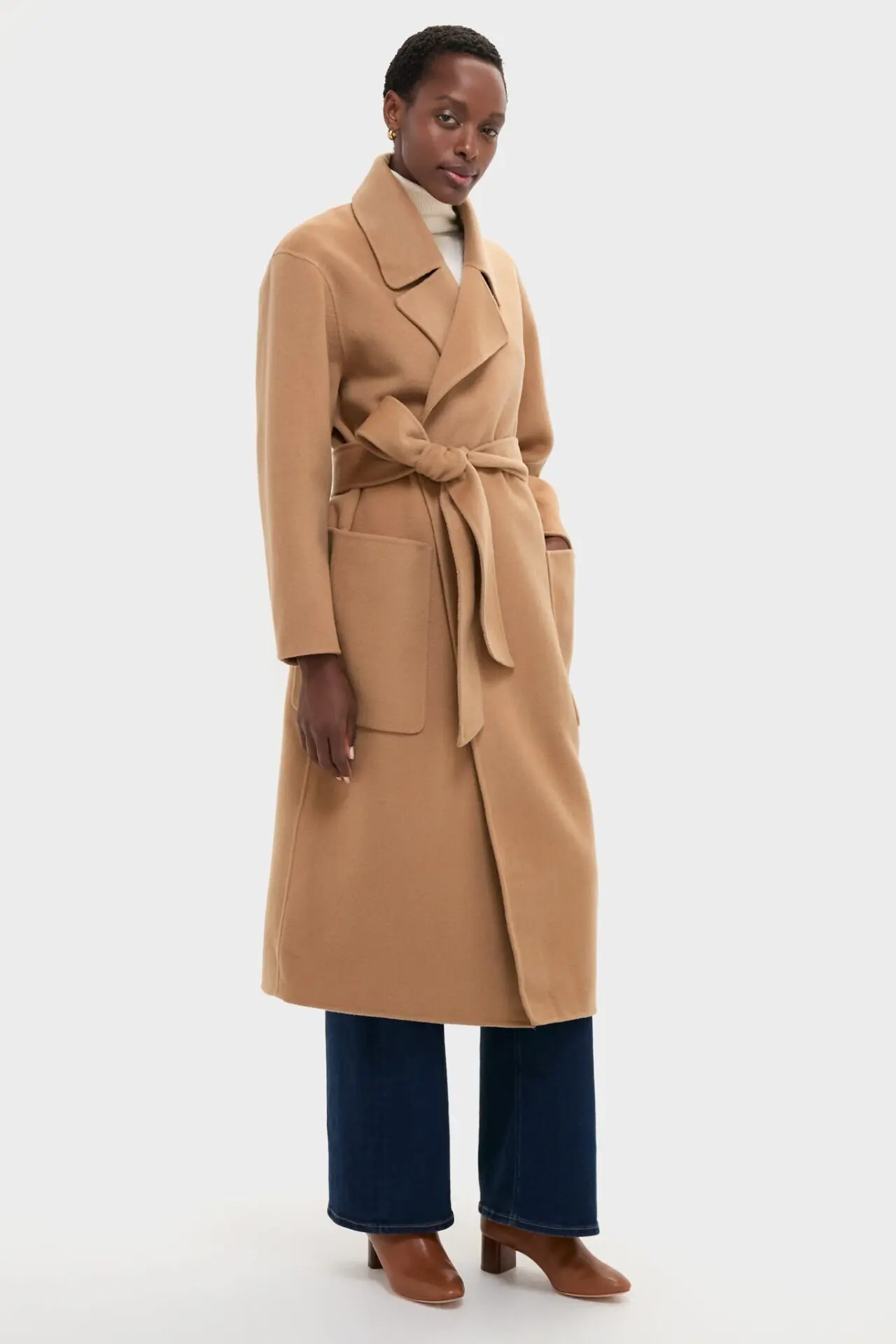
Camel Wool Trinity Coat (Tan)
$291 | Real weight and a long, lean line mean this camel topper actually looks like an investment piece instead of a costume version of one.
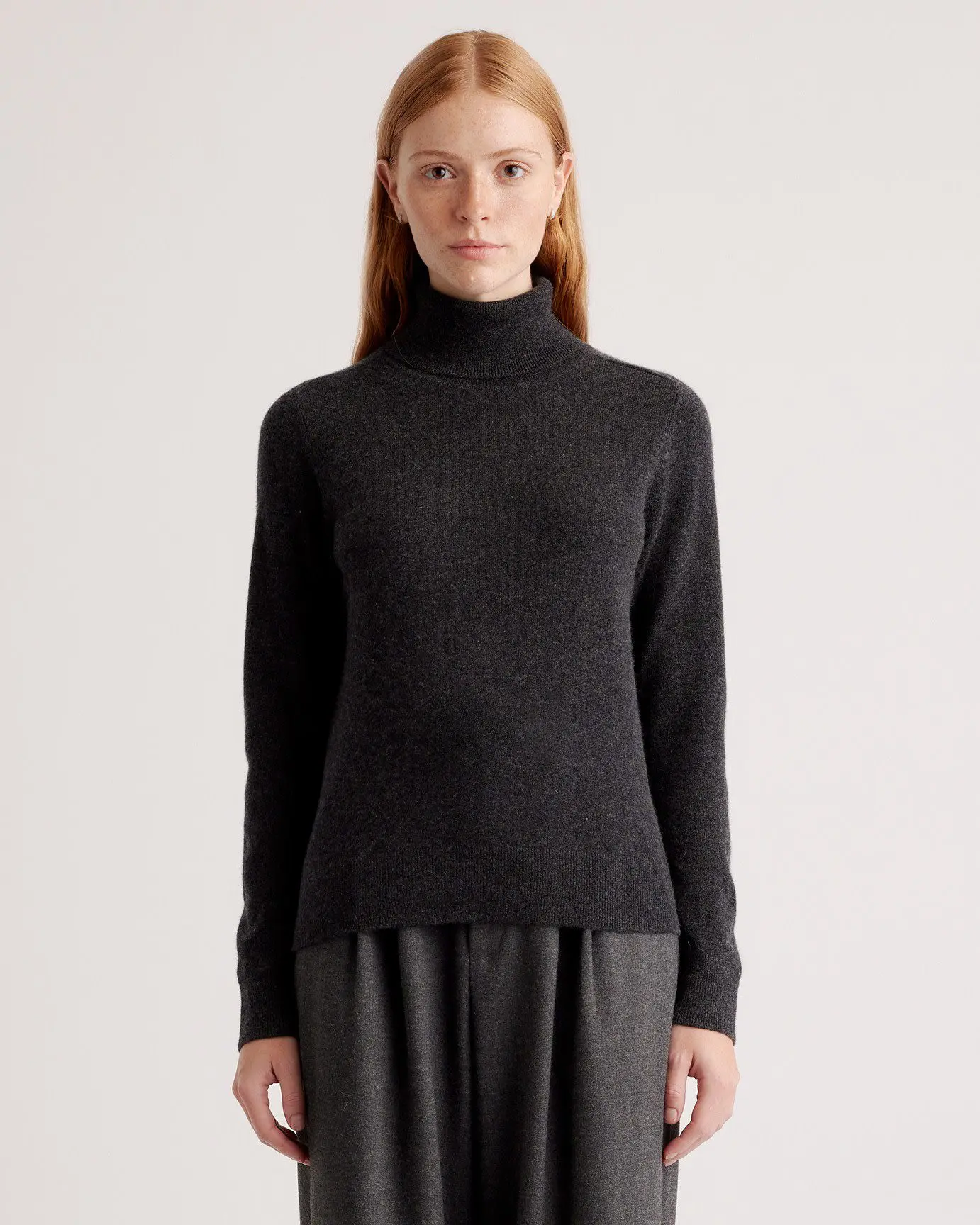
Mongolian Cashmere Turtleneck Sweater (Heather Charcoal)
$89.90 | Warm enough to layer comfortably under a coat without adding bulk, and this cashmere feels genuinely substantial for under $90.
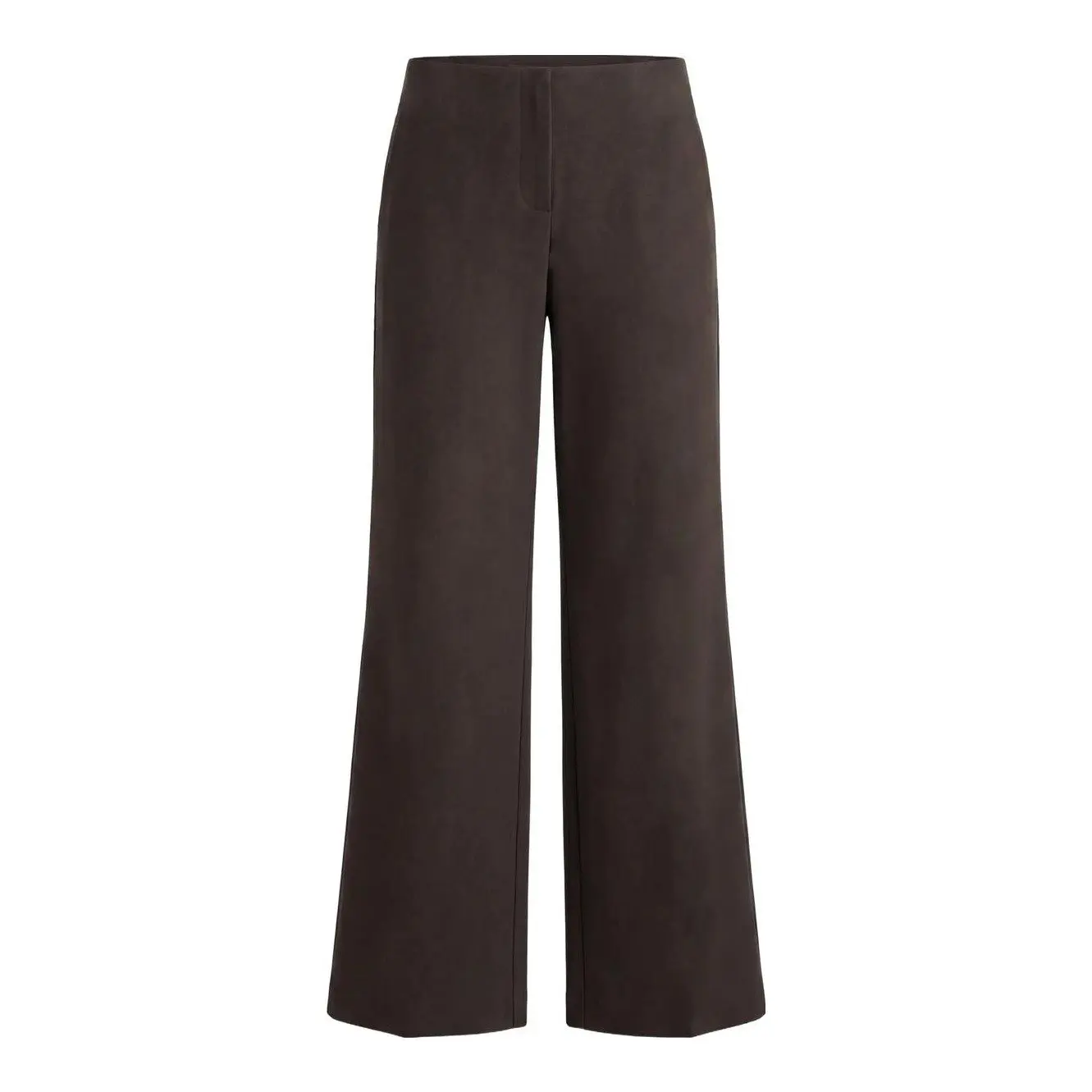
Vida Low Rise Pants (Pitch Black)
$198 | Low-rise and cut in a clean straight leg, this trouser stays quiet enough to let the coat above it do the talking.
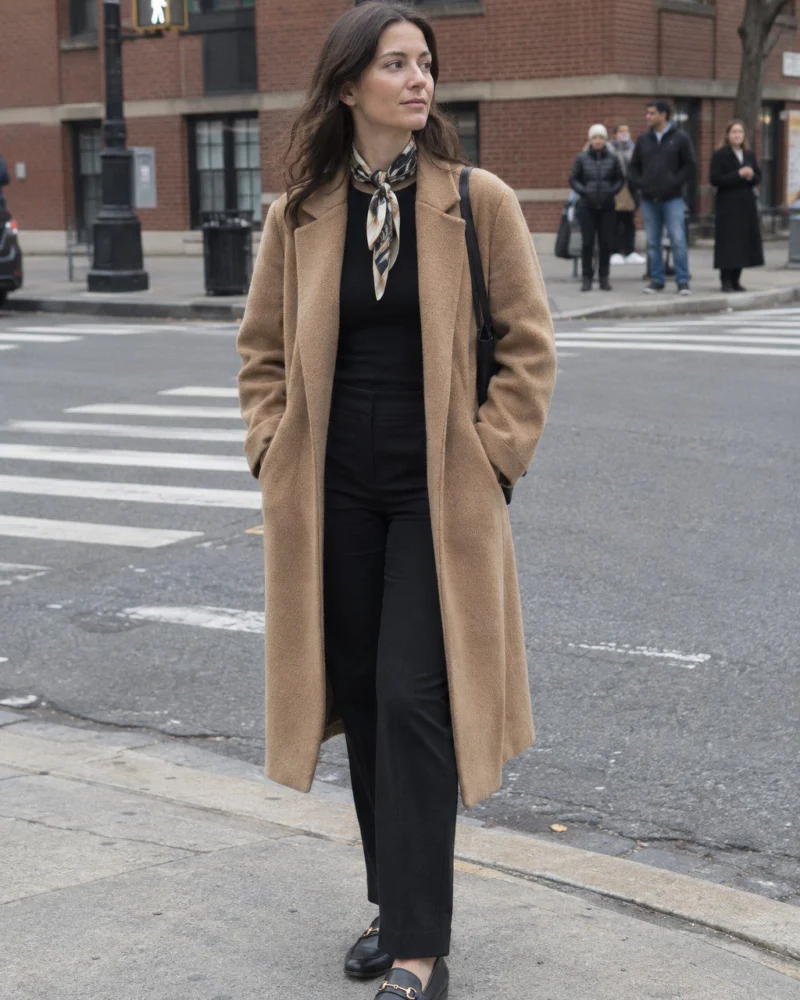
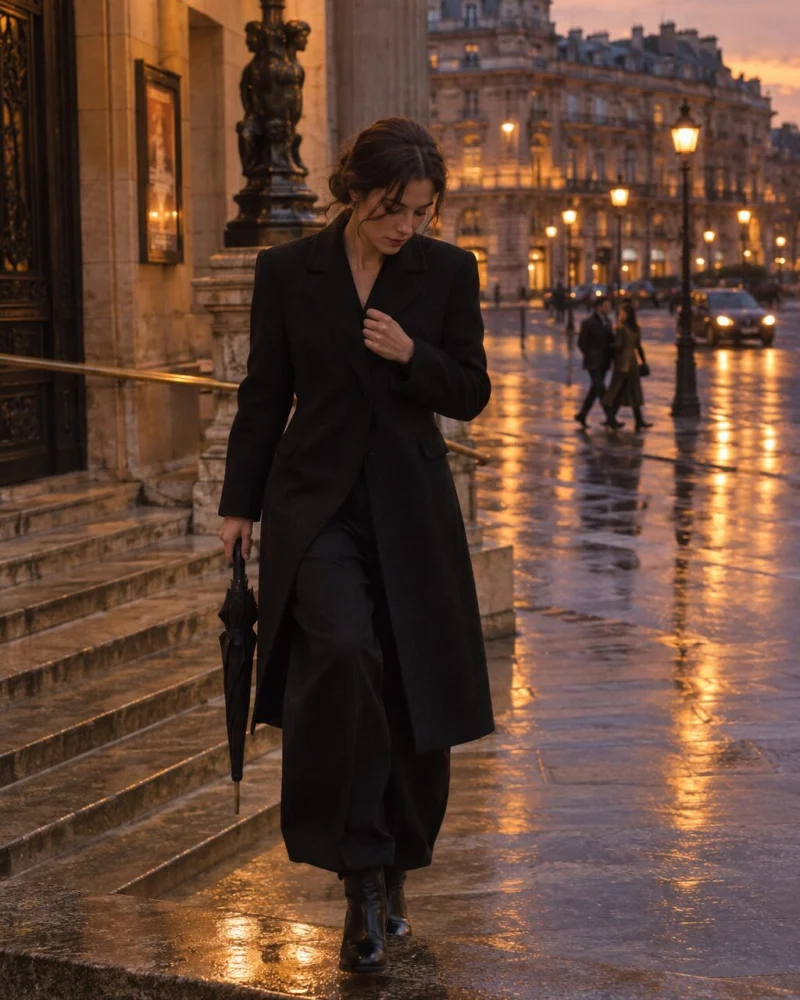
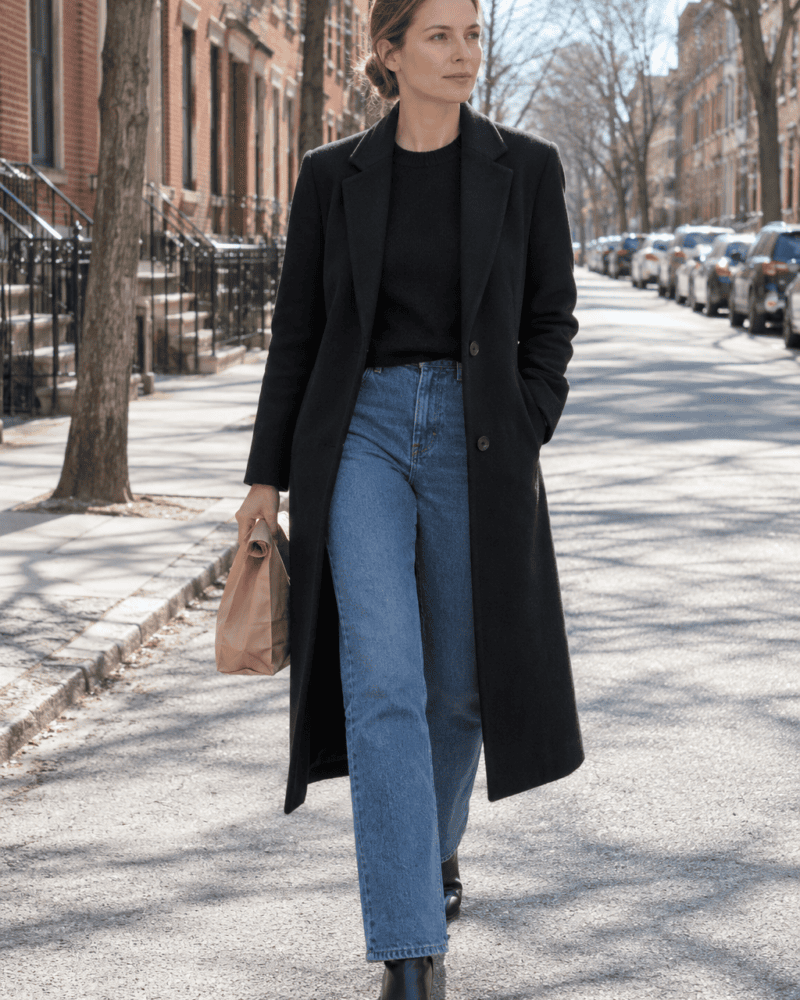
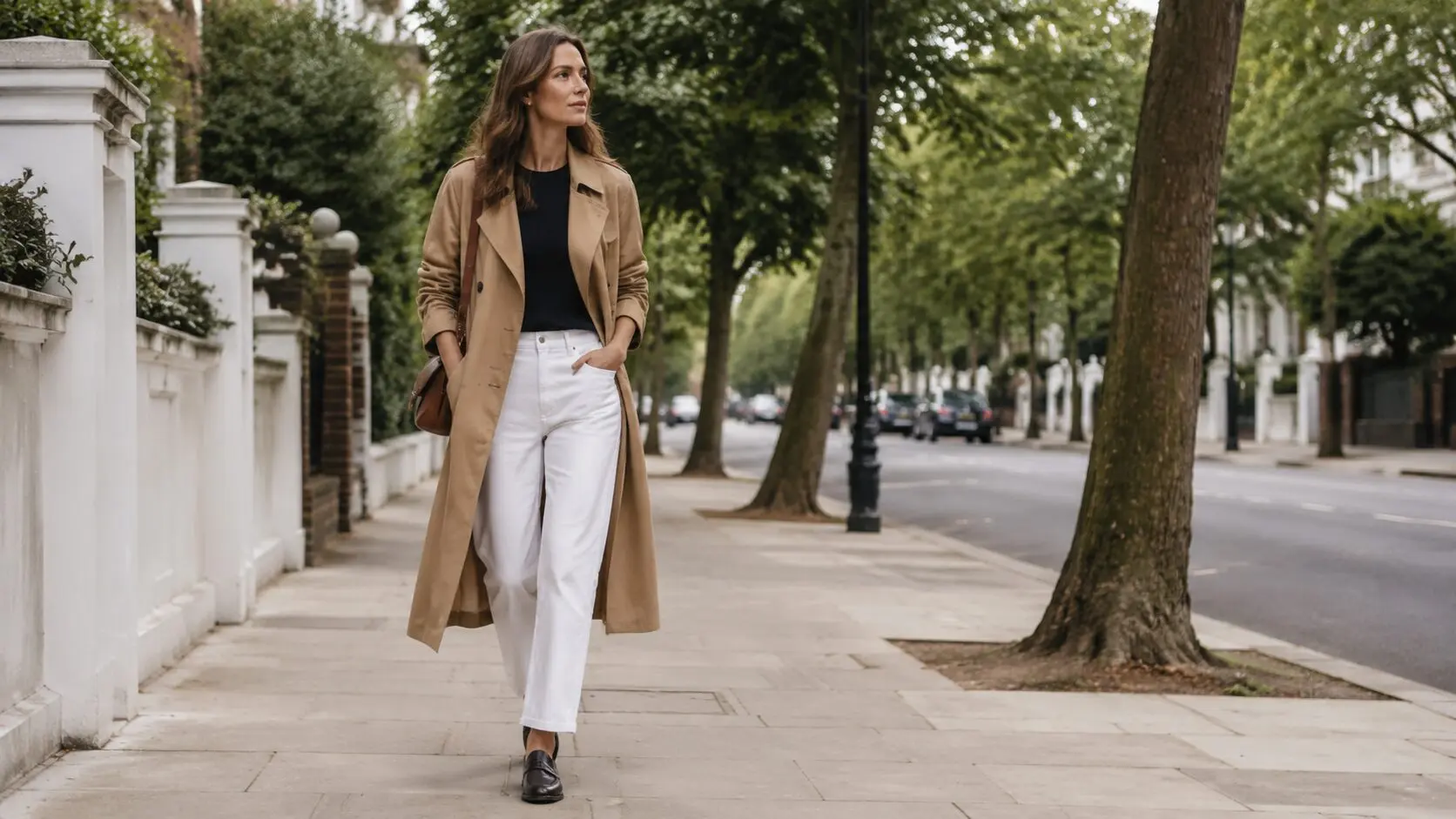
Layering a camel wool coat over a charcoal cashmere turtleneck and black trouser is the single easiest way to look expensive in five minutes flat, and it works because every piece has exactly one job. The coat supplies the color and the shape, the turtleneck supplies the texture, and the trouser stays quiet enough to let both of those do the talking. Let the coat actually close, or at least hang open in a straight line, instead of slipping off one shoulder for a photo: worn correctly, arms in the sleeves, it reads like real outerwear instead of a costume cape.
Pairing camel with anything else warm-toned is the one thing that consistently goes wrong here. Charcoal or black underneath is what keeps the coat looking like the investment piece it is instead of blending into a beige blur.
The $20 Fix That Actually Makes an Outfit Look More Expensive
If you take exactly one thing from this whole article, make it this: tailoring is cheaper than buying better clothes, and it does more work. A basic hem runs somewhere around $15 to $25 at most dry cleaners and alteration shops, taking in a waist is usually $20 to $35, and shortening sleeves on a coat or blazer lands in a similar range. None of that competes with the price difference between a $60 trouser and a $250 one, and a well-tailored $60 trouser will read more expensive in a photo every time.
Prioritize in this order if your budget or time is limited: hems first, since a pant puddling over your shoe or stopping an inch too short is the single most visible fit problem in any outfit. Waist and shoulder next, since those are the two spots that make a garment look like it was made for someone else’s body. Sleeve length last, mostly because it’s the easiest to fix later and the least visible at a glance.
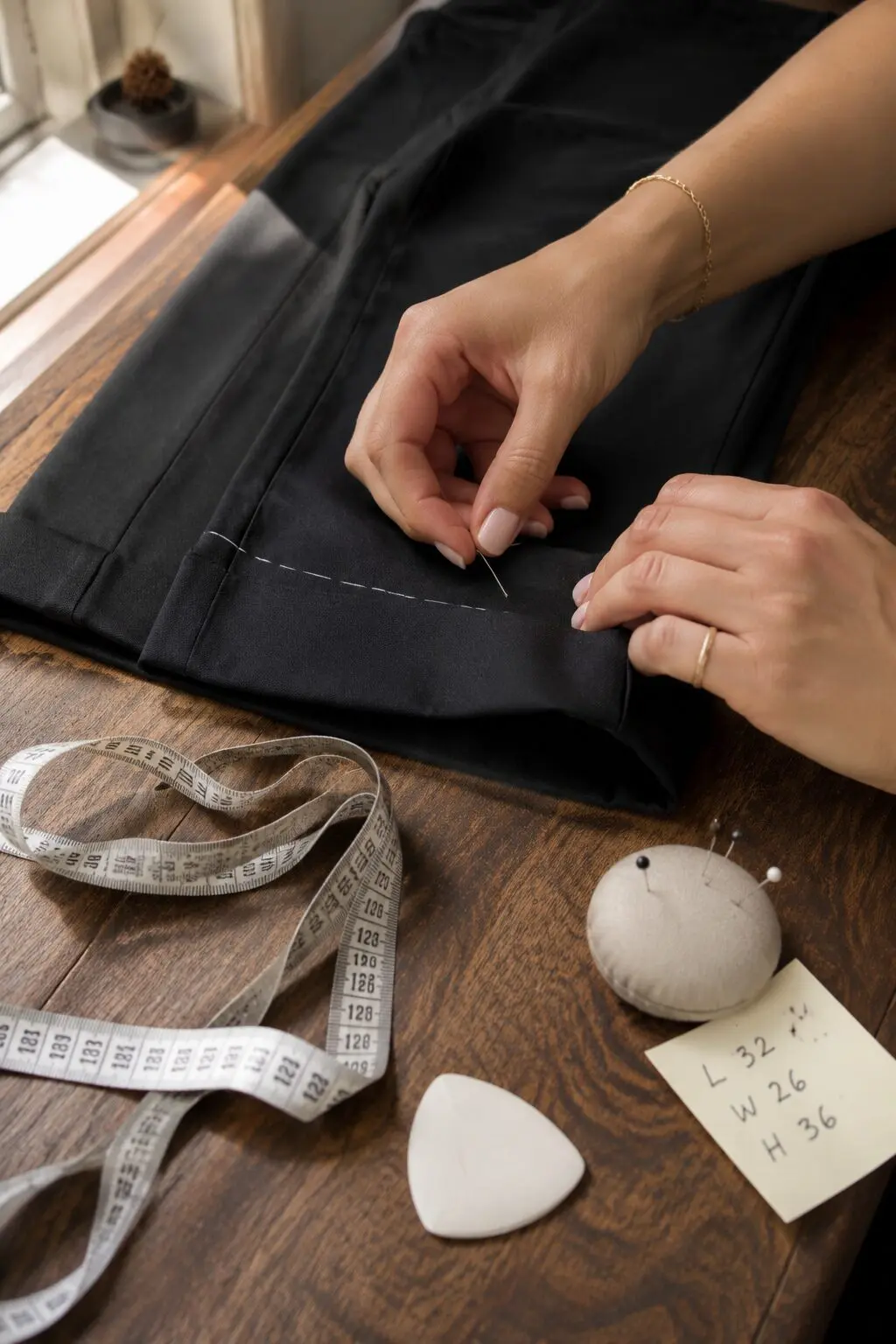
Any dry cleaner that advertises alterations can usually handle a hem or a simple waist take-in. For anything structural, like reshaping a shoulder seam on a coat, look specifically for a tailor rather than a general alterations counter: ask if they do menswear-style tailoring even if you’re bringing in womenswear, since that’s usually a sign they can handle actual structural changes, not just hemming.
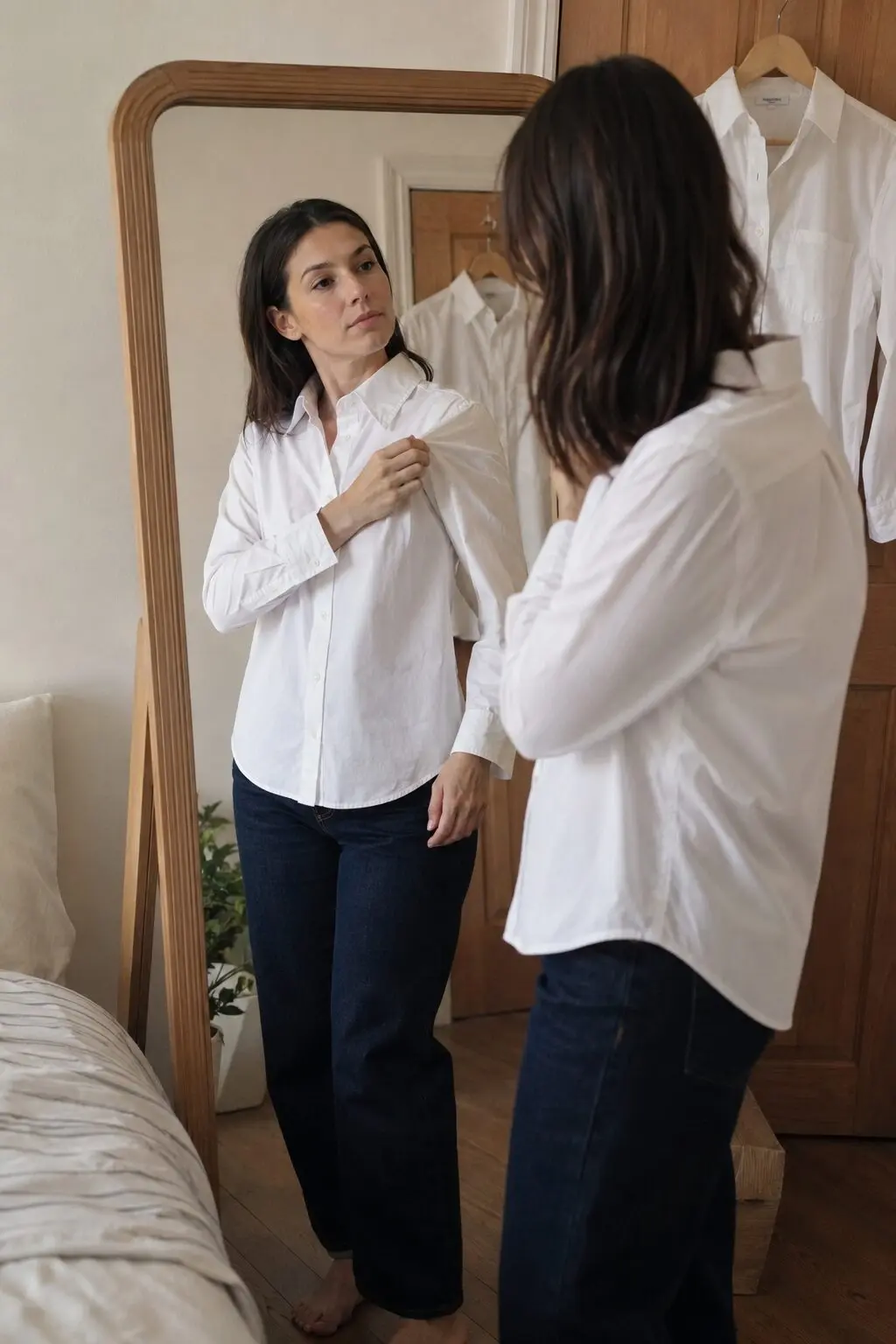
None of this requires becoming a different person or buying five new coats. Start with the fit rule alone, get one existing trouser properly hemmed this week, and see how much of a difference it makes before you buy anything new. The rest of the Carolyn Bessette style rules are really just permission to wear your best few pieces on repeat instead of constantly hunting for the next new thing.
Related: iconic Carolyn Bessette looks to recreate
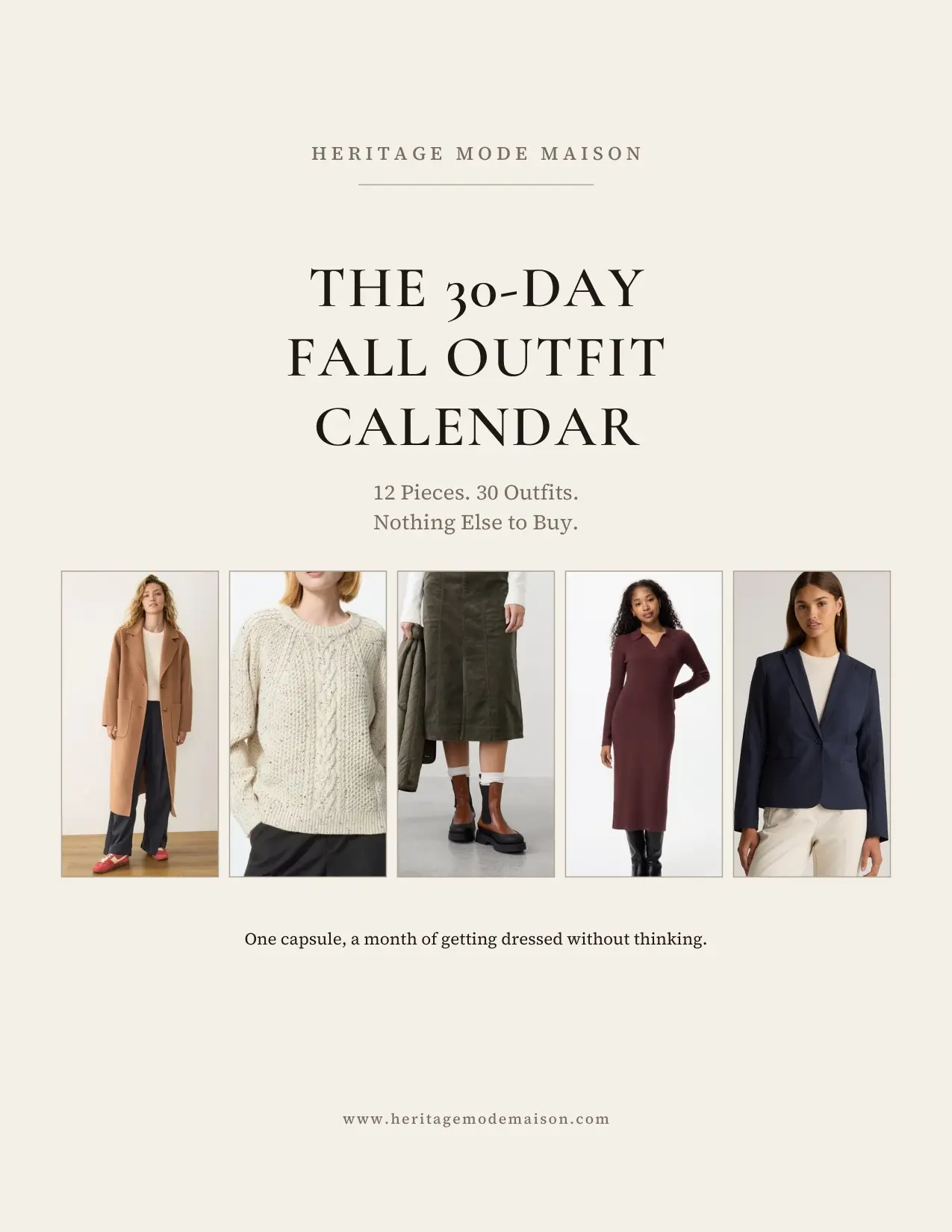
Never Sure What to Wear in the Morning?
The 30-Day Fall Outfit Calendar decides for you: 12 pieces, 30 outfits, one for every day of the month.
$9, instant PDF
See the 30 OutfitsFrequently Asked Questions
Do I need designer pieces to actually pull off this look?
No. The whole point of her style logic is that fit and fabric quality matter more than the label on the tag, and several of the pieces above are under $100.
What if I don’t own a single silk or cashmere piece yet?
Start with one, ideally a turtleneck or blouse you’ll wear constantly, rather than buying several cheaper substitutes. One genuinely good fabric piece does more for an outfit than three mediocre ones.
How many of these outfits can I build from pieces I probably already own?
Most people already own a white button-down and a pair of jeans, so outfit four is usually the easiest starting point. The slip dress and coat looks are the two worth building toward once the basics are covered.
Is repetition dressing actually noticeable to other people?
Barely, and definitely not the way you’d expect. People register a well-fitting silhouette and a put-together color story far more than they register that it’s the same trouser as last week.
What’s the fastest single change if I only have time for one?
Get your most-worn trouser properly hemmed. It’s the cheapest, fastest fix on this entire list, and it changes how the whole outfit reads.
You Might Also Like
Want a fresh outfit idea each morning? Follow Heritage Mode Maison on Instagram.
